Yamaha 6300 Inverter Generator Review
The Yamaha 6300 delivers massive inverter power for demanding loads. However, its heavy chassis requires deliberate placement and transport planning.

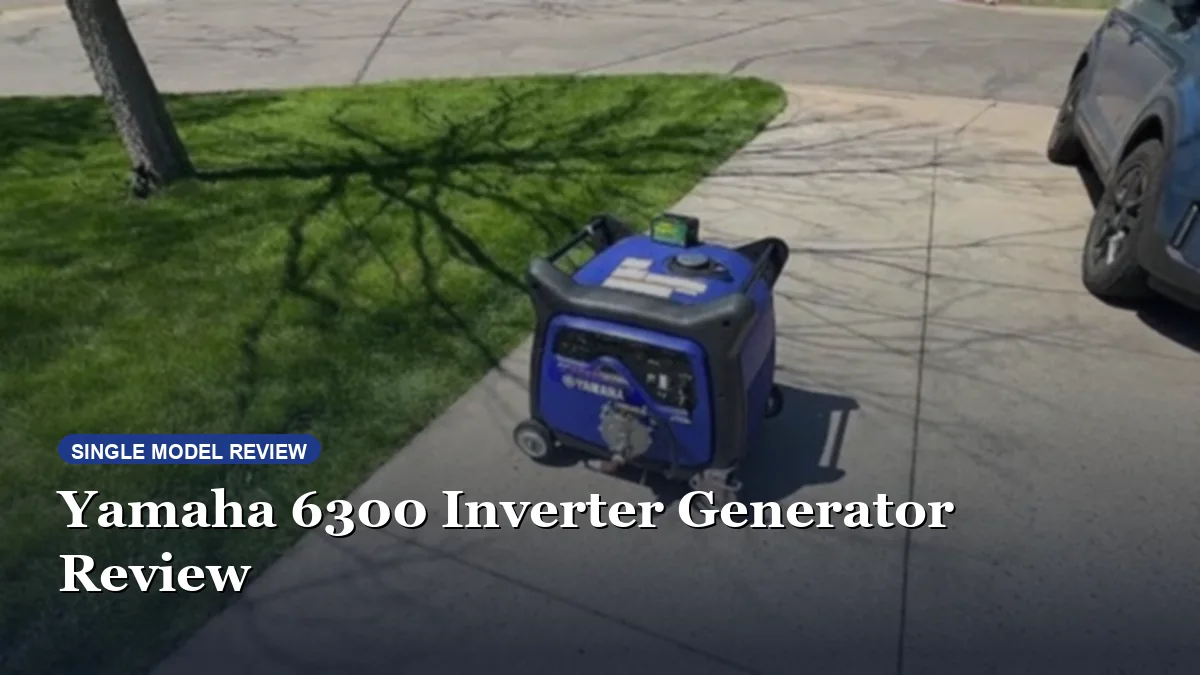

This unit excels at running large appliances cleanly with minimal harmonic distortion. Buyers needing portable emergency backup will appreciate its robust electrical output.
Explore related alternatives in our Best Power Inverter Generator.
Verified Specifications
| Category / Type | Portable Inverter Generator |
|---|---|
| Rated Output / Capacity | 5500 Running Watts / 6300 Starting Watts |
| Power / Motor | 357cc OHV 4-stroke engine |
| Build & Materials | Steel roll cage with composite housing |
| Operating Noise | 51 to 61 dB(A) at quarter load |
| Duty Cycle / Runtime | Up to 11 hours at quarter load |
| Dimensions & Weight | 33 x 24 x 28 inches, 220 lbs |
| Key Safety & Controls | Electric start, smart throttle, overload breaker |
What We Liked
- Clean sine wave power for electronics
- High surge capacity for large motors
- Enclosed design for reduced noise
- Reliable electric push-button start
- Extended runtime via eco-throttle
Trade-Offs
- Substantial weight limits portability
- High initial investment required
- Requires significant storage space
Engineering Build and Chassis Ergonomics
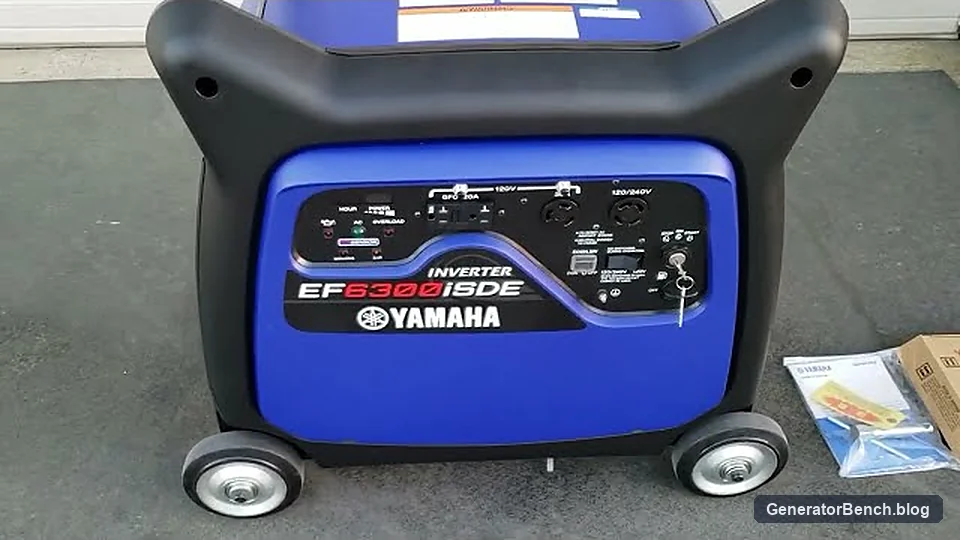
The Yamaha 6300 features a heavy-duty steel frame designed to protect internal components. Its integrated wheel kit makes movement manageable across smooth surfaces despite the substantial overall weight.
Protective roll cages and reinforced composite side panels safeguard the mechanical core. Operators must navigate tight corners carefully due to the extended frame dimensions during transport.
Ergonomic control layouts group vital switches and receptacles logically on the front fascia. This deliberate arrangement reduces operator fatigue during emergency setup and routine monitoring tasks.
The Yamaha chassis utilizes a robust steel frame combined with high-impact polymer panels to protect internal components. Integrated dual folding handles and large pneumatic wheels ensure relatively easy transport across rough, uneven terrain.
Weighing roughly 200 pounds dry, this unit requires deliberate leverage when loading into truck beds. The balanced weight distribution prevents tipping during transit, while reinforced lift points accommodate heavy-duty straps for secure job site placement.
Protective roll cages safeguard the alternator housing from accidental impacts. Service access panels use quarter-turn fasteners, allowing technicians to inspect vital wiring harnesses and carburetor linkages without stripping threaded bolts during routine maintenance checks.
- Heavy-duty tubular steel frame
- Integrated dual wheel kit
- Reinforced composite side panels
- Centralized front-panel controls
Chassis Weight and Mobility
Weighing well over two hundred pounds dry, this model is frequently featured as a top best inverter generator for home backup option. Its folding transport handles offer decent grip for loading.
Solid rubber tires roll smoothly over gravel, yet soft soil can trap the chassis. Users should prioritize flat, stable staging areas to prevent accidental shifting.
- Exceeds two hundred pounds dry
- Folding dual-grip handles
- Solid rubber transport wheels
Real-World Electrical Output and Surge Capacity
Delivering thousands of continuous watts, this machine handles central air conditioners with ease. Advanced inverter technology ensures clean sine wave power safe for sensitive electronics.
Motor-driven appliances draw high starting currents that test any generator. The robust alternator handles heavy surges smoothly without dropping below acceptable voltage and frequency thresholds.
Multiple AC receptacles and a dedicated twist-lock outlet distribute high amperage efficiently. Parallel capability lets users link two units for expanded residential backup capacity.
Delivering a robust 5,500 running watts, this unit operates much quieter than standard contractor alternatives, matching specifications found in our quietest generator inverter guide. Clean sine wave power protects sensitive digital tools.
Surge capacity reaches 6,300 peak watts, providing the necessary startup amperage for inductive motor loads. Voltage regulation remains exceptionally tight under sudden load spikes, protecting sensitive digital electronics from destructive brownout conditions.
Parallel capability lets operators link two identical units using an approved heavy-duty wiring kit. This doubles available amperage outputs for large residential applications without sacrificing the purity of the multistage inverter output.
- Clean sine wave electricity
- High motor-starting surge capacity
- Dedicated twist-lock high-amperage outlet
Surge Performance Under Load
Heavy inductive loads trigger rapid response from the onboard inverter governor. Voltage recovery occurs almost instantly to prevent appliance brownouts.
Users can operate refrigerators and pumps simultaneously without experiencing electrical strain or tripping internal circuit breakers.
- Rapid governor response time
- Simultaneous multi-appliance support
Video Review: For Sale Yamaha EF6300iSDE 6300 Watt Inverter Generator with Electric Start and Natural Gas Upgrade
Acoustic Profile, Thermal Efficiency, and Fuel Economy
Operating noise remains surprisingly moderate for a high-output machine. Advanced baffling and enclosed cabinetry keep decibel levels lower than traditional open-frame contractor generators.
Thermal management relies on forced-air cooling channels routed efficiently around the cylinder head. Extended run times require clean intake vents to prevent overheating under heavy electrical loads.
The efficient overhead valve engine maximizes fuel extraction from the large tank. Eco-mode throttle adjustments reduce fuel consumption significantly during light auxiliary electrical demands.
Operating noise levels hover near 58 decibels at a quarter load, measuring quieter than standard open-frame competitors. Sound-dampening enclosures utilize internal baffling to absorb high-frequency engine whine while maintaining adequate cross-flow ventilation.
Thermal management relies on an oversized cooling fan driven directly by the crankshaft. Cylinder head temperatures stabilize quickly even during peak ambient summer operations, preventing thermal degradation of crucial internal gasket seals.
Fuel economy benefits greatly from Smart Throttle technology that automatically adjusts engine RPM. The generous fuel tank provides up to 11 hours of continuous runtime when operating under a modest quarter electrical load.
- Enclosed acoustic dampening cabinetry
- Forced-air cylinder head cooling
- Smart idle eco-throttle system
Fuel Management Strategies
Activating the eco-throttle mode reduces engine speed during low-wattage operation. This feature conserves fuel and extends overall runtime between refueling stops.
Maintaining proper fuel quality prevents gumming in the carburetor during seasonal storage intervals.
- Automatic engine speed modulation
- Extended runtime per tankful
Operational Setup, Controls, and Interface Design
Starting the engine is streamlined via reliable electric start functionality. An auxiliary recoil backup ensures operation even if the starter battery loses charge over storage.
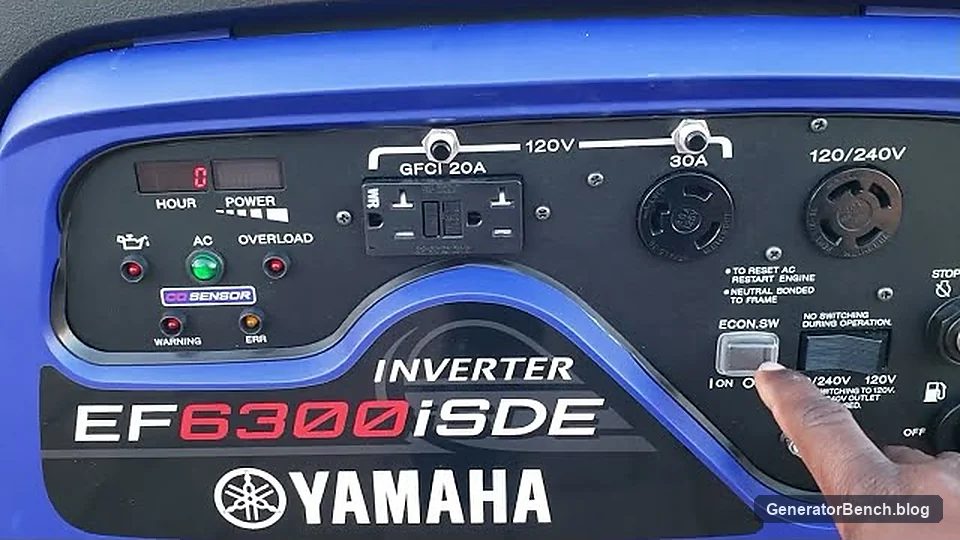
Digital multi-meters display voltage, frequency, and accumulated operating hours clearly. These diagnostic readouts help technicians schedule timely oil changes and prevent electrical overloads.
Fuel shutoff valves and choke levers are color-coded for intuitive cold-weather starting procedures. Clear panel graphics guide novice operators through safe operational sequences successfully.
The centralized control panel features an intuitive layout with clearly labeled circuit breakers and receptacles. An integrated digital hour meter tracks operational intervals, ensuring timely scheduling for oil changes and filter replacements.
Electric start functionality relies on an onboard battery system with a manual recoil backup. For detailed technical comparisons, consult our regular vs inverter generator guide before operating in cold weather.
Safety indicators prominently display low oil warnings and overload conditions via bright LED lights. These visual alerts prevent accidental motor seizures by cutting power output instantly if operating parameters exceed safe thermal thresholds.
- Reliable electric push-button start
- Digital hour meter and diagnostic display
- Color-coded manual choke and fuel valve
Control Panel Layout
All circuit breakers and output receptacles feature protective covers against moisture intrusion. Panel lighting aids nighttime connection tasks during power outages.
Clear indicator lights warn operators immediately regarding low oil levels or system overloads.
- Weather-resistant outlet covers
- Immediate fault warning LEDs
Routine Maintenance and Long-Term Mechanical Durability
Access panels simplify routine oil checks, spark plug inspections, and filter replacements. Commercial-grade components ensure long-term mechanical reliability across extended emergency deployment cycles.
Air filter elements require periodic cleaning to maintain optimal combustion efficiency. Neglecting this maintenance step quickly degrades fuel economy and increases exhaust emissions.
Battery maintenance remains crucial for reliable electric starting capability during emergencies. Storing the unit with a trickle charger prevents unexpected ignition failures when power fails.
Preventive maintenance centers around servicing the easy-access foam air filter and replacing spark plugs. Routine oil changes require draining old fluid through a dedicated chute that prevents spills onto the powder-coated frame.
Long-term durability is enhanced by a cast iron cylinder sleeve designed to resist bore wear. Yamaha specifies high-grade synthetic 10W-30 oil to optimize internal lubrication across varying seasonal ambient operating temperatures.
Valve clearance inspections should occur every 200 operating hours to maintain optimal compression levels. Keeping this mechanical adjustment precise ensures smooth idling and prevents premature exhaust valve burning during extended runtime tasks.
- Toolless access maintenance panels
- Washable foam air filter elements
- Commercial-grade internal engine components
Scheduled Servicing Intervals
Routine oil changes should occur after every hundred hours of active operation. Following this schedule prevents premature bearing wear and cylinder scoring.
Inspect fuel lines annually for signs of cracking or hardening caused by heat exposure.
- Hundred-hour oil change cycle
- Annual fuel line inspection
Comparative Value and Ideal Buyer Profiles
Choosing this heavy inverter makes sense for large RV owners and homeowners seeking quiet backup. Its premium engineering standard justifies the higher investment over basic contractor models.
Budget-conscious buyers or those needing ultra-lightweight portability should look elsewhere. The sheer mass and price point alienate casual campers seeking minimal backup power.
Proper storage and regular exercise keep this heavy-duty unit ready for unpredictable grid failures, earning it top marks in our best power inverter generator review. Routine upkeep guarantees years of dependable auxiliary power.
This generator targets contractors and homeowners requiring premium backup power for heavy-duty applications. While upfront investments remain substantial, the exceptional engineering delivers reliable service that outlasts many standard budget-tier competitor models.
Ideal buyers include operators running sensitive diagnostic equipment, medical devices, or high-end motor homes. The ultra-low harmonic distortion protects expensive electronics from the electrical anomalies typical of conventional utility power sources.
Fleet managers appreciate the resale value retention common with industrial-grade Yamaha power equipment. Robust construction standards and readily available replacement parts minimize total lifecycle ownership costs across multi-year commercial deployment schedules.
- Best for large RVs and homes
- Superior harmonic stability and quietness
- Requires dedicated storage space
Final Selection Guidance
Evaluate your total wattage requirements and lifting capability before purchasing. This machine rewards users who prioritize clean power output and durable construction.
Compare local service network availability to ensure hassle-free warranty support over time.
- Assess total home wattage needs
- Verify local service availability
Frequently Asked Questions
Can this generator run sensitive electronics safely?
Yes, the advanced internal inverter module produces exceptionally stable electricity with minimal harmonic distortion across all connected operational loads during heavy usage scenarios.
This refined electrical output ensures completely safe operation for sensitive computers, medical equipment, and modern smart appliances without ever risking costly internal hardware damage.
How loud is the generator during normal operation?
Operating noise levels remain surprisingly moderate during typical usage due to the fully enclosed acoustic cabinetry and advanced internal baffling systems.
While sustained heavy electrical loads will increase engine revolutions, nearby neighbors will still find this unit significantly quieter than traditional open-frame contractor generators.
Is professional assistance required for routine maintenance tasks?
No, routine maintenance tasks are easily handled by owners using basic hand tools and the clear instructions provided in the manual.
Convenient access panels simplify oil changes, spark plug inspections, and filter cleanings to ensure consistent long-term mechanical reliability across many years of service.
Can two units be linked together for more power?
Yes, built-in parallel capability allows users to connect compatible inverter units directly using an approved parallel cable kit. This smart feature effectively doubles your available continuous wattage capacity to effortlessly run larger residential air conditioning systems.
What is the best way to store the generator long-term?
Proper long-term storage requires completely draining all remaining gasoline from the carburetor float bowl and the main fuel tank.
You should also disconnect the starting battery and attach it to a reliable trickle charger to prevent premature electrical failure during storage.