What Size Generator For Refrigerator: Technical Selection Guide
Selecting emergency power requires evaluating strict electrical metrics, running wattages, and compressor surge demands.


A standard household refrigerator typically requires a generator with at least six hundred running watts and two thousand starting watts.
Looking for matching picks? See our Best Size Generator For Home.
Practical Quick-Reference Table
| Scenario / Metric | Recommended Target | Why It Matters |
|---|---|---|
| Standard Top-Freezer | 800 Starting Watts | Handles basic compressor motor startup loads safely. |
| French Door Model | 1200 Starting Watts | Accounts for dual evaporators and ice maker heaters. |
| Side-by-Side Unit | 1500 Starting Watts | Manages higher defrost cycle and motor draws. |
| Inverter Generator | 1000 Running Watts | Provides clean power to protect digital control boards. |
| Extension Cord | 12-Gauge Copper | Prevents voltage drop over extended outdoor runs. |
| Fuel Storage | 5-Gallon Container | Ensures continuous operation during extended utility outages. |
Understanding Refrigerator Electrical Load Metrics
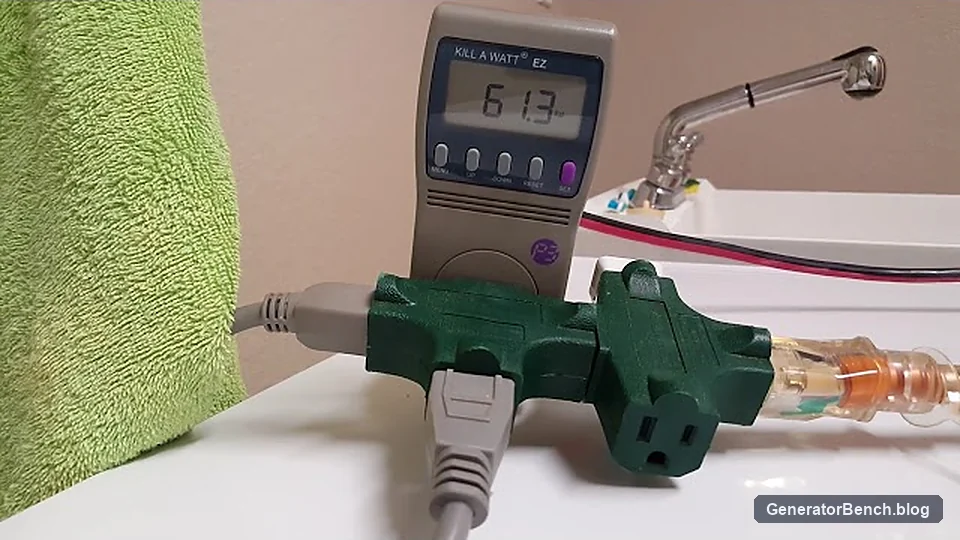
Refrigerators operate using electric motors that demand distinct power levels during their standard cooling cycles. You must examine the appliance rating label located inside the fresh food compartment.
This data plate provides crucial amperage and voltage specifications for our best size generator for home guide. Ignoring these manufacturer specifications often leads to overloaded circuits and equipment failure.
Running watts represent the continuous power required while the compressor motor actively pumps refrigerant. Starting watts reflect the initial surge current needed to overcome motor inertia.
Motor-driven appliances require up to three times their running wattage for a few split seconds upon startup. Failing to account for this electrical surge causes portable generators to stall.
- Locate the manufacturer data plate inside the refrigeration compartment.
- Multiply listed amperes by standard household voltage to determine wattage.
- Account for multi-compressor configurations in modern luxury appliances.
- Never rely on generalized estimates without checking your specific model.
Decoding Appliance Data Plates
Data plates display exact electrical parameters required by safety organizations and certified technicians. Reading these metrics correctly prevents costly undersizing errors during emergency power selection.
Look specifically for full load amperage ratings alongside standard operating voltage thresholds.
- Identify the FLA rating for continuous operation metrics.
- Verify single-phase 120-volt requirements for standard residential units.
Calculating Running Watts Versus Starting Surges
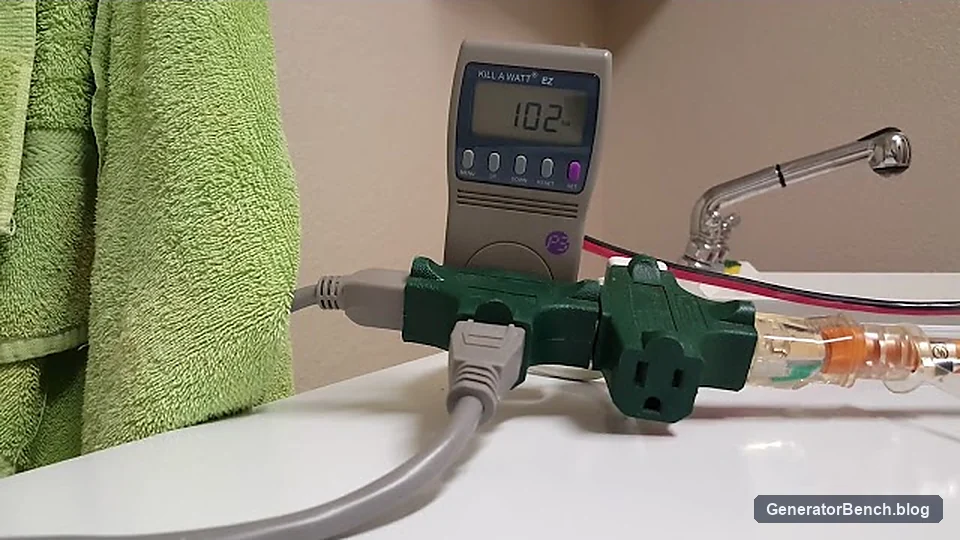
Balancing continuous running loads against sudden motor surges forms the foundation of generator sizing, as outlined in our best indoor generator for refrigerator review. Units rated solely for running watts will trip breakers instantly.
Compressor induction motors demand a massive instantaneous electrical rush when the thermostat calls for cooling. Engineers call this phenomenon locked rotor amperage or starting surge demand.
Standard top-freezer refrigerators consume roughly four hundred running watts during normal cooling cycles. However, their startup requirements routinely spike up to twelve hundred watts.
Always size your emergency power source according to the highest starting surge requirement. This guarantees seamless motor engagement without dimming lights or straining engine components.
- Add running wattage and starting surge values separately during planning.
- Consult manufacturer documentation for exact compressor motor characteristics.
- Never connect inductive loads exceeding rated surge capacities.
- Factor in auxiliary features like defrost heaters and icemakers.
Managing Defrost Cycle Overlaps
Automatic defrost heaters activate periodically, adding a significant resistive load to the electrical circuit. These heaters often draw between five hundred and eight hundred watts independently.
If a defrost cycle initiates while the compressor starts, total power demands skyrocket.
- Include resistive defrost element wattage in total calculations.
- Allow headroom for overlapping electrical cycles during outages.
Video Walkthrough: Fridge Backup Power - What Size Power Station Is Enough?
Evaluating Compressor Types And Inverter Options
Modern refrigerators increasingly utilize variable-speed linear compressors rather than traditional single-speed induction motors. These advanced components demand exceptionally clean electrical power to prevent control board damage.

Traditional open-frame portable generators produce total harmonic distortion that can fry sensitive appliance microprocessors. Inverter generators utilize onboard electronics to produce pure sine wave electricity.
Pure sine wave output mimics standard utility grid power, protecting expensive digital display panels. Before choosing a unit, consult our interactive generator wattage sizing calculator to match proper running loads securely.
Inverter units also adjust engine speed dynamically based on actual electrical load demands. This modulation reduces fuel consumption and lowers acoustic output significantly during operation.
- Prioritize pure sine wave output for digital appliance control boards.
- Compare total harmonic distortion ratings before purchasing backup equipment.
- Consider variable-speed inverter models for superior fuel efficiency.
- Protect sensitive inverter electronics from harsh outdoor weather conditions.
Protecting Sensitive Digital Control Boards
Contemporary refrigerators feature complex computer motherboards managing temperatures and airflow dampers. Dirty electrical power generates voltage spikes that permanently ruin these delicate semiconductor components.
Always verify that your backup power source maintains low harmonic distortion levels.
- Keep THD levels below five percent for safety.
- Use surge-protected connection paths for added equipment defense.
Safety Standards And Proper Grounding Practices
Operating portable power equipment requires strict adherence to electrical safety standards and grounding protocols. Never run internal combustion engines inside enclosed spaces due to deadly carbon monoxide accumulation.
Position the generator at least twenty feet away from windows, doors, and fresh air intakes. Exhaust gases contain colorless and odorless toxins that pose severe health hazards.
Proper earth grounding prevents electrical shock hazards when powering household appliances via extension cords. Drive a copper grounding rod into the soil and attach a dedicated wire securely.
Always inspect power cords for frayed insulation, exposed copper strands, or damaged plug prongs. Utilizing damaged cabling introduces immediate fire risks and potential electrocution hazards.
- Maintain a minimum twenty-foot distance from residential living spaces.
- Install battery-operated carbon monoxide detectors inside your home.
- Verify proper earth grounding according to local electrical codes.
- Inspect all power cords for physical damage before connection.
Mitigating Carbon Monoxide Poisoning Risks
Carbon monoxide buildup is a leading cause of generator-related fatalities during storm emergencies. Educate all household members regarding the early physical symptoms of gas exposure.
Never operate equipment in garages or carports with doors partially open.
- Test carbon monoxide alarms before starting emergency procedures.
- Ensure exhaust points away from neighboring properties.
Cord Selection And Interlock Switch Integration
Connecting your refrigerator safely involves choosing heavy-duty extension cords matched to amperage draws. Undersized cords experience severe voltage drops, causing refrigerator compressor motors to overheat and fail.
Utilize heavy-gauge copper extension cords rated for outdoor use during temporary outages. For permanent home backup solutions, install a transfer switch or mechanical interlock device.
Transfer switches isolate your home electrical wiring from the utility grid safely. This prevents hazardous backfeeding that can injure utility workers repairing downed power lines.
Hardwiring your refrigerator through a dedicated transfer switch eliminates reliance on extension cords entirely. Consult a licensed electrician to ensure compliant installation of any mechanical interlock.
- Select twelve-gauge or ten-gauge copper cords for longer runs.
- Install listed transfer switches to prevent dangerous electrical backfeed.
- Never daisy-chain multiple extension cords together during operation.
- Protect cord connections from standing water and rain exposure.
Preventing Dangerous Utility Line Backfeed
Backfeeding occurs when backup generators energize dead local utility distribution lines improperly. This illegal practice creates extreme electrocution hazards for utility personnel working nearby.
Always utilize approved transfer equipment to maintain complete electrical isolation.
- Verify manual transfer switch operation before energizing circuits.
- Comply with local utility interconnection rules and safety guidelines.
Video Walkthrough: What is your budget
Fuel Types And Runtime Management Strategies
Maintaining a reliable fuel supply is essential for your setup, detailed in our best portable generator for refrigerator selection. Gasoline, propane, and natural gas represent the primary fuel choices.
Gasoline offers high energy density but degrades quickly and gums up carburetor jets. Store gasoline in certified containers treated with a chemical fuel stabilizer to ensure longevity.
Propane provides indefinite shelf life and burns cleanly, reducing routine carburetor maintenance requirements. However, propane yields slightly lower engine power outputs compared to liquid gasoline.
Calculate your expected hourly fuel consumption to plan adequate storage reserves ahead. Having sufficient fuel ensures your perishable food items remain safely refrigerated throughout emergencies.
- Treat stored gasoline with chemical stabilizers to prevent degradation.
- Store fuel containers in code-compliant exterior sheds away from living areas.
- Calculate hourly consumption rates to maintain adequate reserve supplies.
- Inspect fuel lines regularly for signs of cracking or leaks.
Storing Emergency Fuel Reserves Safely
Proper fuel storage prevents accidental fires and hazardous vapor accumulations around your property. Keep containers away from ignition sources like water heaters and pilot lights.
Rotate stored fuel inventories periodically to maintain peak engine combustion efficiency.
- Use red safety cans exclusively for gasoline storage.
- Keep storage areas well-ventilated and shaded from direct sunlight.
Routine Maintenance For Reliable Emergency Power
Regular preventative maintenance ensures your generator starts instantly when grid power fails unexpectedly. Check engine oil levels before every single use to prevent catastrophic internal wear.
Change the engine oil and clean the air filter annually or after one hundred operating hours. Old oil loses its lubricating properties under heavy electrical loads.
Test run your generator monthly under a moderate load to keep carburetor jets clear. Letting equipment sit dormant with untreated fuel guarantees starting failures during storms.
Inspect spark plugs periodically for carbon fouling and correct electrode gap settings. Keeping replacement maintenance parts on hand prevents extended downtime during emergencies.
- Check engine oil levels prior to every operational startup.
- Perform monthly test runs under a simulated electrical load.
- Replace clogged air filters and fouled spark plugs annually.
- Drain fuel bowls completely if storing equipment for extended seasons.
Executing Monthly Test Run Procedures
Monthly testing verifies that mechanical components and electrical windings remain fully functional. Connect a standard space heater or similar load to confirm proper power output.
Run the engine for at least twenty minutes to bring all components to operating temperature.
- Apply a moderate electrical load during testing sessions.
- Allow the engine to cool completely before storing it away.
Frequently Asked Questions
Will a 1000-watt generator run a standard kitchen refrigerator?
A one-thousand-watt unit can power most refrigerators if its starting surge stays under limits. Always verify your specific model's compressor starting wattage requirements before connecting.
Why do refrigerator motors require such high starting wattages?
Induction motors need extra electrical torque to overcome internal mechanical inertia instantly. This temporary current surge lasts for a few seconds before settling down.
Can I use a standard extension cord to power my refrigerator?
You must use heavy-duty twelve-gauge copper extension cords rated for outdoor applications. Thin cords cause voltage drops that can overheat and ruin appliance motors.
Are inverter generators safer for modern refrigerators than standard units?
Inverter generators produce pure sine wave electricity with very low total harmonic distortion. This clean power protects sensitive computer control boards from permanent electrical damage.
How often should I test run my emergency backup generator?
Perform a monthly test run under a moderate electrical load for twenty minutes. This routine prevents carburetor varnish buildup and ensures reliable starting during storms.