Onan Diesel Generator Won T Start: Diagnostic Guide
Master complex Onan diesel troubleshooting procedures using professional diagnostic methods. Restore reliable engine cranking and fuel delivery today.

When your Onan diesel generator won t start, systematically check battery voltage, fuel solenoid operation, and pre-heat circuit continuity before attempting major component replacements.
Looking for matching picks? See our Best Diesel Generator.
Practical Quick-Reference Table
| Scenario / Metric | Recommended Target | Why It Matters |
|---|---|---|
| Starting Battery Voltage | 12.6V to 14.2V DC | Ensures adequate cranking RPM and ECM power. |
| Fuel Lift Pump Pressure | 4.0 to 6.0 PSI | Confirms adequate fuel delivery to injection pump. |
| Glow Plug Resistance | 0.6 to 1.8 Ohms | Verifies proper pre-heat thermal energy generation. |
| Crankcase Oil Level | Between Add and Full | Prevents low-oil safety shutdown trips. |
| Air Filter Restriction | Under 20 inches H2O | Ensures correct stoichiometric combustion airflow. |
| Remote Network Voltage | 12V DC auxiliary bus | Maintains stable digital interface connectivity. |
Documentation Index And Technical Manual Verification
Consulting the official factory service manual remains the crucial first step when diagnosing stubborn ignition failures. Verify exact model specifications before testing electrical harnesses.
Reviewing electrical schematics helps isolate common failure points across various control boards. Consult our detailed diesel generator vs gas generator comparison to verify your specific hardware specifications correctly.
Engine control modules require precise input signals to initiate the starting sequence. Reviewing error code flash sequences provides immediate insight into internal fault conditions.
Documenting historical maintenance logs reveals recurring fuel filter blockages or electrical ground corrosion issues. Keeping accurate records accelerates systematic fault isolation across complex systems.
- Locate the exact model and specification number plate.
- Download manufacturer wiring diagrams matching your serial range.
- Note all active blink codes on the control switch.
- Verify firmware versions on digital monitoring modules.
Accessing Technical Data Sheets
Technical data sheets outline exact terminal pinouts for the main control harness. Use a digital multimeter to verify continuity across critical safety circuits.
Always disconnect the negative battery cable before probing sensitive electronic control modules to prevent accidental short circuits and expensive component damage.
- Check pin 12 for switched ignition power.
- Verify ground continuity at the main chassis stud.
System Requirements For Proper Diesel Combustion
Diesel engines require three fundamental elements to operate successfully. Check our diesel generator vs propane generator comparison to evaluate fuel efficiency, compression ratios, and reliable ignition sources.
Verify that ambient temperatures match fuel grade specifications to prevent paraffin waxing inside fuel lines. Winter-blend diesel prevents filter plugging during cold weather operation.
Examine the combustion chamber for carbon buildup that might impair compression ratios. Low compression pressures prevent the diesel fuel from auto-igniting during cranking.
Ensure the fuel shutoff solenoid receives consistent battery voltage during the entire cranking cycle. Intermittent power drops cause the valve to close prematurely.
- Check fuel tank quality and check for water contamination.
- Verify cylinder compression using a specialized diesel gauge.
- Inspect fuel return lines for internal restrictions.
- Test fuel injection pump timing against factory marks.
Fuel System Flow Verification
Disconnect the fuel line downstream of the lift pump to verify pump output pressure. A weak pump starves the high-pressure injection system of necessary diesel volume.
Replace primary and secondary fuel filters annually to prevent micro-contaminants from blocking precision injector nozzles. Bleed the fuel system thoroughly after filter replacement.
- Measure lift pump flow rate into an external container.
- Inspect clear tubing for trapped air bubbles.
Video Walkthrough: Search filters
Platform Compatibility And Control Interface Integration
Modern Onan generators integrate with RV-C and multiplexed vehicle networks to share operational data. Network communication errors can disable starting capabilities entirely.
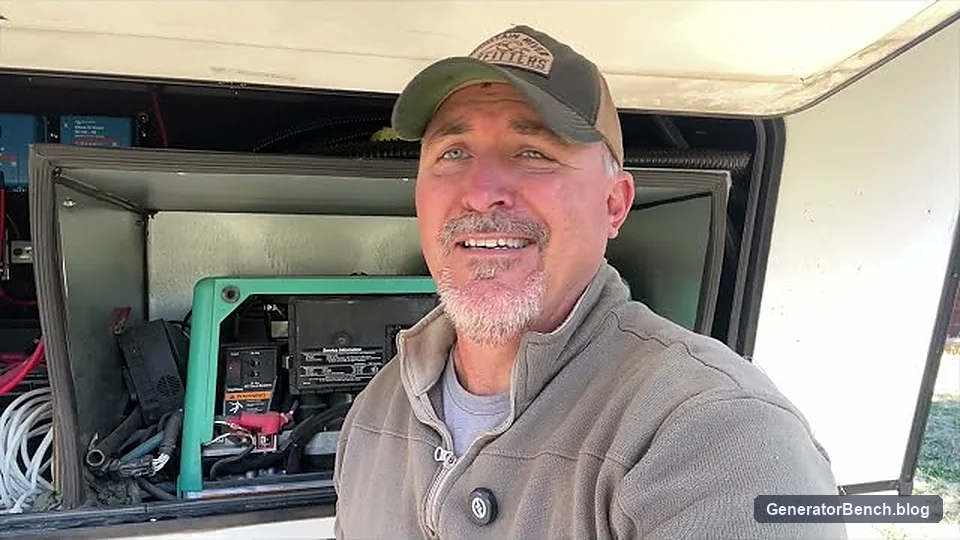
Inspect communication wiring harnesses for chafing, water intrusion, or loose terminal pins. Review our best diesel generator guide to understand how robust data networks enhance mobile power reliability.
Verify that the remote harness plug is securely locked into the control board receptacle. Vibrations often loosen multi-pin connectors over years of mobile operation.
Some advanced installations require specific software handshakes before the starter relay engages. Review network gateway configurations if manual starts fail completely.
- Inspect communication bus termination resistors for correct resistance.
- Check for CAN-bus error codes on the main dashboard.
- Verify software compatibility between remote panels and control boards.
- Disconnect auxiliary automation systems during manual troubleshooting.
Remote Connectivity And Panel Diagnostics
Test remote start switch continuity using a digital multimeter set to resistance mode. Faulty switches send corrupted signals to the main generator control board.
Inspect wire splices along the extended harness run for corrosion caused by road salt or moisture exposure. Clean and seal all electrical connections properly.
- Measure voltage drop across remote harness wires.
- Bypass the remote switch temporarily with a direct jumper.
Battery Voltage And Starting System Power Delivery
Low cranking voltage is the leading cause of starting failure in mobile diesel generators. Measure battery terminals directly with a digital multimeter during cranking.
Inspect heavy-gauge battery cables for internal corrosion, loose terminals, or high resistance. Corroded cables drop vital voltage before reaching the starter motor.
Verify that chassis and engine grounding straps remain clean and tightly bolted. Poor grounding restricts the massive electrical current required by starter motors.
Test the starter solenoid for internal contact welding or burnt windings. A clicking sound without engine rotation usually indicates a failed starter solenoid.
- Clean battery terminals with a wire brush until bright.
- Perform a voltage drop test on positive and negative cables.
- Charge auxiliary batteries fully before diagnostic testing.
- Inspect starter motor brushes for excessive wear.
Starter Motor Circuit Diagnostics
Apply 12V DC directly to the starter solenoid trigger terminal to test motor engagement. If the starter spins, the fault lies in the upstream control wiring.
Check the main starter fuse or fusible link for thermal fatigue. Replace blown fuses only with identical amperage ratings specified by the manufacturer.
- Check starter relay coil resistance values.
- Inspect heavy copper starter lugs for discoloration.
Air Intake And Exhaust Flow Restriction Analysis
Restricted airflow starves the diesel engine of oxygen necessary for combustion. Inspect the primary air filter element for dust packing, rodent nests, or moisture.
Exhaust system blockages create excessive backpressure that prevents the engine from achieving proper RPM. Inspect muffler outlets for debris, mud, or insect nests.
Check the intake ducting for collapsed flexible hoses or loose clamp connections. Unmetered air leaks disrupt turbocharger performance and engine breathing.
Verify that the crankcase breather system remains clear and unobstructed. Excessive crankcase pressure forces oil past seals and disrupts normal engine operation.
- Tap out loose dirt from paper air filter elements.
- Inspect exhaust pipe interiors with an inspection camera.
- Verify turbocharger turbine spins freely by hand.
- Check intake manifold gasket sealing surfaces.
Combustion Air Pressure Testing
Connect a differential pressure gauge across the air filter housing to measure restriction. Readings exceeding manufacturer limits demand immediate filter replacement.
Inspect turbocharger compressor blades for foreign object damage or oil film accumulation indicating bearing wear. Clean damaged compressor wheels carefully.
- Measure intake vacuum during cranking attempts.
- Check intercooler piping for oil pooling.
Glow Plug And Pre-Heat Circuit Electrical Testing
Diesel engines rely on glow plugs to heat combustion chambers during cold starts. A single failed glow plug makes starting difficult in moderate weather.
Disconnect the electrical bus bar from the glow plugs and measure individual resistance. Healthy plugs typically show very low resistance values.
Test the glow plug relay to ensure it switches full battery voltage to the plugs during the pre-heat cycle. Listen for the audible click.
Inspect the control board timing circuit to verify the pre-heat duration matches ambient temperature sensor inputs. Faulty sensors shorten pre-heat times.
- Replace all glow plugs if multiple units show high resistance.
- Verify heavy-duty relay contacts are not pitted or burnt.
- Check pre-heat fuse integrity in the main distribution box.
- Clean terminal studs connecting the glow plug bus bar.
Pre-Heat Relay Power Verification
Measure voltage at the glow plug tip while the pre-heat cycle activates on the control panel. Low voltage indicates high resistance in supply wiring.
Inspect fusible links protecting the pre-heat circuit for thermal damage. Replace damaged wiring harnesses to restore proper heating capability.
- Test control signal voltage at the relay coil.
- Check ground wire continuity for the relay circuit.
Accessibility And Component Inspection Protocols
Service access doors on mobile generators often require special keys or tools to open safely. Ensure adequate workspace before beginning deep diagnostic procedures.
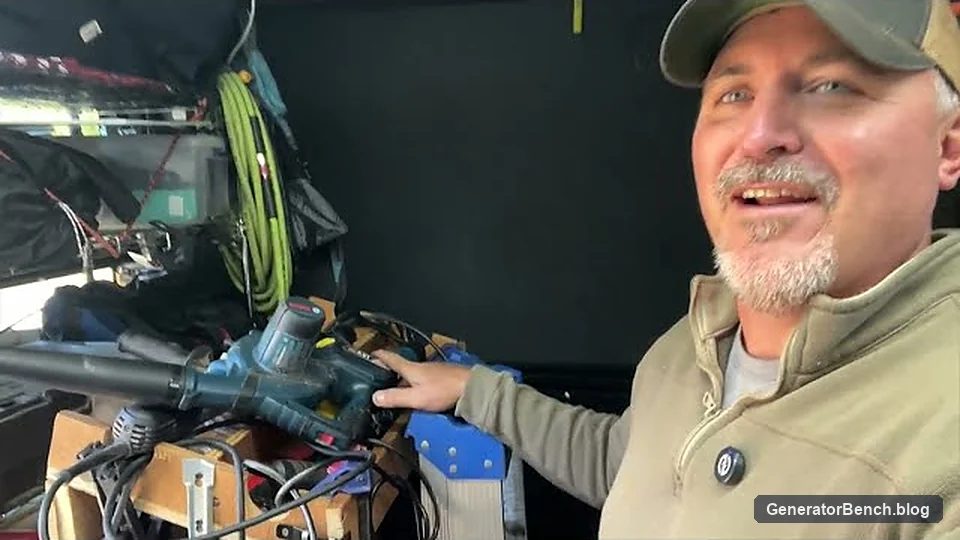
Clear away accumulated road grime, oil residue, and debris from around the engine block. Clean work areas prevent contaminants from entering open fuel systems.
Use high-intensity inspection lights to check hidden areas behind the generator housing. Consult our generator wattage sizing calculator to determine proper electrical loads before reconnecting heavy equipment safely.
Observe strict safety precautions when working around hot exhaust components and rotating belts. Disconnect all power sources before touching wiring.
- Wear protective safety glasses and heavy shop gloves.
- Keep a certified chemical fire extinguisher nearby during testing.
- Secure loose clothing before working near cooling fans.
- Mark wire locations with tape before disassembly.
Physical Mounting And Hardware Checks
Inspect generator rubber isolation mounts for cracking, sagging, or complete structural failure. Failed mounts allow excessive engine movement and wire strain.
Check all mounting bolts securing the generator housing to the vehicle frame. Tighten loose hardware to factory torque specifications to reduce vibration.
- Inspect vibration damper condition visually.
- Check grounding strap hardware tightness.
Frequently Asked Questions
Why does my Onan diesel generator crank but fail to catch?
This usually indicates a fuel starvation issue or a failed glow plug pre-heat circuit. Check lift pump pressure and verify fuel shutoff solenoid operation.
How do I check Onan diesel glow plugs for proper operation?
Disconnect the power bus bar and measure each plug's resistance using a multimeter. Healthy plugs show low electrical resistance, while open circuits require immediate replacement.
What causes an Onan diesel generator to click repeatedly without cranking?
Repeated clicking stems from low battery voltage or poor cable connections. Clean the battery terminals and perform a voltage drop test during cranking.
How often should Onan diesel fuel filters be replaced?
Replace primary and secondary fuel filters annually or every two hundred operating hours. Regular replacement prevents micro-contaminants from blocking injection nozzles.
Can a bad remote switch prevent the generator from starting locally?
Yes, a damaged remote switch or corrupted network bus can lock out local controls. Disconnect the remote harness temporarily to test manual startup capability.