Natural Gas Generator Fuel Consumption Chart Data
Accurate fuel consumption data ensures reliable emergency backup power. Proper sizing prevents unexpected engine stalls during peak electrical loads.


Always evaluate your peak connected electrical loads against certified consumption charts before finalizing gas line pipe diameters.
Looking for matching picks? See our Best Natural Gas Standby Generator.
Practical Quick-Reference Table
| Scenario / Metric | Recommended Target | Why It Matters |
|---|---|---|
| 20 kW Standby Load | approx. 240 cu ft/hr | Prevents utility starvation |
| 50 kW Commercial Load | approx. 580 cu ft/hr | Ensures stable frequency |
| 100 kW Heavy Unit | approx. 1150 cu ft/hr | Maintains thermal balance |
| Delivery Pressure | 7 to 11 inches W.C. | Protects sensitive regulators |
| Pipeline Sizing | Minimum 1.25 inch ID | Avoids severe pressure drops |
| Altitude Correction | 3 percent per 1000 ft | Compensates for thin air |
Understanding BTU Ratings and Volumetric Flow
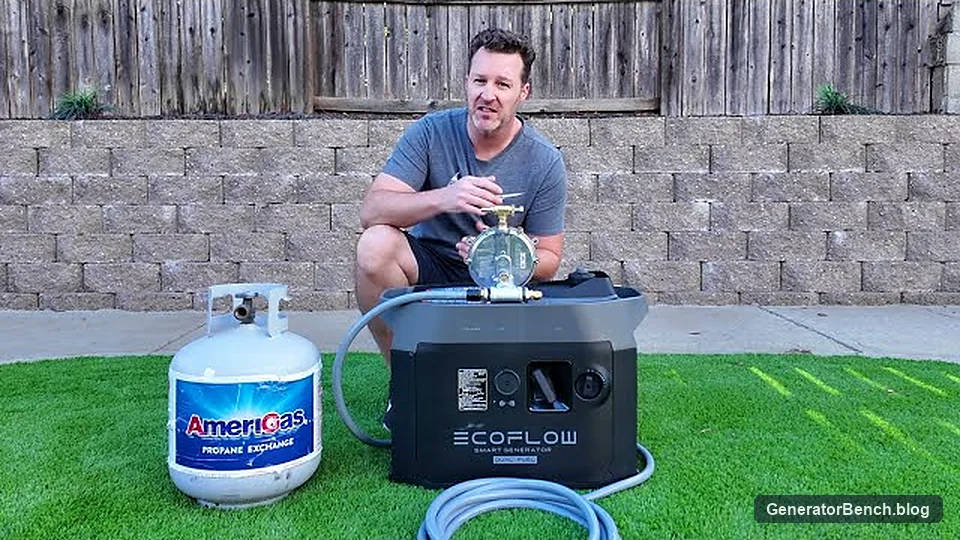
Natural gas units rely heavily on specific British Thermal Units per cubic foot measurements to calculate exact fuel demands. Standard pipeline gas typically delivers roughly one thousand BTUs per cubic foot of volume.
Operating large standby engines requires translating electrical kilowatt output into cubic feet per hour measurements. Reviewing manufacturer data helps technicians match fuel supply infrastructure with maximum engine demands efficiently.
Standardizing your fuel calculations prevents severe pressure drops across long distribution lines during heavy load events. Proper engineering ensures adequate fuel volume reaches the carburetor without starving the combustion chambers.
Engine displacement directly influences how fast a generator consumes gaseous fuel under varying electrical loads. Larger displacement blocks require higher volumetric flow rates to maintain stable frequency and voltage output.
Natural gas energy content typically averages 1,000 BTUs per standard cubic foot, though regional utility pipeline quality frequently fluctuates between 950 and 1,100 BTUs depending on local extraction sources.
Calculating volumetric flow requires dividing total generator input requirements by the local heat value, ensuring your supply pipes deliver sufficient cubic feet per hour under maximum electrical load conditions.
When winter temperatures drop, review propane vs gas generator fuel consumption data to see how engines open demand valves wider, directly increasing your total hourly volumetric consumption.
Technicians must verify meter capacities match combined household demands, because running a backup generator alongside standard residential appliances easily exceeds standard 500-class residential meter limits without prior upgrades.
- Calculate exact BTU content of local utility supply.
- Convert kilowatt ratings to standard cubic feet per hour.
- Verify maximum hourly fuel demand at full electrical load.
- Inspect regulator sizing for adequate downstream pressure delivery.
Volumetric Conversion Formulas
Converting electrical output requires dividing total BTU requirements by the specific energy density of your gas supply. This calculation yields the exact hourly volume needed for operation.
Technicians must account for volumetric expansion and temperature variations when calculating delivery requirements across extended pipe runs. Precision math eliminates costly under-sizing errors.
- Divide total BTU requirement by local gas energy density.
- Apply temperature correction factors for cold weather operation.
Reading Load Profiles Against Consumption Curves
Generator fuel consumption scales non-linearly across quarter, half, three-quarter, and full electrical load increments. Analyzing your facility demand profile reveals the exact fuel consumption expected during outages.
At twenty-five percent capacity, stationary engines operate with lower thermal efficiency compared to fifty or seventy-five percent loads. Monitoring these intermediate thresholds helps facility managers estimate accurate runtime reserves.
Sudden block loads cause temporary surges in fuel demand that standard meters might struggle to register. Technicians must factor these transient spikes into overall supply line engineering specifications.
Reviewing empirical consumption curves allows operators to predict fuel expenses during extended emergency grid outages. Accurate forecasting prevents unexpected fuel shortages when utility power fails completely.
Generator fuel consumption rarely scales in a linear fashion, meaning a unit running at fifty percent load consumes significantly more than half the fuel used at full capacity.
Using our wattage sizing calculator helps analyze manufacturer efficiency curves, highlighting why proper generator sizing prevents massive energy waste when running under extended utility outages.
Transient motor starting spikes force electronic governors to rapidly inject fuel, causing temporary consumption surges that standard flow meters miss unless logging data at high sampling frequencies.
Comparing resistive loads like heating elements against inductive loads like air compressor motors demonstrates how power factor degradation forces engines to consume more fuel per kilowatt-hour of electricity delivered.
- Plot facility electrical load against manufacturer efficiency curves.
- Account for transient motor starting surges in calculations.
- Evaluate quarter-load versus full-load consumption metrics.
- Monitor fuel meter response times during rapid load shifts.
Video Walkthrough: Generator Fuel Efficiency: Gas consumption at 50% Vs. 100% load
Pipeline Pressure Requirements and Delivery Rates
Gaseous generators demand specific inlet pressures to function correctly under maximum electrical loads. Low supply pressure starves the internal fuel mixer, leading to severe voltage and frequency drops.
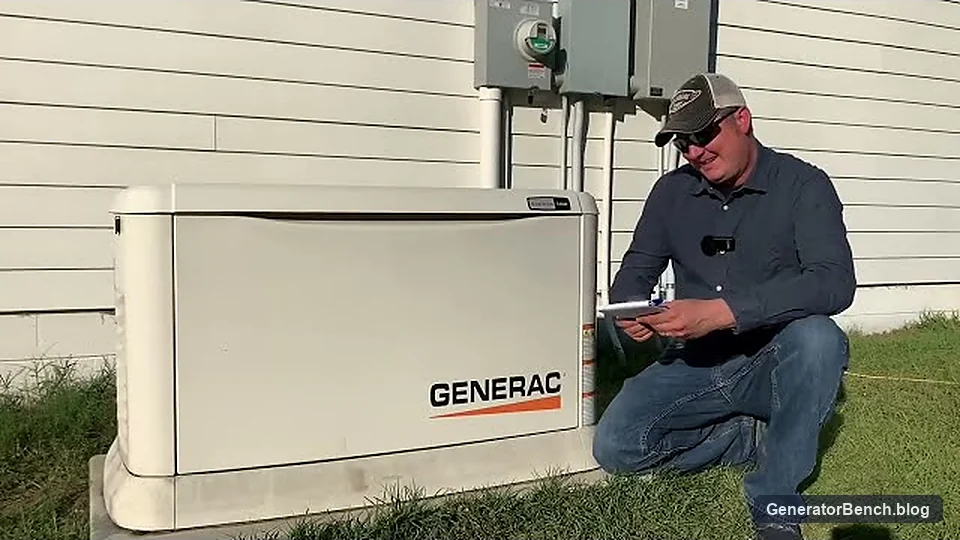
When selecting the best natural gas standby generator, note that most units require standard delivery pressures ranging between seven and eleven inches of water column for safe operation.
Undersized supply piping creates internal friction that starves the engine during high-demand operation. Installing adequately sized iron or polyethylene gas lines eliminates dangerous pressure starvation risks.
Pressure testing the entire supply run before final connection ensures compliance with local gas safety codes. Technicians should verify static and dynamic pressures with specialized manometers.
Most stationary natural gas generators require an inlet supply pressure between 7 to 11 inches of water column, which translates to roughly four to six ounces per square inch.
Undersized gas supply piping introduces severe pressure drops over long distances, starving the carburetor of necessary volume and causing engine stalling during heavy motor starting events.
Installing dedicated gas lines sized according to total connected load prevents starvation, requiring schedule forty black iron pipe with minimal fittings to reduce friction loss coefficients.
Secondary pressure regulators positioned immediately before the generator inlet must be adjusted carefully to stabilize pressure fluctuations before fuel enters the internal engine demand regulator assembly.
- Measure static and dynamic gas pressure under full load.
- Verify primary and secondary regulator lockup pressures.
- Inspect pipe interior diameters for restrictions or debris.
- Comply with local utility gas installation regulations.
Ambient Temperature and Altitude Impact Factors
Extreme environmental temperatures alter the density and energy content of gaseous fuel entering the combustion chamber. Cold winter conditions require careful monitoring of vaporization and regulator performance.
High altitude installations suffer from reduced atmospheric oxygen density, which degrades overall engine power output. Derating the generator prevents overloading the engine block at elevated geographical sites.
Manufacturers provide specific derating percentages for every thousand feet above sea level on technical data sheets. Factoring these environmental variables ensures your fuel consumption calculations remain accurate.
Ventilation design around the enclosure directly affects operating temperatures and overall volumetric efficiency. Proper airflow prevents heat soak issues that degrade long-term engine reliability.
High ambient operating temperatures decrease atmospheric air density, forcing internal combustion engines to burn richer mixtures and consume more fuel to generate identical net horsepower output.
Operating at elevated geographic altitudes requires mandatory engine derating, typically losing three percent capacity for every one thousand feet gained above mean sea level thresholds.
While derating lowers overall fuel consumption due to restricted maximum power output, it simultaneously reduces the electrical reserve margin available for running heavy inductive motorized loads.
Choosing the best natural gas generator for whole house use matters because extreme winter cold can drop distribution pressures, making it vital to monitor local network reliability during severe weather events.
- Apply altitude derating formulas to total kW capacity.
- Monitor ambient temperature extremes near gas regulators.
- Ensure adequate enclosure ventilation for heat dissipation.
- Adjust air-fuel ratios for varying atmospheric densities.
Mechanical Efficiency and Engine Sizing Metrics
Modern spark-ignited engines utilize advanced electronic management systems to optimize air-fuel ratios continuously. This precise metering maximizes mechanical efficiency and reduces total hourly fuel consumption.
Over-sizing a backup generator leads to excessive fuel waste and potential carbon buildup from low-load operation. Selecting a properly matched unit preserves fuel economy and extends engine lifespan.
Variable speed inverter technology allows some modern gas generators to adjust engine RPM based on load. Lower engine speeds during partial loads dramatically reduce overall fuel consumption rates.
Regularly checking valve lash and ignition timing maintains peak mechanical efficiency across thousands of operating hours. Well-maintained engines consume significantly less fuel than neglected machinery.
Modern stoichiometric industrial engines utilize advanced closed-loop fuel control systems with oxygen sensors to optimize combustion efficiency, minimizing wasted gas across varying electrical load profiles.
Selecting a specific engine displacement that matches peak household demand without excessive over-sizing prevents glaze-forming cylinder wall temperatures and reduces unnecessary baseline hourly fuel consumption rates.
Modern heavy-duty liquid-cooled generators maintain tighter thermal tolerances than standard air-cooled counterparts, translating directly into more consistent volumetric efficiency and highly predictable long-term fuel usage metrics.
Advanced variable speed inverter generators dynamically throttle internal engine rotational speeds to match current electrical draws, drastically cutting fuel consumption during light-load nighttime operational periods.
- Match generator capacity closely to actual facility demand.
- Inspect spark plugs and ignition coils during scheduled service.
- Verify electronic governor response times under varying loads.
- Track total operating hours against scheduled maintenance milestones.
Video Walkthrough: No problem
Field Installation and Safety Compliance Standards
Installing permanent natural gas backup systems requires strict adherence to national fuel gas codes. Professional technicians must verify shut-off valve locations and seismic safety requirements.
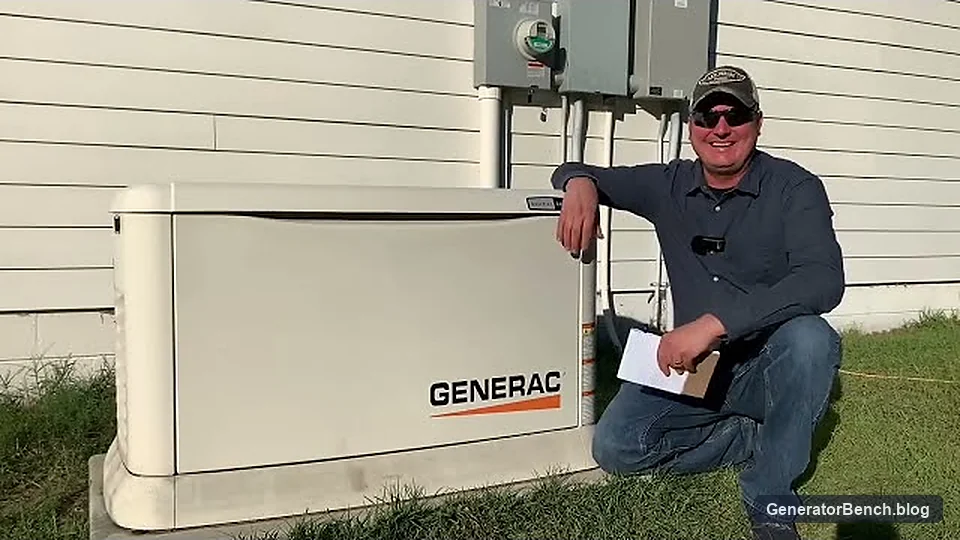
Flexible gas connectors isolate engine vibrations from rigid building piping to prevent fatigue cracks. Using approved stainless steel connectors protects against catastrophic gas leaks during operation.
Carbon monoxide detectors and automatic gas shut-off valves provide essential safety layers for enclosed installations. Testing these safety interlocks prevents hazardous gas accumulations inside utility rooms.
Routine leak checks using approved electronic detectors or bubble solutions protect personnel and property. Documenting these safety inspections ensures ongoing compliance with facility insurance policies.
National fuel gas codes mandate specific clearance distances between generator exhaust outlets and building openings, preventing lethal carbon monoxide from entering residential living space interiors.
Installing a manual or automatic gas shut-off valve within easy reach of the unit ensures emergency technicians can quickly isolate fuel supplies during fire hazard situations.
Flexible corrugated gas connector hoses must comply with stringent seismic and vibration standards, absorbing mechanical movement without transmitting fatigue stress to rigid main building piping.
Pressure testing newly installed natural gas lines with a calibrated test gauge confirms system integrity, verifying zero pressure decay over a required thirty minute duration.
- Install approved flexible vibration isolators on gas lines.
- Test all threaded and flanged joints for gas leaks.
- Position emergency manual shut-off valves accessibly.
- Integrate remote alarm notifications for low gas pressure.
Frequently Asked Questions
How do I calculate natural gas consumption for a standby generator?
Multiply the total electrical kilowatt output by manufacturer conversion factors found in official technical specifications. Always verify your local gas BTU content to ensure accurate hourly fuel estimations.
What pipe size is needed for a 50 kW natural gas generator?
Most commercial fifty kilowatt units require a minimum one-and-a-quarter inch gas supply line. Consult local engineering charts and pipe length tables to prevent dangerous pressure drops.
Does cold weather affect natural gas generator fuel consumption?
Extreme cold alters gas density and can cause regulator freezing issues in poorly insulated enclosures. Proper heating blankets and correct regulator sizing maintain steady fuel delivery rates.
Why does altitude change natural gas generator fuel requirements?
Thin air at higher elevations reduces engine volumetric efficiency and total available power output. Technicians must apply standard altitude derating formulas when calculating fuel demand.
What is the ideal delivery pressure for stationary gas generators?
Most systems require a stable inlet pressure between seven and eleven inches of water column. Using dedicated manometers helps technicians verify correct dynamic pressure under heavy loads.