How to winterize a portable generator safely
Proper off-season storage prevents fuel varnish and mechanical degradation. Follow these technical procedures to protect your equipment.

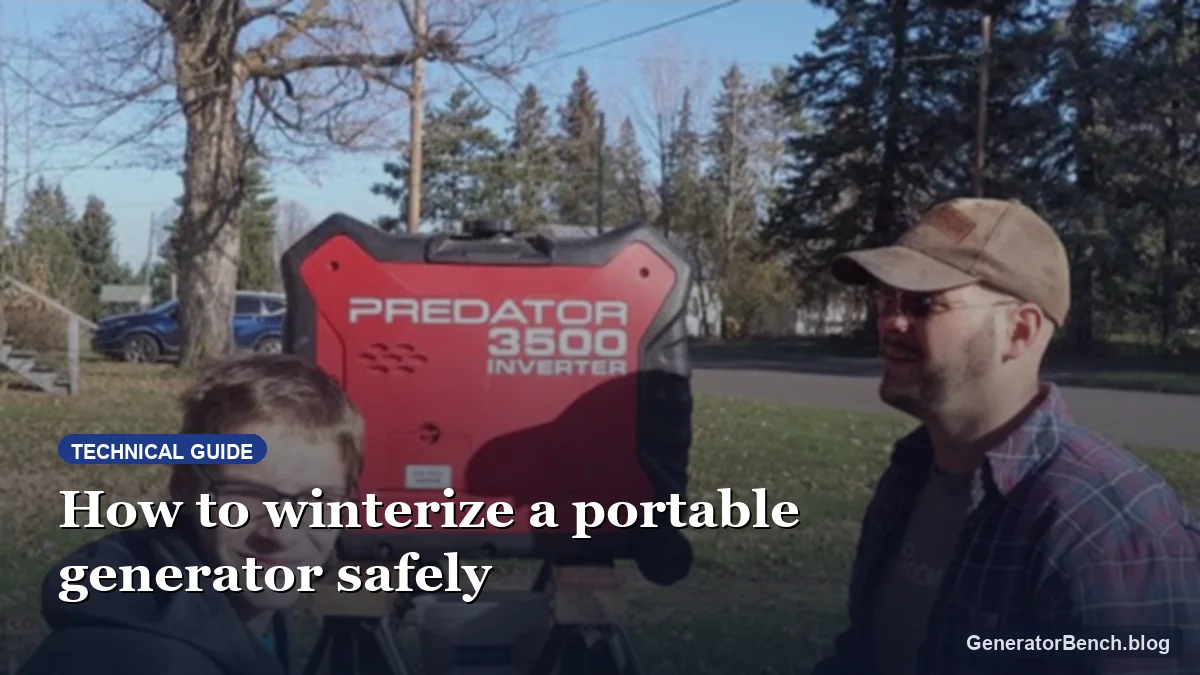
Complete fuel stabilization, internal oil protection, and battery disconnect ensure reliable starting next season. Always utilize a breathable fabric cover instead of a tight plastic tarp.
Looking for matching picks? See our Best Portable Electric Generator.
Practical Quick-Reference Table
| Scenario / Metric | Recommended Target | Why It Matters |
|---|---|---|
| Fuel Stabilization | 10-minute circulation | Prevents carburetor varnish |
| Cylinder Fogging | 2-second aerosol burst | Stops internal wall rust |
| Crankcase Oil | Fresh synthetic fill | Removes corrosive combustion acids |
| Battery Storage | Smart trickle charge | Maintains optimal voltage levels |
| Floor Clearance | Elevated on blocks | Blocks damp concrete moisture |
| Storage Cover | Breathable fabric | Prevents condensation buildup traps |
Fuel System Stabilization and Draining Procedures
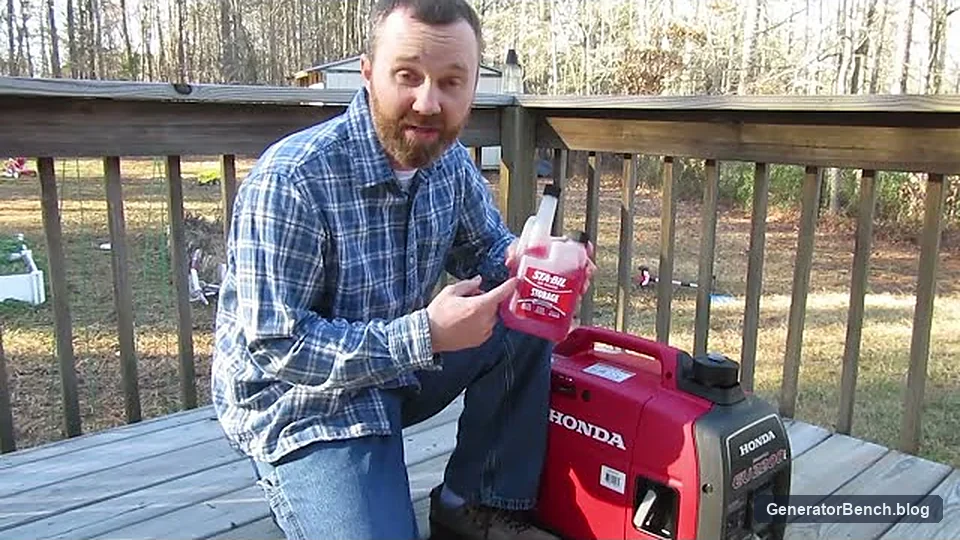
Modern gasoline degrades rapidly, forming sticky varnishes that clog carburetor jets within weeks. Adding a quality fuel stabilizer prevents this chemical breakdown before long-term storage begins.
Run your best portable generator for home backup for ten minutes after adding stabilizer to circulate treated fuel through every internal passage. This ensures complete carburetor protection.
Turn off the fuel valve and let the engine run until it starves for gasoline. Completely draining the remaining fuel eliminates explosive vapor risks inside your enclosed storage space.
For dual-fuel units, purge the propane regulator and disconnect the flexible supply hose. Store liquefied petroleum tanks outdoors in an approved rack away from direct sunlight and ignition sources.
- Use fresh ethanol-free fuel when possible
- Never store fuel in the onboard tank
- Clean the fuel sediment cup thoroughly
- Check fuel lines for micro-cracks
Engine Cylinder Fogging and Internal Protection
Unprotected cylinder walls develop rust over winter due to atmospheric moisture condensation. Spraying fogging oil directly into the spark plug hole coats these critical metal surfaces completely.
Remove the rubber spark plug boot and extract the plug using a calibrated socket wrench. Inspect the electrode gap for excessive wear, heavy carbon fouling, or thermal degradation signs.
Spray a two-second burst of aerosol fogging oil into the open combustion chamber. Gently pull the starter cord three times to distribute the protective lubricant across the cylinder walls.
Reinstall the spark plug loosely to prevent airborne debris or moisture from entering the engine. Never overtighten aluminum cylinder threads when reinstalling cold spark plugs during storage.
- Always use genuine fogging oil aerosols
- Avoid spraying excess oil past rings
- Inspect spark plug threads carefully
- Replace worn plugs immediately
Video Walkthrough: How to winterize or Store your generator!
Oil Change and Crankcase Maintenance Protocols
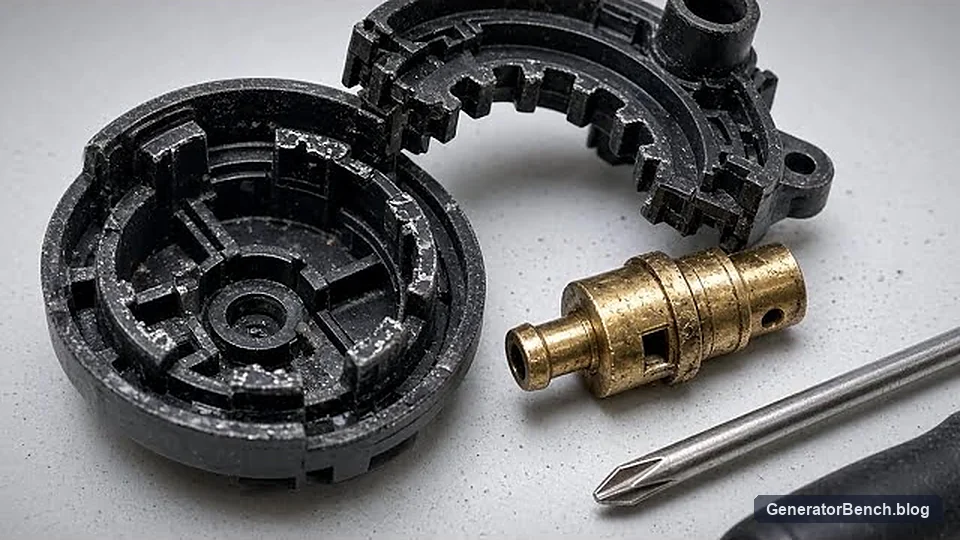
Combustion byproducts accumulate in engine oil, creating corrosive acids that pit internal bearings. Draining the crankcase before winter storage removes these harmful contaminants before they cause damage.
Run the generator briefly before checking our wattage sizing calculator guidelines to warm the oil, ensuring suspended particulates drain completely into a wide catch basin.
Refill the crankcase with fresh, manufacturer-recommended synthetic oil viscosity for your operating climate. Clean the exterior engine block to remove accumulated grime, dust, and grease deposits.
Tag the control panel clearly to remind yourself that fresh oil is already installed. This prevents unnecessary second-guessing during emergency spring startups when time is extremely critical.
- Match exact oil weight ratings
- Dispose of old oil responsibly
- Check drain plug washer condition
- Clean crankcase breather tubes
Battery Maintenance and Electrical System Storage
Electric start generators feature lead-acid or lithium batteries that discharge slowly during cold months. Disconnecting the negative battery terminal prevents parasitic electrical draws from draining reserve capacity.
Remove the battery entirely if your storage location experiences freezing sub-zero temperatures regularly. Store the unit in a temperature-controlled environment on a raised wooden or plastic platform.
Connect a smart trickle charger to maintain optimal voltage levels throughout the winter season. Avoid continuous high-amp chargers that can overheat and ruin modern sealed battery cells.
Inspect all exposed electrical terminals for signs of greenish corrosion or loose hardware. Apply a thin layer of dielectric grease to protect contacts from lingering moisture and oxidation.
- Keep batteries fully charged monthly
- Clean terminal posts with wire brush
- Verify fuse ratings in harness
- Secure battery retaining straps tightly
Environmental Protection and Storage Location Selection
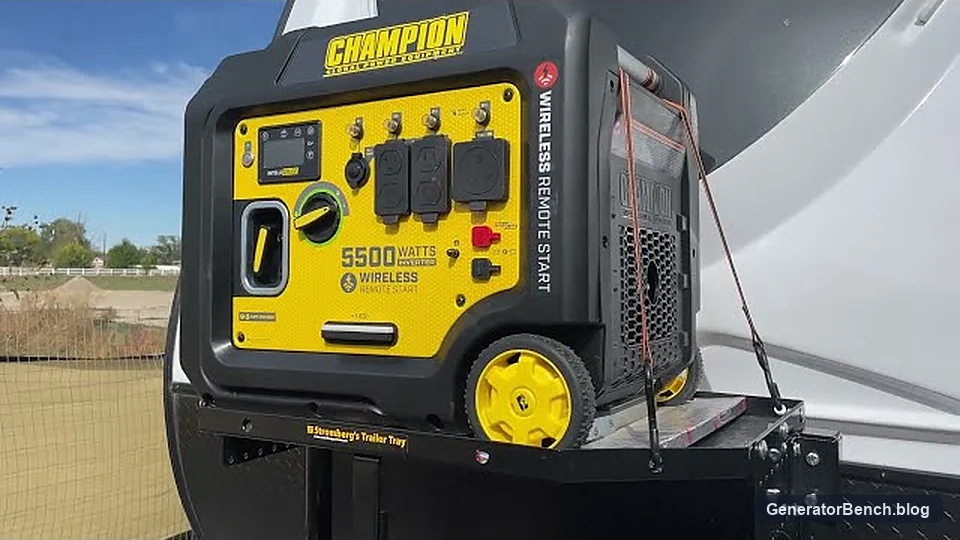
When choosing the best portable electric generator for emergency backup, proper storage prevents premature corrosion. Keep your machine inside a dry, well-ventilated shed or garage.
Never store your generator directly on a damp concrete floor without elevation blocks. Moisture wicks upward through porous concrete, accelerating frame rust and electrical winding degradation over time.
Invest in a heavy-duty, breathable fabric cover designed specifically for your frame dimensions. Avoid standard plastic tarps that trap condensation against hot metal components and cause rust.
Keep the equipment away from chemical storage areas containing fertilizers, swimming pool chlorine, or paints. These corrosive fumes attack copper windings and degrade rubber fuel lines rapidly.
- Elevate generators off concrete floors
- Maintain clearance from chemical fumes
- Use custom-fit breathable covers
- Avoid damp crawl space storage
Video Walkthrough: How To Winterize A Lawn Mower, Generator, Pressure Washer, Etc.
Pre-Storage Inspection and Hardware Tightening
Vibration from previous runtime loosens vital fasteners, bolts, and mounting brackets. Conduct a comprehensive hardware audit to tighten every visible nut, screw, and structural frame component securely.
Inspect the external exhaust muffler and spark arrestor screen for carbon buildup or tears. Clean the screen with a wire brush and reinstall it properly before closing up.
Check the air filter element for tears, oil saturation, or heavy dust accumulation. Wash foam filters in warm soapy water, dry them completely, and apply fresh filter oil.
Verify that all safety decals, warning labels, and control panel markings remain fully legible. Replace faded or peeling instructional stickers to maintain safe operating protocols for next season.
- Check muffler mounting bolts
- Clean or replace air filters
- Verify control panel legibility
- Inspect wheel and handle pins
Spring Recommissioning and Initial Startup Checks
Proper spring startup ensures your best portable solar power generator or gas unit performs reliably when grid power fails unexpectedly. Begin by removing the storage cover.
Check the engine oil level using the dipstick to confirm proper crankcase capacity. Reconnect the battery terminals and verify that all electrical breakers are in the off position.
Fill the fuel tank with fresh, high-octane gasoline mixed with a clean stabilizer. Open the fuel shutoff valve and check carefully around all fittings for potential leaks.
Pull the starter cord gently to verify smooth engine rotation before engaging the ignition. Start the unit outside and let it idle for five minutes before applying electrical loads.
- Inspect wiring for rodent chewed insulation
- Verify fuel lines remain supple
- Test circuit breakers manually
- Run unit with moderate load first
Frequently Asked Questions
Should I leave gas in my generator over winter?
Leaving untreated gasoline in the onboard fuel tank causes severe varnish buildup, blocked fuel lines, and clogged carburetor jets during long storage periods.
Always drain the system completely or run it dry with a quality stabilizer added beforehand to protect sensitive internal components effectively.
Can I store my generator outside under a plastic tarp?
Standard plastic tarps trap ambient moisture and condensation directly against hot metal components, which accelerates frame rust and electrical corrosion significantly. Always invest in a custom-fit breathable fabric cover and position the generator inside a dry, sheltered garage or shed.
Why is fogging oil necessary for small engines?
Unprotected cylinder walls develop destructive rust over winter due to atmospheric moisture condensation inside open combustion chambers. Spraying specialized fogging oil coats these critical metal surfaces completely to prevent pitting and ring damage during prolonged periods of inactivity.
How often should I check my stored generator battery?
Disconnected batteries should be inspected and tested monthly using a digital multimeter to verify adequate voltage reserves. Connecting a smart trickle charger maintains optimal health without risking overcharging or permanent cell degradation during cold winter months.
Is it necessary to change the oil before winter storage?
Combustion byproducts accumulate in used engine oil, creating corrosive acids that pit internal bearings and journal surfaces over time. Draining this contaminated fluid and refilling the crankcase with fresh oil ensures your engine remains fully protected throughout the off-season.