How to Winterize A Generator: Complete Cold-Storage Guide
Proper seasonal storage prevents catastrophic moisture damage and fuel varnish buildup in standby and portable power units. Following exact technical protocols ensures reliable emergency operation when subfreezing temperatures strike your region.

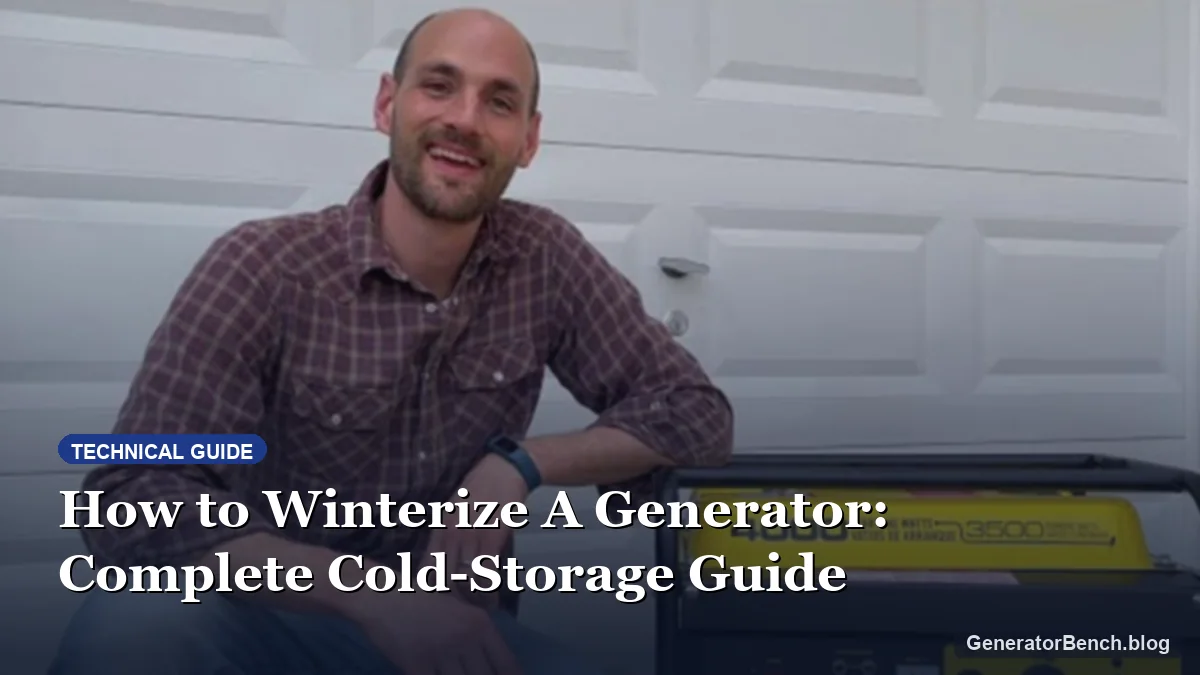
Always drain untreated gasoline or mix a fresh fuel stabilizer into the tank before running the engine for ten minutes. Disconnect the battery terminals and store them in a climate-controlled area.
Looking for matching picks? See our Best Portable Generator For Cold Weather.
Practical Quick-Reference Table
| Scenario / Metric | Recommended Target | Why It Matters |
|---|---|---|
| Fuel Storage Duration | Under 30 Days | Prevents minor varnish buildup inside jets |
| Fuel Treatment | 1 oz per Gallon | Stops ethanol phase separation damage |
| Cylinder Fogging | 1 Tablespoon Oil | Protects bore walls against rust pitting |
| Battery Storage | Indoor Trickle Charge | Prevents deep cell sulfation and freezing |
| Storage Humidity | Below 50 Percent | Stops electrical corrosion on control boards |
| Exhaust Sealing | Steel Wool & Cover | Blocks mice and nesting debris safely |
Assessing Freezing Temperatures and Moisture Hazards
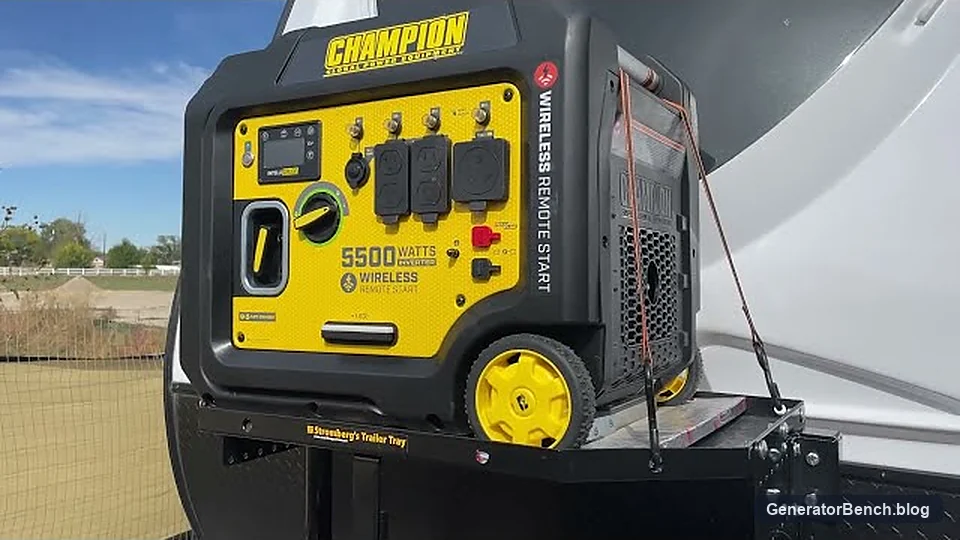
Subfreezing temperatures threaten portable and standby generators by freezing accumulated condensation within fuel lines. Moisture contamination leads to internal corrosion, ruining carburetors and rendering emergency equipment completely inoperable during critical storm outages.
Extreme cold also thickens crankcase oil, making manual pulls difficult before you verify runtime power requirements using our wattage sizing calculator. Prevent friction damage by using correct winter viscosity oils.
Temperature swings create condensation inside half-empty fuel tanks through normal thermal expansion cycles. Phase separation in ethanol-blended gasoline rapidly degrades rubber seals, gaskets, and precision metal jets.
Establishing a rigorous seasonal maintenance routine protects your substantial financial investment. Preventive care guarantees your backup power source remains dependable whenever unpredictable winter storms disrupt local utility grids.
- Inspect fuel lines for micro-cracks before winter storage.
- Keep spare spark plugs and replacement gaskets on hand.
- Verify garage humidity levels remain below fifty percent.
- Document all completed service dates in a maintenance log.
Environmental Factors in Unheated Sheds
Unheated outdoor sheds expose metal enclosures to extreme frost and humidity fluctuations. Corrosion inhibitors provide essential surface protection for exposed steel frames and fasteners.
Elevating equipment off concrete floors prevents ground moisture migration through the steel frame. Use thick rubber mats to insulate the base assembly from freezing sub-floor temperatures.
- Install heavy-duty wooden skids beneath heavy wheel kits.
- Seal all ventilation louvers against nesting rodents and debris.
Complete Fuel System Drainage and Chemical Stabilization
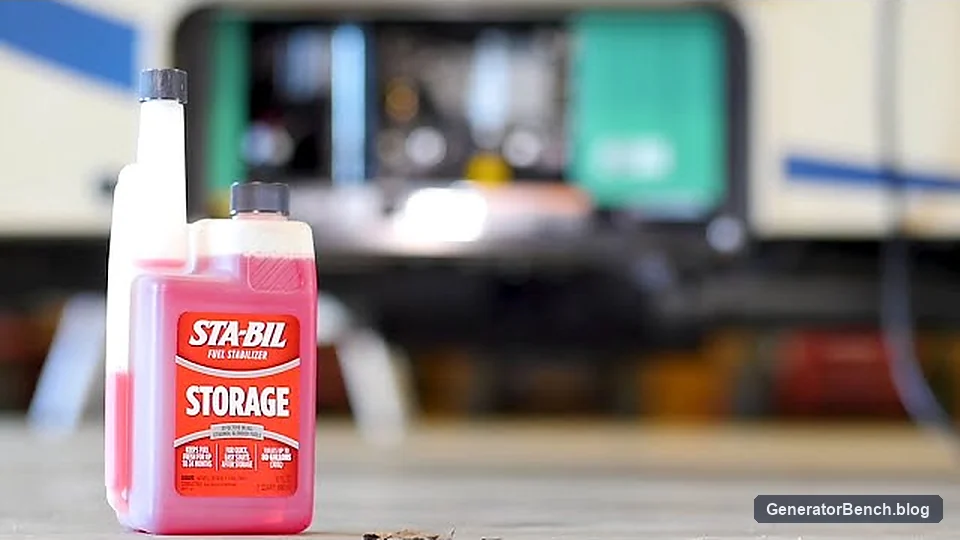
Modern ethanol-blended fuels attract moisture aggressively, forming corrosive acids within weeks of storage. Adding a quality stabilizer prevents varnish formation inside tiny carburetor jets and fuel passages.
Pour the exact manufacturer-recommended ratio of chemical stabilizer into a full fuel tank. Run the engine for ten minutes to circulate treated fuel through the entire delivery system.
For long-term seasonal storage, completely draining the fuel tank is vastly superior. Turn off the fuel valve and let the engine run until it stalls from fuel starvation.
Open the carburetor float bowl drain screw to remove any remaining residual gasoline safely. Collect waste fuel in an approved container for proper recycling at local hazardous waste facilities.
- Never store untreated gasoline for over thirty days.
- Use a siphon pump to empty large fuel tanks safely.
- Wipe up any spilled fuel immediately with shop rags.
- Store drained gasoline containers away from ignition sources.
Handling Carburetor Bowl Residue
Residual fuel left inside float bowls evaporates quickly, leaving hard varnish deposits. Carburetor cleaner spray dissolves stubborn buildup before it clogs tiny emulsion tubes and idle ports.
Carefully remove the float bowl nut while catching any dripping fuel with rags. Inspect the rubber O-ring seal for flattening or cracking before reassembly.
- Clean brass jets using specialized micro-wire cleaning tools.
- Tighten bowl nuts snugly without stripping aluminum threads.
Video Walkthrough: How to Store a Generator
Crankcase Oil Management and Internal Cylinder Protection
When prepping the best home emergency generator, drain the warm oil immediately after running the unit. This removes suspended combustion acids that etch internal metal bearings over winter storage.
Refill the crankcase with fresh, high-detergent oil matching your specific temperature viscosity chart. Multigrade synthetic oils provide superior flow characteristics during subsequent cold-weather emergency startups.
Protect cylinder walls from oxidation by removing the spark plug entirely. Pour one tablespoon of clean engine oil directly into the open combustion chamber.
Pull the recoil starter rope slowly twice to distribute the protective oil film evenly. Reinstall the spark plug loosely to prevent dust ingress without sealing the combustion chamber.
- Check dipstick levels twice after fresh oil fills.
- Dispose of old motor oil at certified recycling centers.
- Use 5W-30 synthetic oil for extreme subfreezing operating climates.
- Tag the engine clearly when oil has been drained.
Fogging Oil Application Techniques
Aerosol fogging oils coat internal intake valves and cylinder walls with rust inhibitors. Spray fogging oil directly into the carburetor throat while cranking the engine briefly.
This specialized coating resists humidity during months of prolonged seasonal non-use. Preventing rust pitting on cylinder walls maintains optimal compression for future starting reliability.
- Spray until a light white smoke appears briefly.
- Wipe external overspray from plastic housing components cleanly.
Battery Maintenance and Electrical System Safeguards
Cold temperatures accelerate self-discharge rates in starter batteries for any best household generator. Disconnect negative terminals first to prevent accidental electrical shorts while servicing electric-start models.
Remove the battery entirely and store it on a wooden workbench indoors. Maintain a trickle charge using an intelligent microprocessor charger throughout the entire winter season.
Inspect battery terminals for white lead-sulfate corrosion buildup before winter storage begins. Clean corroded posts thoroughly using a wire brush and a baking soda water solution.
Apply a thin layer of dielectric grease to battery terminals to prevent oxidation. Testing voltage output monthly ensures the battery remains capable of high cranking amperage demands.
- Never store batteries directly on concrete basement floors.
- Check electrolyte levels in conventional flooded lead-acid batteries.
- Wear protective nitrile gloves and safety glasses during cleaning.
- Replace batteries older than four years immediately.
Protecting Electronic Control Panels
Digital control modules and hour meters are vulnerable to moisture-induced circuit board failures. Enclose control panels in breathable plastic bags if storing in high-humidity workshops.
Check all wiring harness connections for signs of looseness or rodent damage. Applying contact cleaner to multi-pin plugs prevents electrical resistance issues during spring startup.
- Secure loose wires with zip ties away from heat sources.
- Inspect rubber grommets for cracking or weather aging.
Exhaust and Intake Port Sealing Against Pests
Rodents frequently seek shelter inside warm engine enclosures and exhaust pipes during winter. Install heavy steel wool or custom metal exhaust covers to block entry points permanently.
Tape heavy-duty plastic sheeting securely over the air intake filter housing assembly. Preventing nesting debris inside airboxes stops airflow restrictions upon your next operational test.
Mice love chewing on soft silicone wiring insulation and fiberglass sound-attenuation foam. Thoroughly cleaning unit housings removes lingering food odors that attract destructive rodents.
Place non-toxic peppermint oil pouches near the base of stored power equipment. Natural scent deterrents repel mice without introducing harsh chemical residues to painted metal surfaces.
- Check pest deterrent stations weekly throughout deep winter.
- Remove all exhaust blockages before attempting engine ignition.
- Store air filters in sealed plastic storage containers securely.
- Inspect spark arrestor screens for accumulated insect nests.
Air Filter Maintenance Protocol
Foam and paper air filters require thorough cleaning before long-term storage begins. Wash foam elements in warm soapy water, rinse completely, and allow complete air drying.
Apply a few drops of clean filter oil to foam elements for trapping dust. Replace damaged paper filters immediately to protect internal piston rings from abrasive particles.
- Never use gasoline to wash foam air filters.
- Store clean filters inside sealed ziplock bags securely.
Selecting Optimal Storage Covers and Environmental Control
Heavy-duty canvas covers protect your best solar electric generator from dust and incidental garage impacts. Avoid cheap plastic tarps that trap condensation against metal frames and accelerate rust formation.
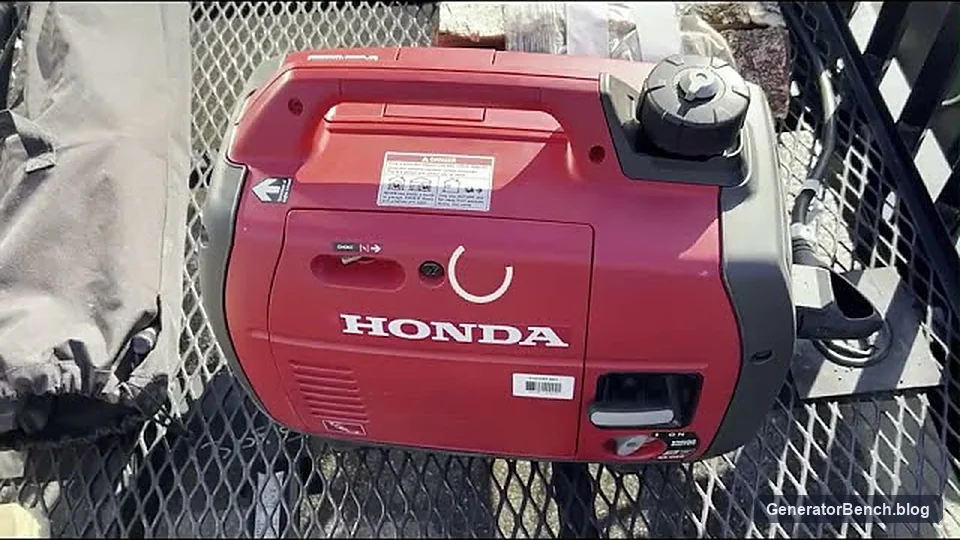
Ensure the storage cover features breathable side vents to promote air circulation. Maintaining proper ventilation prevents moisture pooling underneath the protective material during temperature swings.
Keep generators away from chemical storage areas like pool chlorine or fertilizers. Corrosive airborne vapors cause rapid pitting of aluminum and steel components even indoors.
Position the equipment on a level surface away from high-traffic workshop areas. Secure wheel locks firmly to prevent accidental rolling during minor seismic or physical bumps.
- Clean exterior panels with mild automotive soap before covering.
- Check under covers monthly for unexpected moisture accumulation.
- Keep fire extinguishers mounted near stored power equipment.
- Clear surrounding clutter to maintain emergency access pathways.
Garage Climate Management Tips
Dehumidifiers help stabilize relative humidity inside enclosed residential garages effectively. Targeting humidity levels below forty percent stops oxidation across all exposed metal parts.
Use circulating ceiling fans to eliminate stagnant air pockets around stored machinery. Proper airflow management keeps cold-weather condensation from settling onto electrical windings.
- Monitor garage humidity using a digital hygrometer gauge.
- Insulate garage walls to minimize extreme temperature fluctuations.
Pre-Storage Checklist and Final Safety Verification
Complete a final walk-around inspection before walking away for the winter season. Verify all fuel valves are firmly closed and electrical switches remain in the off position.
Double-check that spark plug boot wires are disconnected to prevent accidental starting. Hanging a clear warning tag on the pull-cord reminds users of winterization status.
Review your maintenance logbook to ensure all scheduled lubrication tasks are finished. Proper preparation eliminates surprises when severe weather forces immediate emergency power deployment.
Store extra fuel cans in an approved outbuilding away from living spaces. Safety compliance protects your household from hazardous vapor accumulation and fire risks.
- Keep owner manuals stored near the generator location.
- Verify carbon monoxide detectors function properly nearby.
- Test garage door emergency releases for quick access.
- Confirm emergency flashers or work lights are charged.
Spring Recommissioning Preparation Steps
Spring startup requires reversing several winterization steps to restore operational readiness safely. Remove exhaust plugs and air filter covers before attempting to start the engine.
Check oil levels and reconnect the fully charged battery terminals securely. Drain old stabilizer fuel if tanks were left full and refill with fresh gasoline.
- Inspect fuel lines for dry rot or leaks.
- Run generator under a partial load for thirty minutes.
Frequently Asked Questions
Why is winterizing my generator necessary?
Winterization prevents fuel gumming, varnish buildup, and internal rust caused by trapped condensation during prolonged freezing months.
Taking these essential preventative steps ensures your backup power unit starts instantly when emergency winter grid outages occur without unexpected mechanical engine failures or expensive carburetor repair bills, protecting your household investment securely throughout harsh weather seasons.
Should I completely drain the gas tank for winter?
Completely draining the fuel tank is highly recommended if you plan to store the equipment for more than thirty consecutive days without use.
Using fresh fuel stabilizer in a full tank works well for short periods, but empty systems eliminate ethanol phase separation entirely and prevent stubborn carburetor varnish blockages.
How do I protect the cylinder walls from rusting?
Protect cylinder walls by removing the spark plug and pouring one tablespoon of clean motor oil directly into the combustion chamber.
Pulling the starter cord slowly distributes this protective oil film evenly across the metal cylinder walls, preventing rust formation and maintaining proper compression ratios for reliable spring starting.
Where is the best place to store my generator?
Store your generator in a dry, unheated shed, garage, or workshop elevated off concrete floors using wooden skids or rubber mats.
Keep the unit away from corrosive chemicals like pool chlorine or fertilizers, and cover it with a breathable canvas tarp to prevent damaging moisture accumulation during severe weather fluctuations.
Do I need to remove the starting battery?
Removing the starter battery and storing it indoors on a wooden workbench prevents rapid cold-weather self-discharge and freezing damage.
Maintaining a trickle charge using a smart microprocessor device throughout the winter season preserves battery health and guarantees high cranking amperage when emergency backup power is urgently needed.