How To Use A Generator With A Transfer Switch Safely
Mastering manual transfer switch operation protects your home electrical system and prevents dangerous backfeeding. Proper technical sequencing ensures seamless backup power delivery during unexpected outages.

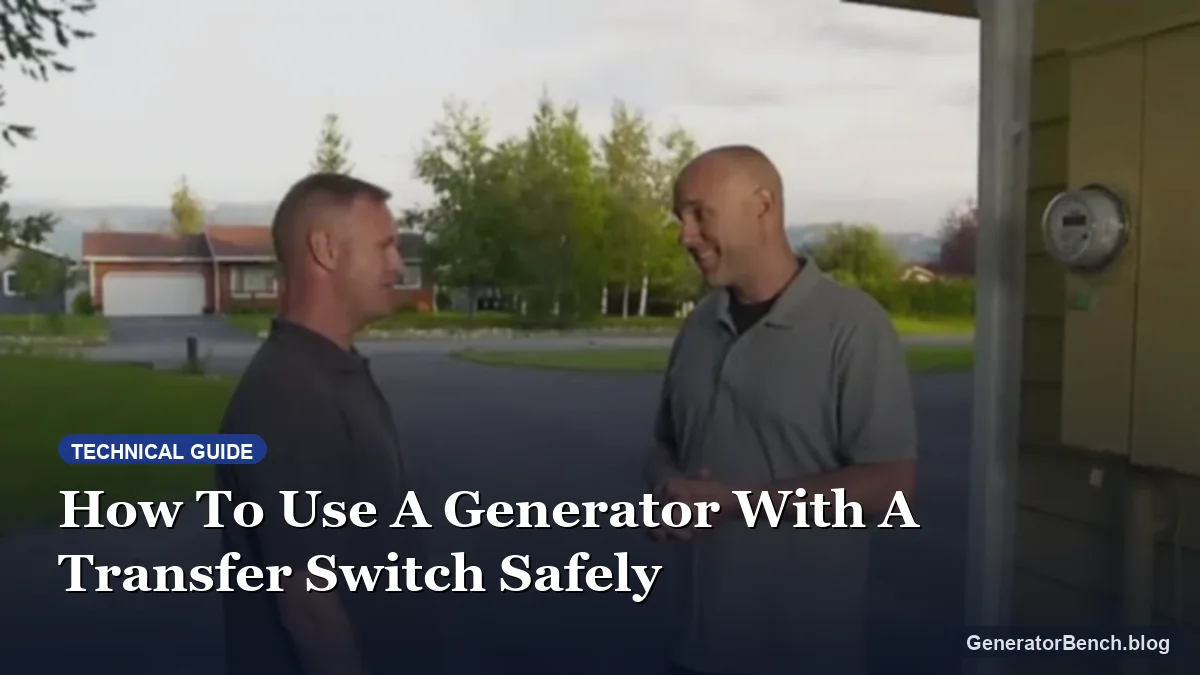
Always disconnect your main utility breaker before engaging the transfer switch to isolate live circuits and protect utility linemen from lethal electrical feedback.
Looking for matching picks? See our Best Electric Generator.
Practical Quick-Reference Table
| Scenario / Metric | Recommended Target | Why It Matters |
|---|---|---|
| Inlet Box Wiring | 10 AWG Minimum | Handles up to 30-amp continuous loads safely without overheating. |
| Generator Placement | 20 Feet Outdoors | Prevents carbon monoxide accumulation near living spaces. |
| Voltage Check | 120V / 240V Split | Ensures balanced phase loading across dual-leg breakers. |
| Frequency Target | 60 Hertz Stable | Protects sensitive motor windings from inductive heating. |
| Oil Viscosity | 10W-30 Synthetic | Optimizes cold-weather starting and high-temperature shear protection. |
| Load Sequencing | Largest First | Prevents startup surge current from tripping generator breakers. |
Core Fundamentals and Electrical Load Sizing Parameters
Understanding your electrical panel configuration is vital before operating any manual transfer switch. You must calculate your running and starting watts carefully to avoid overloading the connected generator capacity.
Transfer switches physically divide your main breaker panel into dedicated emergency circuits. Selecting which household appliances receive power requires prioritizing essential motor loads like refrigerators and well pumps.
When utilizing heavy-duty options like those featured in our best generator with 50 amp plug overview, never exceed the amperage rating stamped on your transfer switch module to prevent thermal meltdowns.
Voltage drop over long extension cords can damage sensitive electronics during extended power outages. Always employ heavy-duty cables rated for outdoor use to maintain proper line voltage under heavy loads.
- Calculate total running wattage across all selected emergency circuits.
- Verify transfer switch breaker compatibility with your electrical panel brand.
- Inspect all hardwired connections for signs of terminal corrosion or looseness.
- Confirm that your generator features an bonded neutral frame configuration.
Calculating Starting Surge Requirements
Inductive loads require significantly higher wattage to start than to run continuously. Compressors and pumps demand a temporary surge multiplier that can instantly trip undersized generator circuit breakers.
Always stagger the activation of motor-driven appliances to manage your peak electrical load. Respecting these startup thresholds keeps your generator running smoothly without sudden stalls or frequency drops.
- Multiply running watts by three for hard-starting motor loads.
- Keep a written log of exact circuit amperages near the panel.
Permanent Power Inlet Installation and Physical Setup
When running high-draw cooling units listed in our best portable ac to use with generator guide, an exterior power inlet box provides a secure connection point. This setup eliminates running cords through open windows.
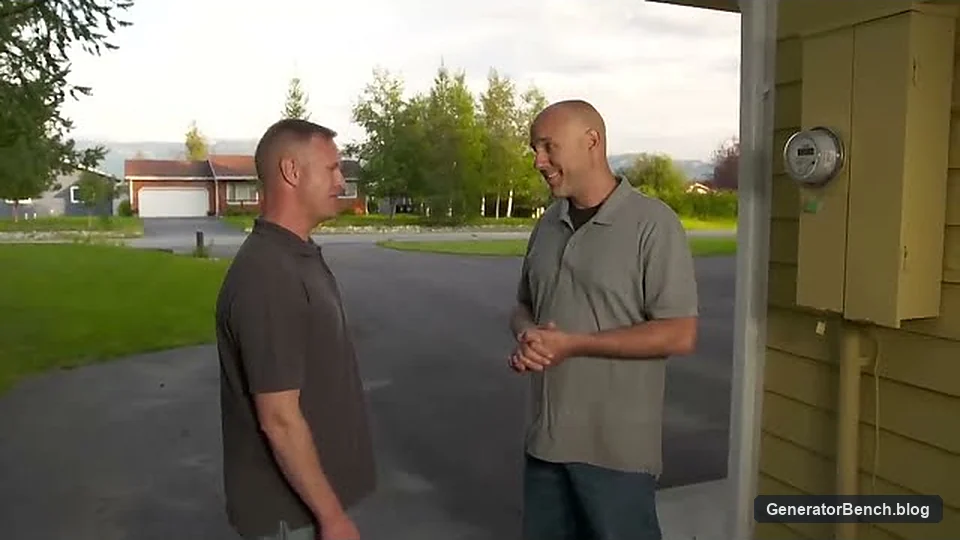
Mount the inlet box securely to exterior wall studs at a convenient working height. Ensure proper conduit sealing prevents moisture intrusion into your home structural framing and electrical pathways.
Route heavy-gauge copper wiring from the inlet directly to your interior transfer switch unit. Secure all wire runs using approved fastening hardware to protect against accidental physical damage or pulling.
Grounding your generator system properly is non-negotiable for personal safety during operation. Drive an independent copper rod if required by local electrical codes to ensure a solid earth ground.
- Use rigid or flexible metallic conduit for all outdoor wire runs.
- Torque all terminal screw connections to manufacturer specifications.
- Check local building codes before beginning any electrical installation work.
- Seal all exterior wall penetrations with high-grade silicone caulk.
Verifying Inlet Pin Configurations
Match your generator plug configuration precisely to the exterior power inlet receptacle. Standard twist-lock plugs prevent accidental disconnections caused by vibration or cable tension during stormy weather.
Inspect the male pins inside the inlet box for signs of arching or pitting. Clean any oxidized metal surfaces to ensure low electrical resistance and prevent localized overheating.
- Confirm correct matching of neutral and hot terminal blades.
- Apply dielectric grease to pins for enhanced corrosion protection.
Video Walkthrough: Search filters
Pre-Flight Circuit Isolation and Engine Starting Protocol
Before starting your engine, use our wattage sizing calculator to verify that zero electrical load is applied to the alternator during the initial ignition sequence.

Check the engine oil level on a flat surface before every single operating session. Operating a small engine with insufficient lubrication causes rapid internal component failure within minutes.
Verify that your fuel supply is fresh and free from ethanol-related phase separation issues. Stale gasoline gums up carburetor jets and severely restricts optimal fuel atomization during cold starts.
Start the portable generator outdoors and let it run for several minutes. Allow the engine block to reach operating temperature before applying any electrical load to the system.
- Check engine oil, air filter, and fuel levels systematically.
- Ensure the fuel shutoff valve is fully opened before cranking.
- Set the engine choke appropriately based on ambient air temperature.
- Verify that the main generator circuit breaker remains in the off position.
Engaging the Transfer Switch Mechanism and Balancing Loads
Once your generator is running smoothly, connect the heavy-duty cord to both units. Twist the locking ring firmly to secure the plug and prevent accidental terminal separation under load.
If you are operating a backup setup featuring units from our best solar generator with panels roundup, switch your transfer panel toggles individually with a swift, confident motion to prevent internal arcing.
Monitor the voltmeter on your generator control panel to verify stable output. You want to see a steady nominal reading before turning on any major household electrical circuits.
Turn on your essential circuits one by one, starting with the largest loads. Listening to the engine tone helps you judge whether the generator alternator is handling the electrical demand.
- Switch manual toggles firmly from utility to generator position.
- Observe generator frequency meters to maintain stable sixty hertz.
- Stagger heavy appliance activation to prevent sudden engine bogging.
- Keep total power consumption well below your generator wattage rating.
Managing Running Watts and Monitoring System Performance
Continuous monitoring of your power load prevents unexpected overloads during long outages. Keep track of your running wattage using a plug-in meter or built-in digital control display.
Watch out for flickering lights or sluggish motor performance as a sign of overload. Shed non-essential loads immediately if the generator exhibits abnormal voltage drops or excessive engine straining.
Manage fuel consumption by shutting down high-draw appliances when not actively needed. Conserving fuel extends your runtime between refueling sessions during extended community power failures.
Never refuel a hot generator engine while it is running or actively loaded. Always shut down the system and allow the exhaust muffler to cool before handling fuel containers.
- Monitor fuel levels and ambient temperatures around the unit.
- Shed non-essential electrical loads if engine speed fluctuates.
- Keep extra fuel stored in certified, airtight containers safely away.
- Inspect power cords periodically for signs of physical wear.
Systematic Shutdown and Utility Power Restoration
When municipal power returns, you must follow a strict shutdown sequence to protect equipment. Begin by turning off all individual circuit toggles on your manual transfer switch panel.
Flip all transfer switch levers back to the utility power position. This completely isolates your home wiring from the portable generator before you kill the engine.
Allow your generator to run unloaded for several minutes to cool down. This thermal stabilization prevents heat soak damage to the alternator windings and engine cylinder head.
Unplug the heavy-duty power cord from both the generator and inlet box. Store the cable in a dry location to prevent terminal corrosion and jacket degradation over time.
- Turn off all individual transfer switch breaker toggles first.
- Return the transfer switch main levers to utility power.
- Let the generator engine idle unloaded for three to five minutes.
- Turn off the engine ignition switch and close the fuel valve.
Periodic Maintenance Tasks and Seasonal Storage Preparation
Regular maintenance ensures your transfer switch and generator remain ready for emergencies. Inspect your electrical panel wiring annually to ensure terminal screws remain tight and free of oxidation.
Change the engine oil and spark plug according to the manufacturer operating hours. Clean or replace the foam air filter element to maintain proper airflow and combustion efficiency.
Run your generator under a moderate load for thirty minutes every month. This routine prevents fuel varnishing in the carburetor and keeps the alternator rotor magnetized properly.
Drain the carburetor bowl completely if you plan to store the unit seasonally. Using a fuel stabilizer protects your internal metal parts from destructive moisture accumulation during off-seasons.
- Perform oil changes every fifty operating hours without fail.
- Test transfer switch mechanical movement twice a year.
- Inspect exterior power inlet gaskets for weather-related cracking.
- Keep a spare set of spark plugs and shear pins on hand.
Frequently Asked Questions
Can I install a manual transfer switch myself?
Homeowners should hire a licensed electrician to install permanent transfer switches. This ensures compliance with local electrical codes and prevents fatal wiring errors that risk your safety.
What size transfer switch do I need?
Select a transfer switch based on the number of circuits you want to power. A ten-circuit model is standard for backing up essential household appliances during extended blackouts.
Is backfeeding dangerous without a transfer switch?
Directly plugging a generator into a wall outlet backfeeds electricity onto dead utility lines. This creates a lethal hazard for utility line workers repairing neighborhood distribution equipment.
How do I know if my generator is overloaded?
An overloaded generator will bog down, trip its output breakers, or show voltage drops. Monitor your total running wattage closely to stay well below maximum capacity.
Can I run sensitive electronics through a transfer switch?
Modern inverter generators provide clean power safe for computers and televisions. Ensure your generator maintains low harmonic distortion before powering sensitive digital microprocessors.