How to Store Gasoline for Generator Safely
Proper fuel storage prevents generator carburetor damage and ensures reliable emergency power. Following exact chemical and environmental parameters keeps fuel fresh.

Store gasoline in approved red containers with chemical stabilizers for up to twenty-four months. Always maintain strict ambient temperature control away from ignition sources.
Looking for matching picks? See our Best Gasoline Generator.
Practical Quick-Reference Table
| Scenario / Metric | Recommended Target | Why It Matters |
|---|---|---|
| Container Type | Red HDPE or Steel | Prevents static buildup and vapor leaks |
| Storage Temperature | 60°F to 70°F (15°C to 21°C) | Slows down chemical breakdown and oxidation |
| Fuel Stabilizer Ratio | 1 oz per 2.5 gallons | Prevents gum and varnish accumulation |
| Untreated Fuel Life | 30 to 60 days | Rapidly causes carburetor jet clogs |
| Treated Fuel Life | Up to 24 months | Ensures immediate generator starting success |
| Vapor Pressure Limit | Nominal Reid standard | Mitigates explosive gas accumulation risk |
Chemical Degradation and Fuel Lifespan Fundamentals
Gasoline begins degrading rapidly within thirty days without proper chemical intervention. Light hydrocarbons evaporate quickly, leaving behind heavy resins that clog tiny carburetor jets.
Understanding oxidation mechanics helps operators prevent costly generator engine repairs. Modern fuel blends contain ethanol, which absorbs atmospheric moisture and causes phase separation over time.
Moisture accumulation leads to acidic water-ethanol layers pooling at the bottom of storage tanks. This corrosive mixture aggressively attacks metal fuel lines and internal engine components.
Monitoring fuel age requires precise tracking systems on every storage vessel. Never assume untreated retail fuel remains usable past the critical sixty-day threshold during prolonged outages.
Unstabilized regular unleaded gasoline begins oxidizing within thirty days, losing volatile lighter hydrocarbons that ensure reliable small-engine starting during unexpected emergency power outages.
Modern ethanol-blended pump fuels aggressively attract ambient atmospheric moisture, causing phase separation where water and alcohol sink to the bottom of your storage vessel.
Sticky varnish deposits accumulate inside delicate carburetor float bowls and tiny fuel injectors when degraded fuel molecules polymerize over extended periods without proper chemical protection.
Maintaining a completely airtight seal on your approved fuel container minimizes oxidation by preventing atmospheric oxygen from reacting with reactive olefin compounds inside the liquid.
- Track purchase dates using permanent waterproof labels on containers.
- Inspect fuel color monthly for signs of dark amber oxidation.
- Avoid storing fuel in unsealed, makeshift plastic or glass bottles.
- Account for local humidity levels when calculating expected fuel life.
Phase Separation Risks in Ethanol Blends
Ethanol readily bonds with ambient water vapor drawn through container vents. Once saturation occurs, the water-ethanol solution drops out of suspension immediately.
This separated layer disables your best portable generator for home setup by introducing non-combustible liquid directly into the engine combustion chamber during critical emergency startup procedures.
- Keep containers tightly sealed to block ambient humidity.
- Use ethanol-free fuel whenever available for long-term reserves.
Approved Containers and Material Compatibility Standards
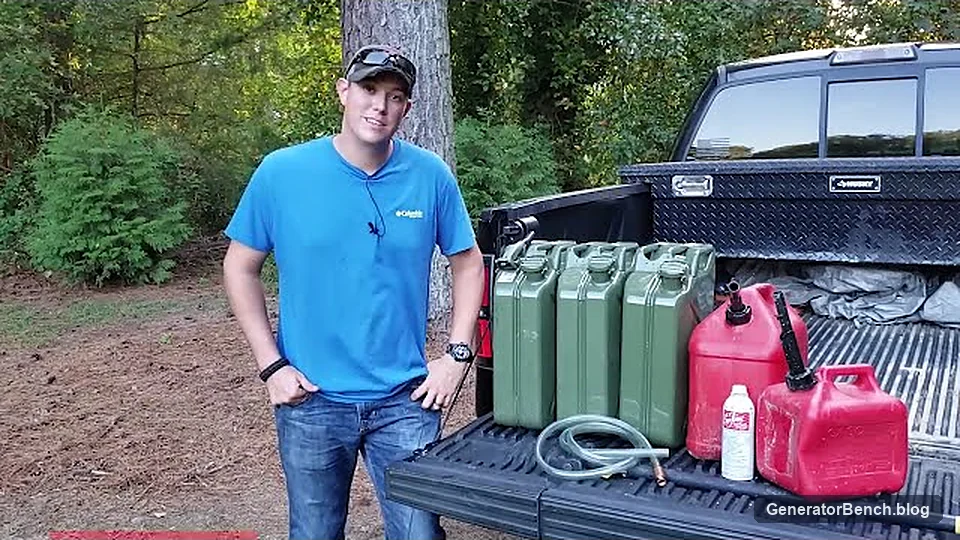
Choosing certified containers is critical for maintaining safe pressure boundaries. Only use containers meeting strict OSHA and ASTM standards for flammable liquid containment.
Red high-density polyethylene cans feature specialized vapor-barrier walls. These engineered plastics prevent dangerous fume permeation inside enclosed residential storage spaces.
Metal jerry cans offer superior durability and complete UV protection for outdoor sheds. Ensure internal anti-rust linings remain intact before filling them with fresh fuel.
Avoid translucent or milk jugs completely because sunlight degrades the plastic. Degraded plastic sheds microscopic particles that instantly ruin high-precision fuel injectors.
Always store portable fuel exclusively in containers meeting strict OSHA and ASTM safety standards, featuring heavy-duty red high-density polyethylene or galvanized steel construction.
Avoid using unapproved glass jugs, open buckets, or old milk cartons because improper plastics degrade rapidly and release hazardous flammable vapors into enclosed living spaces.
Modern certified cans feature integrated self-venting spouts designed to eliminate accidental spills while complying with stringent state environmental and emission reduction mandates.
Inspect rubber gaskets and filler-neck O-rings regularly for cracking or stiffness, replacing worn components immediately to maintain vapor-tight closures during extreme temperature fluctuations.
- Verify child-safe locking caps function correctly on every container.
- Inspect rubber O-rings for cracking or hardening prior to filling.
- Replace damaged or dented metal cans immediately to prevent leaks.
- Never use unapproved glass jars or food containers for fuel.
Static Electricity Mitigation During Handling
Pouring gasoline generates dangerous static electricity discharges if improper vessels are used. Always place portable containers directly on bare ground while dispensing fuel.
Never fill plastic containers sitting inside truck beds with plastic liners. The insulating bedliner traps static charges, creating potential sparks near flammable vapors.
- Ground the nozzle against the metal rim of the container.
- Touch a grounded metal surface before handling fuel caps.
Video Walkthrough: The Ultimate Guide to Long-Term Gas Storage
Climate and Temperature Control for Storage Units
Temperature fluctuations severely accelerate internal fuel degradation processes. Maintain storage areas within a steady sixty to seventy degree range for optimal results.
Extreme heat causes volatile components to expand and build dangerous pressure. High temperatures also speed up the oxidation rate of unstable hydrocarbon chains.
Freezing temperatures do not ruin gasoline, but they complicate cold starts. Store your emergency supply in a detached structure away from primary living spaces.
Protect fuel reserves from direct sunlight through heavy-duty storage blankets. UV exposure weakens container walls and increases internal vapor temperatures significantly.
Store fuel containers in a detached, well-ventilated outbuilding or dedicated exterior shed, maintaining ambient room temperatures consistently below seventy degrees Fahrenheit.
Extreme diurnal heat cycles cause volatile fuel vapors to expand dramatically, forcing pressure relief valves to vent unburned hydrocarbons into your immediate storage area.
Never store gasoline containers inside residential living areas, finished basements, or attached garages containing active pilot lights from water heaters or gas furnaces.
Shield your storage vessels from direct ultraviolet sunlight by keeping them shaded, preventing structural degradation of polyethylene plastics and excessive internal pressure spikes.
- Select shaded, well-ventilated outdoor sheds for fuel stockpiles.
- Insulate storage lockers against extreme seasonal weather swings.
- Keep containers elevated off damp concrete floors using wooden pallets.
- Monitor internal shed temperatures with a remote digital thermometer.
Preventing Pressure Buildup in Sealed Cans
Modern safety cans feature automatic venting valves to manage expansion. Ensure these pressure-relief mechanisms are clean and free of dirt or debris.
Manual vent caps should be gently cracked during major temperature spikes. Relieving excessive pressure prevents container distortion and sudden seal failures.
- Check automatic pressure valves for smooth mechanical movement.
- Never store pressurized cans near direct heat sources.
Chemical Stabilizers and Additive Dosages
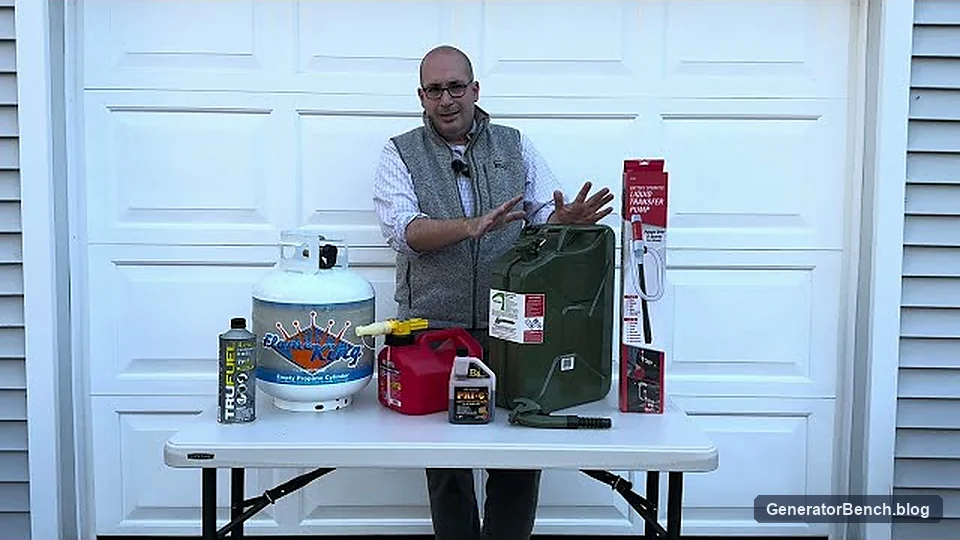
Adding chemical stabilizers immediately after purchase doubles fuel longevity. Quality additives coat fuel molecules to prevent varnish formation and chemical breakdown.
Always measure stabilizer volumes precisely before consulting the best solar power generator for home models if you want to bypass liquid fuel maintenance entirely.
Mix the stabilizer thoroughly by agitating the container after pouring. Proper blending ensures the protective compounds distribute evenly throughout the entire volume.
Record the exact date of stabilization on a prominent exterior label. This practice eliminates guesswork when rotating your emergency generator fuel supply.
Add a professional-grade fuel stabilizer to fresh gasoline immediately upon purchase, mixing the chemical thoroughly at precise one-ounce ratios per two gallons of fuel.
Circulate the treated fuel by gently rocking your portable container to ensure complete chemical homogenization before storing it for extended seasonal standby generator periods.
Quality commercial stabilizers contain petroleum distillates and specialized antioxidants that actively inhibit gum formation and neutralize corrosive acids resulting from fuel breakdown over time.
Treating old, already-degraded gasoline will not restore lost octane ratings or reverse damage, so always add stabilizers to pristine, newly pumped fuel for results.
- Follow manufacturer dosage instructions carefully for every batch.
- Use multi-functional additives that also provide internal rust protection.
- Add stabilizers to fresh fuel before storing it away long-term.
- Circulate treated fuel through portable equipment every six months.
Safety Protocols and Ventilation Requirements
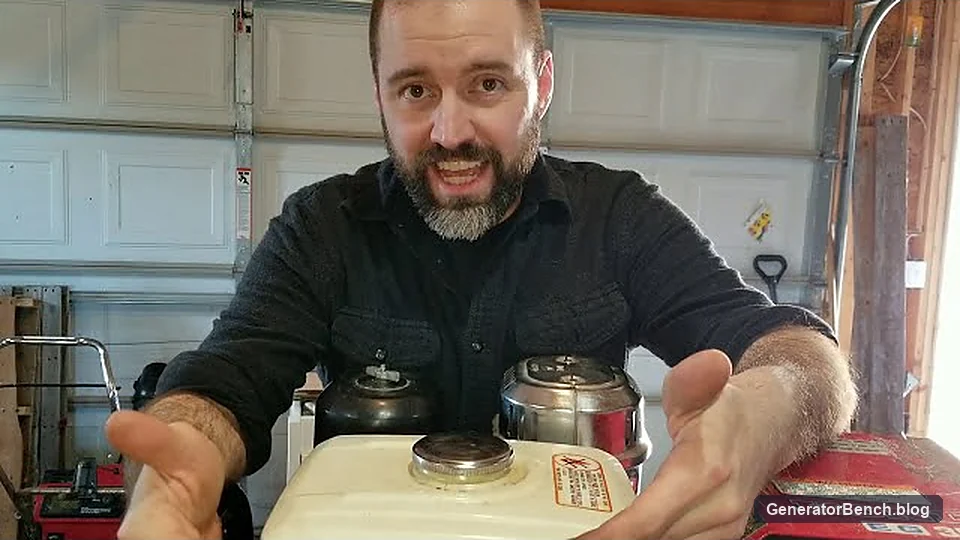
Gasoline vapors are heavier than air and accumulate in low zones. Always store flammable liquids in detached outbuildings far away from residential ignition sources.
Keep storage areas clear of gas water heaters and furnaces. Pilot lights provide an immediate ignition source for invisible, migrating fuel vapors.
Install continuous passive ventilation louvers in dedicated fuel storage sheds. Adequate airflow prevents dangerous vapor concentrations from reaching explosive thresholds.
Equip your storage space with a certified dry chemical fire extinguisher. Ensure all household members understand the specific hazards associated with fuel storage.
Post clear no smoking and flammable hazard warning signage prominently around your designated fuel storage perimeter to alert family members and visiting guests.
Ensure continuous cross-ventilation in storage sheds to prevent heavy gasoline vapors from accumulating near floor level where potential ignition sources typically reside.
Keep a certified Class B fire extinguisher rated specifically for flammable liquids mounted securely near the primary exit of your fuel storage facility.
Ground metal fuel containers properly when transferring liquids to eliminate dangerous static electrical discharges that could easily ignite concentrated hydrocarbon gas clouds.
- Post clear hazard warning signs on exterior storage doors.
- Keep emergency spill kits stocked with absorbent materials nearby.
- Prohibit smoking or open flames within fifty feet of fuel.
- Store containers securely to prevent tipping during minor tremors.
Video Walkthrough: How to store gas for your generator for years | Cooley
Fuel Rotation and Emergency Readiness Practices
Implement a strict first-in, first-out fuel rotation schedule. Consume your stored generator gasoline in standard vehicles every six months.
Replace the consumed fuel supply with fresh purchases immediately afterward. This routine guarantees a full reserve of high-octane fuel for unexpected outages.
Test run your portable generator monthly using the stored reserves. Running the engine circulates treated fuel through the carburetor and verifies readiness.
Drain the carburetor float bowl after every test run session. Emptying the tiny reservoir prevents residual fuel from gumming up internal jets.
Implement a strict first-in, first-out inventory management system by dating every container with a permanent marker whenever you add fresh fuel supplies.
Rotate stored gasoline into your primary vehicle every six months, replacing it with fresh fuel to maintain peak emergency portable generator readiness levels.
Test run your selected best generator for home backup power periodically using treated fuel, then drain the carburetor bowl completely to prevent varnish accumulation.
Maintain an emergency supply calculation based on your specific generator running wattage load, ensuring adequate fuel reserves for several days of grid outages.
- Mark container refill dates clearly on your household calendar.
- Keep a dedicated siphon pump clean and ready for rapid transfers.
- Inspect fuel lines for stiffness during monthly generator checks.
- Maintain a backup supply of spare spark plugs and filters.
Disposal Procedures and Environmental Compliance
Old, contaminated, or oxidized fuel requires proper environmental disposal. Never dump expired gasoline onto soil or into municipal sewer systems.
Contact your local waste management facility for hazardous disposal guidelines. Most communities host specialized collection days for unwanted flammable liquids.
Mix small quantities of old fuel with fresh fuel cautiously while checking your generator wattage sizing calculator data. Dilution ratios must never exceed ten percent to protect sensitive generator engines safely.
Clean up any accidental fuel spills immediately using specialized absorbents. Prevent environmental contamination by following strict local ecological regulations.
Never dump expired or contaminated gasoline onto bare soil, down household drains, or into municipal storm sewers due to severe environmental contamination risks.
Contact your local county hazardous waste management facility to schedule proper drop-off times for old fuel and heavily contaminated chemical mixture disposals safely.
Mix small amounts of old fuel incrementally with fresh vehicle gasoline only if octane levels remain acceptable and severe phase separation has not occurred.
Adhere strictly to local safety regulations regarding maximum storage volume limits permitted on residential properties without specialized commercial permits or secondary containment.
- Store waste fuel in clearly marked, dedicated recycling containers.
- Never burn old gasoline in outdoor fire pits or heaters.
- Wear nitrile gloves when handling degraded or contaminated fuel.
- Consult local environmental codes before disposing of bulk fluids.
Frequently Asked Questions
How long does untreated gasoline remain usable in a generator?
Untreated gasoline typically spoils within thirty to sixty days. Using expired fuel leads to severe varnish buildup and costly carburetor repairs.
Can I store gasoline inside my residential garage or basement?
Storing fuel inside attached living spaces creates extreme fire risks. Always keep containers in detached sheds with robust cross-ventilation.
What is the best way to extend the shelf life of stored fuel?
Add a professional chemical stabilizer immediately after purchase. Proper additives extend usable fuel life up to twenty-four months in sealed containers.
Why do plastic milk jugs fail as gasoline storage containers?
Milk jugs degrade rapidly under UV light and fuel exposure. Always use certified red containers meeting strict OSHA safety standards.
How should I dispose of old, contaminated emergency gasoline?
Take expired fuel to a local hazardous waste facility. Never pour old gasoline onto soil or into household drainage systems.