How To Prevent Generator Theft With Anchors And Alarms
Portable and standby generators represent high-value targets for opportunistic thieves during extended grid outages. Implementing robust physical and electronic security safeguards protects your critical emergency power infrastructure.


Securing your equipment requires combining heavy-duty ground anchors with hardened chain links. Always store units inside locked enclosures when not deployed during weather emergencies.
Looking for matching picks? See our Best Electric Generator.
Practical Quick-Reference Table
| Scenario / Metric | Recommended Target | Why It Matters |
|---|---|---|
| Chain Grade | Grade 80 or higher alloy steel | Resists bolt-cutter attacks |
| Lock Type | Shrouded hardened boron steel padlock | Prevents shackle cutting leverage |
| Anchor Point | Concrete pier or embedded rebar loop | Eliminates pull-out leverage |
| Enclosure Type | Vented heavy-gauge steel security cage | Hides unit from public view |
| Monitoring | GPS tracker with motion sensor | Alerts authorities during unauthorized movement |
| Lighting | Motion-activated LED floodlight array | Deters nocturnal reconnaissance attempts |
Engineering Physical Anchor Systems for Portable Units
Securing a portable generator demands a permanent anchor point capable of withstanding extreme leverage. Bolting equipment directly to concrete slabs using heavy steel expansion anchors stops quick grab-and-go thefts effectively.
Standard residential anchors for your best household generator often fail when subjected to hydraulic pry bars. Engineers recommend embedding steel rebar loops deep into freshly poured concrete footings.
Never rely on standard deck screws or wooden structures for anchoring high-value power equipment. Thieves can easily splinter lumber or shear small fasteners using basic hand tools found in garages.
Position your anchored unit close to structural exterior walls to restrict tool swing angles. This tactical placement severely limits the physical leverage criminals need to break locking mechanisms.
Securing your portable generator requires pouring a reinforced concrete anchor pad rated for at least 3,000 PSI compressive strength. Embed a 3/4-inch steel U-bolt directly into the wet cure for permanent load distribution.
When dealing with wooden decks or structural timbers, bypass standard wood screws by utilizing heavy-duty lag bolts measuring four inches long. Pair these fasteners with structural steel backing plates beneath the joists to prevent leverage-based ripping.
Ensure your heavy-gauge anchoring system maintains a distance of three to five feet from exterior walls to comply with NFPA exhaust clearance regulations. This precise spacing prevents deadly carbon monoxide accumulation while preserving your security perimeter.
Inspect welded anchor brackets regularly for micro-fractures caused by continuous engine vibration frequencies. Applying a thread-locking adhesive to all threaded mechanical fasteners stops thermal cycling from loosening the assembly during extended grid outages.
- Use minimum three-quarter-inch concrete expansion bolts.
- Embed steel mounting plates directly into footings.
- Avoid fastening to hollow brick or cinder blocks.
- Inspect anchor bolts bi-annually for rust.
Pouring a Dedicated Concrete Security Pad
Creating a dedicated concrete pad provides the ultimate foundation for heavy generator security brackets. Dig a trench at least twelve inches deep to prevent frost heave displacement.
Reinforce the wet concrete mix with welded wire mesh and structural steel rebar grids. This reinforcement ensures the anchor points cannot be yanked upward from the base.
- Mix concrete to a high compressive strength rating.
- Allow full curing time before mounting equipment.
Selecting Hardened Chains and Industrial Padlocks
Choosing the correct chain alloy dictates whether your security setup survives professional tool attacks. Grade 80 or Grade 100 alloy steel chains resist standard handheld bolt cutters easily.
Thin security links protecting your heavy equipment can be sheared within seconds using leverage tools. Before upgrading security hardware, consult our generator wattage sizing calculator to verify your total running load requirements.
Pair your heavy-duty chain with a shrouded steel padlock featuring a boron shackle. Shrouded designs block angle grinders and hacksaws from reaching the vulnerable locking pin directly.
Keep your chains elevated off the ground to prevent thieves from leveraging ground resistance. Dangling links also accumulate moisture, accelerating rust formation that compromises structural integrity over time.
Standard hardware store chains offer zero protection against battery-powered angle grinders equipped with abrasive cutoff wheels. Invest in boron alloy steel chains featuring a minimum link thickness of 12 to 14 millimeters for reliable cutting resistance.
Hexagonal or square link profiles outperform traditional round links because they actively deflect angle grinder blades. This specific geometry forces cutting discs to glance off the surface rather than establishing a stable bite point during an attack.
Pair your hardened chain with a shrouded closed-shackle padlock manufactured from hardened molybdenum steel. The restrictive shackle clearance prevents common bolt cutters and pry bars from gaining the leverage needed for mechanical failure.
Maintain your locking mechanisms by applying a dry graphite lubricant every ninety days to prevent internal corrosion. Avoid oil-based lubricants that attract abrasive dirt particles and compromise the precision tumbler pins inside the lock cylinder.
- Select square links over traditional round profiles.
- Use boron steel shackles on all padlocks.
- Protect keyways with weatherproof rubber dust covers.
- Lubricate internal lock cylinders using graphite powder.
Evaluating Shackle Clearance Limits
Minimizing shackle exposure prevents criminals from inserting pry bars or hydraulic wedge tools. Tight tolerances leave zero room for mechanical attack vectors during attempted break-ins.
Measure the inner clearance of your padlock to ensure it fits snugly against the chain link. Loose padlocks invite leverage attacks that destroy the locking mechanism instantly.
- Keep shackle clearance under one inch total.
- Test lock clearance before final deployment.
Video Walkthrough: Physical
Utilizing Steel Security Cages and Enclosures
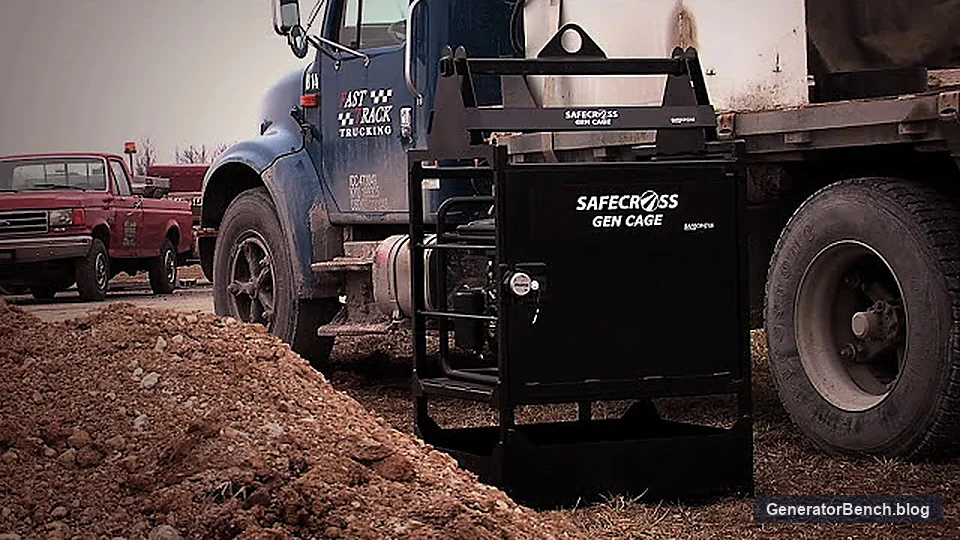
Permanent security cages offer comprehensive protection by enclosing your best solar electric generator. Fabricate these sturdy enclosures using welded structural steel tubing anchored securely to reinforced concrete bases.
Ensure your security cage maintains adequate clearance for proper engine cooling airflow. Restricting ventilation causes dangerous overheating and permanent alternator damage during extended run cycles.
Install heavy-duty steel mesh panels that allow exhaust gases to vent safely outdoors. Never operate an enclosed generator without verifying that carbon monoxide exhaust is directed away from living spaces.
Equip access doors with heavy internal hinges and concealed padlock housings. Exposed hinges provide an easy target for angle grinders or simple pin removal techniques.
Heavy-duty steel security cages provide a formidable physical barrier by locking your running generator inside an anchored cage. Construct the frame using 1-1/2 inch structural steel angles welded securely to a heavy base plate.
Ventilation is critical when enclosing an operational combustion engine to prevent thermal throttling and dangerous exhaust pocketing. Ensure your enclosure design maintains at least 50 percent open louvered surface area across the opposing side panels.
Protect the access door hinges by welding protective steel shrouds over the pivot points to stop pin removal attacks. Utilize concealed internal locking tabs that prevent thieves from slipping cutting tools directly into the latch mechanism.
Anchor the entire security cage assembly directly into a concrete slab using wedge anchor bolts rated for high shear loads. This prevents opportunistic thieves from tipping the entire cage over to extract the secured generator unit.
- Maintain minimum three-foot clearance around all louvers.
- Use tamper-proof fasteners for assembly brackets.
- Paint steel cages with rust-inhibiting exterior enamel.
- Incorporate lockable access panels for refueling.
Ventilation and Exhaust Routing Essentials
Proper enclosure design must balance maximum security with unobstructed airflow requirements. Calculate total louver surface area to match the manufacturer's specified cooling specifications precisely.
Route exhaust extensions through heavy steel thimbles to prevent heat transfer to surrounding cage members. Regular inspections catch thermal degradation before structural failure occurs.
- Verify exhaust back-pressure remains within limits.
- Install high-temperature silicone gaskets securely.
Deploying Electronic Monitoring and GPS Trackers
Modern electronic tracking devices provide real-time alerts if physical security measures fail. Hide a compact GPS tracking module inside the alternator housing or engine control panel.
Select trackers featuring internal motion sensors that trigger instant smartphone push notifications. Early notification gives law enforcement a crucial window to intercept stolen property quickly.
Hardwire your tracking unit into the generator starting battery to ensure continuous operational power. Rechargeable battery-only models risk failing if the thieves disconnect the power source.
Complement GPS units with standalone motion-activated alarms mounted directly onto the frame. High-decibel sirens disorient opportunistic thieves and alert nearby homeowners immediately.
Modern GPS trackers provide vital asset recovery capabilities by broadcasting real-time coordinates over cellular networks. Select a hardwired tracking device that integrates directly into your generator battery or operates on a long-life internal lithium battery.
Conceal the tracking hardware deep inside the inverter housing near the inverter module or alternator core. Wrapping the unit in electromagnetic shielding tape prevents basic signal jamming devices from temporarily blinding your remote monitoring dashboard.
Configure geofencing alerts within your mobile tracking application to trigger immediate push notifications if movement occurs. This instantaneous warning allows you to contact local law enforcement while the stolen equipment is still in transit.
Test your GPS tracking transmission signals monthly to ensure cellular connectivity remains strong through the generator enclosure. Keep backup tracking beacons hidden separately to maintain security if thieves locate and discard the primary tracking module.
- Test cellular signal reception inside the enclosure.
- Set up automated daily location ping diagnostics.
- Use waterproof enclosures for tracking hardware.
- Conceal wiring harnesses to prevent tampering.
Integrating Smart Home Alert Networks
When installing your best home emergency generator, connect perimeter sensors to smart home automation hubs. Automated routines can flash exterior floodlights and sound indoor sirens simultaneously.
Ensure your wireless bridge maintains stable connectivity across long outdoor distances. Mesh network extenders prevent signal drops caused by thick exterior walls.
- Test automation triggers during power outages.
- Use encrypted wireless communication protocols.
Implementing Strategic Lighting and Site Concealment
Environmental lighting remains a primary deterrent against nighttime property crimes. Install motion-activated LED floodlights that illuminate the entire generator storage zone instantly upon movement detection.
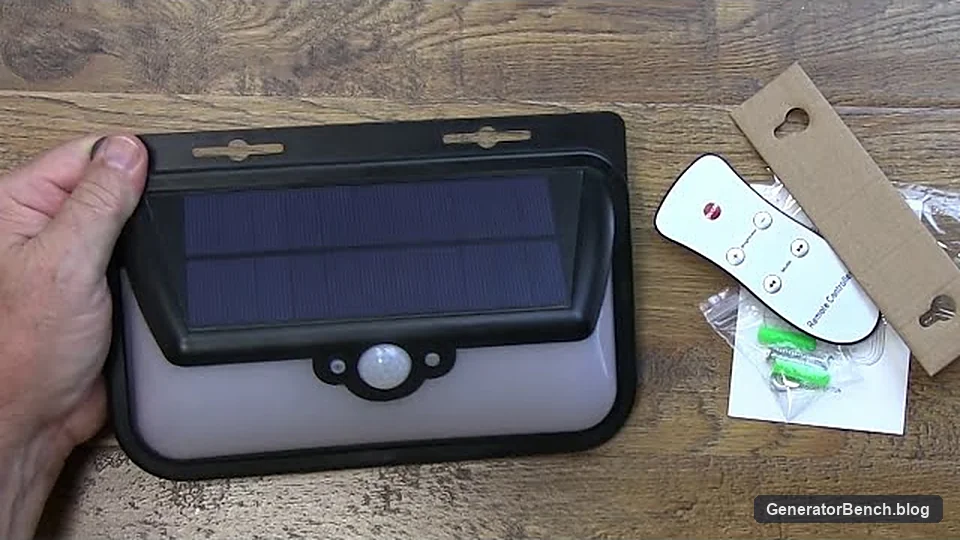
Position light fixtures high enough to prevent tampering or bulb removal by intruders. Pair these lights with security cameras that capture high-definition footage of the approach paths.
Conceal portable generators behind opaque fencing or dense landscaping when not in use. Out of sight significantly reduces opportunistic targeting by passing motorists or prowlers.
Clear away overgrown brush that provides convenient hiding spots for criminals near your power equipment. Maintaining a clean perimeter enhances overall property surveillance effectiveness.
Strategic lighting acts as a powerful psychological deterrent against nighttime theft attempts around your backup power equipment. Install motion-activated LED floodlights delivering a minimum of 2,000 lumens directly over the generator installation zone.
Position security cameras to capture overlapping fields of view with high-definition optical sensors capable of reading license plates. Ensure your camera system utilizes infrared night vision technology to maintain clear recording quality in total darkness.
When hiding your generator behind landscaping elements or privacy fencing, never compromise essential exhaust airflow requirements. Maintain strict combustible clearance zones while using natural barriers to shield the expensive equipment from passing street views.
Connect your security lighting and camera arrays to an uninterruptible power supply during grid failures. This ensures your surveillance infrastructure remains fully operational even when the surrounding neighborhood experiences a total blackout condition.
- Use wide-angle LED fixtures for maximum coverage.
- Mount security cameras at optimal downward angles.
- Trim foliage within twenty feet of units.
- Test dusk-to-dawn sensors monthly for reliability.
Camera Placement and Lens Calibration
Position security cameras to capture both wide environmental views and tight identification shots. High-resolution sensors ensure clear facial recognition even under low-light night conditions.
Secure camera mounting poles with tamper-resistant fasteners to prevent deliberate redirection. Clean camera lenses regularly to maintain optimal optical clarity.
- Use infrared night-vision compatible lenses.
- Store video footage on redundant cloud servers.
Mitigating Theft Risks During Emergency Outages
Extended grid failures create chaotic environments where equipment theft spikes dramatically. Maintain heightened vigilance during regional emergencies when local law enforcement resources face severe strain.
Never leave portable generators running completely unattended in dark, remote yards overnight. Run heavy extension cords indoors so the power source remains within your immediate sightlines.
Keep fuel storage containers locked securely to prevent criminals from siphoning your supplies. Running out of fuel forces you to shut down units, compromising overall site security.
Coordinate security patrols with neighbors sharing similar emergency power setups during widespread outages. Community watch efforts provide mutual protection against organized theft rings.
Extended power outages create high-risk environments where opportunistic thieves actively scout neighborhoods for running portable generators. Never leave your running inverter unattended without utilizing a heavy-duty security cable linked to a permanent structural anchor.
Noise management plays a dual role during emergency operations by masking your generator's exact acoustic location from thieves. Construct a baffled acoustic enclosure that reduces decibel levels while keeping the exhaust path pointed safely away.
During severe weather events, thieves often exploit distractions and chaos to steal unsecured equipment from yards and porches. Establish a neighborhood watch rotation to monitor running backup power systems and deter unauthorized individuals roaming the streets.
Secure extra fuel cans alongside your generator using locking racks to prevent thieves from stranding your power supply. Always store gasoline safely inside an approved safety container anchored securely to the same structural anchor system.
- Monitor running units from nearby windows.
- Secure spare fuel cans inside locked sheds.
- Keep flashcans and emergency tools ready.
- Report suspicious scouting vehicles immediately.
Managing Temporary Power Cord Runs
Running long temporary power cords requires careful routing to avoid tripping and security hazards. Protect cord connections using heavy-duty locking plug covers.
Elevate junction points off damp ground to prevent electrical short circuits during severe storms. Regular inspections ensure cord insulation remains undamaged.
- Use weather-rated outdoor extension cables.
- Cover cable paths with heavy rubber ramps.
Conducting Routine Security Audits and Maintenance
Regular inspections ensure your security hardware remains fully functional over years of exposure. Check chain links and padlock cylinders for corrosion and mechanical wear quarterly.
Apply silicone lubricant to padlock mechanisms to prevent freezing during sub-zero winter storms. Test emergency backup batteries for tracking modules and alarms routinely.
Verify that concrete anchor bolts have not loosened due to continuous engine vibration. Tighten any vibrating fasteners immediately to maintain structural integrity.
Update emergency contact numbers and GPS tracking software subscriptions annually without fail. Proactive maintenance prevents catastrophic security failures during critical grid outages.
Conducting routine security audits ensures your physical locks and electronic monitors remain fully operational year-round. Inspect all chain links and anchor bolts every six months to check for signs of weathering, rust, or tampering.
Lubricate padlock cylinders and heavy hinges with a silicone-based spray to prevent moisture accumulation during freezing winter conditions. Clear away accumulated dirt, leaves, and debris that could obstruct your security hardware or ventilation paths.
Review security camera footage logs weekly to verify that motion triggers and cloud storage backups are functioning correctly. Check your mobile app settings to confirm push notification permissions remain active across all your designated devices.
Update your security protocols immediately after experiencing attempted break-ins or severe regional weather events that stress hardware. Maintaining a proactive maintenance schedule guarantees your backup power setup stays protected against evolving theft tactics.
- Test all alarms and tracking alerts monthly.
- Inspect chain links for microscopic stress fractures.
- Clean dust out of padlock keyways.
- Log maintenance dates in a service notebook.
Testing Electronic Alarms and Sensors
Perform simulated break-in tests to verify that motion sensors trigger alerts correctly. Ensure cellular transmitters communicate seamlessly with your mobile monitoring applications.
Replace aging backup batteries in wireless sensors before they fail completely. Proactive replacements ensure uninterrupted perimeter protection during emergencies.
- Trigger silent alarms to check signal latency.
- Verify battery voltage levels with a multimeter.
Frequently Asked Questions
What is the most effective chain type for securing a portable generator?
Always utilize heavy-duty Grade 80 or Grade 100 alloy steel chains featuring a specialized square-profile link design to completely deter opportunistic criminals from targeting your valuable emergency power equipment.
This high-tensile metallurgical composition successfully defeats standard manual bolt cutters and heavy hydraulic cutting tools during aggressive attempted break-ins across residential properties.
Should I install a GPS tracker inside my portable generator housing?
Installing a discreet GPS tracking module with internal motion sensors provides vital real-time alerts if your physical security setup is compromised.
Hardwiring the tracker directly to the engine starting battery ensures continuous operational power and reliable location tracking if thieves manage to haul the unit away.
How can I anchor a generator without pouring a permanent concrete slab?
You can utilize heavy earth anchor augers twisted deep into undisturbed soil or bolt the unit securely to a heavy wooden pallet loaded down with concrete blocks.
These alternative anchoring methods still provide substantial resistance against rapid grab-and-go theft attempts during extended power outages.
What padlock design offers the best protection against physical attacks?
Shrouded padlocks constructed from hardened boron steel provide superior resistance because the surrounding steel collar blocks leverage tools effectively.
This specific architectural design prevents angle grinders and hacksaws from making direct contact with the vulnerable locking shackle pin during a break-in.
Does enclosing a generator in a security cage cause overheating issues?
Enclosing a generator can restrict crucial airflow unless you design the security cage with adequate louver clearance matching manufacturer specifications.
Always verify that intake ventilation and exhaust routing remain completely unobstructed to prevent permanent alternator damage and dangerous engine overheating during long run times.