How to Hook Up Portable Generator to Travel Trailer
Connecting temporary power requires precise voltage matching and heavy-duty cabling. Proper grounding prevents catastrophic electrical failures during campsite operations.

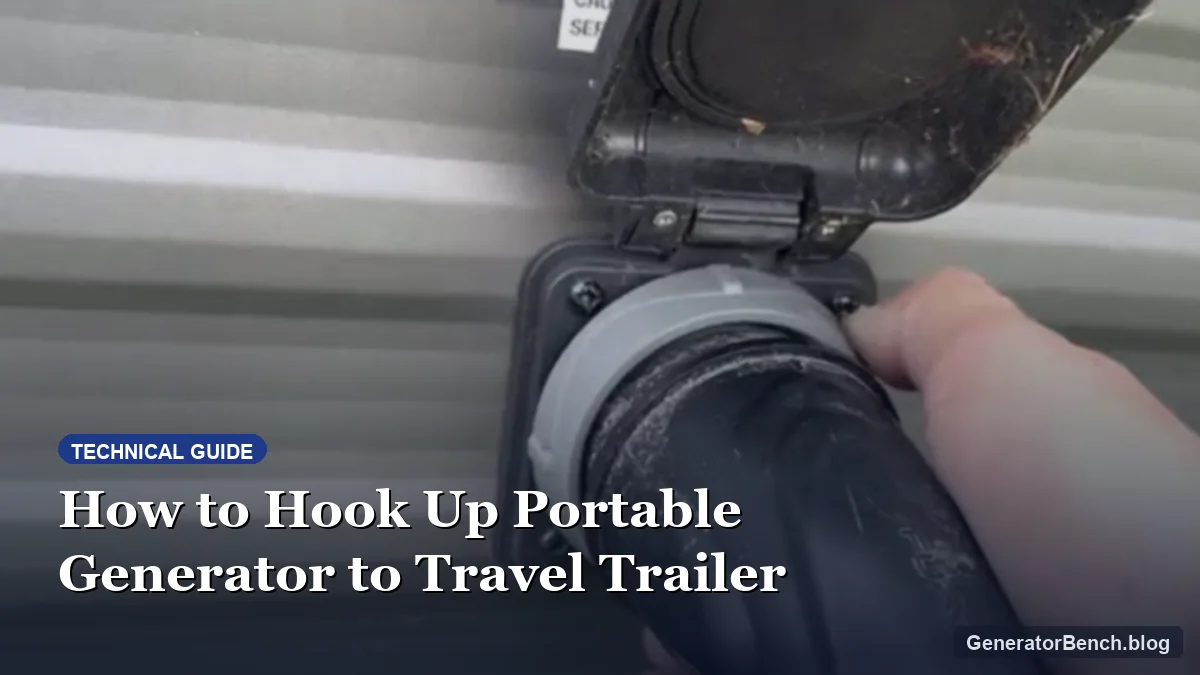
Always verify your trailer electrical load before plugging in. Ground the portable unit properly to protect onboard appliances and sensitive electronics from surges.
Looking for matching picks? See our Best Travel Trailer Portable Generators.
Practical Quick-Reference Table
| Scenario / Metric | Recommended Target | Why It Matters |
|---|---|---|
| Running Amperage | 30A or 50A match | Prevents severe thermal overload. |
| Generator Placement | Minimum twenty feet | Eliminates lethal carbon monoxide risks. |
| Extension Cord Gauge | 10 AWG heavy-duty | Reduces excessive voltage drop hazards. |
| Grounding Rod | Copper-clad steel | Safely dissipates stray electrical faults. |
| Inverter THD | Under three percent | Protects sensitive digital control boards. |
| Breaker Status | Switch to off position | Prevents sparking during live connections. |
Evaluating Electrical Demands and Generator Capacity
Calculating your total running watts prevents sudden overloads during peak appliance usage. Review your trailer circuit breaker rating before selecting a portable generator for your upcoming trip.
Air conditioners and microwave ovens demand high startup surges. Ensure your portable unit handles starting watts without tripping internal circuit breakers or stalling out unexpectedly.
Inverter generators provide cleaner power waveforms compared to open-frame alternatives. Modern RV refrigerators and digital thermostats require stable voltage regulation to prevent internal component failure.
Altitude and ambient temperature drastically reduce internal combustion engine output. Factor in a twenty percent power loss when camping at high elevations above five thousand feet.
Calculating exact running watts requires adding the continuous draw of your 13,500 BTU air conditioner alongside the refrigerator and water heater to prevent unexpected overloads during peak operational cycles.
Factor in motor starting surge requirements because inductive loads demand massive spikes. Use our wattage sizing calculator to determine exact requirements when compressors kick on inside your climate control systems.
Operating at high altitudes inherently reduces internal combustion engine output by roughly three and a half percent per thousand feet of elevation gain above sea level.
Parallel kits allow pairing two smaller inverter generators to deliver thirty amps of combined service safely, preserving fuel efficiency while handling heavy recreational vehicle electrical demands.
- Total up running and starting wattages carefully.
- Select a unit matching your 30A or 50A plug.
- Account for temperature and altitude power degradation.
- Prioritize pure sine wave models for electronics.
Calculating Starting Versus Running Loads
Inductive loads like compressor motors require massive initial current spikes. Staggering appliance startup sequences protects your portable generator from instantaneous overload faults.
Monitor your onboard energy management display panel closely. Keeping total load below eighty percent capacity extends engine lifespan significantly.
- Turn off heavy loads before starting the engine.
- Bring appliances online sequentially one by one.
Selecting Correct Adapter Cords and Shore Power Connectors
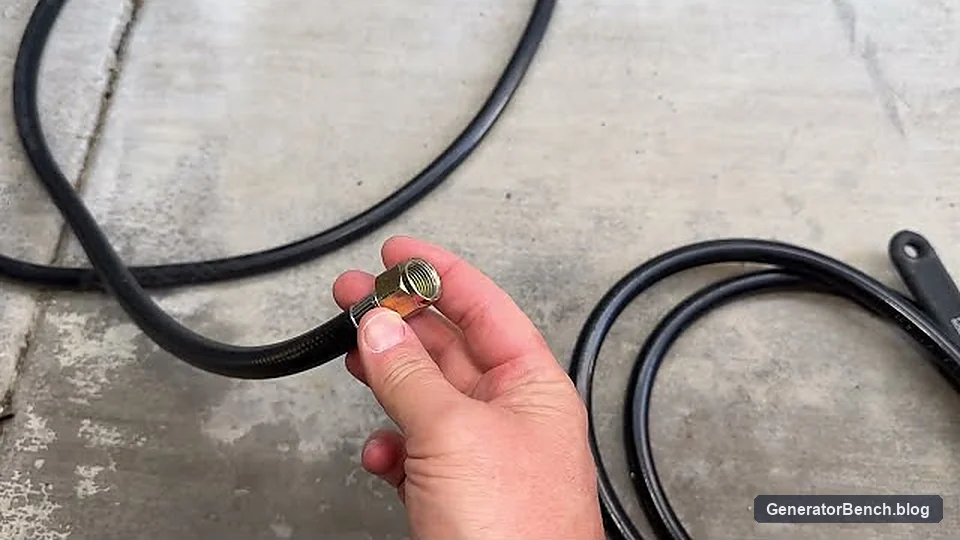
Matching your generator outlet to your travel trailer inlet requires proper adapter plugs. Check out our best generator for travel trailer guide to find suitable TT-30R receptacle options for thirty-amp shore power cables.
Avoid using lightweight household extension cords for high-amperage power delivery. Undersized conductors build extreme resistance, melting plastic insulation and damaging sensitive vehicle electronics.
Inspect all cable jackets for cuts, abrasions, or exposed copper wiring before deployment. Weather-rated twist-lock connectors maintain a secure mechanical bond during severe rainstorms.
Store your shore power cables neatly in ventilated compartments. Preventing sharp bends in heavy copper cabling eliminates internal wire strand breakage over time.
Heavy-duty marine-grade shore power cables featuring locking twist-lock plugs prevent accidental disconnections caused by weather, foot traffic, or mechanical vibrations near the trailer hookup box.
Standard dogbone adapters must match your exact amperage needs, stepping down a fifty-amp service plug to a thirty-amp trailer inlet using thick copper conductors.
Inspect exterior twist-lock receptacles for corrosion, pitting, or discoloration, as oxidized brass pins create high-resistance connections that generate excessive heat and melt plugs.
Always deploy heavy-gauge extension cords rated for outdoor use, ensuring wire diameters measure at least ten gauge to minimize voltage drop over long distances.
- Match generator receptacle types to trailer cords.
- Inspect cable insulation for weathering and cracking.
- Use twist-lock plugs to prevent accidental disconnections.
- Keep total cable runs as short as possible.
Managing Fifty-Amp Configurations
Fifty-amp travel trailers utilize dual-leg 120/240V configurations for heavy electrical demands. Large portable generators require specific adapter boxes to split power evenly across both legs.
Verify leg balance to prevent overloading internal distribution panels. Uneven power draws can trip generator main breakers immediately upon load application.
- Use dedicated 50A parallel generator kits.
- Monitor individual leg amperages using a clamp meter.
Video Walkthrough: RV Basics 101: How to Use a Portable Generator
Strategic Physical Placement and Exhaust Safety
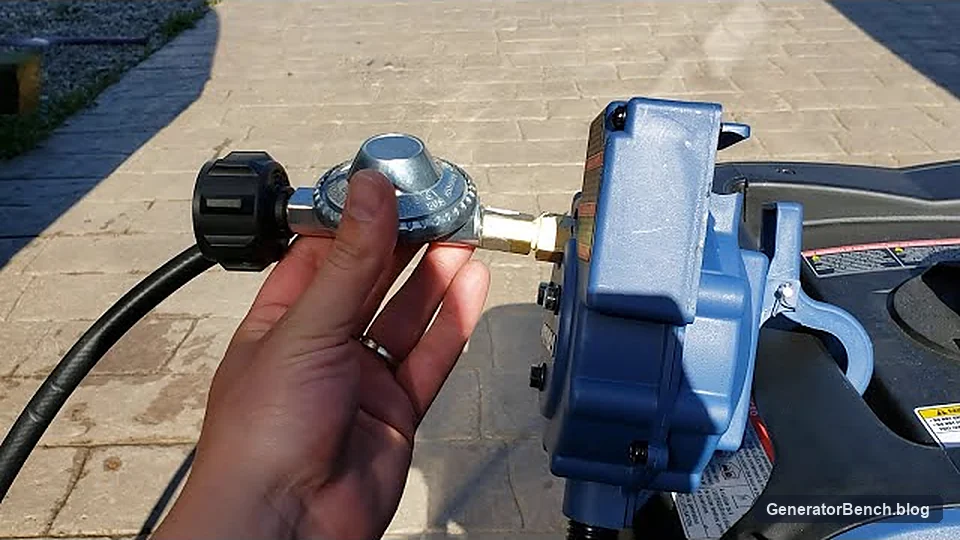
Position your portable generator downwind and far away from all living spaces. Exhaust gases contain lethal carbon monoxide that easily permeates trailer walls and seals.
Maintain a minimum safety distance of twenty feet from your travel trailer entrance doors and slide-outs. Use long, heavy-duty power cords to bridge this required physical gap.
Place the unit on a firm, level surface to ensure proper engine lubrication. Uneven ground can trigger low-oil shutdown sensors, halting power generation unexpectedly.
Protect the generator chassis from direct rainfall using approved canopies. Never enclose running generators inside storage compartments or tight campsite utility boxes.
Position your portable generator at least twenty feet away from the trailer. Review our quietest generator for travel trailer rankings before pointing exhaust mufflers entirely away from windows, slides, and doors.
Carbon monoxide detectors inside the living space require fresh batteries and annual testing, because silent odorless fumes can pool beneath the chassis during dead calms.
Secure the unit on level, dry ground using rubber anti-vibration mats to prevent creeping, reduce acoustic resonance through the frame, and protect internal alternator windings.
Never operate gasoline-powered generators inside enclosed storage compartments, truck beds with canopies, or under wet awnings without verified cross-ventilation airflow channels.
- Keep exhaust pointed away from living areas.
- Maintain twenty feet of clear operational distance.
- Operate strictly on stable, level ground surfaces.
- Shield electrical panels from direct moisture exposure.
Mitigating Noise and Vibration Issues
Engine vibrations can travel through the frame and disturb nearby campers. Place rubber anti-vibration mats underneath the generator feet to dampen structural noise.
Position the exhaust side facing away from neighboring campsites. Respecting community noise ordinances ensures a pleasant outdoor recreation experience for everyone.
- Use rubber isolation pads underneath the frame.
- Angle exhaust mufflers away from occupied spaces.
Grounding Procedures and Electrical Fault Prevention
Proper grounding protects your travel trailer chassis from dangerous electrical shock hazards. Consider upgrading via our best dual fuel generator for travel trailer reviews before driving a dedicated copper-clad grounding rod into the earth.
Connect heavy-gauge grounding wire from the generator frame terminal directly to the rod. Consult your owner manual to determine if your unit features a floating or bonded neutral.
Most modern portable generators feature bonded neutral configurations for standalone operation. Trailers equipped with progressive surge protectors may require specific neutral-ground bonding plugs.
Test your trailer electrical system with a circuit analyzer before connecting major appliances. Identifying wiring faults early prevents costly damage to air conditioner compressors.
Portable generators typically feature floating neutral designs, meaning you must verify whether your specific travel trailer requires a bonded neutral plug for proper EMS operation.
Drive an eight-foot copper-clad rod into the earth and connect heavy bonding wire to the designated chassis grounding lug when operating in wet environments.
Surge protectors with built-in circuit analysis shield sensitive digital RV appliances from sudden voltage spikes, reverse polarity, and low-voltage brownout conditions.
Test ground fault circuit interrupter outlets monthly by pressing the test button to ensure mechanical trip mechanisms function correctly before plugging in expensive electronics.
- Drive a dedicated grounding rod into moist soil.
- Attach heavy copper wire to the frame lug securely.
- Verify neutral bonding status with a multimeter.
- Test receptacles using an outlet circuit analyzer.
Addressing Floating Neutral Generators
Floating neutral units require a custom bonding plug for safe RV operation. Inserting a bonded plug into a duplex outlet bridges neutral and ground connections internally.
Remove the bonding plug immediately when transitioning back to standard home backup use. Proper configuration ensures safety devices trip correctly during faults.
- Fabricate or source a dedicated bonding plug.
- Insert plug into a spare generator duplex outlet.
Step-by-Step Connection and Startup Sequence
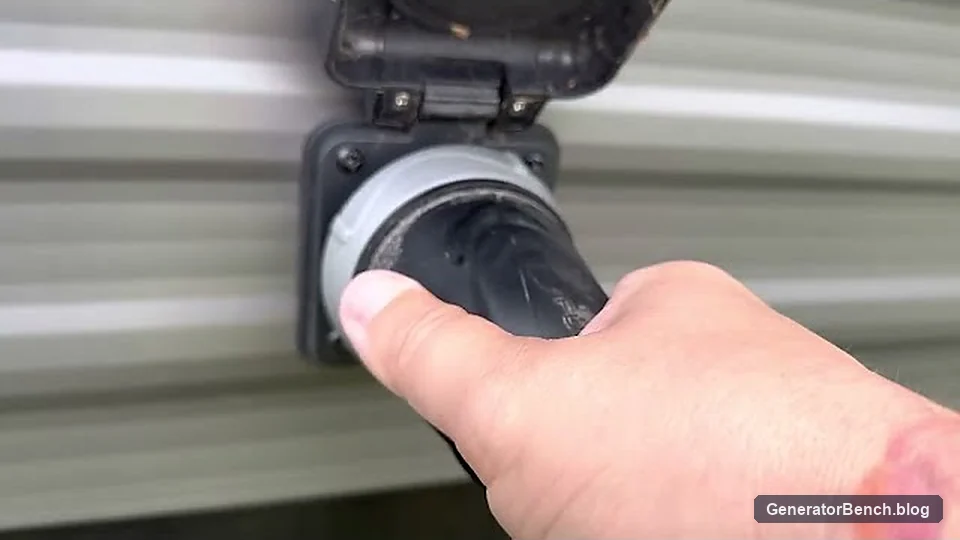
Always start your portable generator with all connected loads turned off. Allowing the engine to warm up unburdened stabilizes output voltage and engine speed.
Switch the main generator circuit breaker to the open or off position before plugging in your heavy-duty shore power cable twist-lock connector securely.
Engage the generator main breaker slowly after verifying a secure mechanical connection. Listen for the RV converter fan to spin up, indicating successful power transfer.
Turn on high-draw appliances sequentially while monitoring your power display panel. Avoid switching on multiple heavy motor loads simultaneously to prevent stalling.
Always start the portable generator in eco-mode off and let the engine reach optimal operating temperature before applying any electrical load to the inverter.
Turn off the main circuit breaker inside your travel trailer before inserting the shore power cable to prevent arcing across the brass connection terminals.
Twist and lock the power cord securely into the generator panel, listening for the audible click that confirms complete mechanical engagement of the locking collar.
Flip the trailer main breaker back to the on position, then gradually bring online high-draw appliances like air conditioners spaced several minutes apart.
- Start the engine with zero electrical load applied.
- Keep generator circuit breakers off during plug-in.
- Engage power delivery slowly after connection.
- Monitor dashboard meters for voltage stability.
Safe Shutdown and Disconnect Protocol
Turn off all major travel trailer appliances prior to shutting down. Removing electrical loads eliminates destructive arcing across switches and generator receptacles.
Trip the generator main breaker to the off position before unplugging cables. Let the engine idle for two minutes to cool down internal components.
- Turn off trailer air conditioners and heavy loads.
- Unplug power cords after opening main breakers.
Video Walkthrough: Plugging the camper into the generator
Troubleshooting Common Power Drops and Operational Faults
Sudden power loss usually indicates a tripped circuit breaker on the generator. Inspect both the unit panel and your travel trailer distribution box for popped switches.
Low oil level sensors frequently shut down engines during operation on slopes. Check your engine oil dipstick immediately if the generator cranks but refuses to stay running.
Dirty air filters or stale fuel can cause surging and voltage drops under load. Maintain fresh fuel and clean filter elements to ensure reliable campsite performance.
Overloaded circuits will trigger thermal overload warnings on inverter display panels. Reduce your active appliance count and press the reset button to restore power.
If the generator overload light illuminates, immediately disconnect heavy loads and press the thermal reset button after allowing the alternator a brief cooling cycle.
Low-voltage symptoms often indicate undersized extension cords or loose terminal connections, resulting in dimming interior lights and unresponsive microwave control panels.
Inspect inline fuses and circuit breakers on the generator control panel if power drops completely while the engine continues running smoothly at a steady RPM.
Clean oxidized prongs using fine emery cloth and apply dielectric grease to connector pins to eliminate intermittent power losses caused by salt air exposure.
- Check generator and trailer circuit breakers first.
- Verify engine oil levels on level ground surfaces.
- Inspect air filters and fuel quality regularly.
- Reset thermal overload faults after shedding loads.
Resolving Low Voltage Warnings
Eco-mode settings can cause temporary voltage drops when heavy motor loads engage. Switch your generator to standard high-rpm mode for responsive power delivery.
Inspect extension cord connections for loose pins or corrosion. High resistance across dirty terminals reduces delivered voltage to your travel trailer.
- Disable eco-mode when running heavy air conditioners.
- Clean corroded plug terminals with wire brushes.
Frequently Asked Questions
Can I plug my travel trailer directly into a standard household generator outlet?
You must use an approved adapter cord to bridge different plug configurations safely. Standard household outlets limit total amperage, so manage your appliance usage accordingly.
Do I need to drive a grounding rod every time I use a portable generator?
Many portable inverter generators feature floating neutrals that do not require external rods. Check your specific user manual and local regulations for compliance.
Why does my generator stall when the travel trailer air conditioner turns on?
Air conditioners demand high surge wattage that exceeds running limits. Stagger appliance usage and disable eco-mode to handle compressor startup currents.
How far away should my portable generator be positioned from the trailer?
Position the unit at least twenty feet away with the exhaust pointing out. This prevents lethal carbon monoxide from entering living spaces.
Should I turn off generator power before plugging in my shore power cord?
Always keep generator breakers in the off position during connection. This prevents dangerous electrical arcing and protects sensitive vehicle electronics.