How To Hook Up Generator To Rv Safely
Connecting auxiliary power requires strict adherence to electrical protocols. Proper grounding prevents catastrophic appliance failures during transit.

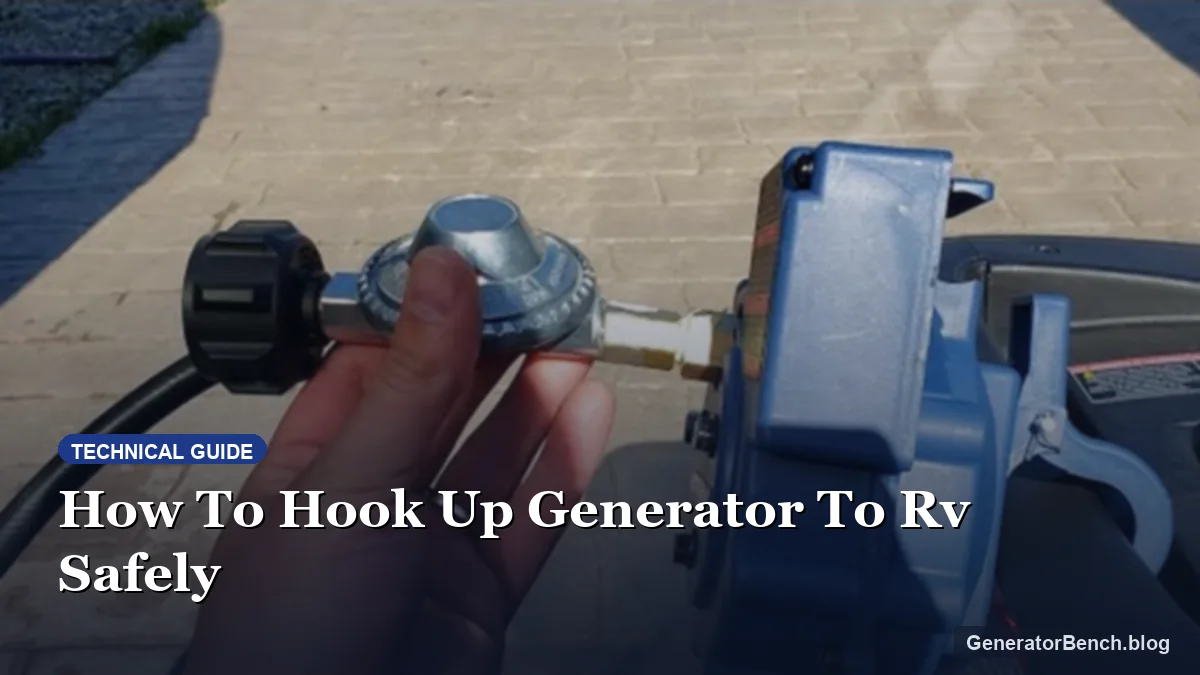
Always match your generator amperage output to your recreational vehicle shore power inlet. Never bypass neutral bonding when operating standalone portable units.
Looking for matching picks? See our Best Generator For Rv.
Practical Quick-Reference Table
| Scenario / Metric | Recommended Target | Why It Matters |
|---|---|---|
| Shore Power Inlet | 30-Amp or 50-Amp | Matches receptacle configuration. |
| Extension Cord Gauge | 10 AWG minimum | Reduces destructive voltage drop. |
| Generator Grounding | Dedicated earth rod | Prevents lethal chassis shock. |
| Running Wattage | 3000W to 4000W | Supports basic RV air conditioning. |
| Exhaust Clearance | 20 feet away | Blocks carbon monoxide infiltration. |
| Fuel Storage | Approved containers | Mitigates explosive vapor ignition. |
Electrical Fundamentals And Load Sizing
Calculating total electrical load dictates proper unit selection. Most travel trailers utilize 30-amp service while larger motorhomes demand heavy 50-amp configurations.
Starting wattage exceeds running wattage significantly on motor-driven appliances. Air conditioners require surge headroom to prevent damaging low-voltage conditions.
Inverter technology provides clean power with minimal total harmonic distortion. Sensitive electronics onboard your motorhome need this stable sinusoidal output for safe operation.
Evaluating high-draw appliances prevents unexpected circuit breaker trips. Check our best home emergency generator guide to find reliable backup options that safely handle large motor starting surges.
- Identify your exact recreational vehicle electrical service rating.
- Add running watts of all simultaneously used heavy appliances.
- Account for inductive motor startup surges during hot weather.
- Select inverter generators featuring low total harmonic distortion levels.
Calculating Running Versus Surge Demands
Motors require a temporary surge of current to spin up from a dead stop. Your generator must handle this initial spike smoothly.
Exceeding rated continuous output triggers thermal overloads instantly. Always prioritize running capacity over peak surge claims when sizing.
- Check compressor data plates for locked rotor amperage.
- Stagger appliance startups to minimize heavy electrical transients.
Receptacle Types And Adapter Selection
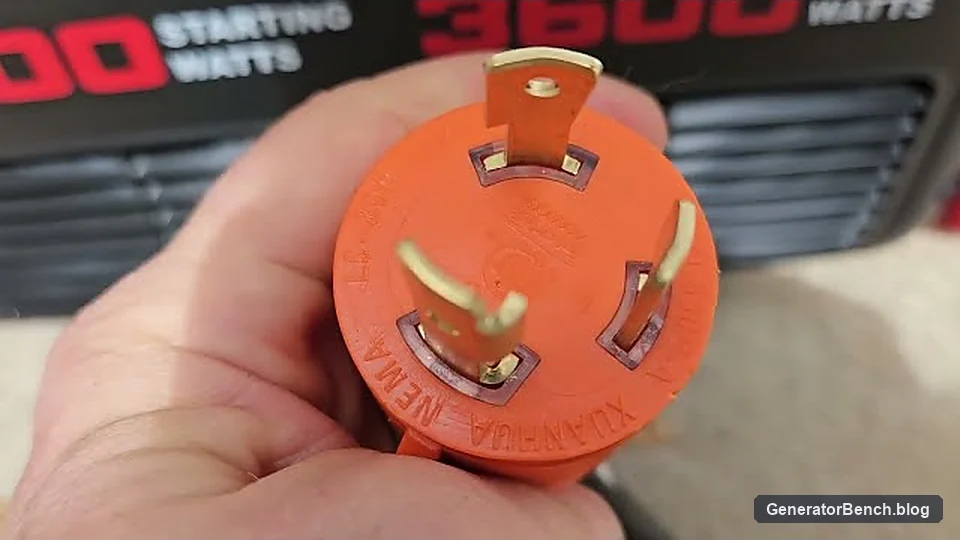
Matching physical plugs to available receptacles prevents dangerous arcing. Standard recreational vehicles use distinct locking connectors designed for outdoor endurance.
A TT-30R receptacle supports standard 30-amp single-pole configurations safely. Heavy-duty motorcoaches require a 14-50R four-prong outlet for dual air conditioning systems.
Avoid using flimsy extension cords under heavy electrical loads. Review our best household generator picks to select robust power equipment featuring properly rated connectors that prevent melting plastic housings during extended usage.
Inspect all plug blades for corrosion prior to insertion. Clean metal surfaces ensure optimal conductivity across the entire power transfer path.
- Verify generator panel output receptacles match your shore cord.
- Use heavy-duty molded adapters rated for outdoor marine use.
- Never daisy-chain multiple adapters to reach distant outlets.
- Check locking rings on twist-lock plugs for secure retention.
Identifying Twist-Lock Connectors
Twist-lock plugs prevent accidental detachment from vibrations. Securing the locking ring maintains weatherproof integrity during storms.
Align the ground pin carefully before rotating clockwise. A secure latch prevents intermittent contact that damages sensitive converter boards.
- Look for L5-30 or L14-30 designations on control panels.
- Twist firmly until the retention tab clicks into place.
Video Walkthrough: RV Basics 101: How to Use a Portable Generator
Grounding Protocols And Neutral Bonding
Portable units often feature floating neutrals depending on design. Consult our best solar electric generator list to understand whether your generator frame requires external earth grounding for safe auxiliary power connections.
Floating neutral units require specific bonding plugs for certain RV surge protectors. Without proper bonding, internal surge protection systems may lock out power.
Drive a dedicated copper earth rod into moist soil when operating near campfires. Attach a heavy bonding wire securely to the grounding lug.
Consult your vehicle manufacturer manual regarding neutral-ground bonding requirements. Safety standards prevent dangerous chassis voltage differentials during operation.
- Determine if your portable generator has a bonded neutral.
- Use a specialized circuit analyzer to test shore power wiring.
- Drive grounding rods at least three feet into earth.
- Keep bonding cables short to minimize electrical resistance.
Addressing Floating Neutral Issues
Smart surge protectors detect floating neutrals and refuse power. Fabricating a custom bonding plug resolves this compatibility hurdle quickly.
Install a jumper wire between neutral and ground terminals inside a spare plug. Never use this modified plug on standard bonded systems.
- Use a multimeters continuity setting to verify plug wiring.
- Label modified bonding plugs clearly to prevent misuse.
Step-By-Step Hookup Procedure
Park your generator downwind and well away from living quarters. Use our wattage sizing calculator tool before starting the engine to prevent sudden load shock from overdrawn appliances.
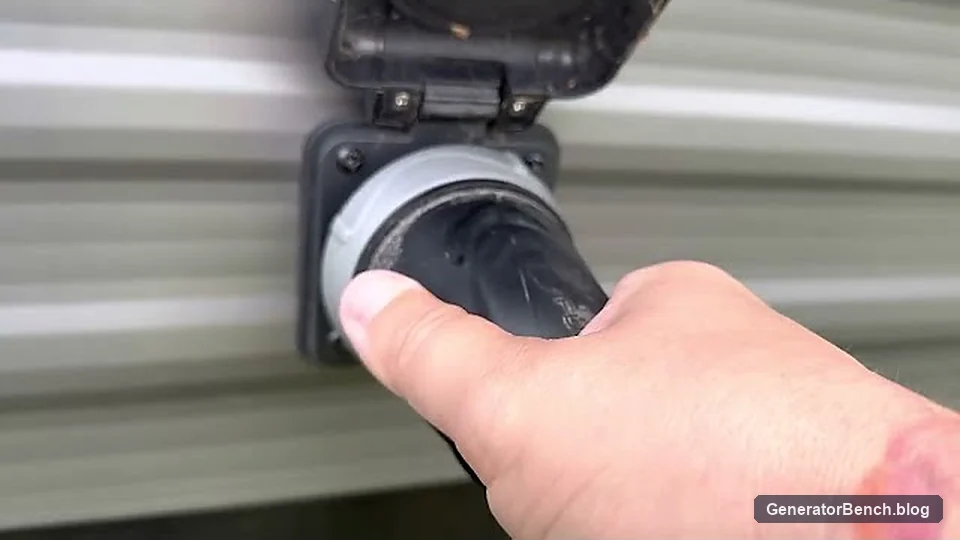
Allow the engine to warm up and stabilize its operating RPM. Verify proper output voltage using a digital multimeter at the panel.
Plug your heavy-duty shore power cord firmly into the generator receptacle. Twist the locking ring to secure the weatherproof connection tightly.
Return to the generator panel and switch on main breakers. Step inside your vehicle and monitor the power transfer switch or panel lights.
- Position generator on flat ground away from open windows.
- Start engine and let it run idle for two minutes.
- Connect shore power cord while breakers remain turned off.
- Engage generator circuit breakers gradually under light loads.
Disconnecting Power Safely
Turn off all heavy appliance switches inside the vehicle first. Reducing current draw prevents electrical arcing at the plug contacts.
Trip the generator main breaker before unplugging your cord. This simple habit preserves contact longevity across years of travel.
- Power down air conditioners and water heaters beforehand.
- Store shore cords in dry compartments immediately after use.
Managing Parallel Generator Synchronization
Smaller inverter units can be linked together to double output capacity. Using an approved parallel kit synchronizes alternating current phases perfectly.
Mismatched generator models require specialized balancing cables and adapters. Never attempt DIY bridging without matching output frequencies and voltages.
Connect the parallel communication cables before starting either engine. Proper grounding between both frames prevents circulating ground currents.
Monitor individual load meters on each coupled unit carefully. Balancing fuel consumption ensures both generators run efficiently under heavy dual loads.
- Use identical wattage generators for optimal load sharing.
- Attach parallel control cables to designated communication ports.
- Verify phase synchronization lights illuminate correctly on kits.
- Distribute heavy loads evenly across both available receptacles.
Balancing Dual Unit Fuel Usage
Coupled generators often consume fuel at slightly different rates. Monitor fuel tanks closely to avoid running one unit completely dry.
Refuel both engines during low-demand periods with switches off. Hot exhaust components demand extreme fire safety precautions during transfers.
- Keep auxiliary fuel cans stored in ventilated exterior bays.
- Let hot mufflers cool before attempting emergency refueling tasks.
Video Walkthrough: Properly connect a generator to a towable and drivable camper.
Voltage Drop And Extension Cord Safety
Long extension cords cause severe voltage drop over distance. Using inadequate wire gauges creates excessive heat buildup and ruins sensitive electronics.
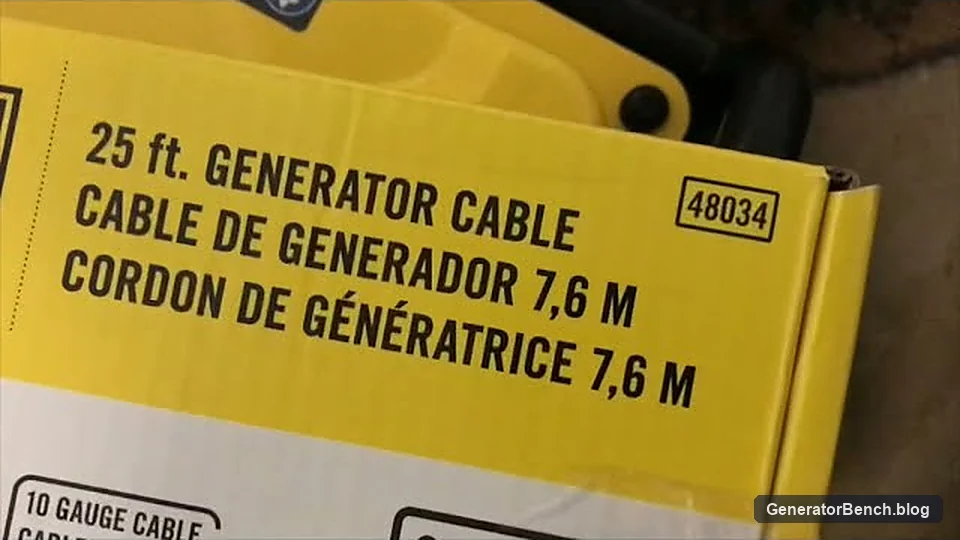
Select heavy 10-gauge cords for runs exceeding twenty-five feet. Thicker copper conductors maintain stable voltage delivery to your power center.
Inspect outer cord insulation for cuts, abrasions, or cracking. Damaged outer jackets expose live wires to dangerous moisture hazards outdoors.
Never coil excess extension cords tightly during high-current operations. Coiled loops create inductive magnetic fields that trap thermal energy inside.
- Calculate total cord length required before setting up camp.
- Avoid running power cords through high-traffic walking paths.
- Protect cord connections from standing puddles of rainwater.
- Discard frayed or damaged extension cords immediately without repair.
Calculating Proper Wire Gauge
Amperage draw dictates the minimum acceptable copper wire size. Exceeding recommended distances requires stepping up to thicker gauge wire.
Voltage drops exceeding five percent cause motor overheating. Protect your investment by prioritizing low-resistance cabling for all setups.
- Match 30-amp setups with strict 10 AWG cabling.
- Use 6 AWG cords for heavy 50-amp remote setups.
Environmental Placement And Exhaust Safety
Carbon monoxide gas is odorless, colorless, and highly lethal. Position your generator exhaust at least twenty feet away from all RV slide-outs.
Point exhaust mufflers away from neighboring campsites and vehicles. Prevailing winds can push toxic fumes directly toward sleeping quarters rapidly.
Install battery-operated carbon monoxide detectors inside your living space. Test alarm batteries monthly to ensure reliable early warning capabilities.
Never operate generators inside enclosed awnings, sheds, or garages. Adequate cross-ventilation prevents fatal exhaust gas accumulation in tight spaces.
- Keep exhaust pipes clear of brush, leaves, and dry grass.
- Monitor wind direction shifts throughout your camping stay.
- Test indoor carbon monoxide detectors before every trip.
- Elevate generators on hard surfaces to prevent sinking.
Mitigating Noise And Vibration
Engine vibrations transmit loudly through metal trailer frames. Place rubber anti-vibration mats underneath generator feet to dampen resonance.
Acoustic enclosures reduce decibel output significantly in campgrounds. Maintain proper airflow clearances while utilizing sound-dampening baffles around units.
- Park on soft turf to absorb mechanical ground hums.
- Check local campground noise ordinances regarding decibel limits.
Common Faults And Troubleshooting Methods
Sudden power loss usually indicates a tripped circuit breaker. Inspect both generator panel breakers and your internal main breaker first.
Inverter overload lights illuminate when power demands exceed limits. Reduce connected loads and press the reset button after cooling down.
Dirty carburetor jets cause erratic engine surging under heavy loads. Clean fuel systems periodically using stabilized gasoline mixtures to prevent varnish.
Low oil shutdown sensors disable engines automatically during tilting. Ensure your generator sits completely level on firm ground supports.
- Reset tripped thermal breakers after unplugging heavy appliances.
- Check oil level dipsticks when engines refuse to start.
- Drain stale fuel bowls before storing units for winter.
- Replace clogged air filters to restore proper combustion airflow.
Diagnosing No-Voltage Output Failures
Running engines with zero electrical output point toward excitation loss. Flash generator fields using a 12V battery if residual magnetism fades.
Check internal fuses on inverter control circuit boards. Blown fuses often result from accidental short circuits during plug insertion.
- Test output receptacles with a calibrated digital multimeter.
- Inspect brushes and slip rings for excessive carbon wear.
Routine Maintenance And Winter Storage
Regular maintenance guarantees reliable auxiliary power on every trip. Change engine oil every one hundred hours of operating time.
Clean spark arrestor screens regularly to prevent carbon buildup. Restricted exhaust paths reduce engine power and cause hard starting issues.
Prepare units for storage by running carburetors completely dry. Fresh fuel stabilizer protects internal metal parts from destructive corrosion.
Store portable generators in clean, dry, and ventilated sheds. Cover units with breathable canvas tarps to keep out dust and moisture.
- Keep spare spark plugs and air filters in storage.
- Disconnect starting batteries during extended seasonal storage periods.
- Inspect fuel lines for hardening, cracking, or minor leaks.
- Test backup starting cords for fraying or binding.
Seasonal Fuel System Preservation
Stale gasoline gums up tiny carburetor jets within weeks. Treat stored fuel cans with high-grade detergent additives immediately.
Drain fuel tanks completely before winterizing your equipment. Dry storage prevents moisture accumulation inside metal fuel reservoirs.
- Run engines dry with fuel valves closed tightly.
- Fog cylinder walls with protective oil for long storage.
Frequently Asked Questions
Can I run my RV air conditioner with a 2000-watt generator?
A single 2000-watt inverter generator can power a small 13,500 BTU air conditioner if equipped with a soft start kit. Otherwise, startup surge demands will instantly trip the generator overload protection.
Why does my RV surge protector show a wiring fault?
Portable generators often feature floating neutrals that trigger safety lockouts on advanced surge protectors. Installing a custom neutral-ground bonding plug resolves this issue safely.
Do I need to drive an earth grounding rod at campsites?
Most standalone portable generators do not require external earth rods for recreational vehicle use. Always verify local campground rules and follow your manufacturer technical guidelines.
What gauge extension cord should I use for a 30-amp RV hookup?
Always use a heavy-duty 10 AWG extension cord for 30-amp power transmissions. Thinner cords cause dangerous voltage drops and overheat under heavy loads.
How far away should my generator be placed from the RV?
Position your generator at least twenty feet away from living quarters. This distance prevents lethal carbon monoxide gas from entering windows.