How To Ground A Generator Without A Grounding Rod
Proper grounding ensures operator safety during portable power generation. Understanding generator internal bonding helps prevent hazardous fault conditions.

Portable generator frames naturally bond to the neutral conductor if configured properly. Always verify alternator winding configurations before connecting external metallic equipment or utility subpanels.
Looking for matching picks? See our Best Electric Generator.
Practical Quick-Reference Table
| Scenario / Metric | Recommended Target | Why It Matters |
|---|---|---|
| Floating Neutral | Isolated Frame | Prevents incorrect loop paths |
| Bonded Neutral | Frame-to-Neutral Link | Meets basic safety standards |
| Structural Steel | Bare Metal Contact | Provides solid earth reference |
| Water Pipe Check | Metal Main Only | Avoids plastic and gas lines |
| GFCI Receptacle | Monthly Trip Test | Protects against electric shock |
| Clamp Resistance | Under 25 Ohms | Ensures safe fault dissipation |
Fundamentals Of Generator Electrical Neutral Bonding
Portable generators utilize distinct alternator designs that dictate how current returns to the source. Most consumer units feature a bonded neutral where the neutral wire connects directly to the metal frame.
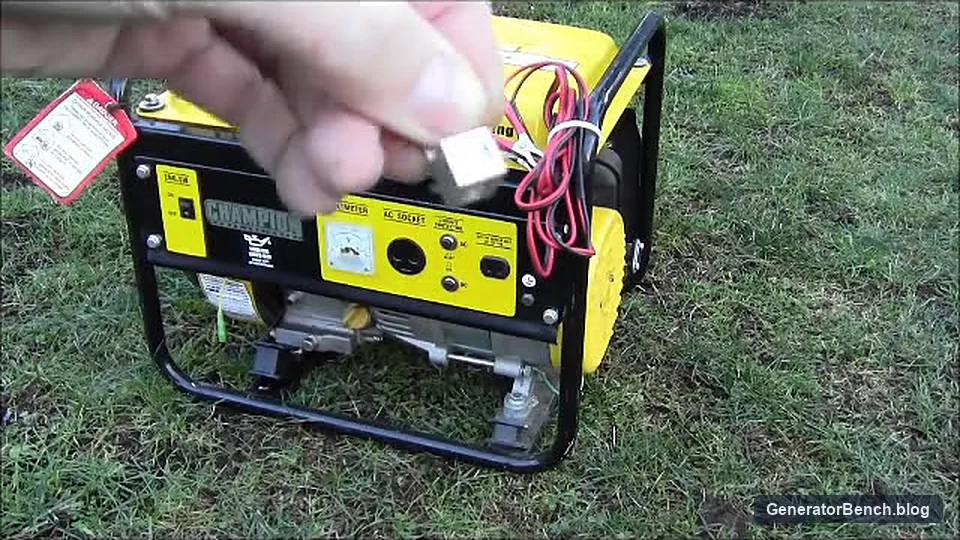
When operating a portable unit independently, such as models featured in our best household generator review, this internal connection satisfies basic safety protocols without requiring extra installation hardware.
Understanding these internal electrical pathways prevents dangerous ground loops and equipment damage. Manufacturers print specific wiring schematics on the alternator housing or inside the primary maintenance manual for quick field reference.
Never assume every generator arrives factory-configured with a bonded neutral winding setup. Inspecting terminal blocks with a digital multimeter ensures accurate identification before deploying power cords in damp environments.
- Locate the alternator wiring diagram on the frame.
- Check continuity between neutral and the metal frame.
- Identify whether the unit uses a floating neutral design.
- Consult the operator manual for exact terminal locations.
Identifying Factory Wiring Configurations
Removing the alternator maintenance panel exposes the primary wiring harness and grounding lugs. Technicians use digital multimeters set to continuity mode to verify if the neutral prong links directly to the chassis.
This straightforward test eliminates guesswork when operating auxiliary equipment. Confirming proper factory bonding protects downstream appliances from sudden voltage spikes during heavy load surges.
- Disconnect all loads before inspecting internal terminals.
- Set multimeters to low-ohm resistance or audible continuity.
Utilizing Structural Metallic Infrastructure For Safety
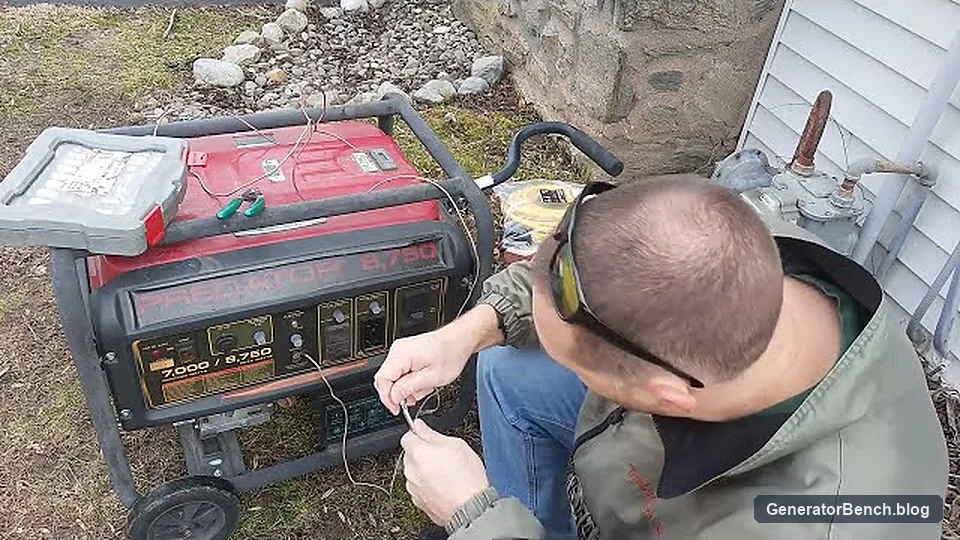
In scenarios lacking standard copper rods, existing metallic infrastructure offers viable earth pathways. Large steel building frames, structural columns, and buried water pipes can serve as reliable earthing points if continuous.
OSHA and NEC guidelines permit alternative grounding electrodes under strict temporary jobsite conditions. The chosen metallic object must maintain a direct, unbroken path to the earth with minimal electrical resistance.
Rust, paint, and plastic pipe inserts severely compromise the conductivity of alternative metallic structures. Technicians must thoroughly scrape away coatings down to bare metal before attaching heavy-duty grounding clamps securely.
Never rely on gas lines or fuel piping for grounding under any circumstances. Using flammable liquid infrastructure creates an extreme explosion hazard if an electrical fault injects stray current into the pipe.
- Verify structural metal goes directly into the soil.
- Remove paint and oxidation before clamp attachment.
- Avoid plastic fittings and coated pipe sections.
- Keep grounding jumper cables short and securely tightened.
Securing Heavy-Duty Mechanical Ground Clamps
Selecting the correct bronze or copper alloy clamp ensures a lasting mechanical connection, much like the hardware analyzed in our best solar electric generator review. Torque this hardware down firmly before startup.
Inspect the attachment point periodically for signs of galvanic corrosion or thermal stress. Maintaining a tight, clean interface preserves low electrical resistance across the entire temporary grounding circuit.
- Use UL-listed bronze grounding clamps for durability.
- Check torque settings after initial engine warm-up.
Video Walkthrough: When You DO and DO NOT Need to Ground Your Generator [Extension Cord Use \u0026 Backfeeding a Home]
Differentiating Floating Neutral From Bonded Topologies
Units with floating neutrals keep the neutral conductor isolated from the frame. Operators can verify system demands using our generator wattage sizing calculator before powering residential transfer switches or independent subpanels.
Connecting a floating neutral generator to a bonded system creates potential safety hazards. Without a proper return path, internal faults might not trip standard breakers, leaving the metal frame energized unexpectedly.
Field technicians frequently install temporary bonding plugs into floating neutral receptacles. These specialized adapters bridge the neutral and earth terminals inside a standard male plug housing for immediate safety compliance.
Always remove temporary bonding modifications when transitioning back to standard independent operation. Leaving unauthorized jumpers in place during multi-unit synchronization causes severe phase conflicts and equipment failures.
- Identify floating neutral alternators before emergency deployment.
- Use rated bonding plugs for isolated generator outlets.
- Prevent dangerous circulating currents between linked power sources.
- Remove temporary jumpers before standard standalone use.
Tying Into Existing Main Electrical Panel Grounds
When running a generator through an approved transfer switch featured in our best home emergency generator guide, the system ties directly into the main service panel for reliable power.
This setup eliminates the need for driving auxiliary rods into hard suburban soil. The transfer switch safely routes power while maintaining continuity with the established residential earth grounding network.
Licensed electricians must verify that the transfer switch correctly handles the neutral switching requirements. Improperly configured transfer equipment can create hazardous ground loops or backfeed utility transmission lines dangerously.
Inspect all conduit connections and bonding bushings within the service entrance enclosure regularly. Secure mechanical fasteners prevent vibration-induced separation during prolonged power outages and heavy electrical loads.
- Confirm transfer switch handles neutral switching properly.
- Utilize existing home grounding electrode conductors safely.
- Prevent dangerous electrical backfeeds into utility grids.
- Inspect service entrance bonding bushings for tightness.
Verifying Transfer Switch Neutral Switching
Dual-pole and triple-pole transfer switches disconnect utility neutrals depending on local electrical codes. Understanding your specific switch configuration dictates whether the generator neutral must remain floating or bonded.
Consult certified electrical contractors to review complex installation layouts before powering up. Proper integration protects sensitive home electronics from erratic voltage fluctuations and grounding imbalances.
- Check local electrical codes for neutral switching mandates.
- Test transfer switch operation with a qualified technician.
Assessing Circuit Protection And Alternator GFCI Rules
Modern portable generators feature built-in ground fault circuit interrupters on most 120-volt receptacles. These advanced safety devices monitor current balance continuously to protect operators from severe electric shock hazards.
GFCIs operate independently of external grounding rods, providing primary protection against direct contact faults. However, reliable frame bonding remains necessary to stabilize baseline reference voltages across the alternator windings.
Testing onboard GFCIs monthly ensures internal trip mechanisms function properly under load conditions. Press the test button and verify that power cuts out instantly before plugging in critical equipment.
Avoid overloading individual circuit breakers by balancing electrical loads evenly across available outlets. Exceeding rated amperage limits causes thermal overloads that degrade internal wiring insulation over time.
- Test built-in GFCIs monthly using the test button.
- Balance electrical loads evenly across available receptacles.
- Monitor running wattage to prevent thermal overloads.
- Inspect power cord insulation for cuts or fraying.
Video Walkthrough: 250 34(A) Grounding and Bonding for Portable Generator
Implementing Temporary Earthing Alternatives Outdoors
Job sites without structural steel or panels require creative, code-compliant earthing alternatives. Driving heavy steel rebar or using buried metallic plates provides acceptable temporary grounding when standard rods are missing.
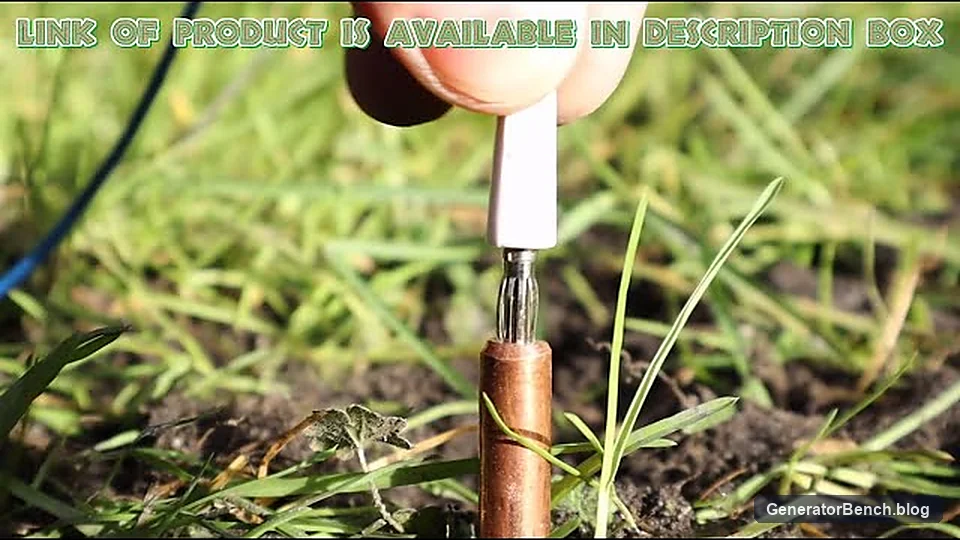
Ensure any alternative metal stake penetrates deeply enough into moist soil for stability. Dry sandy earth offers poor conductivity, reducing the effectiveness of improvised grounding methods significantly.
Pouring water around the base of a temporary earth stake improves local soil conductivity. This temporary measure helps lower electrical resistance during dry summer months or rocky job site conditions.
Always disconnect temporary stakes carefully after shutting down the generator engine completely. Store all grounding jumpers and clamps in dry storage compartments to prevent premature rust and connector failure.
- Drive temporary steel stakes deep into moist soil.
- Enhance conductivity by dampening dry ground around stakes.
- Disconnect earthing lines only after engine shutdown.
- Inspect temporary clamps for oxidation before storage.
Verifying Continuity And Impedance Without Standard Rods
Confirming system integrity without a dedicated rod requires specialized diagnostic testing equipment. Digital clamp meters measure earth resistance and loop impedance without requiring complex physical disassembly of connections.
Low resistance values indicate a healthy electrical path capable of handling fault currents safely. High impedance readings suggest loose mechanical fasteners, corrosion, or inadequate contact with the earth.
Perform routine maintenance checks on all grounding conductors, lugs, and frame attachment points. Replacing worn or oxidized hardware prevents unexpected electrical failures during critical backup power operations.
Document your test results to establish a baseline for future equipment performance reviews. Consistent tracking helps identify gradual degradation in grounding efficiency before hazardous conditions develop in the field.
- Use digital clamp meters to measure loop impedance.
- Check for low electrical resistance across connections.
- Replace oxidized hardware and loose mechanical fasteners.
- Maintain detailed maintenance logs for routine inspections.
Frequently Asked Questions
Can I run a portable generator without any grounding connection?
Operating without grounding increases shock risks during insulation faults. Always verify internal bonding or attach to approved metallic structures for safety.
Are water pipes safe to use for generator grounding?
Metal water pipes work if they maintain direct earth contact. Never use plastic pipes or gas lines due to extreme explosion hazards.
What is a generator neutral bonding plug?
A bonding plug bridges neutral and ground inside a male outlet. This creates a temporary bonded neutral on floating units.
Do inverter generators require external grounding rods?
Most inverters feature floating neutrals and internal electronics management. Check the manual to see if your model requires external structural bonding.
How do I test my temporary generator ground?
Use a digital multimeter or clamp meter to check continuity. Ensure resistance remains low across all frame and structural attachment points.