How To Determine What Size Portable Generator I Need
Calculating your power requirements prevents overloading your equipment during an outage. Accurate load profiling ensures safe electrical distribution.


Total your running and starting watts before selecting a unit to prevent electrical failures. Always factor in motor surge multipliers for inductive loads.
Looking for matching picks? See our Best Mid Size Portable Generators.
Practical Quick-Reference Table
| Scenario / Metric | Recommended Target | Why It Matters |
|---|---|---|
| Basic Essentials | 3,000 to 5,000 Watts | Powers refrigerators, lights, and medical devices. |
| Midsize Backup | 5,000 to 7,500 Watts | Handles sump pumps and window AC units. |
| Whole-House Portable | 7,500 to 10,000+ Watts | Supports central air and heavy appliances. |
| Inductive Motor Multiplier | 2x to 3x Running Watts | Accounts for compressor startup surges. |
| High Altitude Derating | Minus 3.5% per 1,000 ft | Compensates for thin air combustion loss. |
| Total Harmonic Distortion | Under 5 Percent THD | Protects sensitive microprocessors and electronics. |
Calculating Running Versus Starting Wattage Demands
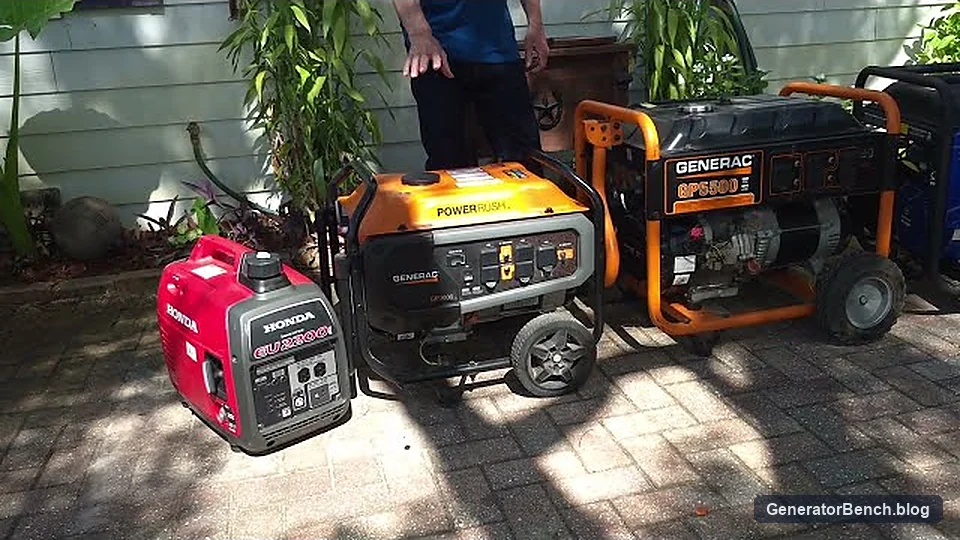
Every electrical device requires two distinct power metrics for safe operation. Running watts represent the steady power needed to keep appliances functioning continuously.
Starting watts describe the surge of energy required to initiate motor-driven equipment. Ignoring these dual metrics often leads to tripped circuit breakers or stalled machinery.
Locate the data plates on the back of your vital appliances to find exact wattage numbers. Manufacturers list these specifications in volts and amperes for clear conversion.
Multiply listed volts by amperes if only electrical ratings appear on the equipment label. This simple mathematical step yields the baseline running wattage requirement instantly.
Accurately sizing a portable generator requires separating continuous running wattage from surge requirements. Running watts represent steady power, which directly dictates the best propane tank size needed for extended runtimes.
Starting watts, alternatively called peak or surge wattage, reflect the temporary electrical burst required to jumpstart electric motors found inside refrigerators, well pumps, and central air conditioning compressors during startup phases.
When compiling your household inventory list, always check the equipment identification label affixed near the power cord. Manufacturers typically print both operational power ratings and maximum surge limits directly on this metal specifications plate.
Never rely on generic estimates when calculating these vital electrical values. Summing up exact appliance requirements prevents unexpected generator overload trips and protects sensitive electronic devices from experiencing damaging voltage drops during heavy startup sequences.
- Locate the permanent metal identification plate on every major appliance.
- Record the continuous running wattage rating for baseline operational calculations.
- Identify any specialized motor components that demand temporary startup power surges.
- Sum all continuous appliance draws to establish your absolute minimum electrical baseline.
Locating Appliance Data Plates
Data plates provide the precise electrical consumption data needed for accurate sizing. Manufacturers typically stamp these labels near the power cord entry point.
Always use actual nameplate measurements rather than generalized estimates. Real data prevents underpowered generator selection during emergency scenarios.
- Inspect compressor housings on refrigerators and freezers.
- Check the inner rims of laundry equipment for electrical tags.
Accounting For Motor Surge And Inductive Loads
Inductive loads like refrigerators and sump pumps contain heavy electric motors. These components require massive temporary power spikes to overcome mechanical inertia during startup.
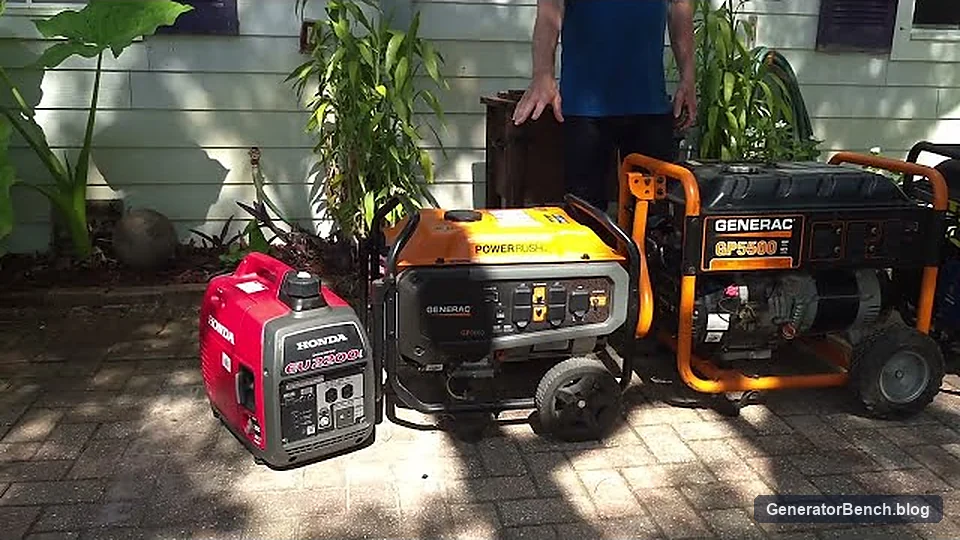
Failing to account for these surges will immediately overload your power source. Always apply a multiplier to motors featuring compressor components.
Standard refrigeration units require triple their running wattage during the initial startup phase. Neglecting this multiplier results in immediate engine stalling under heavy loads.
Stagger the startup cycles of your heavy inductive appliances manually. This operational discipline prevents cumulative surges from exceeding your maximum surge capacity.
Inductive loads containing electric motors create significant current surges when initially energized. These loads store energy within magnetic fields, demanding up to three times more electrical power during the first few seconds of startup.
A standard residential refrigerator might consume six hundred running watts during normal cooling cycles. However, the internal compressor motor demands eighteen hundred starting watts to overcome initial mechanical resistance and begin spinning properly.
Inverter generators handle these inductive surges differently than traditional open-frame contractor models. Advanced digital processors manage temporary voltage dips, ensuring stable power delivery without tripping internal circuit breakers or damaging connected motor windings.
Always stagger the startup sequence for heavy motor-driven appliances during a power outage. Choosing the best portable electric generator helps prevent cumulative surge demands from exceeding your maximum surge capacity limits.
- Apply a three times multiplier for standard refrigerator compressors.
- Calculate well pump surge requirements using specialized motor data.
- Factor in power factor corrections for older inductive appliance designs.
- Never start multiple heavy motorized units simultaneously under load.
Managing Refrigerator Compressor Surges
Refrigerator compressors demand immense electrical energy during the initial motor rotation cycle. This surge lasts only a few seconds but dictates minimum peak sizing.
Incorporate this transient spike into your master inventory spreadsheet immediately. Proper headroom keeps your equipment operating safely within thermal limits.
- Record peak startup amperage values from the compressor label.
- Add safety buffers for older, less efficient compressor designs.
Video Walkthrough: What Size GENERATOR Do I Need To POWER My House? SIMPLE!
Evaluating Essential Versus Optional Household Appliances
Prioritizing your electrical loads ensures your power supply handles genuine survival needs. Separate critical medical equipment and refrigeration from purely luxury appliances.
Running every household device simultaneously requires an excessively large and heavy machine. Strategic load management allows you to utilize a smaller portable unit safely.
Identify absolute necessities like well pumps, gas furnace blowers, and kitchen refrigeration. Defer high-draw luxuries such as electric clothes dryers and water heaters.
Create a tiered power schedule to cycle high-draw items intermittently. This method optimizes fuel conservation while maintaining essential household functionality.
During a prolonged grid failure, prioritizing electrical loads ensures your generator operates safely without running out of fuel prematurely. Categorize your household devices into critical life safety equipment, preservation appliances, and mere comfort conveniences.
Essential circuits typically include sump pumps, gas furnace blowers, medical devices, and refrigeration units. Preserving food and preventing basement flooding take absolute precedence over luxury items like electric clothes dryers or window air conditioners.
Calculate the cumulative running wattage of your absolute must-have devices first. Consult our best portable generator for home guide to determine your baseline portable generator sizing requirement before adding extras.
Optional convenience appliances should only be powered if your generator capacity allows a comfortable twenty percent safety margin. Overloading small units causes thermal fatigue, degrades engine lifespan, and risks permanent alternator winding insulation breakdown.
- Classify all household devices into essential, important, and luxury categories.
- Calculate the combined load of Tier One survival appliances exclusively.
- Designate specific operating windows for intermittent high-draw utility items.
- Eliminate non-critical entertainment electronics from your emergency power plan.
Prioritizing Medical and Safety Devices
Life support systems and oxygen concentrators demand uninterrupted, clean electrical power. These medical devices must take precedence over standard kitchen conveniences.
Verify that your power source produces clean electricity with low distortion. Protecting sensitive medical hardware prevents catastrophic equipment failure during emergencies.
- Check oxygen concentrator specifications for sensitive electronic requirements.
- Dedicate a clean power circuit exclusively for vital medical gear.
Understanding Fuel Types And Altitude Power Derating
Combustion engines lose output efficiency when operating at higher elevations above sea level. Standard atmospheric thinning reduces engine power by three and a half percent per thousand feet.
Calculate this elevation loss to avoid unexpected power shortfalls in mountainous regions. High-altitude jets restore proper air-fuel ratios but do not recover lost oxygen density.
Fuel selection also directly impacts the total wattage output of your generator. Use our wattage sizing calculator since gasoline delivers maximum rated output while propane typically reduces capacity slightly.
Factor fuel conversion drops into your initial sizing calculations to ensure adequacy. Choosing a slightly larger engine compensates for both elevation and alternative fuels.
Generator performance varies significantly depending on the fuel type selected and your geographical elevation. Gasoline generators deliver maximum rated output, whereas propane configurations typically lose roughly ten percent of their overall electrical capacity.
Natural gas conversions experience even steeper power reductions, often dropping twenty to twenty-five percent compared to gasoline performance benchmarks. Keep these energy deficits in mind when sizing units for dual-fuel or tri-fuel operational flexibility.
Operating any internal combustion engine at higher elevations introduces severe atmospheric air-density challenges. Generators lose approximately three point five percent of their total electrical output for every one thousand feet gained above sea level.
Install appropriate high-altitude carburetor jets if you reside in mountainous regions to restore proper air-fuel ratios. Failing to adjust for altitude causes running roughness, excessive fuel consumption, and premature spark plug carbon fouling issues.
- Subtract 3.5 percent of rated power for every 1,000 feet of elevation.
- Account for a 10 percent power reduction when running on propane fuel.
- Install high-altitude carburetor kits if operating above 5,000 feet elevation.
- Verify ambient temperature impacts on maximum engine horsepower delivery.
Totaling Amperage And Voltage Requirements Properly
Converting watts to amperes ensures your transfer switch and cords match output capabilities. Divide total wattage by your circuit voltage to determine maximum current draw.
Standard household circuits operate at either 120 volts or 240 volts AC. Large appliances like central air units demand balanced dual-pole 240-volt configurations.
Match your generator receptacle types to your manual transfer switch inlet boxes. Using proper configuration plugs prevents dangerous wiring mismatches during emergency setups.
Consult a certified electrician to verify your main panel amperage capacities. Proper load balancing prevents overheating in your distribution wiring infrastructure.
Converting electrical measurements between watts, volts, and amperes ensures your generator connects correctly to transfer switches. Standard household circuits operate at 120 volts or dual 240-volt configurations for heavy appliances.
Calculate total amperage demand by dividing your aggregate running wattage by the specific operational voltage. Ensure your generator control panel features appropriate receptacle configurations, such as NEMA L14-30R outlets, to handle heavy loads safely.
Using undersized extension cords or transfer switch wiring creates extreme resistance, generating dangerous heat buildup. Always match wire gauge sizing strictly to your generator breaker amperage ratings to prevent electrical fires and equipment damage.
Professional electricians recommend installing a manual transfer switch to distribute generator power evenly across your breaker panel. This configuration prevents phase imbalances and safely powers hardwired home systems without risking dangerous utility line backfeeding.
- Divide total wattage by 120 to find standard circuit amperage demands.
- Calculate 240-volt loads separately for heavy motorized appliances.
- Inspect connection plugs for correct NEMA configuration matching.
- Verify wire gauge thicknesses support calculated maximum amperage flows.
Factoring In Total Runtime And Fuel Capacity
Fuel tank volume dictates how frequently you must refuel during extended grid outages. Larger electrical loads consume stored fuel at a significantly accelerated rate.
Calculate your expected fuel consumption based on fifty percent load percentages. Efficient load management extends your overall operational runtime between refueling intervals.
Store adequate fuel safely in approved containers away from living spaces. Proper fuel stabilization prevents gumming and extends the lifespan of carburetor fuel systems.
Plan your refueling schedule carefully to avoid shutting down sensitive electronics. Safe refueling protocols require complete engine shutdown to prevent dangerous fuel ignition.
Fuel efficiency dictates how practical your portable generator will be during extended multi-day power outages. Manufacturers typically rate runtime percentages based on a fifty percent electrical load, meaning full-load operations drain tanks much faster.
Larger fuel tanks provide extended operating intervals between refueling stops, reducing safety hazards associated with handling gasoline containers in the dark. Calculate your daily fuel consumption to stockpile adequate storage supplies safely beforehand.
Inverter generators utilize variable-speed smart throttles that adjust engine RPM dynamically to match electrical demand. This innovative technology drastically improves fuel economy and reduces acoustic noise signatures during light-load nighttime operating windows.
Never attempt to refuel any internal combustion engine while it is actively running or still piping hot. Shut down the machine completely, allow adequate cooling time, and wipe up any spilled fuel before restarting.
- Check manufacturer fuel consumption charts at half and full loads.
- Calculate required fuel storage volumes for multi-day outage scenarios.
- Use approved fuel containers equipped with spill-proof safety spouts.
- Add chemical fuel stabilizers to stored gasoline to prevent degradation.
Verifying Safety Clearances And Exhaust Management
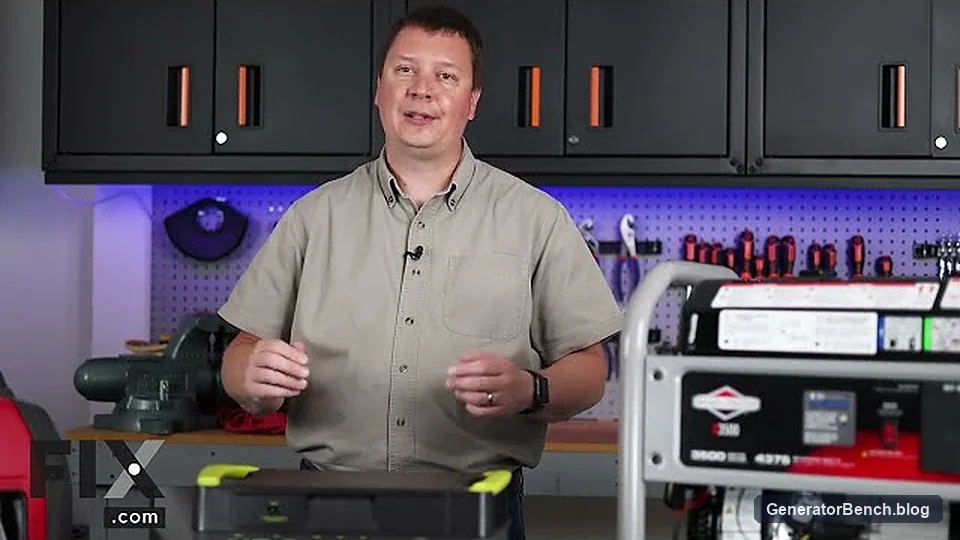
Proper sizing must include consideration for safe operating locations and airflow. Generators emit lethal carbon monoxide gas requiring strict outdoor safety clearances.
Position your equipment far away from operable windows, doors, and intake vents. Inadequate clearance can lead to fatal carbon monoxide accumulation inside living spaces.
Ensure the unit rests on a stable, level surface protected from weather elements. Using protective canopies prevents moisture intrusion while maintaining adequate exhaust ventilation.
Test all carbon monoxide detectors within your home before starting equipment. Reliable detection provides an essential safety layer during emergency power operations.
Proper positioning of your portable generator prevents fatal carbon monoxide poisoning and devastating structural fire hazards. Always maintain a minimum distance of twenty feet from all windows, doors, and intake ventilation louvers.
Point the hot exhaust muffler away from your dwelling and neighboring properties to eliminate toxic fume infiltration risks. Installing battery-operated carbon monoxide detectors inside every living level provides essential life safety redundancy during outages.
Never operate portable generators inside enclosed spaces, including garages, carports, or partially covered sheds, even with doors open. Inadequate airflow causes lethal carbon monoxide gas concentrations to accumulate rapidly within structural boundaries.
Place the generator on a flat, level, hard surface to prevent engine oil sensors from shutting down operations prematurely. Use heavy-duty generator tents or covers designed explicitly to shield electrical components from driving rainstorms.
- Maintain a minimum distance of twenty feet from structures.
- Point engine exhaust mufflers away from neighboring properties and windows.
- Install working battery-operated carbon monoxide alarms on every level.
- Elevate equipment slightly if operating on damp or saturated ground.
Frequently Asked Questions
How do I calculate running versus starting watts?
Add the continuous running watts of all target appliances together for your baseline. Multiply the largest motor starting requirement by three to include startup surge demands.
Can I run sensitive electronics on any portable generator?
Standard frame units often produce high harmonic distortion that can damage computers. Look for inverter technology that maintains Total Harmonic Distortion below three percent.
How does high altitude affect generator sizing?
Combustion engines lose approximately 3.5 percent of their power per thousand feet of elevation. Choose a larger model to compensate for this natural atmospheric derating.
What size generator runs a central air conditioner?
Central air units demand between 3,000 and 5,000 running watts plus massive startup surges. You typically need a 7,500 to 10,000 watt unit to handle central HVAC.
Why is fuel type important when sizing a unit?
Gasoline delivers maximum rated engine output while propane reduces capacity by ten percent. Factor these alternative fuel power losses into your initial load calculations.