How to connect generator to house transfer switch safely
Proper integration requires strict adherence to electrical codes and safe hardware choices. This manual outlines exact steps for linking your emergency generator to a permanent household transfer switch system seamlessly.

Always kill the main breaker before operating mechanical interlocks or transfer switches. Never backfeed electricity through wall outlets to prevent fatal lineman electrocution hazards.
Looking for matching picks? See our Best Generator To Run A House.
Practical Quick-Reference Table
| Scenario / Metric | Recommended Target | Why It Matters |
|---|---|---|
| Transfer Switch Amperage | 30A to 50A Capacity | Matches maximum generator output limits |
| Inlet Box Placement | 10 Feet From Openings | Prevents carbon monoxide gas intrusion |
| Extension Cord Gauge | 10 AWG Heavy-Duty | Eliminates dangerous voltage drop heating |
| Circuit Distribution | Balanced Phase Loads | Prevents motor stalling and generator strain |
| Monthly Testing Interval | 30-Day Check Cycle | Ensures reliability during sudden outages |
| Grounding Resistance | Under 25 Ohms | Protects against frame-voltage shock hazards |
Understanding Transfer Switch System Architecture
A mechanical transfer switch isolates your backup generator from utility lines completely. National Electrical Code mandates this physical barrier to prevent dangerous backfeeding into public power grids.
Manual units require human intervention to shift power sources during outages. When upgrading infrastructure, evaluate high-capacity units from our best whole house electric generator review list for seamless performance.
Choosing the right amperage capacity depends on your specific emergency breaker needs. Most residential setups utilize six to ten circuits for essential home appliances during extended grid failures.
Enclosure ratings dictate whether the switch installs indoors or outdoors. Surface-mounted metal boxes protect internal wiring against dust, moisture, and accidental impacts during everyday residential garage operations.
- Verify local electrical code requirements before purchasing equipment.
- Select amperage ratings matching your generator output limits.
- Mount switch units securely to wall studs near panels.
- Label all dedicated emergency circuits clearly for users.
Evaluating Manual Versus Automatic Units
Manual transfer switches offer cost-effective reliability for budget-conscious homeowners. Operators manually flip heavy-duty toggle levers once the backup generator reaches stable operating frequency.
Automatic transfer switches integrate complex control boards and motorized contactors. These advanced systems monitor utility voltage continuously and transfer loads automatically within seconds.
- Compare upfront hardware costs against convenience factors.
- Assess ongoing battery maintenance needs for automatic controllers.
Preparing Your Electrical Panel and Load Center
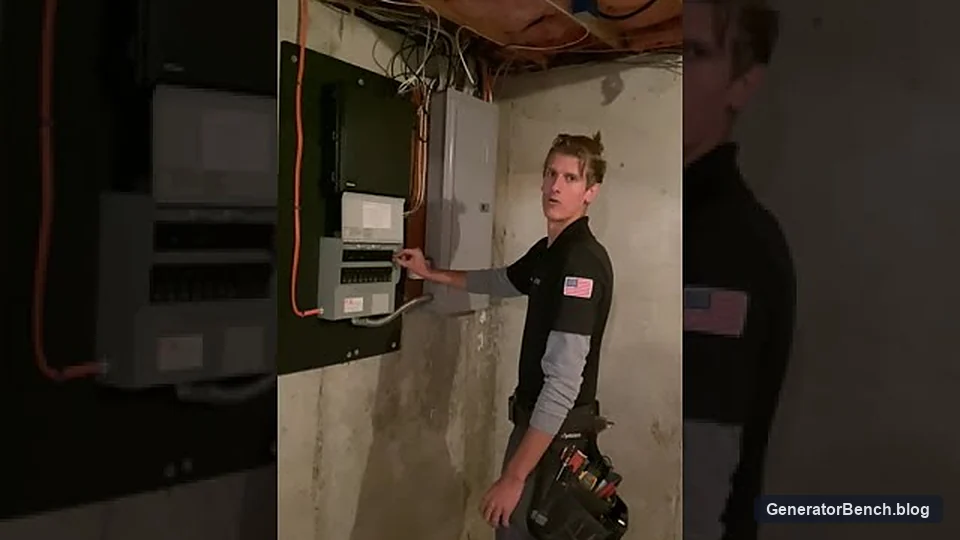
Safe electrical preparation begins by turning off the main circuit breaker. De-energizing the main breaker eliminates live voltage risks while working near service entrance lugs inside panels.
Remove the panel cover carefully to inspect available breaker space. Local building codes dictate safe working clearances and restrict modifications within crowded, older residential breaker boxes.
Identify critical loads like refrigerators, sump pumps, and heating systems. Mapping essential appliances ensures your chosen transfer switch accommodates maximum starting wattage demands without tripping breakers.
Route conduit connectors securely between the main panel and switch. Proper cable management prevents insulation chafing and maintains robust mechanical protection across all enclosed copper conductors.
- Wear rated insulated gloves during internal panel inspections.
- Verify wire gauge matches total amperage of connected circuits.
- Secure all knockout seals tightly to block moisture intrusion.
- Check local permit guidelines before altering service panels.
Sizing Circuits for Safe Power Distribution
Balancing electrical loads across both generator legs prevents motor stalling. Review options within our best backup generator for house lineup while you split heavy appliances evenly between phase terminals.
Calculate running watts alongside surge requirements for inductive motor loads. Exceeding generator capacity causes severe voltage drops and damages sensitive electronics plugged into outlets.
- Document running and starting wattage for all appliances.
- Group high-draw heating elements away from sensitive electronics.
Video Walkthrough: What is a transfer switch
Installing the Power Inlet Box and Outdoor Weatherproofing
The power inlet box serves as the external connection point. Mount this receptacle box outdoors in a well-ventilated area away from windows and doors.
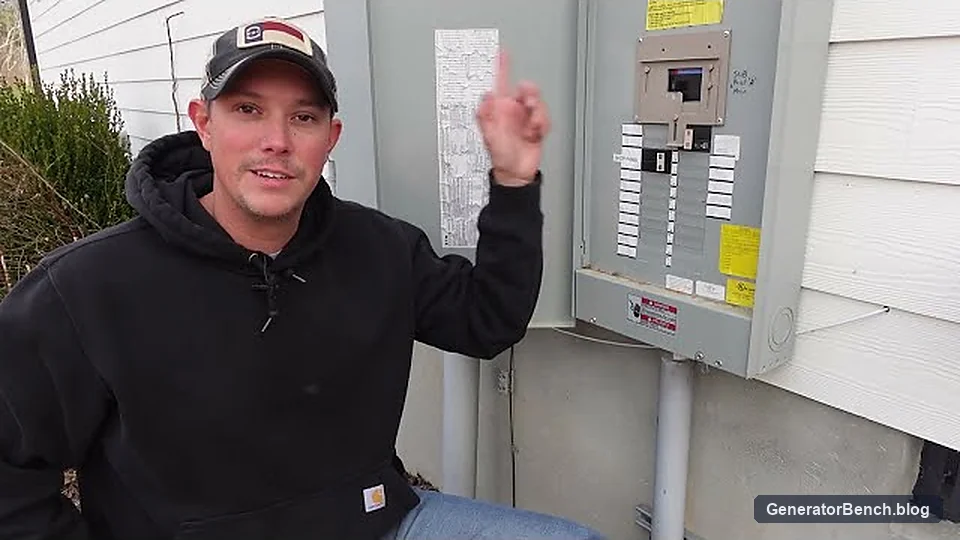
Drill a clean access hole through exterior walls for conduit. Seal all penetration points with rated silicone caulk to prevent weather intrusion and structural wood rot.
Run weather-resistant wiring from the inlet box to the switch. Secure copper conductors with appropriate cable clamps inside weatherproof junction boxes to withstand harsh seasonal temperature shifts.
Test grounding continuity meticulously across the entire inlet assembly. After checking your ground, consult our quietest whole house generator picks to find a unit engineered for safe residential operation.
- Keep inlet boxes at least ten feet from living areas.
- Use corrosion-resistant stainless steel mounting hardware exclusively.
- Install heavy-duty spring-loaded covers over power receptacles.
- Verify tight screw terminal torque ratings with drivers.
Protecting Equipment From Extreme Weather
Rain and snow pose severe electrical hazards to outdoor inlets. Weatherproof spring covers shield internal brass prongs from moisture when cords are unplugged from service.
Position units under protective roof overhangs when feasible. Elevating enclosures above typical snow accumulation levels prevents ice buildup and maintains clear plug access during blizzards.
- Apply dielectric grease to metal prongs to deter corrosion.
- Inspect outdoor gaskets annually for cracking or hardening.
Running Heavy-Duty Generator Cords and Proper Sizing
Selecting the correct generator cord prevents dangerous overheating. Before buying heavy-duty cables, use our wattage sizing calculator to match cord gauge ratings directly to your maximum amperage output.
Avoid running extension cords across high-traffic walkways or driveways. Protect flexible cables from crushing damage caused by heavy vehicle tires or closing garage doors.
Lock twist-lock connectors securely into both inlet and generator sockets. Twist-lock mechanisms prevent accidental pull-outs and maintain continuous electrical contact under heavy operational loads.
Inspect cord insulation frequently for cuts, cracks, or abrasions. Damaged cords expose live conductors, creating severe shock hazards and potential electrical fire risks during storms.
- Never daisy-chain multiple extension cords together outdoors.
- Roll cords in loose loops to prevent internal wire twisting.
- Store flexible cables in dry, climate-controlled garage areas.
- Check plug ends for discoloration indicating thermal overload.
Calculating Proper Cord Gauge Dimensions
Voltage drop increases significantly over long cord run distances. Use ten-gauge wire for runs exceeding fifty feet to maintain safe operational voltage levels.
Consult manufacturer guidelines for recommended maximum cord lengths. Undersized copper conductors generate excessive heat, melting insulation and damaging connected household appliances over time.
- Measure exact distance between generator and inlet box.
- Upgrade wire thickness when operating in high ambient temperatures.
Executing the Safe Connection Protocol During Outages
Position your portable generator outdoors on a flat surface. Maintain strict safety clearances away from windows, vents, and doors to prevent carbon monoxide poisoning.
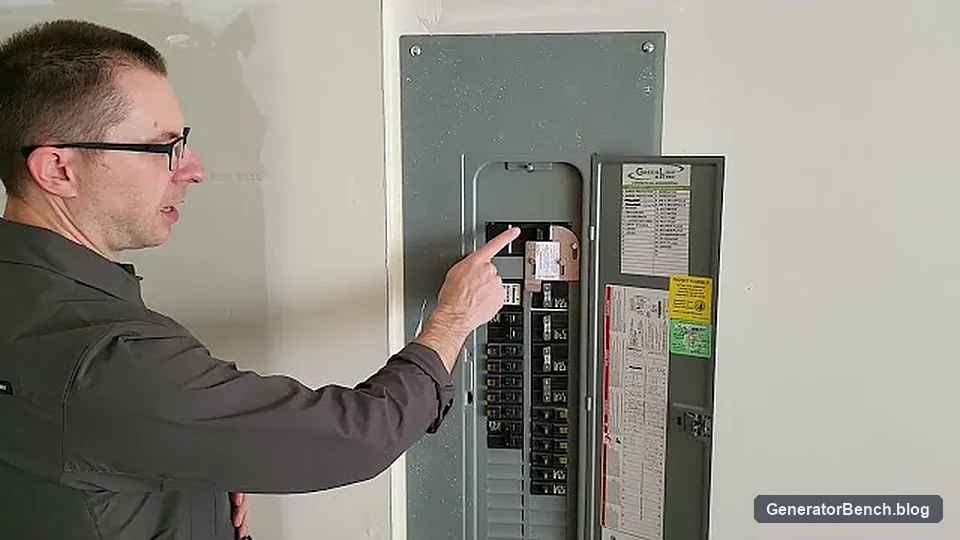
Start the generator and let it idle until warmed up. Allow engine speeds to stabilize completely before plugging in heavy electrical supply cords.
Insert the locking cord plug into the generator receptacle firmly. Twist the connector clockwise until it locks securely into place against accidental detachment.
Shift transfer switch toggles from line power to generator. Flip levers deliberately to prevent electrical arcing and protect sensitive motorized appliances from sudden surges.
- Never refuel generators while hot or running indoors.
- Monitor fuel levels regularly during extended power outages.
- Keep fire extinguishers rated for electrical fires nearby.
- Shut down appliances before switching power sources back.
Reverting Safely to Utility Grid Power
Listen for utility power restoration before changing switches. Verify stable grid voltage by checking household lights or transformer status before disconnecting backup equipment.
Return transfer switch toggles back to utility positions smoothly. Shut down the generator engine only after all household loads have returned to normal grid power.
- Unplug generator cords only after engine is off.
- Store fuel containers safely in approved outdoor sheds.
Video Walkthrough: How To SAFELY Connect A Generator To Your House
Routine Maintenance and Periodic System Testing Standards
Test your transfer switch system monthly under load. Running routine tests ensures mechanical switches and indicator lights function properly when emergencies strike unexpectedly.
Inspect wiring terminals annually for loose connection screws. Thermal expansion cycles can loosen terminal screws over time, creating high-resistance points and dangerous electrical arcs.
Clean dust and debris from enclosure interiors carefully. Use non-conductive brushes to remove dirt accumulation without damaging delicate mechanical relay components inside boxes.
Keep detailed maintenance logs for all backup equipment. Documenting monthly test runs helps track component wear and ensures reliable performance during severe weather events.
- Test generator battery voltage every thirty days.
- Run generator under fifty percent load during tests.
- Replace worn air filters according to manual schedules.
- Check ground rod connections for corrosion periodically.
Pre-Storm System Readiness Checklist
Verify fuel supply levels before forecasted severe weather arrives. Stock extra fuel in approved containers to sustain continuous generator operation through multi-day outages.
Test transfer switch toggles manually without running engines. Ensure mechanical levers move freely without binding or sticking due to dust or humidity.
- Inspect extension cords for physical damage.
- Confirm emergency phone numbers and manuals are accessible.
Troubleshooting Common Transfer Switch Wiring and Load Faults
Voltage imbalance indicates improper load distribution across phases. Rebalance circuit connections evenly across both transfer switch legs to restore stable motor performance.
Tripped breakers during startup point to excessive loads. Reduce active appliances immediately and verify starting wattage requirements match your generator capacity limits.
Flickering lights signal loose wire terminal connections. Tighten screw terminals securely after killing all power sources to eliminate dangerous resistance and arcing risks.
Persistent buzzing noises suggest faulty contactor coils. Replace defective components promptly to prevent total system failure during critical emergency power outages.
- Check multimeter readings across all hot legs.
- Verify neutral and ground wires are isolated.
- Inspect breaker switches for internal mechanical damage.
- Consult licensed electricians for complex wiring faults.
Diagnosing Generator Power Output Failures
Low output frequency causes motor overheating and stalling. Check engine governor settings to ensure proper thirty-six hundred RPM running speeds under load.
Tripped generator circuit breakers require immediate investigation. Reset thermal breakers only after disconnecting faulty appliance loads from the transfer switch circuit.
- Measure Hertz output using a digital multimeter.
- Check carbon brushes for wear inside alternator heads.
Frequently Asked Questions
Can I install a transfer switch without an electrician?
Local electrical codes almost always require licensed professionals to perform permanent main panel modifications and hardwired installations. Attempting DIY electrical work risks severe shock hazards, structural fires, and costly building code violations during municipal inspections.
Therefore, hiring a certified electrician ensures absolute safety compliance while protecting your home insurance coverage. Always verify municipal requirements before beginning any residential electrical wiring project.
What size transfer switch do I need for a house?
Switch sizing depends directly on your emergency power requirements and portable generator wattage limits. Most average homeowners choose six to ten circuit manual transfer switch models for essential appliances.
Larger residential properties with heavy continuous loads often require specialized ten-circuit or whole-house automatic systems. Carefully evaluating your specific wattage demands prevents generator engine overload during severe weather outages. Consulting professional load calculation charts guarantees reliable backup performance.
How does a transfer switch prevent backfeeding?
Mechanical interlocks physically block utility breakers and generator breakers from closing simultaneously. This foolproof physical barrier completely isolates your home electrical system from public utility lines.
Consequently, utility lineworkers repairing neighborhood power lines remain fully protected against accidental electrocution risks from your portable generator. Understanding this critical safety mechanism is vital for every residential backup power system owner.
Never bypass these interlocking safety devices under any circumstances.
Can an automatic transfer switch run on a portable generator?
Automatic transfer switches require generators equipped with electric start capabilities and built-in remote control wiring harnesses. Most standard portable units lack these specialized automatic start control interfaces.
Therefore, automatic switches are typically paired with permanent standby generators rather than portable units. Reviewing manufacturer specifications helps determine proper equipment compatibility before making hardware investments. Consult a qualified technician to verify automatic control system requirements.
Where should the power inlet box be mounted?
The inlet box must be mounted outdoors in a well-ventilated area away from all windows. This precise placement prevents carbon monoxide fumes from entering living spaces.
Additionally, install the box at least ten feet from doors and fresh air intake vents. Following these exterior clearance guidelines ensures safe operation during extended emergency power outages. Always protect exterior receptacles with rated weatherproof covers.