How To Connect A Generator To A Travel Trailer
Master the technical steps required to safely link a portable power unit to your RV electrical grid without risking sensitive onboard appliances or compromising personal safety standards.

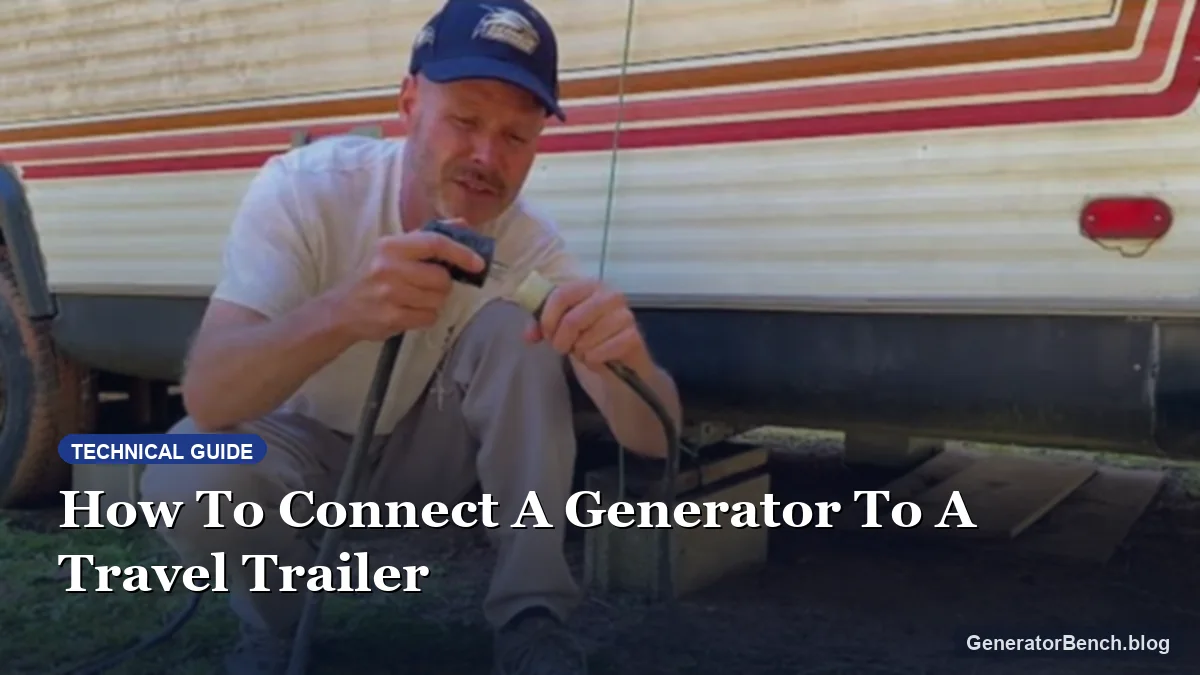
Always verify your total electrical load and configure proper grounding before engaging the main shore power breaker to prevent catastrophic surge damage.
Looking for matching picks? See our Best Generator For Travel Trailer.
Practical Quick-Reference Table
| Scenario / Metric | Recommended Target | Why It Matters |
|---|---|---|
| Running 13.5k BTU AC | 3000 Starting Watts | Prevents compressor stall and low voltage drops. |
| Cord Wire Gauge | 10 AWG Heavy Duty | Minimizes line resistance and dangerous thermal buildup. |
| Generator Distance | Minimum 20 Feet | Protects occupants from lethal carbon monoxide poisoning. |
| Grounding Rod | 8-Foot Copper Stake | Redirects stray electrical faults safely into the earth. |
| Receptacle Type | TT-30R / L5-30R | Matches standard travel trailer shore power configurations. |
| Oil Viscosity | 10W-30 Synthetic | Ensures proper lubrication across varied ambient temperatures. |
Calculating Onboard Electrical Loads And Running Watts
Before linking any power source, you must inventory all electrical devices inside your travel trailer. Summing your starting and running requirements prevents overload conditions that can trip internal inverter circuit breakers instantly.
Air conditioners, microwave ovens, and water heaters demand high surge capacities. Recognizing these heavy inductive loads ensures you select a generator capable of sustaining stable voltage output during simultaneous appliance operation.
Use our interactive generator wattage sizing calculator to cross-reference appliance nameplate data. Never assume peak wattage ratings represent sustainable power delivery during extended off-grid trips.
Modern travel trailers utilize sophisticated power distribution centers. Understanding your converter charger draw is vital when calculating overall amperage demands under partial battery depletion scenarios.
- Inventory every appliance running and starting wattage requirement precisely.
- Account for high inductive surge draws from compressor motors.
- Verify continuous generator output exceeds total simultaneous load calculations.
- Factor in parasitic loads like refrigerators and control board systems.
Assessing Inverter Surge Margins
Surge capacity dictates how well an inverter handles sudden motor startups. Exceeding this threshold causes immediate engine stalling or triggers electronic overload warnings.
Always allow a twenty percent safety buffer above your calculated running watts. This thermal margin prevents premature component degradation within the generator alternator assembly.
- Keep a twenty percent safety margin above peak calculations.
- Monitor digital control panels for voltage sag indicators.
Choosing Compatible Cords And Heavy Duty Adapters
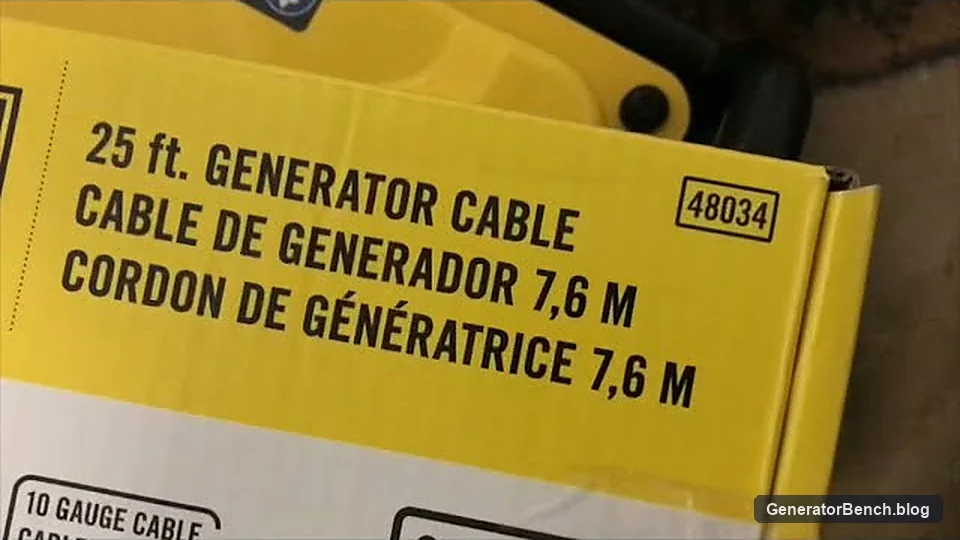
Selecting the correct cable configuration is essential for safe power transfer. Standard household extension cords lack the necessary copper thickness and cannot handle high amperage trailer loads safely.
When upgrading your setup, consult our review of the best dual fuel generator for travel trailer use. Match your shore power cord using weather-rated twist-lock connectors.
Inspect all cable jacketing for cuts, abrasions, or exposed copper strands before every deployment. Damaged insulation introduces severe electrical shock hazards in wet outdoor environments.
Avoid stringing multiple extension cords together to span long distances. Excessive cable length introduces voltage drop, causing motorized RV appliances to draw higher current and overheat internal windings.
- Use heavy-duty ten gauge wire for all thirty-amp connections.
- Inspect twist-lock plug prongs for corrosion and burning.
- Avoid daisy-chaining multiple extension cords across campsites.
- Deploy weatherproof covers over connection points during rain.
Evaluating Dogbone Adapter Safety
Dogbone adapters step down power configurations from fifty-amp services to standard thirty-amp plugs. Ensure your adapter features built-in circuit protection indicators for safety.
Never force an incompatible plug into a mismatched receptacle. Doing so melts plastic housings and ruins critical metal contact pins permanently.
- Verify adapter amperage ratings match your shore cord.
- Discard discolored or heat-damaged adapter blocks immediately.
Video Walkthrough: RV Basics 101: How to Use a Portable Generator
Establishing Proper Grounding And Safety Protocols
Proper grounding protects both sensitive RV electronics and human operators from dangerous fault currents. Most portable inverter generators feature floating neutrals, which require careful bonding verification for RV compatibility.
Drive an eight-foot copper-clad grounding rod into moist earth near the generator frame. Secure a heavy copper wire between the external ground lug and the driven earth electrode.
Always test your shore power inlet with a circuit analyzer before plugging in your trailer. This quick diagnostic identifies reverse polarity or open ground wiring faults instantly.
Never operate portable generators inside enclosed storage compartments or damp areas. Moisture infiltration combined with high electrical output creates lethal short-circuit pathways.
- Drive a dedicated copper grounding rod into the earth.
- Use a portable circuit analyzer to check receptacle wiring.
- Verify floating neutral versus bonded frame generator specs.
- Keep all electrical connections elevated above standing puddles.
Neutral Bonding Verification Steps
Some RV energy management systems require a bonded neutral to function correctly. Consult your generator manual before installing a neutral bonding plug into the AC outlet.
Incorrect bonding prevents safety ground fault interrupters from tripping during an internal short. Always confirm your setup meets National Electrical Code standards.
- Test continuity between neutral and ground terminals.
- Remove bonding plugs when switching to standard backup use.
Strategic Placement And Environmental Mitigation
When selecting a reliable power unit, consult our guide to the best generator for travel trailer applications. Always maintain proper spacing to prevent carbon monoxide accumulation inside living spaces.
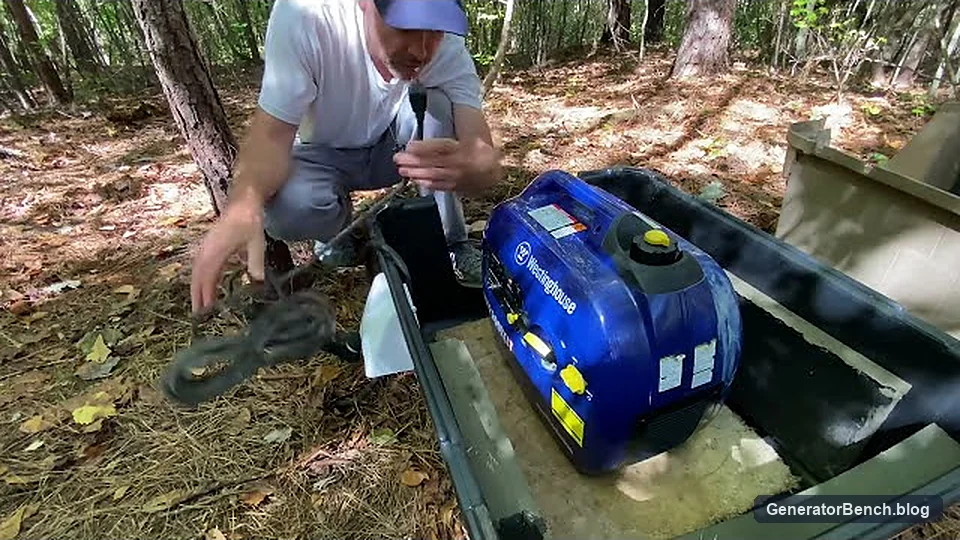
Utilize heavy-duty cable ramps if running cords across high-traffic walking paths. Protecting cables from foot traffic prevents crushed insulation and accidental disconnect hazards during operation.
In wet weather, construct a ventilated canopy to shield the unit from direct precipitation. Never enclose the running generator inside airtight boxes or restricted vehicle bays.
Deploy a heavy-duty cable lock through the generator steel frame. Securing the unit to a stationary anchor point deters theft in remote dispersed camping areas.
- Maintain a minimum twenty-foot distance from all RV openings.
- Point engine exhaust away from neighboring campsites.
- Protect electrical cords using heavy-duty rubber cable ramps.
- Secure the generator frame with a hardened steel security cable.
Managing Exhaust And Acoustic Levels
Engine noise disrupts peaceful outdoor environments and nearby campers. Position the generator behind your tow vehicle to act as an acoustic sound barrier.
Monitor wind direction continuously to ensure exhaust fumes drift safely away. Carbon monoxide is odorless and presents a lethal hazard to sleeping occupants.
- Use natural terrain features to deflect exhaust noise.
- Install a plug-in carbon monoxide detector inside the trailer.
Connecting Directly To Shore Power Inlets
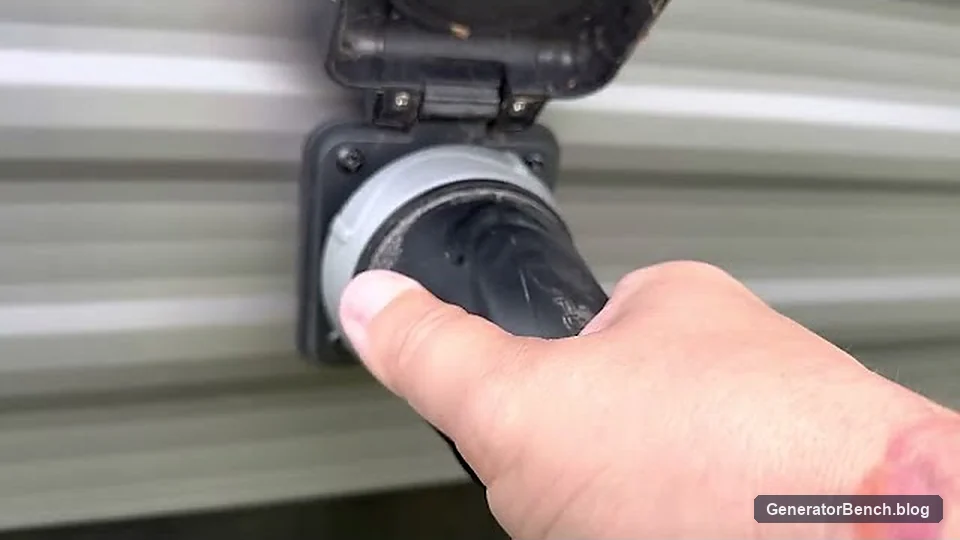
Begin the connection sequence by shutting off the main breaker inside your travel trailer. This precautionary step eliminates arcing and protects your onboard transfer switch from sudden power spikes.
Plug your heavy-duty shore power cord securely into the generator output receptacle. Twist the locking ring clockwise until it seats firmly against the weatherproof gasket seal.
Start your generator and allow the engine to reach stable operating temperature. Inverter units will ramp up smoothly before illuminating the green output indicator light.
Return to your travel trailer electrical panel and switch on the main breaker. Gradually bring online heavy appliance loads one at a time to prevent sudden engine bogging.
- Turn off the RV main breaker before making cable connections.
- Engage twist-lock receptacles and tighten weather sealing rings.
- Allow the generator engine to idle and warm up fully.
- Restore trailer power by flipping the main breaker slowly.
Disconnecting Procedure Sequence
Always reverse the startup process when shutting down your power system. Flip off the trailer main breaker first to eliminate electrical load draw.
Unplug the shore power cord from the generator panel before turning off the engine. This prevents backfeed spikes from damaging sensitive inverter modules.
- Cut power at the trailer breaker before unplugging cables.
- Allow the generator to idle down before killing the engine.
Parallel Kit Operation For Heavy Power Demands
When running dual air conditioners, single generators often lack sufficient capacity. Linking two identical inverter units using a parallel kit doubles your available amperage output safely.
Connect the parallel communication cables to the designated ports on each unit. Ensure the ground wires are securely fastened to the dedicated grounding studs provided.
Match the load balancing requirements specified in your parallel kit instruction manual. Overloading one side of the parallel pair causes premature circuit breaker trips.
Verify that both generators operate at identical frequencies before engaging heavy loads. Synchronized performance prevents internal phase cancellation and costly alternator damage.
- Use matching generator models for reliable parallel operation.
- Attach communication cables before starting either engine.
- Secure ground wires to the dedicated frame studs.
- Monitor individual unit load meters to ensure even sharing.
Parallel Receptacle Configuration
Parallel kits often feature a fifty-amp RV receptacle directly on the module box. Plug your fifty-amp trailer cord straight into this port for unrestricted power distribution.
Inspect the parallel kit circuit breakers regularly for signs of thermal fatigue. Replace worn units immediately to maintain safe electrical throughput.
- Plug fifty-amp cords directly into the parallel kit outlet.
- Check module breakers for signs of thermal wear.
Routine Maintenance And Post Trip Equipment Care
Consistent maintenance ensures your generator delivers reliable power during every trip. Check engine oil levels before every startup and inspect the air filter element for dirt accumulation.
Clean spark arrestor screens periodically to prevent carbon buildup and exhaust restrictions. Clogged arrestors reduce engine efficiency and cause rough idle conditions during operation.
Drain the carburetor float bowl if storing the generator for extended periods. Fresh fuel stabilizers prevent varnish accumulation inside the precision carburetor jets.
Store your shore power cords and adapters in ventilated storage bins. Keeping cables free from moisture prevents terminal corrosion and extends service life spans.
- Inspect engine oil levels before every single startup.
- Clean spark arrestor screens to prevent carbon blockages.
- Drain carburetor bowls before long-term seasonal storage.
- Store electrical cords in dry, ventilated storage compartments.
Carb Maintenance And Fuel Storage
Stale gasoline is the leading cause of small engine starting failures. Always use fresh fuel treated with an approved ethanol stabilizer additive.
Before winter storage, evaluate models featured in our quietest generator for travel trailer roundup. Always run the engine completely dry to prevent costly carburetor repairs.
- Treat all stored gasoline with an ethanol stabilizer.
- Run the carburetor dry before long transport intervals.
Frequently Asked Questions
Can I connect my travel trailer directly to a standard residential generator?
Yes, provided you use the correct adapter matching your trailer plug configuration. Always verify the generator has a bonded neutral system before connecting sensitive RV electronics.
Why does my generator trip its circuit breaker when the air conditioner starts?
The sudden compressor surge exceeds your generator starting wattage capacity. Upgrading to a soft start kit on your AC unit resolves this overload issue.
Do I need a grounding rod for a portable inverter generator at a campsite?
Most portable inverter generators with floating neutrals do not strictly require driven rods. Always consult your specific owner manual specifications for local safety compliance.
How long can I safely run my travel trailer generator continuously?
You can run it indefinitely provided you check oil levels every eight hours. Ensure you adhere to strict refueling safety cooldown periods.
What size generator do I need to run a standard travel trailer effectively?
A three thousand watt inverter generator handles basic appliances and one air conditioner. Choose dual units with parallel kits for heavy fifty-amp service demands.