How To Connect A Generator To A Caravan
Properly linking auxiliary power requires matching voltage outputs, using weather-rated cables, and following strict grounding protocols to protect sensitive onboard electronics and ensure occupant safety.

Always verify your caravan utilizes an inverter generator producing clean sine wave power before connecting standard shore power leads to prevent damaging sensitive internal battery chargers and appliances.
Looking for matching picks? See our Best Generator For Caravan.
Practical Quick-Reference Table
| Scenario / Metric | Recommended Target | Why It Matters |
|---|---|---|
| Generator Waveform | Pure Sine Wave (<3% THD) | Protects sensitive onboard digital chargers and appliances |
| Maximum Load Limit | <80% of Rated Capacity | Prevents engine bogging and thermal overload shutdowns |
| Cable Gauge | 10-Gauge Copper Cord | Minimizes voltage drop over extended distance runs |
| Exhaust Clearance | 20+ Feet Away Downwind | Eliminates carbon monoxide poisoning hazards in living areas |
| Shore Power Inlet | 30-Amp Twist-Lock Plug | Secures watertight physical connection against weather elements |
| Air Conditioner Startup | Soft Start Kit Installed | Reduces high initial compressor surge amperage spikes |
Understanding Caravan Electrical Systems and Generator Compatibility
Modern recreational vehicles rely on complex dual-source electrical architectures designed to balance alternating current shore power with direct current battery banks. You must understand these distinct pathways before introducing external auxiliary generation.
Portable power units output varying wave forms that impact onboard sensitive electronics in our best generator for caravan lineup. Utilizing a pure sine wave source is critical for maintaining equipment longevity and safe operation.
Standard frame units often produce high Total Harmonic Distortion levels that can overheat sensitive battery management systems. Inverter generators modulate engine speed dynamically, delivering the ultra-clean electrical current required by modern touring setups.
Check your caravan's main circuit breaker panel to determine its maximum amperage rating and incoming plug configuration. Matching these specifications prevents nuisance tripping and ensures seamless integration with your chosen auxiliary power source.
- Inspect incoming electrical specifications on your main distribution panel carefully.
- Verify your power unit outputs stable alternating current within standard tolerances.
- Avoid using contractor-grade frame generators lacking digital inverter regulation modules.
- Consult manufacturer documentation before connecting unfamiliar auxiliary charging equipment.
Assessing Total Harmonic Distortion
High harmonic distortion generates excessive heat within inductive loads like water pump motors and air compressors. Always verify that your power source maintains THD below three percent for safe daily operation.
Digital multimeters help technicians measure exact voltage fluctuations and frequency stability under real-world operating conditions. Regular diagnostic checks prevent unexpected equipment failures during remote off-grid camping excursions.
- Test voltage output stability using calibrated digital multimeters.
- Monitor electrical frequency to ensure stable operation of inductive motors.
Essential Safety Protocols for Portable Power Generation
Carbon monoxide poisoning represents a severe, life-threatening hazard associated with operating internal combustion engines near enclosed spaces. Choose a model from our best portable generator for caravan reviews and position it twenty feet away with exhaust pointing downwind.
Never attempt to plug auxiliary generation equipment directly into a standard domestic outlet inside your vehicle without proper isolation. This dangerous practice creates backfeeding hazards that can seriously injure utility workers repairing lines.
Wet weather introduces significant electrocution risks when handling high-amperage cords and plugs outdoors. Always deploy heavy-duty rubberized covers and elevate connection points above standing water to maintain electrical integrity during storms.
Inspect all flexible power cords regularly for cuts, exposed copper strands, or damaged insulation jackets before every single deployment. Discard compromised wiring immediately to prevent catastrophic short circuits and electrical fires.
- Never run combustion engines inside closed annexes or unventilated areas.
- Keep high-voltage connections elevated above ground level during rainstorms.
- Always wear dry footwear when handling live electrical plugs outdoors.
- Test safety shutoff switches regularly to verify proper mechanical function.
Ventilation and Exhaust Management
Adequate airflow is mandatory to prevent dangerous exhaust accumulation around sleeping quarters and living areas. Never run combustion engines under caravan awnings or inside enclosed annexes.
Install a dedicated battery-operated carbon monoxide detector inside your living space as an essential secondary safety layer. Test the sensor batteries monthly to ensure prompt alarm activation during emergencies.
- Position exhaust mufflers away from windows and entry doors.
- Test interior carbon monoxide alarms before every camping trip.
Video Walkthrough: RV Basics 101: How to Use a Portable Generator
Selecting the Correct Cables, Plugs, and Adapters
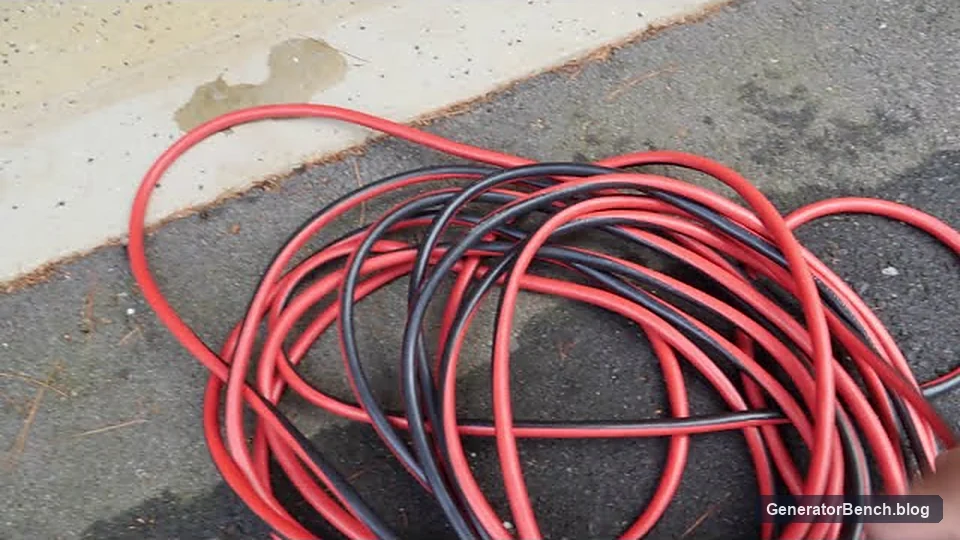
Connecting your caravan safely requires specialized locking plugs and heavy-gauge wiring designed to handle continuous electrical loads. Standard household extension cords are entirely inadequate for carrying high operational amperages over distance.
Most modern touring vehicles utilize standard thirty-amp locking inlets that demand matching twist-lock shore power cables. Ensure your cord length remains under fifty feet to minimize voltage drop and conductor resistance heating.
Weatherproof twist-lock connectors prevent accidental disconnections caused by wind or physical contact around your campsite perimeter. Look for screw-collar rings that establish a watertight seal against moisture and dust intrusion.
Keep a selection of certified step-down adapters in your utility kit for compatibility with varying output receptacles. Consult our wattage sizing calculator to verify pin configurations carefully before pushing connectors into place.
- Use certified twist-lock shore power cables matching your vehicle inlet.
- Avoid daisy-chaining multiple extension cords together across your campsite.
- Inspect metal terminal prongs for oxidation, pitting, or carbon buildup.
- Store cables in weatherproof bags when not actively deployed outdoors.
Conductor Gauge and Voltage Drop Calculations
Undersized copper wiring creates dangerous resistance that causes excessive voltage drop and overheats insulation jackets. Utilize ten-gauge wiring for runs exceeding twenty-five feet to maintain optimal voltage delivery.
Inspect terminal prongs frequently for signs of arcing, pitting, or carbon buildup that increases electrical resistance. Clean oxidized contacts using fine sandpaper and contact cleaner to ensure optimal conductivity.
- Calculate appropriate conductor thickness based on total run distance.
- Replace cables showing signs of insulation cracking or excessive heat.
Step-by-Step Hookup Procedure for Standard Inverter Units
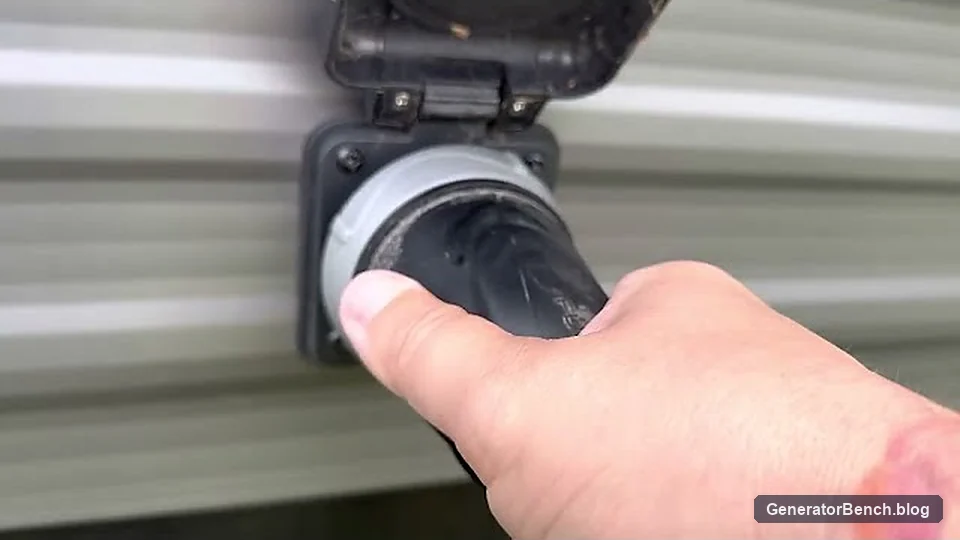
Begin the connection sequence by placing your generator on a flat, stable surface away from combustible materials and windows. Ensure the engine switch remains in the off position before adding fuel and checking oil levels.
Start the engine and allow it to reach normal operating temperature and idle stability before connecting any electrical loads. This warm-up period ensures the internal inverter module outputs regulated voltage safely.
Plug your heavy-duty shore power cable firmly into the generator output receptacle, twisting to engage the locking mechanism. Route the remaining cable safely to prevent tripping hazards around your campsite setup.
Finally, switch on the caravan main circuit breaker to direct incoming power safely to your interior distribution panel and battery charger. Monitor your control panel meters to confirm stable voltage readings.
- Check engine oil and fuel levels before initiating cold starts.
- Allow generators to idle for several minutes before applying electrical loads.
- Engage twist-lock plugs fully to prevent loose electrical connections.
- Turn off interior breakers prior to disconnecting shore power cords.
Shutting Down and Disconnection Sequence
Always turn off all major electrical appliances inside your caravan before cutting power from the external generation source. This prevents damaging voltage spikes from reaching sensitive internal components during shutdown.
Unplug the shore power cord from the generator receptacle first before stopping the engine to prevent residual surging. Store coiled cables in a dry compartment to protect them from weather damage.
- Power down interior air conditioners before cutting external power.
- Disconnect generator cords before turning off the combustion engine.
Managing Load Capacities and Preventing Overload Faults
Every portable generator features strict running and starting wattage limitations that must be respected during everyday caravan operations. Review options in our best generator for caravan air conditioner guide to avoid overload shutdowns.
Calculate your total cumulative electrical draw by adding up the running wattage of all active appliances and charging systems. Keep your total operational demand below eighty percent of your generator maximum capacity.
Heavy inductive loads require substantial surge wattage during initial compressor or motor startup sequences. Stagger appliance activation intervals to prevent instantaneous current spikes from tripping the unit circuit breaker.
Utilize an inline digital power meter to monitor real-time amperage draw and voltage sag while running high-demand equipment. This visibility helps you manage available power reserves efficiently throughout the day.
- Track individual appliance wattage requirements to avoid sudden overloads.
- Stagger heavy motor startups to limit instantaneous surge demands.
- Prioritize essential medical and refrigeration loads above comfort appliances.
- Keep total continuous draw well below maximum rated output limits.
Managing High-Demand Air Conditioning Units
Rooftop air conditioning units represent the single largest electrical load encountered during typical recreational vehicle travels. Installing a soft start kit significantly reduces compressor startup amperage requirements.
Turn off internal electric water heating elements temporarily when cycling high-wattage air conditioning compressors to prevent total system overload. Prioritize essential climate control and refrigeration above secondary comfort appliances.
- Install soft start capacitors on rooftop climate control units.
- Deactivate secondary heating elements during peak cooling cycles.
Video Walkthrough: Caravanning and Camping Offgrid, Will this really help.
Grounding Requirements and Weatherproofing Best Practices
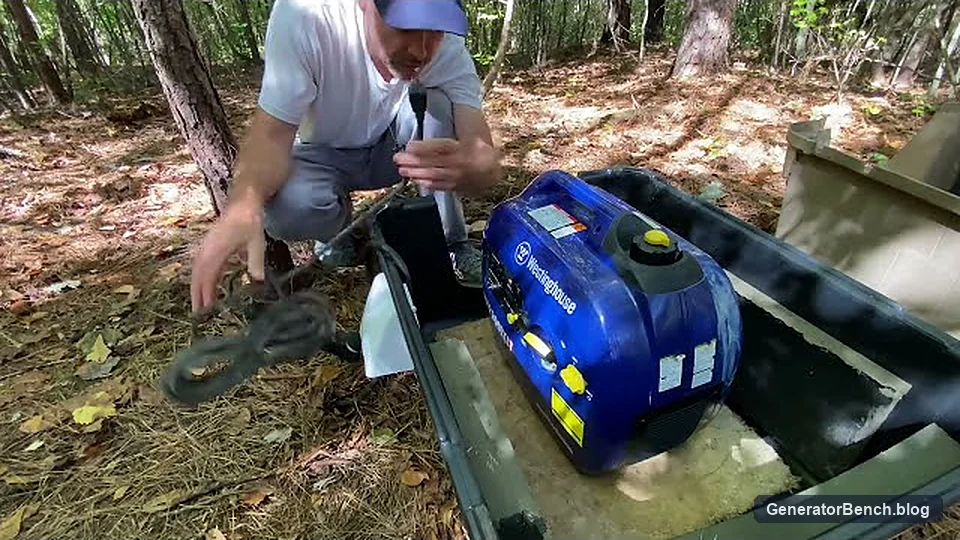
Proper grounding is an essential safety requirement that protects operators from dangerous fault currents and electrical shock hazards. Drive a dedicated copper grounding rod into the earth and connect it firmly.
Check local campground regulations and manufacturer guidelines regarding whether floating neutral or bonded neutral generators require external grounding modifications. Incorrect bonding can disable caravan safety earth leakage devices.
Weatherproofing your connections prevents moisture from bridging live terminals and causing catastrophic short circuits during sudden rainstorms. Enclose plug junctions inside heavy-duty rated protective boxes designed for outdoor use.
Elevate all electrical extension connections above ground level using specialized plastic cradles or hanging hooks. Standing water quickly compromises even gasketed outdoor outlets, creating severe safety vulnerabilities for everyone nearby.
- Verify neutral bonding status against generator manufacturer specifications.
- Drive earth stakes securely into soil when operating in remote locations.
- Protect plug junctions using weather-rated protective enclosure boxes.
- Keep all electrical wiring elevated clear of potential puddles.
Routine Maintenance for Outdoor Power Setups
Inspect grounding clamps and bare copper wire connections periodically for corrosion or loose mechanical fasteners. Clean oxidized mounting points thoroughly to ensure a low-resistance path to earth.
Store your heavy-duty power cords and adapters in climate-controlled compartments when traveling between campsites to prevent premature insulation degradation. Keep protective dust caps firmly secured over unused terminals.
- Clean grounding rod clamps regularly to prevent oxidation buildup.
- Store cords in dry compartments away from direct sunlight.
Frequently Asked Questions
Can I plug my caravan directly into a standard generator household outlet?
Yes, you can connect using a compatible adapter cordset, but you must always verify that your generator outputs clean electricity. This protects sensitive onboard electronics, refrigerators, and digital battery chargers from damaging harmonic distortion during extended off-grid stays.
Do I need a special grounding rod for my portable generator?
Grounding requirements vary based on whether your generator features a bonded or floating neutral electrical configuration. Using improper grounding methods can completely bypass vital residual current device safety protection features built into your caravan electrical distribution system.
How do I prevent my generator from overloading when starting the air conditioner?
Air conditioners require high surge wattage during initial compressor startup, so you should always turn off other heavy appliances first. This simple modification prevents nuisance breaker trips and extends motor lifespan significantly during hot weather.
Can I run my portable generator under the caravan awning during rainstorms?
Never operate internal combustion engines under awnings, near windows, or inside enclosed annexes due to extreme carbon monoxide poisoning risks. Proper outdoor ventilation is absolutely vital for preventing lethal exhaust gas accumulation during inclement weather events and overnight camping sessions.
What causes my caravan battery charger to trip the generator breaker?
Simultaneous high-load demands like bulk battery charging and running water heaters often exceed available generator running wattage. Monitoring real-time digital power meters helps prevent unexpected power outages while traveling off the beaten path.