How to choose the right portable generator size: Sizing Guide
Calculating accurate electrical loads prevents mechanical overload. Matching continuous and starting wattage ensures stable power delivery.


Accurately summing running watts and accounting for inductive motor startup surges ensures your portable generator operates safely without tripping internal circuit breakers during heavy household utility demands.
Looking for matching picks? See our Best Mid Size Portable Generators.
Practical Quick-Reference Table
| Scenario / Metric | Recommended Target | Why It Matters |
|---|---|---|
| Basic Emergency Load | 3,000 to 5,000 Watts | Powers refrigerator, lights, and small medical devices. |
| Mid-Size Household | 5,000 to 7,500 Watts | Handles window AC units and essential well pumps. |
| Whole-House Backup | 7,500 to 10,000+ Watts | Runs central HVAC and heavy electrical appliances. |
| Inductive Surge Factor | Multiply Motor Watts by 3x | Prevents stalling during compressor motor startup phases. |
| Fuel Efficiency Target | 50% Load Capacity | Optimizes runtime duration and minimizes engine wear. |
| Voltage Regulation | Under 5% Total Harmonic Distortion | Protects sensitive electronics from clean power issues. |
Fundamentals of Electrical Load Calculations
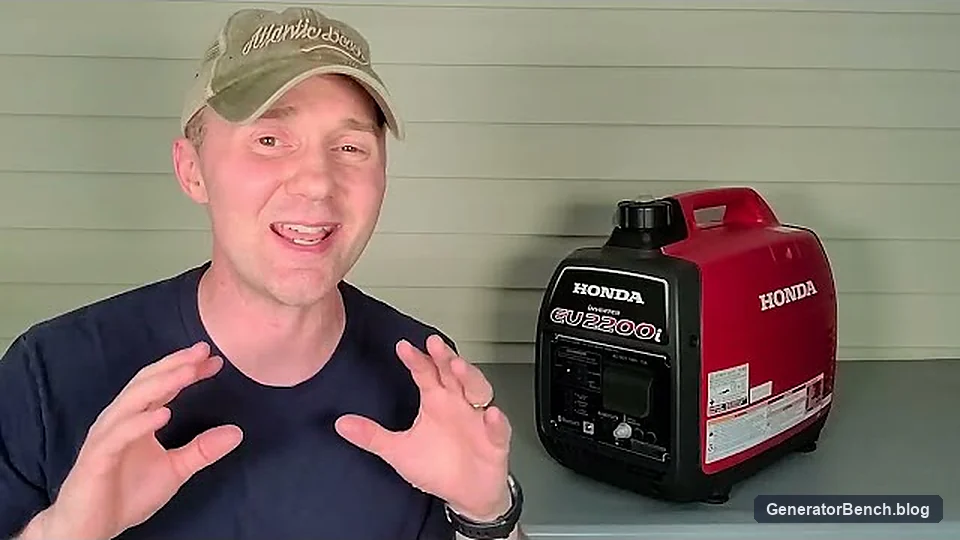
Calculating total household electrical demand requires listing every single appliance you plan to operate simultaneously during an emergency power outage. Ignoring minor electronic devices can quickly trigger an overload protection shutdown.
Manufacturers print explicit running wattage ratings directly on appliance data plates or user manuals. Always record these exact figures rather than guessing nominal values to maintain strict calculation accuracy.
Grouping your essential circuits allows you to prioritize critical infrastructure like refrigerators, sump pumps, and medical devices. This systematic approach eliminates wasteful power consumption and minimizes fuel consumption rates.
Voltage drops and long extension cords introduce additional electrical resistance that reduces overall output efficiency. Keeping cord runs under fifty feet helps preserve stable voltage delivery.
- Inventory all essential household appliances carefully.
- Record exact running watts from data nameplates.
- Prioritize medical and food preservation devices.
- Account for extension cord voltage drop limits.
Mapping Essential Household Circuits
Mapping individual circuits prevents accidental breaker trips by distributing mechanical loads evenly across dual 120-volt legs. Balanced phase loading protects sensitive alternators from thermal degradation.
Consult your home electrical panel layout to identify dedicated appliance breakers before calculating aggregate power requirements. Proper documentation simplifies the entire emergency sizing process.
- Examine home circuit breaker labels thoroughly.
- Separate high-draw motor loads across phases.
Identifying Running Versus Starting Wattage
Understanding the difference between running and starting watts is vital when choosing the best portable generator for the money today. Continuous wattage represents ongoing power while surge handles temporary motor inertia.
Electric motors inside compressors and pumps require massive initial bursts of current to overcome resting friction. Neglecting this surge requirement will cause your engine to stall under sudden heavy loads.
Always check equipment nameplates for specific locked-rotor amperage ratings when calculating startup demands. Converting amps to watts requires multiplying by standard operating voltage and power factor multipliers.
Design your power budget around the single largest motor startup requirement rather than simply adding all surge values together. This prevents purchasing an unnecessarily oversized alternator.
- Differentiate continuous power from surge capacity.
- Identify large inductive motor starting requirements.
- Convert running amperage ratings into exact watts.
- Base peak calculations on the largest single motor.
Calculating Inductive Motor Surges
Inductive loads demand up to three times their normal operating wattage during the initial startup phase. Factoring this multiplier protects your equipment from sudden voltage sags.
Staggering the activation of major motor-driven appliances prevents cumulative surge spikes from tripping generator breakers. Proper sequencing ensures smooth mechanical power transfer.
- Apply proper multiplier rules for compressors.
- Stagger appliance start times during outages.
Video Walkthrough: How to Pick The RIGHT Portable Power Station (For Beginners)
Accounting for Motor Surge Multipliers
Refrigerators and well pumps rely on electric induction motors that demand high startup torque when operating on the best portable electric generator. Ignoring this mechanical reality leads to frequent generator stalls.
Capacitor-start motors require careful surge planning because their initial current draw spikes dramatically before leveling off. Accurate surge factoring prevents premature alternator winding failure.
Always review equipment technical manuals and use our wattage sizing calculator to determine exact starting multipliers. Precision sizing protects both the generator and your expensive power tools.
Maintain a safety buffer by adding twenty percent to your total calculated peak wattage requirement. This reserve capacity accommodates unexpected electrical spikes and ambient temperature stress.
- Calculate accurate multiplier values for induction motors.
- Account for ambient temperature impacts on starting.
- Add a twenty percent operational safety buffer.
- Protect sensitive tools from voltage drop events.
Managing Heavy Compressor Loads
Refrigeration compressors cycle on and off automatically throughout the day without warning. Accounting for these unattended surges prevents unexpected overload trips.
Hard-start kits installed on central air units reduce initial amperage spikes significantly. This modification helps smaller generators manage heavy residential cooling loads.
- Anticipate automatic cycling of cooling systems.
- Consider installing hard-start kits on units.
Evaluating Fuel Type and Runtime Demands
Gasoline generators offer high energy density but require careful fuel stabilization during long-term storage periods. Choosing the right fuel source impacts overall operational convenience.
Selecting the best size propane tank for portable generator setups provides infinite shelf life and cleaner emissions. However, this fuel choice reduces total engine output by roughly ten percent during heavy operation.
Natural gas integration offers continuous fuel supply directly from municipal lines during extended emergency outages. This setup eliminates manual refueling tasks during severe weather events.
Calculate your expected runtime requirements at fifty percent load capacity to ensure realistic fuel storage estimates. Proper fuel management guarantees uninterrupted electrical service.
- Compare gasoline, propane, and natural gas options.
- Account for power loss when using propane fuel.
- Calculate fuel consumption rates at half load.
- Store appropriate fuel volumes for emergencies.
Optimizing Fuel Consumption Rates
Running portable generators at half capacity maximizes mechanical efficiency and fuel economy. Operating near maximum load rapidly increases fuel burn rates.
Inverter generators automatically adjust engine speed to match electrical demand, saving substantial fuel. Variable throttle technology improves long-term operating costs.
- Maintain moderate load levels for efficiency.
- Utilize variable throttle features when available.
Assessing Physical Placement and Ventilation Rules
Carbon monoxide emissions pose a lethal hazard that requires strict adherence to outdoor placement guidelines. Positioning units far away from structures prevents deadly exhaust accumulation.

Always operate portable generators on flat, dry surfaces protected from direct rain and rising floodwaters. Using a specialized running tent shields electrical components from weather damage.
Maintain a minimum clearance of five feet around all sides of the running generator for proper airflow. Adequate ventilation prevents engine overheating and thermal shutdown events.
Direct exhaust fumes completely away from windows, doors, and fresh air intake vents at all times. Prioritizing exhaust safety protects occupants from carbon monoxide poisoning.
- Keep generators outdoors and away from structures.
- Maintain five feet of clearance for airflow.
- Protect electrical panels from heavy rain exposure.
- Position exhaust away from all home windows.
Mitigating Carbon Monoxide Hazards
Install battery-operated carbon monoxide detectors inside living spaces before operating any combustion engine. Working alarms provide vital early warnings for air quality hazards.
Never run portable generators inside garages or enclosed patios, even with doors wide open. Enclosed spaces trap toxic exhaust gases and cause rapid pollutant buildup.
- Test indoor carbon monoxide detectors regularly.
- Never operate units inside enclosed spaces.
Routine Maintenance for Sustained Output

Regular oil changes protect internal engine components from premature wear and catastrophic mechanical failure. Checking fluid levels before every startup ensures reliable mechanical operation.
Inspect air filters frequently and clean foam elements to maintain optimal combustion air ratios. Dirty filters restrict airflow and increase unnecessary fuel consumption.
Spark plug inspection and gap verification prevent hard starting and rough engine idling under load. Replacing worn ignition components preserves stable electrical frequency.
Exercising the generator monthly under a moderate load keeps fuel fresh and prevents carburetor varnish. Regular testing guarantees performance during unexpected emergency situations.
- Change engine oil according to operating hours.
- Clean or replace dirty air filter elements.
- Inspect and gap spark plugs periodically.
- Exercise the generator monthly under load.
Carb Maintenance and Fuel Storage
Stale gasoline forms gummy deposits inside carburetor jets during prolonged periods of non-use. Adding fuel stabilizer prevents clogs and ensures easy engine starting.
Drain the carburetor bowl completely if storing the generator for more than thirty days. Proper winterization protects fuel systems from corrosive varnish buildup.
- Add chemical stabilizer to stored gasoline.
- Drain carburetor bowls before long storage.
Troubleshooting Common Power Delivery Failures
Sudden loss of electrical output often indicates a tripped thermal circuit breaker or tripped GFCI outlet. Resetting safety switches restores power unless an underlying fault exists.
Fluctuating voltage or erratic engine surging points toward a dirty carburetor or failing governor spring. Addressing governor issues restores smooth electrical frequency stability.
Check indicator lights for low oil shutdown warnings when engines crank but fail to start. Maintaining proper oil levels satisfies safety sensors and enables ignition.
Alternator brush wear or lost residual magnetism can prevent power generation during startup sequences. Troubleshooting excitation circuits requires specialized tools and careful diagnostic procedures.
- Reset tripped circuit breakers and GFCI outlets.
- Inspect governor springs for surging issues.
- Verify oil levels to satisfy safety sensors.
- Check alternator brushes for electrical output.
Resolving Engine Surge and Stalling
Dirty main jets restrict fuel flow and cause the engine to hunt for speed. Cleaning carburetor passages restores normal operational RPM levels.
Old fuel degrades quickly and clogs tiny fuel filters, leading to sudden engine stalls. Using fresh fuel eliminates most combustion delivery problems.
- Clean clogged carburetor jets thoroughly.
- Replace degraded fuel filters immediately.
Frequently Asked Questions
How do I calculate the exact generator size needed for my home?
List all essential appliance running watts and add the highest motor starting surge. This total ensures your alternator handles peak loads safely without tripping internal breakers.
What happens if I overload my portable generator with too many appliances?
An overload condition immediately trips the internal circuit breakers or triggers an automatic shutdown. Reducing connected loads allows you to safely reset the system protection switches.
Why do electric motor appliances require higher starting wattage ratings?
Inductive motors require extra torque to overcome resting inertia during the initial startup phase. Factoring this surge prevents engine stalling and brownouts.
Can I run sensitive electronics directly from a standard portable generator?
Standard generators produce higher total harmonic distortion that can damage sensitive microprocessors. Using an inverter generator provides clean power safe for modern digital devices.
How far away from my home should I place a running generator?
Position the unit at least twenty feet away with the exhaust pointed away from windows. This clearance protects occupants from deadly carbon monoxide gas.