How Often To Change Oil In A Generator Maintenance Guide
Maintaining proper lubrication prevents catastrophic engine wear. Follow structured service intervals for reliable backup power.

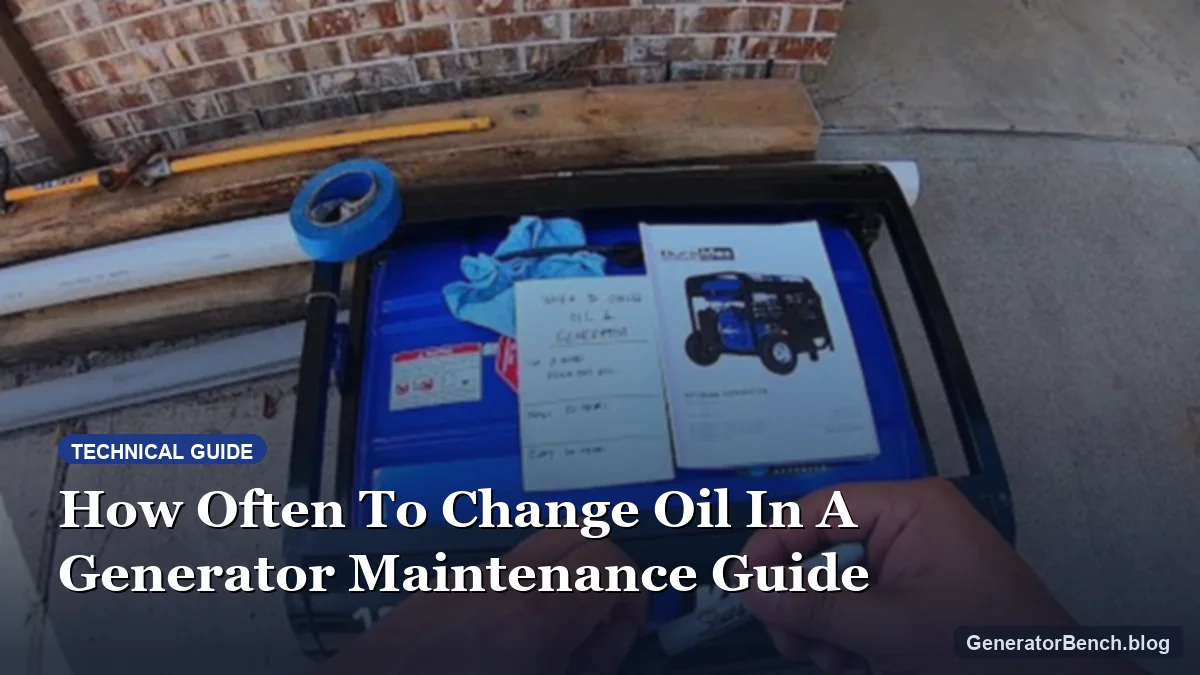
Change portable generator oil every 100 operating hours or seasonally. Always perform the initial oil change after the first 20 hours of break-in use.
Looking for matching picks? See our Best Electric Generator.
Practical Quick-Reference Table
| Scenario / Metric | Recommended Target | Why It Matters |
|---|---|---|
| Initial Break-In | First 20 Hours | Flushes out microscopic manufacturing metal shavings. |
| Standard Operation | Every 100 Hours | Maintains optimal viscosity and film strength. |
| Heavy Dust / Heat | Every 50 Hours | Prevents accelerated additive depletion and thermal breakdown. |
| Standby Inverters | Every 6 Months | Combats moisture condensation and fuel dilution. |
| Oil Viscosity Check | 10W-30 Standard | Ensures proper cold-weather starting and high-temp protection. |
| Filter Inspection | Every Service | Blocks abrasive debris from entering oil galleries. |
Baseline Service Intervals For Portable Units
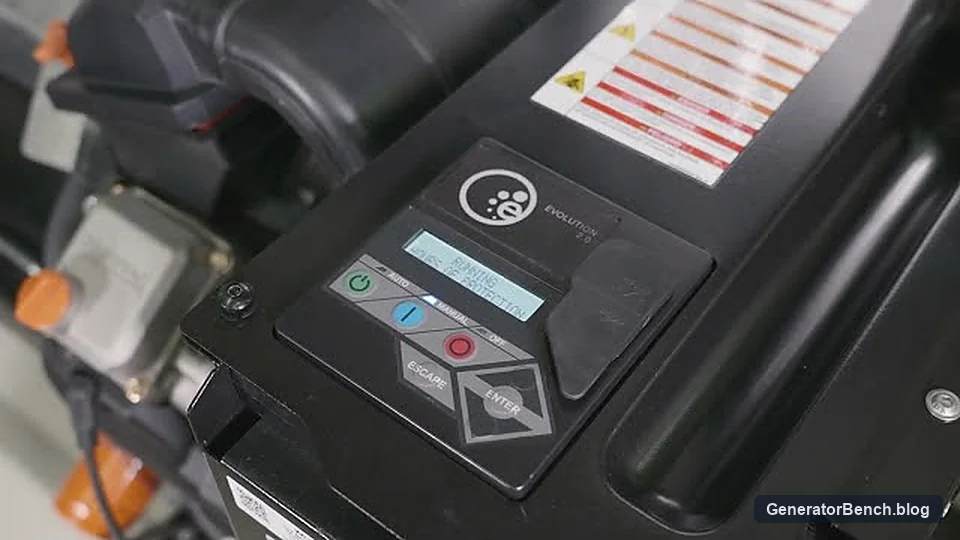
Small internal combustion engines operate under high thermal stress and lack complex oil filtration systems. This makes establishing a strict routine for routine oil changes essential for maximizing mechanical lifespan.
Most manufacturers specify a standard service interval of one hundred operating hours for portable power equipment. Using a wattage sizing calculator tool before heavy use prevents the overloads that degrade engine oil prematurely.
Tracking operating hours accurately demands a digital hour meter or meticulous manual record-keeping. Relying solely on calendar months can lead to premature wear if the equipment sits idle.
Ignoring these baseline intervals allows abrasive soot and microscopic debris to accumulate inside the crankcase. Clean lubrication remains the single best defense against premature piston and cylinder scoring.
Standard portable generators require fresh engine oil every 100 hours of runtime under normal residential loads, though dusty environments demand a shorter interval of 50 hours to prevent premature wear.
Operating your backup power unit during severe weather events requires checking fluid levels daily, as continuous running accelerates thermal breakdown and depletes essential additives within the standard petroleum formula.
Always consult your specific owner manual for exact manufacturer specifications, because smaller inverter units often feature tighter tolerances requiring service every 50 hours instead of standard models.
Keeping a detailed maintenance log next to your fuel cans ensures you never miss a critical oil change interval, protecting vital internal components from catastrophic scoring and costly crankshaft failure.
- Track total engine runtime using an hour meter.
- Inspect oil color and consistency before every major storm.
- Keep spare quarts of matching viscosity oil on hand.
- Never exceed manufacturer maximum operating hour thresholds.
Calculating Runtime Versus Calendar Time
Generators used infrequently during storm seasons still accumulate internal moisture and acid buildup. Changing the oil annually protects internal components even if hour limits remain unmet.
Always warm the engine for five minutes before draining to suspend particulate contaminants.
- Perform annual changes regardless of low run hours.
- Warm oil drains faster and traps fewer contaminants.
- Check for fuel dilution during low-temperature idling.
Initial Break In Oil Change Requirements
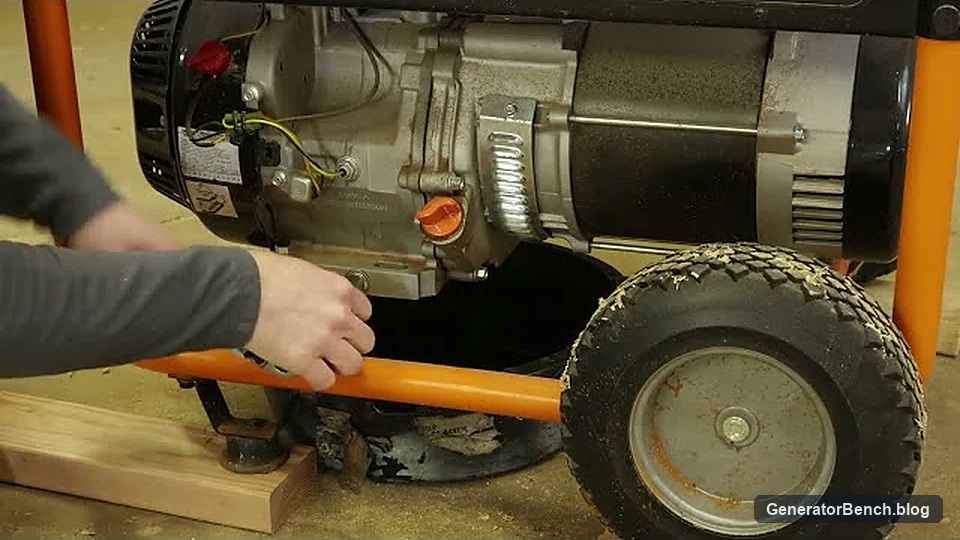
Brand new generators undergo a critical break-in phase where internal metal components seat together. This mechanical mating process generates microscopic metal shavings that suspend in the factory lubrication.
Failing to drain this initial fluid promptly exposes precision-machined cylinder walls and bearings to abrasive wear. Most manufacturers mandate draining this initial fill after the first twenty hours of operation.
Never push a brand-new unit through an extended multi-day outage without completing this initial service. Neglecting the break-in change drastically reduces the overall service life of the machine.
Refill the crankcase with fresh, clean oil matching the exact viscosity grade recommended in your manual. Clean fluid establishes a stable protective film across all high-friction internal engine surfaces.
Brand new portable engines shed microscopic metal shavings during their first hours of operation, making the initial break-in oil change mandatory at exactly 20 hours of total runtime.
Failing to drain this factory-shipped break-in oil allows abrasive aluminum and iron particles to circulate freely, rapidly scoring cylinder walls and destroying the precision tolerances of your piston rings.
Warm up the engine for five minutes prior to draining this initial fill to suspend heavy particulates, ensuring they flush out completely through the low-profile crankcase drain plug.
Refill the clean crankcase with standard petroleum-based break-in oil if specified, or transition directly to high-grade synthetic oil only after completing the mandatory 50-hour secondary threshold.
- Complete the first service precisely at twenty hours.
- Examine drained fluid for excessive metallic glitter.
- Use conventional oil for the break-in period.
- Verify proper fill levels using the dipstick threads.
Identifying Break In Contamination
Drain the oil into a clean pan to inspect the fluid appearance under bright lighting. Shimmering metallic particles indicate normal break-in friction and seating processes.
Large metal chunks signal potential manufacturing defects requiring immediate warranty evaluation.
- Inspect drained fluid for suspended metallic particles.
- Contact support if large metal fragments appear.
- Wipe magnetic drain plugs clean before reinstalling.
Video Walkthrough: WHEN TO CHANGE OIL FOR MOST GENERATORS - OIL CHANGE SCHEDULE
Environmental And Operational Stress Factors
Ambient temperature extremes and heavy electrical loads dramatically alter how quickly engine oil degrades. High operating temperatures thin the fluid film, accelerating thermal breakdown and additive depletion.
Running your generator in dusty conditions—especially when relying on a best home emergency generator setup—forces particulate matter past air filters into the crankcase, creating an abrasive lapping compound.
Continuous heavy wattage demands push small motors to their thermal limits, requiring more frequent maintenance. Monitoring load percentages helps determine if you need to shorten your service intervals.
Humidity and coastal salt air introduce moisture and corrosive elements into unsealed engine blocks. Storing equipment in damp sheds necessitates more frequent fluid replacements to prevent internal rusting.
High ambient temperatures exceeding 95 degrees Fahrenheit drastically reduce lubricant viscosity, forcing your generator engine to work harder and necessitating more frequent fluid replacements to maintain protection.
High-altitude operation decreases atmospheric oxygen density, causing richer air-fuel mixtures that contaminate engine oil with unburned fuel deposits and require service intervals shortened by 25 percent.
Running portable generators at maximum rated capacity generates excessive crankcase pressures and extreme thermal cycling, which breaks down molecular chains and degrades shear strength much faster than light loads.
Coastal environments introduce corrosive salt spray into intake air filters, which eventually migrates past piston rings and rapidly ruins the chemical composition of standard mineral engine lubricants.
- Halve maintenance intervals in dusty desert environments.
- Monitor continuous electrical load to gauge thermal stress.
- Protect units from blowing rain and coastal mist.
- Inspect air filter elements during every refueling step.
Managing Heavy Load Conditions
Generators operating near their maximum surge wattage experience extreme combustion chamber pressures. This thermal intensity causes rapid oxidation and viscosity breakdown in standard petroleum lubricants.
Reduce service intervals by twenty five percent under heavy loads.
- Calculate average running wattage during extended outages.
- Service equipment early when powering heavy motor loads.
- Avoid overloading circuits to maintain stable temperatures.
Selecting The Correct Viscosity And Oil Type
Choosing the appropriate oil viscosity ensures reliable cold-weather starting and high-temperature film protection. Most portable equipment relies on 10W-30 detergent oil for general four-season operational versatility.
Synthetic oils offer superior thermal stability and resist breakdown better than conventional petroleum products. They perform exceptionally well during extreme summer heatwaves and prolonged winter power outages.
Always verify the American Petroleum Institute service rating stamped on the product container. Using outdated or improper classifications can lead to varnish buildup and sticking piston rings.
Never mix synthetic and conventional oils unless the specific formulation explicitly allows combination. Maintaining consistent fluid types prevents unexpected additive chemical reactions inside the crankcase.
Most portable generators operate reliably on standard 10W-30 multi-viscosity detergent oil for general ambient temperatures ranging from zero to one hundred degrees Fahrenheit without experiencing lubrication failure.
For sub-zero winter operations, switching to 5W-30 synthetic oil ensures instantaneous flow through narrow oil passages during cold cranks, preventing critical dry-start friction on startup.
Synthetic lubricants offer superior thermal stability and resist oxidation significantly better than conventional petroleum oils, making them ideal for extended emergency outages spanning several consecutive days.
Always verify that your chosen oil carries the American Petroleum Institute service rating of SJ or higher, guaranteeing adequate anti-wear additives and proper detergent dispersants for small engines.
- Match oil viscosity to ambient operational temperatures.
- Select synthetic formulas for extreme weather resilience.
- Verify API service classification before pouring fluid.
- Check manufacturer manual for specific grade mandates.
Cold Weather Viscosity Adjustments
Freezing temperatures cause conventional oils to thicken significantly, making engine pull-starts extremely difficult. Switching to a lighter 5W-30 synthetic oil ensures rapid lubrication during sub-zero startups.
Always allow cold engines to idle briefly before applying electrical loads.
- Use 5W-30 synthetic blends for freezing conditions.
- Store backup quarts in a temperature-controlled space.
- Allow proper warm-up time before connecting appliances.
Step By Step Draining And Refilling Protocol
Proper drainage procedures ensure old, contaminated fluid exits the crankcase completely. Always run the engine for a few minutes to warm the oil and suspend particulate matter.
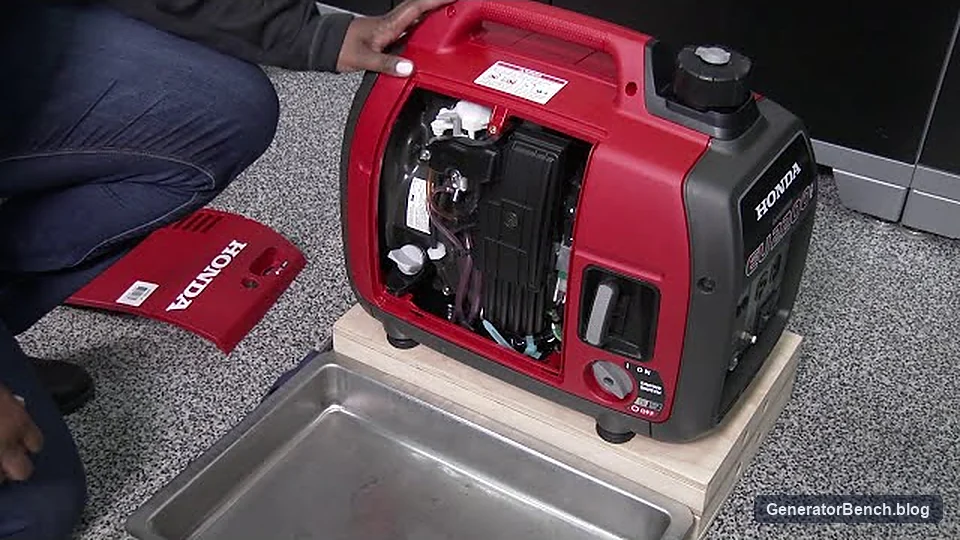
Place a suitable catch basin beneath the drain plug and remove it carefully. Tilt the frame slightly if necessary to drain every last drop of used fluid from the reservoir.
Clean the drain plug threads and reinstall it securely with a new crush washer. Avoid over-tightening aluminum block threads to prevent stripping the mounting port completely.
Pour fresh oil slowly using a clean funnel to prevent spills over hot engine components. Check the dipstick repeatedly to avoid overfilling the crankcase beyond maximum capacity limits.
Before performing maintenance on a best household generator option, park your unit on a level concrete surface, shut off the fuel valve, and place a wide catch basin beneath the drain plug.
Remove the filler cap and loosen the metal drain bolt using a properly sized combination wrench, allowing old dark oil to evacuate entirely into your disposal container.
Clean the magnetic drain plug thoroughly to remove trapped metal debris, install a fresh copper crush washer, and torque the fastener securely to prevent dangerous oil leaks.
Slowly pour fresh oil into the filler neck using a clean funnel, periodically checking the dipstick threads until fluid reaches the upper full mark without overfilling.
- Warm the engine slightly before starting the drain.
- Use a clean funnel to prevent frame contamination.
- Wipe up spilled fluids immediately to avoid fire hazards.
- Recycle old oil responsibly at designated facilities.
Verifying Correct Fluid Capacities
Consult your equipment manual to confirm exact crankcase fluid capacities down to the ounce. Overfilling creates excessive internal pressure that blows gaskets and fouls spark plugs.
Always wipe the dipstick clean before taking final level readings.
- Measure precise fluid volumes before adding oil.
- Verify dipstick level readings on flat ground.
- Never operate equipment with low oil indicators lit.
Monitoring Oil Degradation And Contamination Signs
Regular visual inspections help catch lubrication issues before they cause catastrophic internal engine failure. Healthy oil appears amber or light brown, while degraded fluid turns pitch black.
A milky or frothy appearance on the dipstick indicates severe moisture contamination within the crankcase. This usually results from running equipment in heavy rain or storing it in damp locations.
Strong gasoline odors in the drained oil signal carburetor flooding or leaking fuel valves. Fuel dilution ruins lubricating film strength and requires immediate fluid replacement and repair.
Listening closely to your engine reveals subtle changes in mechanical clatter and valve noise. Increased valvetrain clatter often signals thinning oil or dangerously low fluid levels.
Inspect your dipstick regularly for a milky, light-brown appearance, which clearly indicates dangerous coolant or moisture contamination within the sealed engine crankcase during storage periods.
Pungent gasoline odors emanating from the oil fill hole suggest a leaking carburetor float valve has diluted the lubricant, destroying its critical film strength.
Thick, gritty black sludge accumulating around the filler threads signals severe thermal breakdown and neglected service intervals that require an immediate engine flush and replacement.
Noticeable increases in engine valvetrain noise or metallic ticking sounds often indicate low oil levels or severe viscosity loss, requiring immediate shutdown and fluid analysis.
- Inspect fluid color and clarity on the dipstick.
- Watch for milky residue signaling water intrusion.
- Check for strong gasoline odors in the crankcase.
- Listen for unusual valvetrain clatter during operation.
Addressing Fuel Dilution Issues
Carburetors left unclosed during transport can leak raw fuel past piston rings into the oil. This dilutes the lubrication and threatens immediate metal-on-metal engine component damage.
Always close fuel shutoff valves before moving portable units.
- Close fuel valves during transport and storage.
- Change oil immediately if fuel dilution is suspected.
- Inspect carburetor float bowls for sticky needles.
Long Term Storage And Preventative Maintenance
When switching away from gas or adding a best solar electric generator pick to your setup, preparing gas models for long-term storage requires fluid management steps to prevent severe internal corrosion.
Always perform a complete oil change right before placing your generator into seasonal storage. Fresh fluid coats internal steel surfaces with a protective barrier against humidity and oxidation.
Some owners add a small amount of fogging oil into the cylinder after draining fluids. This protects the cylinder walls from rusting during months of complete inactivity.
Store the generator in a dry, ventilated building away from moisture sources and chemical fumes. Cover the unit with a breathable fabric cover to prevent dust accumulation.
Preparing a generator for seasonal storage exceeding thirty days requires performing a complete oil change immediately before shutdown to remove corrosive combustion byproducts and acids.
After draining the old oil and refilling with fresh fluid, run the generator for two minutes to coat internal steel components in a protective lubricating film.
Fogging the cylinder with approved storage oil provides additional upper-end protection against rust formation while the equipment sits idle in damp sheds or garages.
Affix a weatherproof maintenance tag to the carrying handle recording the exact storage date and service status to ensure readiness for the next power outage.
- Change oil immediately before long-term seasonal storage.
- Use breathable canvas covers to prevent condensation buildup.
- Store backup fuel cans separately from the generator.
- Inspect spark plugs for carbon fouling before storage.
Post Storage Startup Procedures
Before starting a generator after long storage, check all fluid levels and filters carefully. Turn the engine over manually a few times to distribute the protective oil film.
Clear stale fuel from the carburetor float bowl before ignition.
- Check fluid levels before attempting any startup.
- Crank engine manually to distribute fresh oil.
- Drain old fuel from the tank if left untreated.
Frequently Asked Questions
Can I use car engine oil in my portable generator?
Most four-stroke generators accept standard automotive detergent oils like 10W-30. Always verify that your chosen oil meets the specific API service classifications listed in your owner manual.
What happens if I forget to change my generator oil?
Neglecting oil changes causes microscopic metal debris to accumulate and destroy internal bearings. This leads to catastrophic engine failure, seized pistons, and expensive mechanical repairs.
Should I use synthetic oil in an older generator?
Synthetic oil works exceptionally well in older equipment if seals remain intact and leak-free. If an older engine already leaks oil, switching to synthetics can occasionally worsen those leaks.
How do I dispose of used generator oil safely?
Collect your used engine oil in a sealed plastic container without mixing other fluids. Take it to a local auto parts store or recycling center for proper disposal.
Why does my generator oil turn black so quickly?
Engine oil naturally darkens as it suspends combustion soot, carbon, and microscopic wear particles. Dark oil simply proves the detergent additives are successfully cleaning your engine internals.