How Loud Is A Honda Generator: Decibel Guide
Understanding exact decibel outputs helps you choose proper placement for residential backup or remote camping. Accurate sound measurements prevent neighbor disputes and protect your hearing.

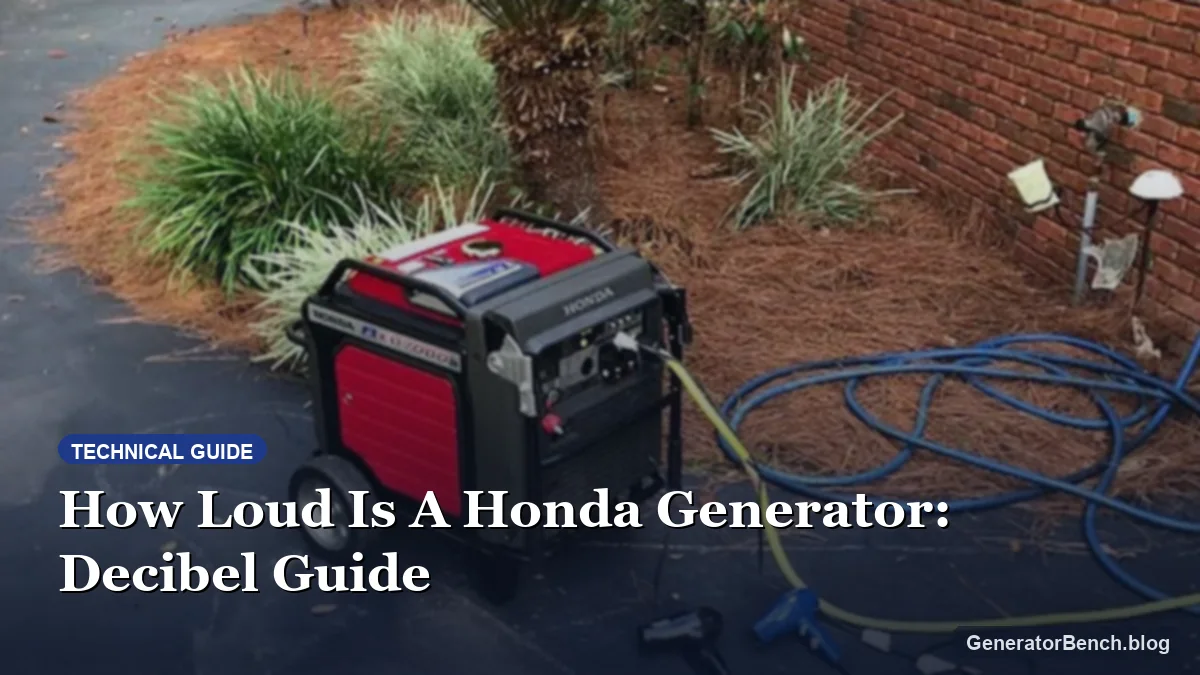
Most portable inverter units produce between 50 and 60 decibels at normal operating loads. Utilizing eco-throttle technology significantly lowers engine speeds and perceived noise levels.
Looking for matching picks? See our Best Honda Generator.
Practical Quick-Reference Table
| Scenario / Metric | Recommended Target | Why It Matters |
|---|---|---|
| EU2200i Eco Mode | 48 dB(A) | Minimizes campsite disturbance |
| EU2200i Rated Load | 57 dB(A) | Standard full-load acoustic output |
| EU3000is Idle | 50 dB(A) | Quiet background residential sound |
| EU7000is Full Load | 60 dB(A) | Allows normal conversation nearby |
| Distance Buffer | 20 Feet | Inverse square law sound drop |
| Hard Surface Reflection | +3 to +6 dB | Amplifies direct acoustic waves |
Acoustic Output Fundamentals And Decibel Ratings
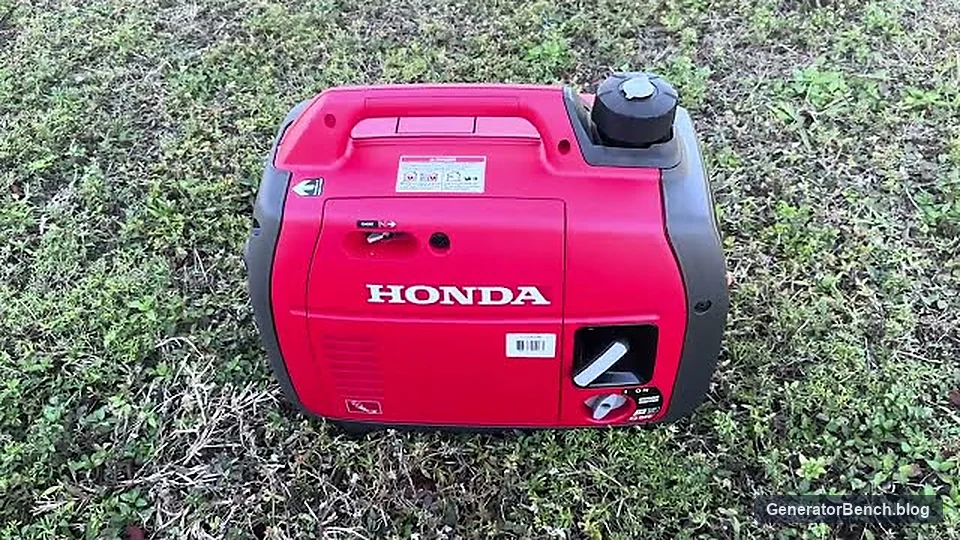
Sound pressure levels are measured on a logarithmic scale using decibels denoted as dB(A). A standard conversation sits around sixty decibels while a lawnmower exceeds ninety decibels.
Many units featured in our best honda generator guide operate within the fifty to sixty decibel range under normal loads. This specific acoustic envelope mimics typical office background noise or quiet suburban environments.
Manufacturers test these units at specific distances, usually twenty-three feet or seven meters, to standardize measurements. Real-world placement often alters these published laboratory figures significantly based on surroundings.
Understanding the logarithmic nature of sound helps operators realize that small decibel increases represent substantial doubling of acoustic energy. A three decibel rise actually doubles the sound power.
- Decibels measure acoustic pressure on a logarithmic scale.
- Standard test distance is twenty-three feet.
- Inverter models target fifty to sixty decibels.
- Small decibel increases represent major energy shifts.
Decibel Scale Breakdown
Every ten decibel increase corresponds to a perceived doubling of loudness to human ears. A fifty decibel machine sounds twice as loud as a forty decibel unit.
Operating small inverters keeps noise within acceptable limits for national park campgrounds and dense residential neighborhoods during emergency power outages.
- Ten decibels equals double perceived loudness.
- Forty decibels is whisper quiet.
Inverter Technology Versus Open Frame Noise
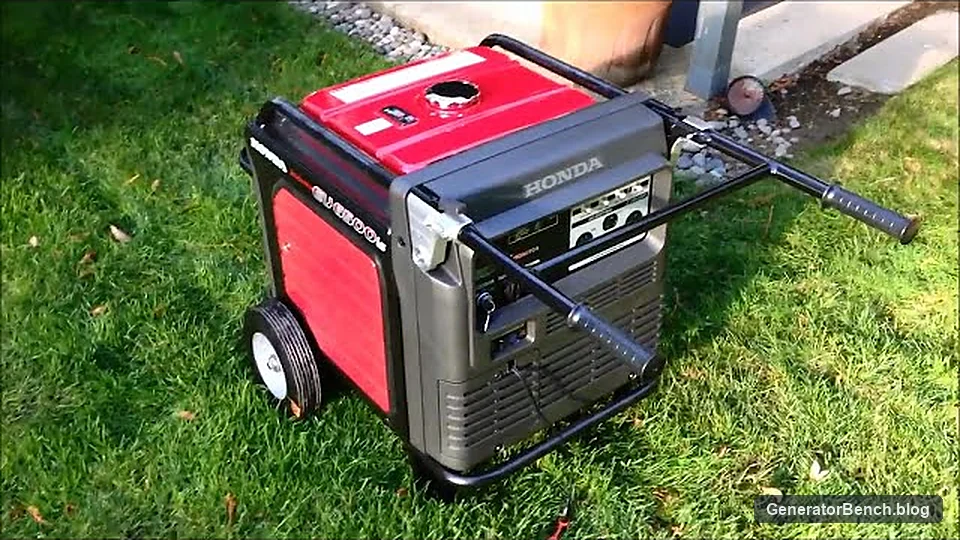
Traditional open-frame generators feature rigid engines mounted directly to steel frames without acoustic enclosures. This design produces high vibration and noise levels often exceeding seventy decibels.
Choosing a reliable option from our best honda generator for house lineup provides enclosed engines inside insulated plastic shells with specialized sound-absorbing foam. This technical barrier traps high-frequency mechanical whines effectively.
Inverter alternators produce raw alternating current, convert it to direct current, and invert it back. This allows the engine to variable-speed match electrical demand instead of running wide open.
Lower engine speeds during partial electrical loads directly correlate with drastic reductions in exhaust noise. Running at lower RPMs keeps mechanical wear and acoustic output minimal.
- Open frames lack proper acoustic baffling.
- Enclosed inverters use sound-dampening foam.
- Variable speed reduces part-load noise.
- Lower RPMs cut mechanical vibration.
Mechanical Dampening Design
Internal rubber motor mounts isolate engine vibration from the outer plastic housing. This prevents the casing from acting as a loudspeaker and broadcasting low-frequency hums.
Precision muffler design inside the enclosure routes exhaust gases through expansion chambers. This effectively attenuates high-pitched exhaust notes without causing excessive backpressure issues.
- Rubber mounts stop vibration transfer.
- Exhaust expansion chambers cut noise.
Video Walkthrough: IS The Honda 2200i Generator TOO LOUD For You?
Distance Calculations And The Inverse Square Law
Sound waves disperse spherically outward from the exhaust port while you calculate load requirements using our generator wattage sizing calculator. The inverse square law dictates that sound intensity drops rapidly over distance.
Doubling your distance from the running generator typically reduces sound pressure levels by six decibels. Moving from ten feet to twenty feet yields a noticeable acoustic improvement.
Placing your inverter unit twenty feet away transforms an audible hum into barely noticeable background noise. Proper site layout planning remains your most effective free noise-reduction tool.
Directional exhaust routing also plays a critical role in managing perceived sound at campsites. Pointing the exhaust away from tents or windows prevents direct sound wave impingement.
- Sound disperses spherically from the source.
- Doubling distance drops six decibels.
- Twenty feet creates ideal sound buffer.
- Exhaust direction dictates local loudness.
Obstacle Sound Shielding
Placing the generator behind solid physical barriers like concrete walls or storage sheds blocks direct line-of-sight propagation. This creates an acoustic shadow that dampens high frequencies.
Always maintain proper clearance for cooling airflow when utilizing natural windbreaks or acoustic deflection walls. Thermal management must never be compromised for reduced noise.
- Solid barriers create acoustic shadows.
- Cooling airflow clearance remains vital.
Environmental Factors Affecting Sound Propagation
Ambient weather conditions heavily influence how sound travels across open ground or camp clearings. High relative humidity and cold air can actually carry acoustic waves much further.
Hard reflective surfaces like concrete driveways, asphalt, or metal siding bounce sound waves around. This reflection can increase perceived decibel levels compared to soft grassy ground.
Placing your inverter on a rubber mat or thick turf absorbs ground-borne vibrations. Eliminating ground resonance prevents the earth from acting as an amplifier for mechanical hums.
Wind direction also dictates how far engine noise travels across a neighborhood. Running equipment downwind ensures that air currents push sound away from populated living areas.
- Weather conditions alter sound travel distance.
- Hard surfaces reflect and amplify noise.
- Rubber mats absorb ground vibrations.
- Wind direction shifts sound propagation.
Surface Material Impact
Concrete pads reflect up to one hundred percent of incident acoustic energy. Positioning portable units on absorbent turf or gravel dampens ground reflections significantly.
Avoiding confined spaces like tight deck corners prevents acoustic resonance loops from forming. Open-air ventilation zones keep sound waves dispersing freely.
- Concrete reflects maximum sound energy.
- Gravel and turf absorb acoustics.
Maintenance Practices For Lower Acoustic Output
Regular mechanical maintenance directly impacts the overall operational noise of small engines. A clean spark arrestor and exhaust system prevents harsh rattling or popping sounds.
Loose enclosure fasteners or vibrating service panels create annoying metallic buzzes. Checking and tightening all chassis hardware ensures the sound-dampening shell functions correctly.
Fresh fuel prevents erratic combustion cycles that cause uneven engine idling and surging. Maintaining clean carburetors or fuel injection components promotes smooth acoustic output.
Worn internal engine components or valve clearance issues increase mechanical clatter over time. Routine valve adjustments keep the valvetrain running quietly within manufacturer specifications.
- Clean spark arrestors prevent popping noises.
- Tighten chassis fasteners to stop buzzing.
- Fresh fuel promotes smooth engine idling.
- Routine valve adjustments reduce clatter.
Air Filter And Exhaust Care
A clogged air filter restricts airflow, forcing the engine to work harder and increase RPMs. Clean filtration elements maintain optimal combustion efficiency and lower noise.
Inspecting the muffler for internal corrosion prevents structural leaks from bypassing the sound-baffling chambers. A damaged exhaust assembly ruins acoustic dampening.
- Clean air filters lower engine strain.
- Inspect mufflers for structural corrosion.
Video Walkthrough: Honda EU2200i Generator Review | Just how quiet \u0026 reliable is this little generator?
Practical Placement Strategies For Quiet Operation
Evaluating top models found in our best honda generator for home backup review helps minimize acoustic intrusion during camping trips. Utilizing natural landscape contours creates effective sound barriers without extra equipment.
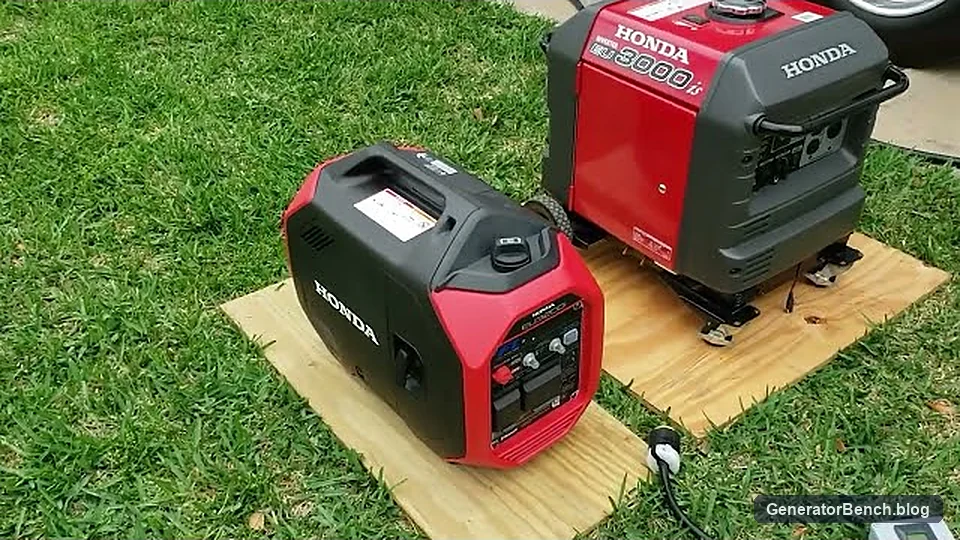
Positioning the control panel toward your seating area allows easy monitoring while exhaust points away. This simple alignment trick reduces direct exposure to combustion noise.
Long heavy-duty cord sets allow you to place the power source far from living spaces. Maintaining adequate wire gauge prevents voltage drop over distance while ensuring quietude.
Coordinating generator run times with neighbors during extended outages maintains community harmony. Respecting quiet hours demonstrates responsible equipment operation in residential zones.
- Use natural landscape contours for shielding.
- Point control panel toward monitoring spots.
- Employ long cords for remote placement.
- Coordinate run times with neighbors.
Cord Length And Voltage Drop
Using proper gauge extension cords safely transmits power across twenty to thirty feet. Selecting heavy-duty copper conductors prevents overheating and electrical resistance losses.
Always secure extension cords along pathways to prevent tripping hazards during night operation. Safe placement ensures reliable emergency power delivery without complications.
- Select heavy-duty copper conductors.
- Secure cords to prevent tripping.
Frequently Asked Questions
How many decibels does a typical small Honda inverter make?
Compact inverter models generate between 48 and 57 decibels during standard operation depending on immediate electrical load demands and eco-throttle engagement settings.
This low sound output level is roughly equivalent to a typical background office conversation or moderate rainfall, allowing nearby campers to sleep comfortably without significant acoustic disruption or annoying mechanical drone.
Can you build a sound enclosure around a Honda generator?
Building a custom enclosure requires extreme caution because internal combustion engines generate intense heat that demands continuous airflow.
Constructing a poorly ventilated box will cause catastrophic engine overheating, so always prioritize cooling over complete sound isolation by utilizing marine-grade baffled vents and dedicated exhaust routing.
Why is my generator sounding louder than normal?
Increased noise often indicates loose chassis fasteners, a damaged muffler assembly, or a clogged spark arrestor needing immediate cleaning.
Addressing these mechanical wear items promptly restores the factory sound dampening and prevents further internal engine damage while ensuring your portable equipment runs efficiently during emergencies.
Does eco-throttle technology really reduce generator noise?
Engaging the eco-throttle switch allows the engine computer to automatically adjust rotational speed to match electrical demand.
Running at lower RPMs during partial loads significantly lowers exhaust noise and conserves fuel consumption over extended operating periods while minimizing mechanical wear across internal components.
How far away should I place my generator to reduce noise?
Placing your portable inverter unit at least twenty feet away from living spaces or tents utilizes distance dispersion effectively.
Every doubling of distance drops sound pressure levels by six decibels, turning an audible hum into faint background sound that easily blends into your natural surroundings.