How Loud Is 68 Decibels Generator Sound Levels Explained
Understanding generator acoustics helps prevent neighborhood disputes and hearing damage. Accurate decibel metrics guide your equipment placement decisions effectively during power emergencies.

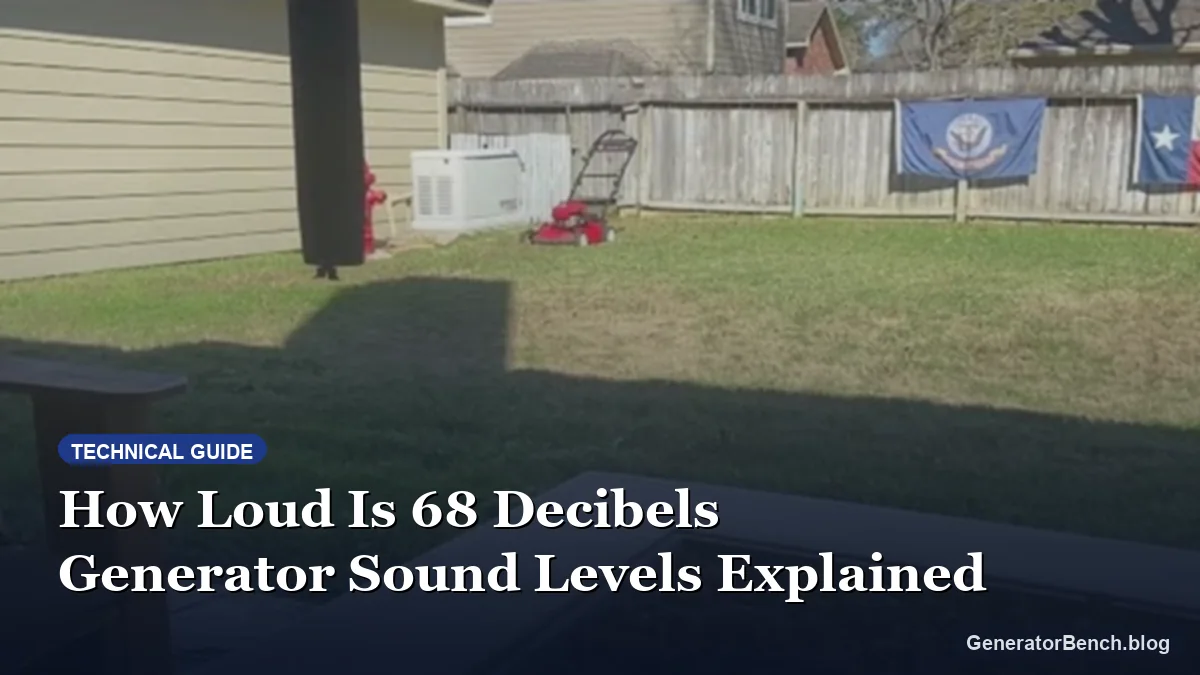
A 68 dB generator matches the sound output of a normal conversation or a standard vacuum cleaner. Proper outdoor placement reduces this perceived sound significantly for nearby residents.
Looking for matching picks? See our Best Low Decibel Generator.
Practical Quick-Reference Table
| Scenario / Metric | Recommended Target | Why It Matters |
|---|---|---|
| Residential Distance | 20 feet or more | Reduces volume by inverse square law. |
| Normal Conversation | 60 to 65 decibels | Direct comparison baseline. |
| Vacuum Cleaner | 70 decibels | Close match to 68 dB output. |
| OSHA Workplace Limit | 85 decibels over 8 hours | Ensures long-term hearing safety. |
| Nighttime Noise Ordinance | 50 to 55 decibels | Prevents municipal code violations. |
| Sound Deflection | Use solid barriers | Blocks direct acoustic wave propagation. |
Understanding Acoustic Measurements and Decibel Scales
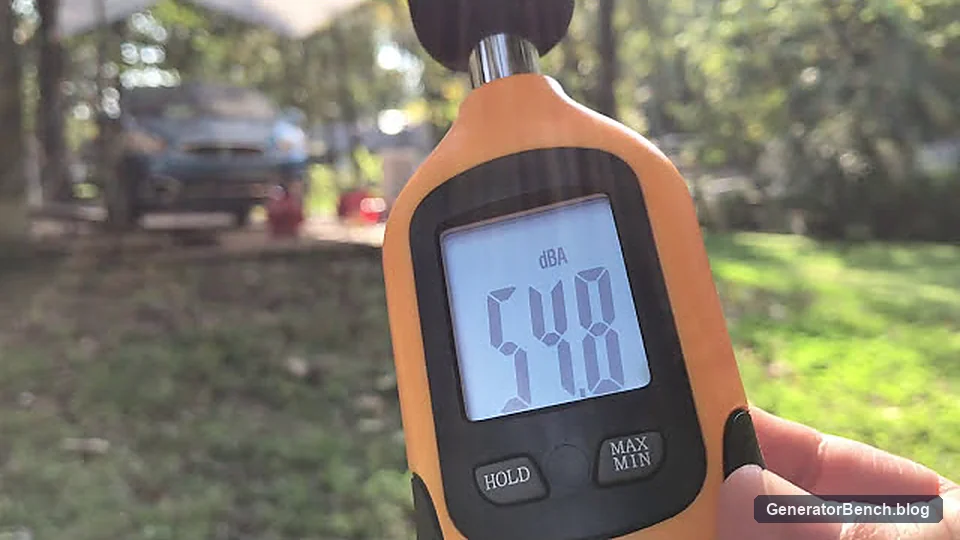
Decibels measure sound pressure levels on a logarithmic scale rather than a linear one. An increase of ten decibels represents a perceived doubling of loudness to human ears.
Engineers use A-weighting filters to match measurements with human hearing sensitivity. This standardization ensures that 68 dB ratings reflect true perceived acoustic impact across different frequency bands.
The decibel scale operates on a logarithmic basis, meaning sound intensity multiplies exponentially. When selecting units from our best home emergency generator guide, note that a 3 dB increase represents a doubling of sound energy.
Acoustic engineers utilize A-weighting filters (dBA) to match human hearing sensitivity, which naturally attenuates very low and extremely high frequencies. At 68 dBA, your ear perceives a moderate industrial noise level comparable to heavy city traffic.
- Logarithmic scale means small number jumps equal massive sound energy changes.
- A-weighting filters remove extreme high and low frequencies humans cannot hear.
- Sound pressure level meters require regular calibration for accurate field readings.
- Distance variables heavily skew raw acoustic measurements taken outdoors.
- Decibels measure sound pressure relative to the established threshold of human hearing.
Decibel Math and Human Perception
Human ears require approximately a ten decibel increase to perceive a sound as twice as loud. Therefore, understanding this ratio helps operators calculate safe exposure limits and anticipate neighbor complaints during extended power outages.
- Perceived loudness doubles with every ten decibel rise.
Comparing 68 Decibels to Everyday Environmental Sounds
A sound level of sixty-eight decibels is moderately loud during quiet evenings. Models featured in our best household generator roundup mirror the operating volume of a standard vacuum cleaner.
Ambient background noise in busy suburban neighborhoods often masks this specific output level. However, in rural settings, a 68 dB engine remains distinct and noticeable outdoors.
Operating a generator that measures 68 decibels places the equipment directly on par with a standard vacuum cleaner running indoors. This sound output is loud enough to require raised voices during conversation when standing within ten feet of the unit.
Commercial office environments typically average around sixty decibels, making a 68 dBA generator noticeably louder than typical indoor background hums. Outdoor residential areas at night usually drop to forty decibels, which highlights why generators stand out.
- Matches typical restaurant chatter or a running shower.
- Noticeably louder than standard inverter generators rated at fifty-nine decibels.
- Safe for short exposure but annoying during prolonged nighttime operation.
- Easily penetrates single-pane windows during quiet evening hours.
- Normal conversational speech typically registers around sixty decibels.
Video Walkthrough: How loud is the Predator 3500 Super Quiet Inverter Generator - Harbor Freight?
Physics of Sound Propagation and Distance Attenuation
Sound waves travel outward from combustion units and every best solar electric generator option in expanding spherical wavefronts. The inverse square law dictates that sound intensity drops significantly as distance increases.
Doubling the distance from a running generator typically reduces sound pressure by six decibels. Positioning your unit twenty feet away drops the perceived volume noticeably.
Sound waves disperse spherically away from the generator source, following the inverse-square law in open environments. Every time you double the distance from a 68 dBA generator, sound pressure drops by six decibels theoretically.
Ground absorption, atmospheric humidity, and ambient temperature gradients heavily influence acoustic wave refraction over longer distances. Hard surfaces like concrete patios will reflect sound waves, preventing expected attenuation and intensifying local noise levels.
- Sound energy disperses radially across open outdoor environments.
- Hard surfaces like concrete cause acoustic waves to bounce and echo.
- Soft terrain such as grass absorbs high-frequency sound energy effectively.
- Atmospheric wind and temperature gradients refract sound waves over distance.
- Distance is one of the most effective passive sound attenuation tools.
Engineering Factors That Determine Generator Noise Output
Engine displacement and exhaust design dictate how loud a unit runs. Once you use our generator wattage sizing calculator to choose a model, note that units operating at 3,600 RPM produce high-pitched sounds.
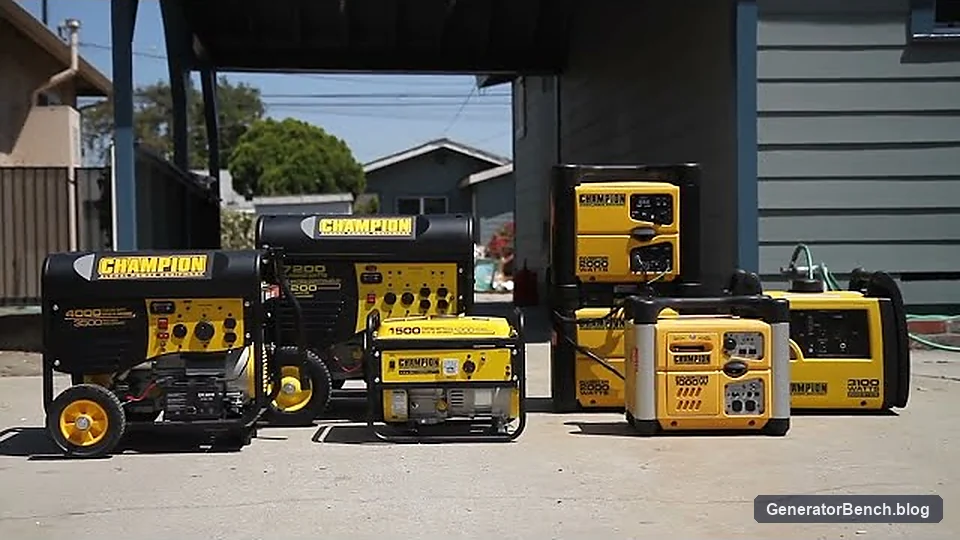
High-quality mufflers and insulated fiberglass engine housings dampen mechanical vibration significantly. Without these engineering features, small frame generators easily exceed seventy decibels of noise.
Internal combustion engines generate primary noise through exhaust gas pulsations and mechanical piston slap. Manufacturers install tuned muffler systems and insulated fiberglass airboxes to dampen these high-frequency mechanical vibrations before they escape outward.
Engine load directly correlates with throttle position and rotational speed, meaning Eco-mode features significantly reduce noise. Inverter units dynamically adjust RPM to match electrical demand, dropping below 68 dBA when running under partial loads.
- Inverter alternators allow variable engine speeds to lower idle noise.
- Steel frames transmit engine vibration directly into the underlying ground surface.
- Cooling fans generate considerable aerodynamic wind noise during heavy electrical loads.
- Loose access panels rattle loudly when internal components vibrate rapidly.
- Muffler baffling restricts high-velocity gas expansion to lower decibel output.
Strategic Placement Techniques for Noise Mitigation
Proper outdoor orientation minimizes the acoustic impact on your living areas and neighbors. Pointing the exhaust outlet away from open windows reduces direct sound transmission.
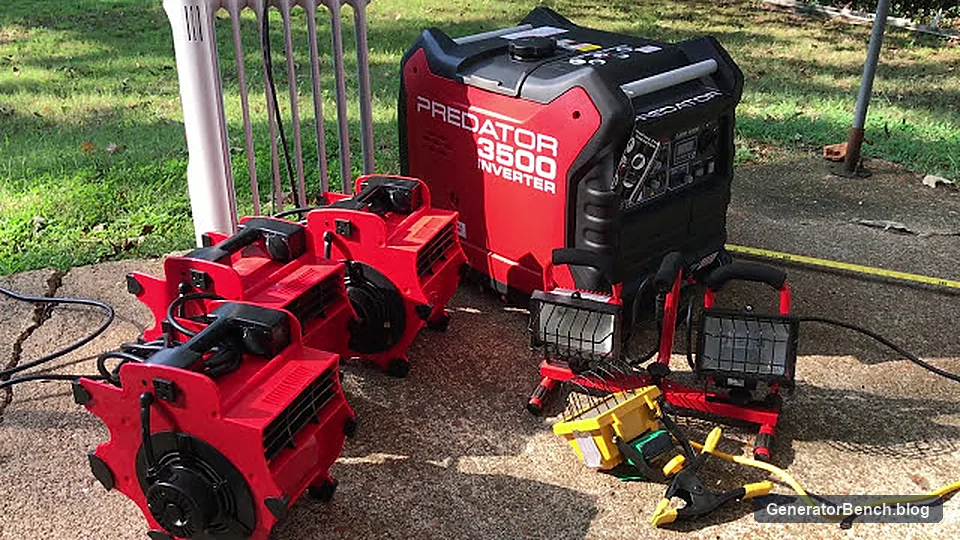
Placing the equipment on a solid rubber mat prevents ground vibration resonance from amplifying. Simple tactical positioning choices yield immediate acoustic improvements without financial costs.
Positioning your portable generator requires balancing exhaust safety clearances with acoustic shielding strategies. Always place the unit at least twenty feet from living areas, pointing the exhaust away from windows, doors, and neighbor properties.
Utilizing natural landscape features like dense shrubbery or solid retaining walls can absorb and deflect sound waves. Avoid placing generators inside enclosed, unventilated corners where acoustic resonance can amplify overall engine noise output.
- Keep generators clear of metal walls that act as acoustic amplifiers.
- Utilize existing landscape features like dense shrubbery as natural sound barriers.
- Maintain required clearance distances to prevent dangerous carbon monoxide accumulation indoors.
- Secure temporary plywood deflection shields to block direct line-of-sight sound.
- Exhaust direction plays a major role in directional sound propagation.
Video Walkthrough: How Loud are Champions Generators?
Using Physical Enclosures and Baffles Effectively
Custom generator enclosures require meticulous airflow engineering to prevent dangerous overheating situations. Sound-deadening mass-loaded vinyl provides exceptional acoustic barrier performance inside enclosures.
Intake and exhaust baffles trap sound waves while allowing forced cooling air circulation. Never operate a generator inside a sealed container without verified mechanical ventilation systems.
Custom generator enclosures require careful engineering to prevent dangerous carbon monoxide buildup while reducing sound propagation. Constructing a baffle box with sound-deadening mineral wool insulation can drop measured noise levels significantly without causing overheating.
Adequate airflow must remain a priority when designing sound barriers to ensure proper engine cooling fan performance. Always incorporate forced-air ventilation channels equipped with acoustic louvers to trap sound while maintaining necessary volumetric airflow rates.
- Construct baffle boxes with staggered air intake and exhaust vents.
- Line internal enclosure walls with fire-retardant acoustic absorption foam panels.
- Monitor engine operating temperatures constantly inside any custom housing structure.
- Ensure easy access for refueling and routine maintenance tasks.
- Enclosures must never compromise mandatory exhaust clearance rules.
Municipal Noise Regulations and Compliance Standards
Local noise ordinances frequently impose strict decibel limits during nighttime hours. Many municipalities enforce maximum thresholds of fifty-five decibels after ten in the evening.
Operating a sixty-eight decibel unit overnight can trigger code violations and municipal fines. Checking local residential codes prevents unexpected penalties during emergency power outages.
Local municipal ordinances frequently establish strict daytime and nighttime decibel limits for residential zones. Many neighborhoods enforce a threshold of fifty-five decibels during overnight hours, meaning a 68 dBA generator might violate local laws.
Emergency disaster declarations often temporarily suspend standard noise ordinances, but standard operating etiquette still dictates mitigating unnecessary disturbances. Familiarize yourself with local EPA sound limits and homeowner association bylaws before permanent installation.
- Commercial zones permit higher daytime noise limits than residential neighborhoods.
- Decibel meters used by inspectors must meet official calibration standards.
- Emergency disaster declarations sometimes temporarily suspend standard municipal noise restrictions.
- Documenting sound mitigation efforts helps resolve neighborhood disputes amicably.
- Check city code compliance before operating backup power systems.
Maintenance Practices to Prevent Excessive Mechanical Noise
Worn engine components and loose hardware generate harsh mechanical rattling sounds over time. Performing regular fastener inspections keeps your generator running smoothly and quietly.
Replacing degraded exhaust gaskets eliminates high-pitched leaks that raise overall noise levels. Keeping the spark arrester clean maintains optimal exhaust pressure and acoustic performance.
Routine mechanical maintenance directly preserves the factory acoustic rating of your power equipment. Loose heat shields, vibrating frame bolts, and worn exhaust gaskets routinely create metallic rattles that push baseline sound levels far higher.
Regularly check valve clearances and replace degraded air filters to ensure smooth combustion cycles. A struggling engine works harder, resulting in higher RPM operation and an unnecessary escalation in total operational decibel output.
- Lubricate moving linkages and check alternator mountings for secure connections.
- Clean air filters regularly to prevent rough engine combustion and knocking.
- Inspect exhaust pipes for microscopic cracks or rust-induced holes.
- Follow manufacturer service intervals for comprehensive engine tune-up procedures.
- Tighten frame fasteners annually to stop vibration-induced rattles.
Frequently Asked Questions
Is a 68 decibel generator considered loud for camping?
Yes, sixty-eight decibels is quite noticeable in a quiet campground environment. Most modern campsites require inverter generators operating below sixty decibels during quiet hours.
Can I reduce a 68 dB generator to 50 dB easily?
Achieving an eighteen decibel reduction requires heavy engineering controls like custom acoustic enclosures. Simple placement changes alone cannot drop volume by that magnitude.
How far away should I place a 68 dB generator from my tent?
Place the unit at least twenty to thirty feet away for moderate sound relief. Always position the exhaust away from sleeping areas to prevent toxic gas intrusion.
Why does my generator sound louder than its 68 dB rating?
Hard reflective surfaces like concrete driveways amplify sound waves through acoustic bouncing. Worn mechanical parts or loose hardware also increase operational noise significantly.
Do eco-mode features lower decibel ratings on generators?
Eco-mode reduces engine RPM under light electrical loads, significantly lowering noise output. When maximum power is demanded, the engine accelerates and returns to rated decibel levels.