How Loud Is 59 Db Generator Technical Guide
Understanding generator noise levels helps you maintain peace and comply with local ordinances. This technical guide evaluates sound pressure and real-world acoustic output.

A 59 decibel generator sounds roughly as loud as a normal suburban conversation or a quiet background office. This moderate noise level requires minimal acoustic mitigation during standard daytime operation.
Looking for matching picks? See our Best Electric Generator.
Practical Quick-Reference Table
| Scenario / Metric | Recommended Target | Why It Matters |
|---|---|---|
| Sound Pressure | 59 dB(A) at 23 feet | Standard testing distance |
| Normal Speech | 60 dB | Direct acoustic comparison |
| Nighttime Limits | Under 50 dB | Local residential compliance |
| Inverter Tech | Variable RPM | Reduces partial-load noise |
| Distance Drop-off | -6 dB per doubling | Predicts field exposure |
| Hard Surface | Acoustic reflection | Increases effective volume |
Decoding Decibel Metrics And Acoustic Scale Basics
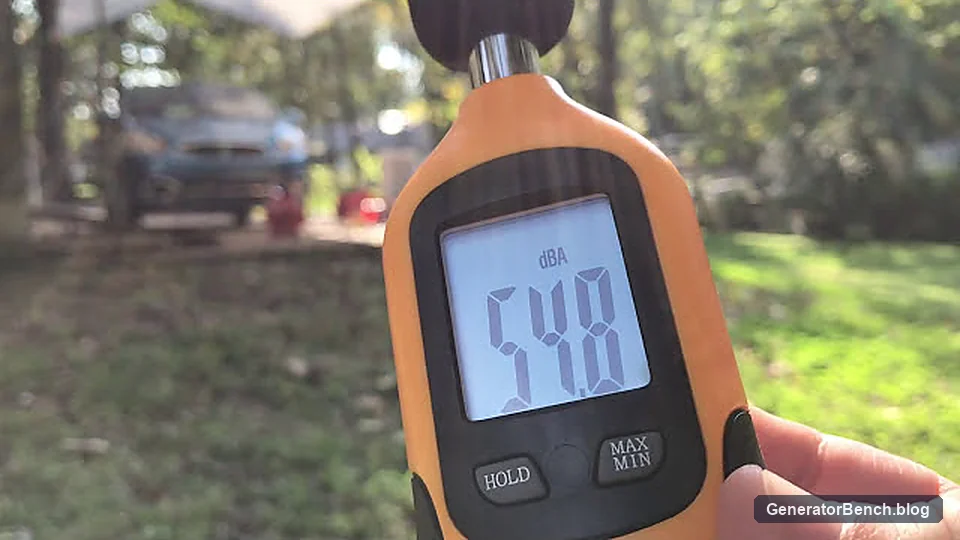
Decibels use a logarithmic scale rather than a linear measurement system. This mathematical structure means small numerical increases represent significant changes in sound energy reaching the human ear.
A rating of fifty-nine decibels indicates moderate acoustic output typical of modern inverter generators. Pairing these units with data from our generator wattage sizing calculator ensures you choose appropriate power levels.
Sound pressure measurements depend heavily on the specific distance between the microphone and the exhaust port. Standard laboratory tests usually position the testing apparatus twenty-three feet away from the unit.
Recognizing how logarithmic scales function prevents misinterpretations of equipment specifications. You must evaluate sound power versus pressure when comparing different portable power generation systems on the market.
- Logarithmic scale doubles perceived loudness every ten decibels.
- Standard ratings use A-weighting to match human hearing.
- Testing distance heavily influences published decibel ratings.
- Always verify manufacturer testing conditions before purchase.
Understanding A-Weighting Filters
A-weighting filters adjust raw sound measurements to mimic human ear sensitivity. This specific curve discounts extremely low and high frequencies that people cannot easily perceive.
Evaluating decibels with this filter provides realistic expectations for outdoor living spaces. Equipment specifications marked as dB(A) incorporate this essential human-centric acoustic adjustment standard.
- Human ears ignore certain extreme audio frequencies.
- A-weighting provides realistic field performance data.
Real World Sound Comparisons For Fifty Nine Decibels
Experiencing fifty-nine decibels in a practical setting resembles being inside a busy restaurant. You can converse comfortably without shouting while standing near a unit running at this level.
Household appliances often produce similar acoustic profiles during normal daily operation. A modern refrigerator compressor or an electric dishwasher generates comparable sound pressure during active wash cycles.
Outdoor equipment like electric lawn mowers or standard box fans overlap with this range. Choosing top home emergency generators helps homeowners contextualize exact equipment noise before setting up outside.
While acceptable during daytime hours, this sound level might disturb light sleepers at night. Proper placement ensures acoustic comfort for both your household and immediate neighbors during outages.
- Comparable to normal indoor restaurant chatter levels.
- Similar to standard kitchen refrigerator compressor cycles.
- Allows normal conversation without raising your voice.
- Requires careful night placement near bedroom windows.
Video Walkthrough: Generator noise concerns
Distance Calculations And Inverse Square Law Principles
Sound waves dissipate rapidly as they travel away from the generation source. The inverse square law dictates that sound pressure decreases significantly with every doubling of distance.
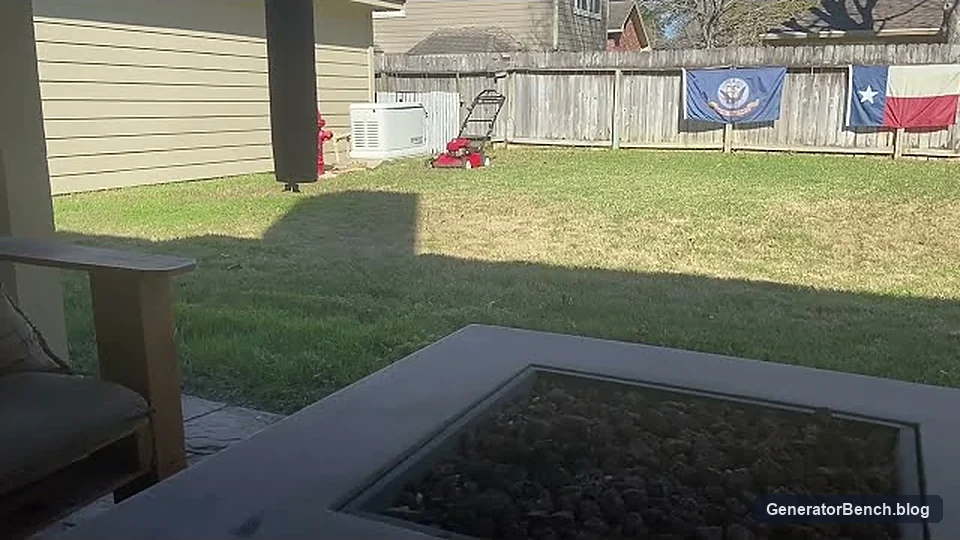
If a unit measures fifty-nine decibels at twenty-three feet, stepping back doubles that distance. That extra space drops the perceived volume by roughly six decibels in open terrain.
Obstacles like fences or dense shrubbery absorb high-frequency sound waves very effectively. Strategic placement leverages natural landscape barriers to shield sensitive outdoor living zones from engine noise.
Hard reflective surfaces like concrete patios or brick walls bounce sound waves outward. Evaluating options in our best household generator roundup prevents acoustic echoing that amplifies portable equipment.
- Distance drops volume by six decibels per doubling.
- Open fields provide natural acoustic dissipation zones.
- Hard reflective walls trap and bounce sound waves.
- Strategic placement protects nearby residential bedroom windows.
Environmental Factors Affecting Generator Sound Output
Ambient environmental conditions alter how sound travels across residential neighborhoods. Wind direction can carry engine noise much further than anticipated during calm atmospheric weather patterns.
Humidity and temperature also play minor roles in acoustic wave propagation outdoors. Reviewing various solar electric generator options helps eliminate combustion noise entirely during cold dense atmospheric conditions.
Ground composition alters how acoustic energy reflects upward toward surrounding structures. Soft grass absorbs sound waves, whereas asphalt driveways amplify noise through severe acoustic reflection properties.
Operating loads directly influence engine throttle response and associated mechanical noise. Heavy electrical draws force higher RPMs, temporarily raising baseline decibels above nominal rated idle levels.
- Wind direction carries sound waves across property lines.
- Hard asphalt surfaces reflect and amplify engine noise.
- Heavy electrical loads increase engine RPM and volume.
- Grass and soft soil absorb direct acoustic energy.
Engineering Methods To Lower Operating Noise Levels
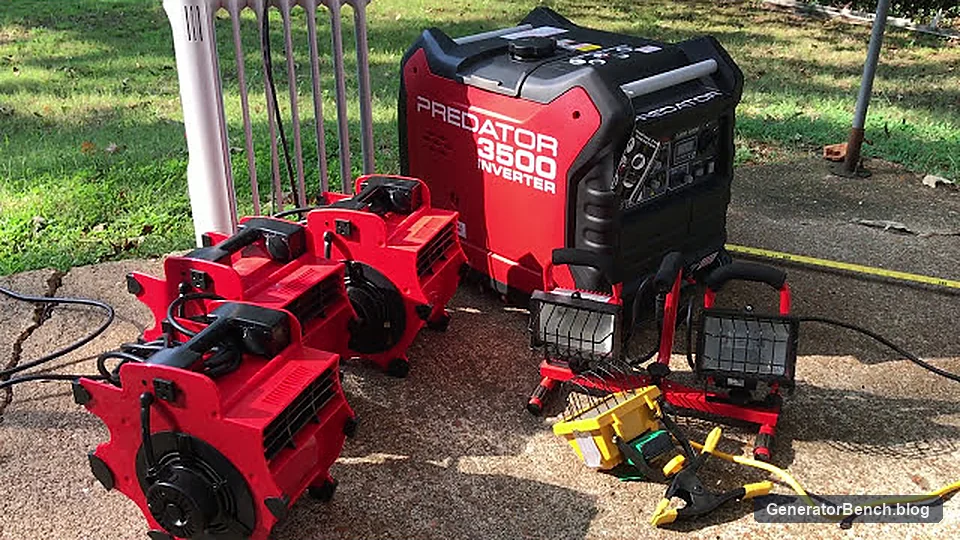
Modern inverter units utilize variable speed throttles to minimize unnecessary mechanical noise. When electrical demand drops, the engine slows down, dramatically reducing overall operating sound emissions.
Enclosed housings lined with acoustic damping foam trap internal engine vibrations effectively. These molded plastic shells act as physical sound barriers blocking high-pitched mechanical frequencies completely.
Upgraded aftermarket mufflers provide an alternative path for quieter exhaust gas release. Professional installation ensures proper backpressure while muting harsh pops common in older open-frame generators.
Placing vibration-isolation pads beneath the frame prevents ground resonance transmission. Stopping mechanical vibrations from coupling with wooden decks eliminates low-frequency rumbling inside your home interior.
- Inverter throttles reduce engine speed at partial loads.
- Acoustic damping foam traps high-pitched mechanical sounds.
- Vibration isolation pads prevent frame ground resonance.
- Custom exhaust baffles smooth out pulsing frequencies.
Video Walkthrough: How Loud Is a Home Generator? | Sound Level and Decibel Scale Comparison.
Compliance Standards And Municipal Noise Ordinances
Local municipalities enforce strict decibel limits for residential zones during nighttime hours. Many local ordinances restrict allowable sound levels to fifty decibels after standard evening curfew times.
Running a fifty-nine decibel unit overnight might violate local noise codes in dense areas. Checking municipal statutes prevents costly fines and preserves good relationships with your neighborhood residents.
National park systems and campgrounds enforce strict acoustic guidelines for recreational equipment. Portable generators often face maximum decibel caps around sixty decibels within protected public recreation zones.
Utilizing eco-mode features helps units stay compliant during low-load periods overnight. Understanding these legal parameters ensures responsible operation throughout extended grid failure emergencies or camping trips.
- Nighttime residential codes often drop to fifty decibels.
- Public campgrounds enforce strict daytime volume caps.
- Eco-mode functions maintain legal compliance during lulls.
- Always review local ordinances before emergency deployment.
Frequently Asked Questions
Is fifty-nine decibels considered loud for a portable power generator?
A rating of fifty-nine decibels is considered moderately quiet for modern portable equipment operating under standard residential conditions. It compares very favorably to normal conversational speech or background restaurant chatter during busy daytime hours.
You can easily run this generator in standard suburban yards without causing major disruptions to your immediate neighbors or household relaxation spaces nearby.
How does distance affect the perceived volume of a generator?
Sound pressure drops significantly as you move further away from the operating exhaust port in open terrain. Every time you double the distance from the machine, the volume decreases by roughly six decibels across flat ground.
Strategic placement utilizing this fundamental acoustic principle protects nearby residential bedrooms and outdoor living zones from excessive mechanical engine noise.
Can I run a fifty-nine decibel generator overnight in a neighborhood?
Many municipal noise ordinances enforce strict limits dropping below fifty decibels during late nighttime hours in residential zones. Running this equipment overnight might violate local codes depending on your specific property line distance and regional laws.
Utilizing eco-mode features or placing the unit much further away helps maintain compliance during extended emergency grid power failures.
What everyday sounds compare directly to fifty-nine decibels?
A sound level of fifty-nine decibels closely mirrors a normal indoor restaurant atmosphere or quiet office environment. Modern kitchen refrigerator compressors and standard electric dishwashers generate very similar acoustic pressure profiles during normal operating cycles.
Recognizing these everyday audio equivalents provides homeowners with an accurate baseline expectation before setting up backup power equipment outdoors.
How can I reduce the noise output of my generator?
You can lower operational sound by placing the unit on vibration-isolation pads and pointing the exhaust away from homes. Utilizing natural landscape barriers like dense shrubs also absorbs high-frequency engine noise emissions very effectively.
Positioning the generator on soft grass instead of hard asphalt prevents unwanted acoustic reflection across your residential property line.