How Loud Is 58 Db Generator Acoustic Guide
Understand the exact acoustic footprint of a 58 decibel generator. This technical guide breaks down noise measurements and real-world placement rules.

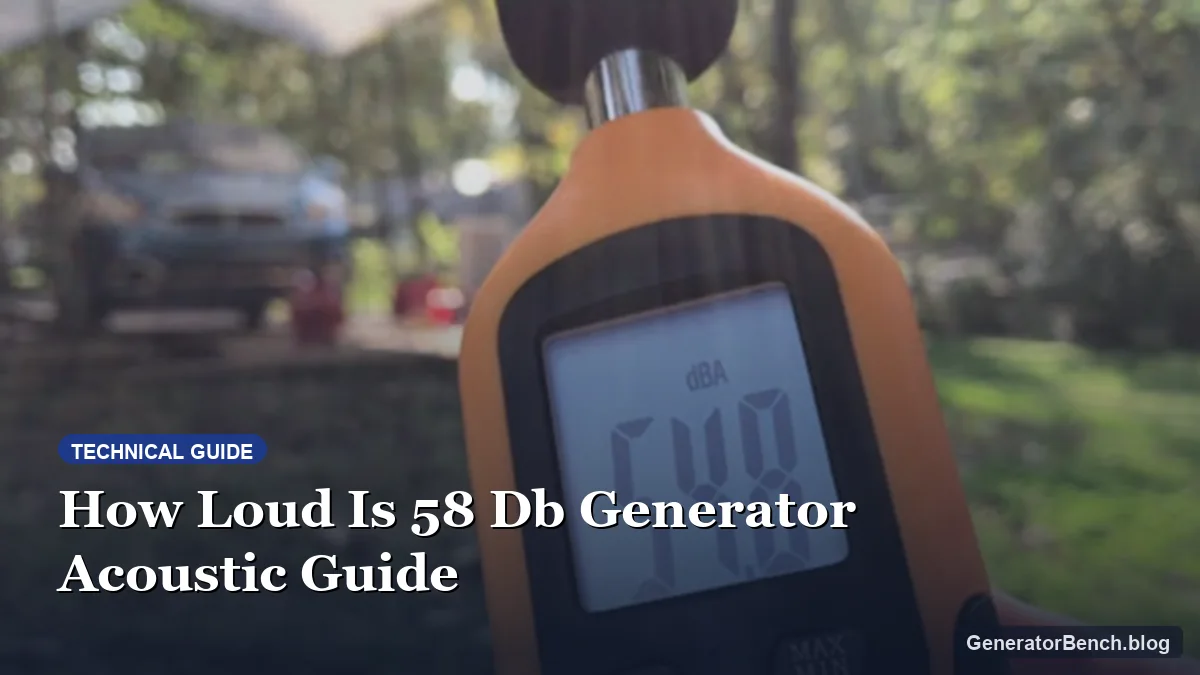
A 58 decibel generator operates at a volume comparable to a normal conversation or a quiet dishwasher. Maintain proper distance to protect hearing and comfort during extended outages.
Looking for matching picks? See our Best Electric Generator.
Practical Quick-Reference Table
| Scenario / Metric | Recommended Target | Why It Matters |
|---|---|---|
| Sound Level | 58 Decibels | Standard inverter output at quarter load. |
| Conversation | 60 Decibels | Normal indoor talking voice level. |
| Distance Drop | -6 dB per doubling | Acoustic reduction over open ground. |
| Quiet Dishwasher | 50-55 Decibels | Modern kitchen appliance noise profile. |
| Residential Limit | 55-65 Decibels | Typical night-time municipal noise ordinances. |
| Measuring Tool | Type 2 SPL Meter | Accurate weighting filter measurement device. |
Understanding Decibel Scales and Portable Generator Acoustics
Decibels measure sound pressure levels on a logarithmic scale rather than a linear one. Understanding this mathematical progression helps technicians evaluate true generator noise intensity accurately without confusion.
A rating of 58 decibels indicates moderate sound output typical of the best household generator models operating below maximum capacity. This level remains safe for continuous human exposure without hearing damage.
Sound power differs from sound pressure, which varies based on distance and surrounding environmental factors. Manufacturers test units in controlled acoustic chambers to establish reliable baseline specifications for consumers.
Ambient background noise often masks lower generator frequencies during daytime operations in suburban neighborhoods. Nighttime conditions, however, lower background sound and make the exact 58 decibel output more noticeable.
Decibels operate on a logarithmic scale where a small numeric increase represents a massive acoustic jump. Sound pressure doubles for every six decibel increase, meaning small changes demand serious mechanical engineering attention.
Modern inverter generators achieve quiet operations near fifty-eight decibels by enclosing the engine block within insulated housings. Sound-dampening foam absorbs high-frequency mechanical whines before they escape the outer structural composite panels.
Exhaust pulsations create dominant low-frequency hums that standard insulation struggles to capture completely. Manufacturers employ multi-chambered exhaust mufflers to dissipate acoustic energy safely without restricting critical engine exhaust gas flow rates.
Acoustic engineering standards require testing at specific distances, usually twenty-three feet under quarter-load conditions. Understanding these standardized testing environments helps consumers interpret manufacturer claims accurately against real-world campsite or residential background noises.
- Logarithmic scale doubles perceived loudness every ten decibels.
- Baseline testing occurs at a standardized distance of twenty feet.
- A-weighting filters mirror human ear sensitivity during testing.
- Sound pressure dissipates naturally across open outdoor terrain.
Technical Factors Influencing Base Acoustic Emissions
Engine displacement, muffler design, and housing insulation heavily dictate baseline mechanical noise output. Higher displacement models often require robust baffling to maintain acceptable decibel thresholds.
Inverter alternators allow variable engine speeds, dropping acoustic output significantly during low-wattage operation phases. Traditional frame generators lack this feature, running constantly at high RPMs.
- Muffler quality dictates high-frequency exhaust note containment.
- Enclosure panels absorb mechanical vibration and engine clatter.
Comparing 58 Decibels to Everyday Environmental Noises
Contextualizing sound levels requires comparing generator output against familiar daily acoustic benchmarks, including options found in our best solar electric generator guide. At 58 decibels, the noise matches a quiet residential street.
Conversational speech typically registers between sixty and sixty-five decibels under normal conditions. Consequently, a 58 decibel generator allows users to speak outdoors without shouting over the engine.
Household appliances like refrigerators or dishwashers frequently produce sound signatures similar to modern inverter units. This familiarity prevents the equipment from feeling jarring during extended power outages.
Comparing these ratings helps homeowners set realistic expectations for backyard placement during emergencies. Neighbors will barely notice a muffled 58 decibel unit positioned near property boundary lines.
A noise level of fifty-eight decibels sits comfortably between a quiet suburban neighborhood and a normal office conversation. This moderate acoustic footprint prevents chronic annoyance during extended power outages or recreational weekend camping trips.
Kitchen refrigerators typically register around fifty decibels, making a slightly louder generator acceptable indoors if properly isolated. However, running combustion engines inside enclosed spaces introduces fatal carbon monoxide poisoning hazards that require outdoor placement.
Traffic passing at a distance of thirty feet generates roughly sixty decibels, matching typical portable generator output profiles. This familiar background sound blends seamlessly into urban environments, minimizing complaints from adjacent neighbors during emergencies.
Bird calls and gentle rainfall measure around forty decibels, illustrating how generator noise elevates natural soundscapes. Maintaining this acoustic ceiling ensures users can maintain normal conversations without raising their voices significantly outdoors.
- Normal office chatter equals roughly sixty decibels.
- Quiet refrigerators register between forty and fifty decibels.
- Heavy traffic surges exceed eighty decibels easily.
- Whispers measure roughly thirty decibels in quiet rooms.
Human Ear Perception of Moderate Sound Levels
The human auditory system processes logarithmic decibel changes through non-linear subjective perception mechanisms. An increase of ten decibels sounds roughly twice as loud to human ears.
Continuous exposure to 58 decibels over many hours causes minimal fatigue compared to harsh industrial machinery. Ear protection remains unnecessary unless working directly beside the exhaust port.
- Human sensitivity peaks around mid-frequency vocal ranges.
- Low hums cause less psychological irritation than whines.
Video Walkthrough: FIRMAN WH02942 Dual Fuel Inverter Portable Generator, 3200W Electric Start, Quiet 58 - B07WDM1L7C
Distance Attenuation Laws and Inverse Square Calculations
Sound pressure decreases predictably as distance increases away from the acoustic source in open spaces. The inverse square law dictates a six decibel drop for every doubled distance interval.
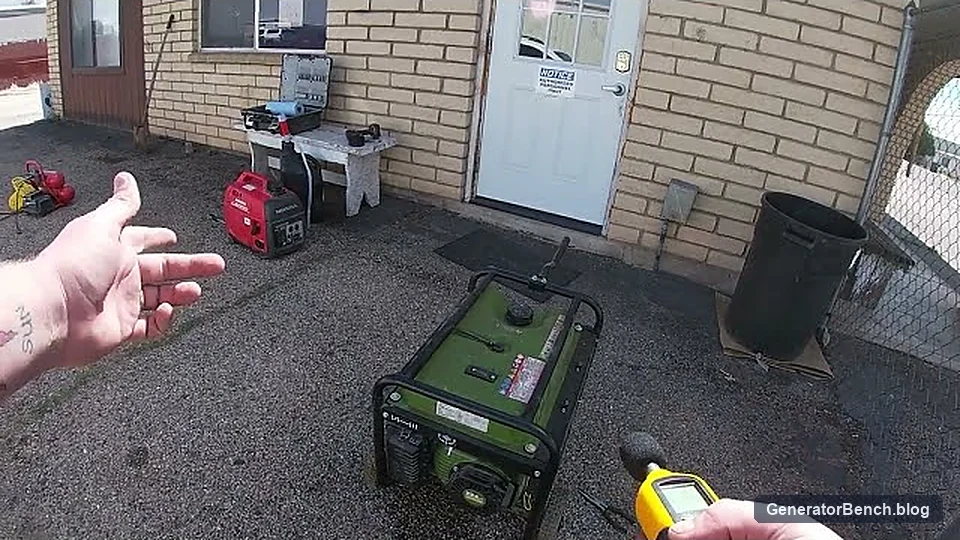
If a generator measures 58 decibels at twenty feet, the reading drops to approximately 52 decibels at forty feet. Extending distance further yields rapid acoustic relief for nearby living spaces.
Ground absorption, atmospheric humidity, and wind vectors alter theoretical calculations in real-world outdoor environments. Hard surfaces like concrete reflect sound waves, increasing perceived volume levels locally.
Strategic placement of the best home emergency generator maximizes distance from bedroom windows to ensure peaceful sleep during outages. Simple geometry serves as the most effective tool for acoustic mitigation.
Sound waves spread spherically from a portable generator, losing energy exponentially according to fundamental physics principles. The inverse square law dictates that doubling your distance from the noise source reduces sound pressure by six decibels.
At twenty-three feet, a running unit measures fifty-eight decibels under normal operating conditions. Stepping back to forty-six feet drops the perceived acoustic pressure down to approximately fifty-two decibels, drastically improving ambient comfort levels.
Ground absorption and atmospheric humidity further attenuate sound waves traveling across open lawns or gravel campsites. Soft terrain absorbs high-frequency acoustic reflections, enhancing the natural distance attenuation benefits of placing equipment further away.
Extension cord gauge and voltage drop calculations dictate maximum safe placement distances for electrical loads. Balancing cable resistance with acoustic separation requires thick copper wiring to prevent power loss over extended outdoor runs.
- Doubling distance reduces sound pressure by six decibels.
- Open grass absorbs acoustic waves better than asphalt.
- Wind direction carries sound further downrange effectively.
- Obstacles break direct sound propagation paths cleanly.
Mapping Sound Decay Over Extended Radius Zones
Mapping sound decay zones prevents accidental placement violations near property lines or shared fences. Technicians use sound level meters to plot exact decibel decay curves around equipment.
Maintaining a fifty-foot buffer zone can lower perceived generator noise below fifty decibels entirely. This threshold blends seamlessly into typical suburban nighttime ambient sound levels.
- Plot radial contours to identify hot spots.
- Account for seasonal foliage changes affecting sound absorption.
Evaluating Generator Load Impact on Acoustic Output
Generator engine speed directly correlates with electrical load demand placed on the alternator windings. Operating at quarter load allows inverter modules to maintain the quiet 58 decibel benchmark.
Applying maximum electrical load forces the internal combustion engine to ramp up RPMs significantly. This higher throttle setting increases mechanical vibration and exhaust velocity, raising overall decibels.
Monitoring connected appliance wattage via our wattage sizing calculator prevents unexpected acoustic spikes during sensitive nighttime operating hours. Spreading heavy electrical draws helps stabilize engine operating speeds.
Eco-mode features automatically adjust engine throttle based on current electrical demand profiles. Utilizing this smart feature preserves low decibel output during low-draw periods automatically.
Engine speed directly dictates acoustic emissions, scaling aggressively as electrical demand forces throttle plates open. Running at twenty-five percent load allows inverter units to idle quietly, maintaining that baseline fifty-eight decibel rating.
Pushing equipment toward seventy-five percent capacity forces internal combustion engines to rev higher, increasing mechanical vibration. This elevated operational tempo typically drives acoustic output upward by three to five decibels overall.
Sudden electrical surges from heavy motor startups cause temporary governor adjustments and noticeable noise spikes. Utilizing soft-start kits on RV air conditioners prevents these jarring acoustic fluctuations during routine daily operations.
Eco-mode features regulate engine rpm intelligently based on real-time wattage demands rather than running constantly flat-out. Engaging this smart throttle technology lowers average noise signatures while significantly conserving fossil fuel consumption rates.
- Quarter load maintains quiet eco-mode operating speeds.
- Heavy loads force engines to maximum RPM thresholds.
- Alternator whine increases under heavy electrical stress.
- Thermal expansion rattles loose metal panels over time.
Throttling Dynamics Under Variable Electrical Demands
Rapidly cycling appliance loads cause sudden throttle adjustments that generate noticeable acoustic fluctuations. Smooth, steady electrical consumption keeps the exhaust note consistent and less intrusive.
Inverter microprocessors smooth out electrical frequency delivery while managing optimal mechanical throttle response parameters. This engineering balance minimizes unnecessary engine revving noise cycles.
- Sudden motor startups spike temporary electrical loads.
- Microprocessors optimize fuel injection for steady acoustics.
Enclosure and Baffling Strategies for Noise Reduction
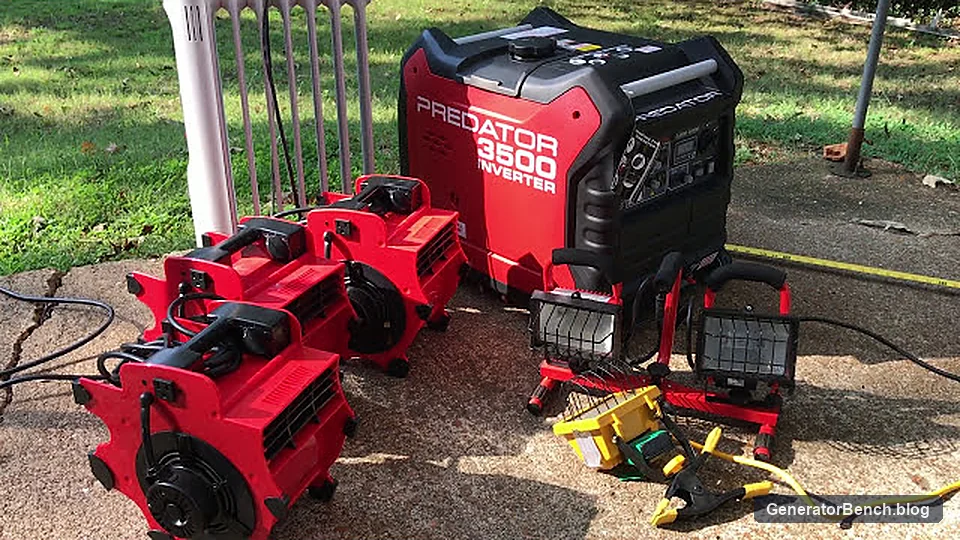
Constructing custom acoustic enclosures provides an effective method for dropping operational decibel levels further. Proper airflow management prevents engine overheating while trapping disruptive high-frequency sound waves.
Lining baffle boxes with fire-resistant mineral wool absorbs acoustic energy efficiently within restricted spaces. Never compromise required ventilation clearances when building temporary or permanent protective generator sheds.
Directing the exhaust port away from inhabited areas prevents direct sound propagation toward windows. Angling exhaust flows upward or toward open yards diffuses sound waves across larger areas.
Rubber isolation feet absorb mechanical vibrations transmitted through concrete pads or wooden decks. Eliminating structural resonance prevents low-frequency hums from echoing through nearby residential foundations.
Constructing custom external enclosures requires strict adherence to fire safety and proper ventilation airflow clearances. Trapped exhaust heat rapidly causes engine overheating, damaging critical alternator windings and plastic structural components alike.
Acoustic baffling channels cooling air through serpentine pathways that trap sound waves while maintaining airflow. Installing fire-resistant mineral wool inside wooden or metal diversion boxes absorbs high-frequency mechanical valve clatter effectively.
Never enclose portable generators in completely sealed wooden boxes without active mechanical exhaust fan systems. Carbon monoxide accumulation and thermal overload present severe safety hazards that outweigh minor acoustic attenuation benefits achieved.
Rubber anti-vibration mats placed underneath the steel frame prevent ground resonance amplification. Isolating mechanical vibrations stops structural transmission through concrete patios, reducing low-frequency hums that travel long distances through solid foundations.
- Mineral wool insulation absorbs high-frequency exhaust notes.
- Intake and exhaust vents require offset baffling paths.
- Rubber feet decouple engine vibrations from flooring.
- Clearance gaps prevent dangerous carbon monoxide pocketing.
Ventilation Requirements Versus Acoustic Dampening Goals
Balancing sound baffling with adequate cooling airflow remains a critical engineering challenge during enclosure design. Restricted airflow causes thermal shutdown or dangerous carbon monoxide accumulation inside housings.
Install forced-air ventilation fans powered by separate circuits if passive baffling restricts natural airflow too severely. Monitor internal ambient temperatures closely during extended high-load test runs.
- Calculate cubic feet per minute for cooling needs.
- Monitor exhaust gas temperatures to prevent overheating.
Video Walkthrough: Distance
Compliance Standards and Residential Neighborhood Regulations
Local noise ordinances often enforce strict decibel limits for residential zones during nighttime hours. A 58 decibel generator generally complies with standard municipal limits measured at property lines.
Homeowner associations frequently publish specific acoustic bylaws regarding emergency backup equipment usage duration. Reviewing these local regulations prevents costly fines and neighbor disputes during extended outages.
Portable generators operating below sixty decibels provide a distinct neighbor-friendly advantage during regional emergencies. Maintaining cooperative community relations minimizes complaints when power grids fail for days.
Commercial campgrounds and national parks enforce strict sound thresholds, often capping generator noise strictly. Units running at 58 decibels usually meet these recreational camping acoustic compliance requirements.
Local municipal noise ordinances frequently cap allowable residential property line sound levels at fifty-five decibels overnight. Operating a fifty-eight decibel generator requires careful positioning to comply with local nighttime legal thresholds.
National Park Service guidelines mandate strict acoustic limits for recreational campers using portable power generation equipment. Units emitting under sixty decibels generally pass campground inspections, provided they operate outside designated quiet hours.
Homeowners association bylaws often enforce stringent decibel limits during emergency grid outages to maintain neighborhood peace. Utilizing directed exhaust piping away from neighbor windows prevents disputes while maintaining essential household appliance functionality.
Commercial campsites enforce similar acoustic restrictions to ensure guest satisfaction across dense recreational vehicle hookup areas. Checking specific park campground rules before arrival prevents costly fines or mandatory generator confiscation penalties.
- Municipal codes vary significantly between urban and rural zones.
- Nighttime noise limits are often ten decibels lower.
- Property line measurements determine legal acoustic compliance.
- Recreational parks require spark arrestors and quiet profiles.
Navigating Municipal Bylaws and Neighborhood Relations
Proactive communication with adjacent neighbors builds goodwill before deploying emergency backup power systems. Sharing expected runtime hours helps manage expectations regarding moderate mechanical noise output.
Documenting decibel ratings using certified meter tools provides proof of compliance during municipal inspections. Adhering to published limits protects homeowners from nuisance complaint citations.
- Provide advance notice to close neighbors before storms.
- Keep maintenance logs showing proper muffler upkeep.
Practical Testing Procedures Using Calibrated Sound Meters
Measuring generator sound output accurately requires a calibrated Type 2 sound level meter. Position the meter twenty feet away from the unit at 45-degree angle increments for consistency.
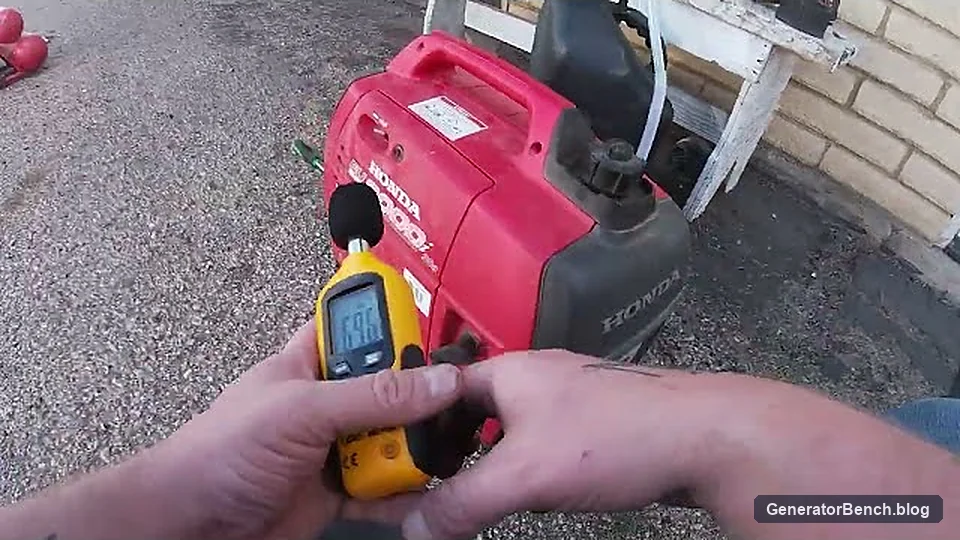
Select the A-weighting filter setting on the meter to match human ear acoustic response characteristics. Conduct tests on hard, flat surfaces outdoors while minimizing background wind interference.
Record multiple readings across varying load conditions to establish a comprehensive acoustic performance profile. Documenting these metrics helps track mechanical wear and muffler degradation over operational lifespans.
Environmental factors like high wind speeds or nearby reflective walls skew sound meter measurements drastically. Choose calm days and open outdoor locations for reliable baseline testing accuracy.
Measuring generator acoustics accurately requires a calibrated Type 2 sound level meter set to A-weighting frequencies. A-weighting mimics human ear sensitivity, filtering out extreme low and high frequencies for realistic environmental assessments.
Position your acoustic meter exactly twenty-three feet away from the control panel at exhaust height. Avoid taking measurements near large reflective brick walls or concrete foundations that artificially inflate true decibel readings.
Ambient background noise must remain at least ten decibels below the generator output for valid measurements. Conducting tests on calm weather days prevents wind interference from corrupting sensitive microphone sensor diaphragms during audits.
Document baseline readings under various electrical loads to understand your specific machine operational performance profile. Keeping accurate maintenance logs ensures your engine remains tuned for optimal efficiency and minimal acoustic output.
- Use Type 2 or better sound level meters.
- Apply A-weighting filters for standardized human metrics.
- Test at standard twenty-foot distance intervals consistently.
- Shield microphones from wind gusts during field tests.
Interpreting Field Measurement Data and Meter Settings
Understanding slow versus fast meter response settings ensures accurate capture of variable engine noise. Slow settings average out transient spikes, yielding reliable baseline decibel performance data.
Calibrate the sound meter using an acoustic calibrator before conducting field measurements on generators. Proper tool calibration guarantees legal and technical accuracy of recorded decibel data.
- Slow response averages fluctuating engine throttle sounds.
- Acoustic calibrators verify meter sensor accuracy beforehand.
Frequently Asked Questions
Is a 58 decibel generator considered quiet for home use?
Yes, 58 decibels is considered quite quiet for a portable generator, matching normal conversational levels. This moderate volume allows comfortable backyard placement during extended emergency power outages.
How far away should I place a 58 decibel generator?
Placing the generator twenty feet away drops perceived volume to comfortable levels. Extending the distance to forty feet further reduces the sound by roughly six decibels.
Does electrical load change how loud a 58 decibel generator sounds?
Running the generator at maximum load forces higher engine RPMs, increasing noise output. Keeping the electrical draw at quarter load preserves the quiet baseline operating sound profile.
Will a 58 decibel generator violate residential noise ordinances?
Most municipal noise ordinances permit sound levels up to sixty decibels at property lines. A 58 decibel unit typically complies with standard daytime regulations and nighttime limits.
How can I make my generator even quieter than 58 decibels?
Constructing an approved acoustic enclosure with proper ventilation significantly dampens sound output. Adding rubber isolation feet also eliminates floor vibrations that transmit mechanical hums effectively.