How Large Of A Portable Generator Do I Need
Determining exact power requirements prevents dangerous overloads and equipment damage. Proper sizing ensures reliable backup operation during unexpected grid outages.


Calculate total running wattage by adding all continuous appliance demands together. Always multiply motor-driven startup loads by their surge multiplier to determine peak capacity requirements safely.
Looking for matching picks? See our Best Large Portable Generator.
Practical Quick-Reference Table
| Scenario / Metric | Recommended Target | Why It Matters |
|---|---|---|
| Basic Emergency Needs | 3,000 to 5,000 Watts | Powers refrigerator, lights, and essential medical devices safely. |
| Whole-House Backup | 7,500 to 10,000 Watts | Handles central air conditioning and heavy residential appliances. |
| Refrigeration Surge | 1,200 to 2,000 Surge Watts | Accounts for compressor motor startup electrical demands. |
| Altitude Derating | Minus 3% Per 1,000 Feet | Prevents engine overloading in high geographic mountain regions. |
| Operating Capacity | 80% Maximum Rated Load | Preserves long-term engine longevity and optimal fuel efficiency. |
| Transfer Switch | Dedicated Manual Interlock | Eliminates dangerous utility line backfeed and shock hazards. |
Calculating Baseline Running Wattage Metrics
Accurately calculating your baseline running wattage requires gathering appliance nameplate data. Every electrical device lists its continuous power draw in watts or amperes directly on the manufacturer label.
Summing these continuous loads reveals your minimum power requirements. Choosing from our best large portable generator options ensures you safely handle heavy household appliances without unexpected disruptions.
Convert total amperage ratings into wattage by multiplying amps by standard voltage. Standard household circuits typically operate at 120 volts or 240 volts depending on the specific appliance design.
Document every critical device you plan to power simultaneously during an emergency. This inventory prevents guesswork and establishes a solid mathematical foundation for your final generator selection process.
- Check appliance data plates for wattage
- Convert amperage values using system voltage
- List every critical continuous electrical load
- Account for simultaneous device operation limits
Identifying Continuous Versus Intermittent Loads
Separating continuous loads from intermittent devices prevents thermal overload conditions. Continuous appliances run for thirty minutes or longer without stopping under normal operating cycles.
Intermittent tools operate briefly, which complicates total power allocation calculations. You must sequence these shorter loads carefully to avoid exceeding your generator maximum rated threshold.
- Classify devices by running duration
- Isolate heavy intermittent power draws
Understanding Motor Starting Surge Demands
Inductive loads like refrigerators and sump pumps require extra startup power. Motors demand a temporary surge wattage that can triple their normal running requirements for brief seconds.
Neglecting motor starting surges will trip circuit breakers instantly upon compressor engagement. Always check specific compressor types to identify their unique locked rotor amperage multiplication factors.
Inverter generators handle surges differently than conventional open-frame contractor units. Modern digital inverters feature clean power output but have strict overload limits during heavy motor startups.
Staggering the activation of major motor-driven appliances prevents catastrophic voltage sag. Allow each compressor to reach stable running speeds before turning on the next heavy electrical device.
- Identify inductive motor startup surges
- Apply correct surge multipliers
- Stagger heavy appliance activation sequences
- Monitor digital inverter overload indicators
Video Walkthrough: What Size Generator Do You REALLY Need?
Essential Household Appliance Power Profiles
Standard refrigerators consume about seven hundred running watts continuously. However, their compressor motors demand up to two thousand surge watts during initial startup cycles.
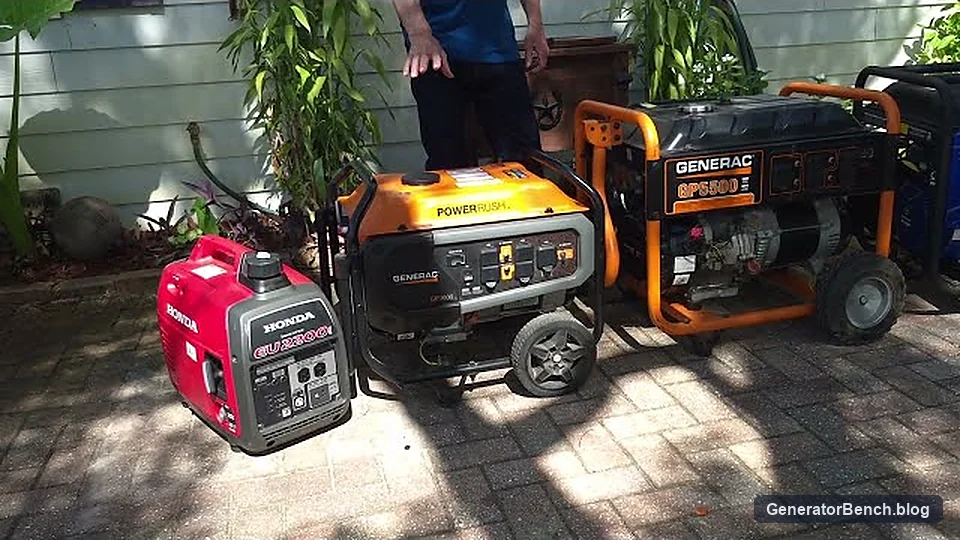
Well pumps and furnace blowers represent heavy household loads requiring careful planning. A typical residential well pump needs substantial starting power to overcome deep well static pressure.
Medical equipment demands pristine power quality and absolute operational reliability. Oxygen concentrators and CPAP machines require stable voltage regulation to prevent internal component damage or failure.
Lighting and refrigeration combinations typically require robust power delivery. Evaluating models featured in our best portable electric generator guide ensures clean sine wave output for sensitive medical devices.
- Account for refrigerator compressor surges
- Calculate deep well pump requirements
- Protect sensitive medical equipment electronics
- Keep lighting loads balanced evenly
Factoring Fuel Types And Environmental Altitude
Generator engine output decreases significantly at higher geographic elevations. Internal combustion engines lose approximately three percent power for every thousand feet above sea level.
Tri-fuel and dual-fuel generators offer exceptional versatility during extended emergency events. Running units on propane generally reduces maximum rated electrical output compared to gasoline operation.
Ambient temperature extremes also impact small engine cooling and fuel efficiency. High summer heat forces engines to work harder, reducing their overall continuous wattage delivery capacity.
Proper ventilation prevents dangerous carbon monoxide accumulation while maintaining optimal engine temperatures. Always position portable equipment outdoors away from windows, doors, and fresh air intakes.
- Calculate altitude power derating factors
- Compare gasoline versus propane output
- Account for ambient temperature impacts
- Maintain safe outdoor equipment clearances
Safe Circuit Integration And Manual Transfer Switches
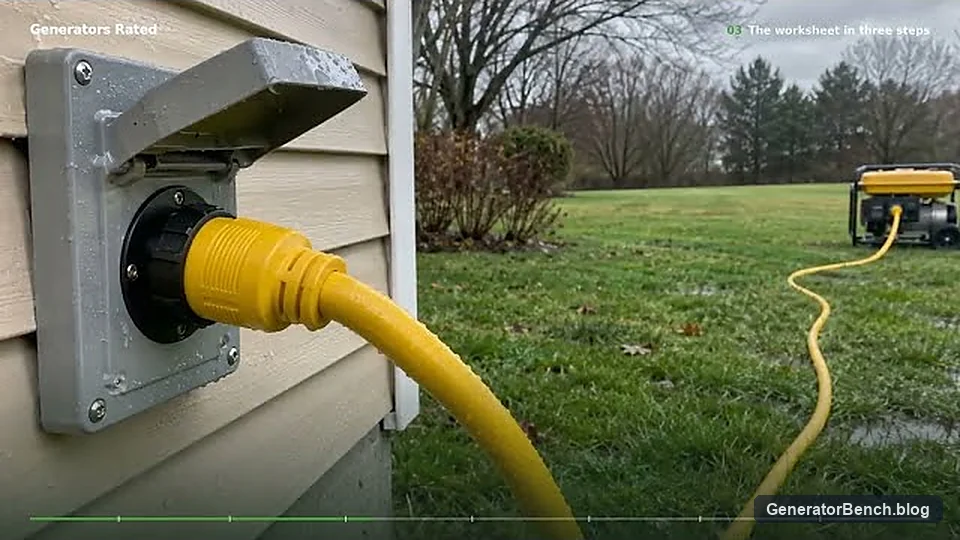
Connecting a standby panel safely requires a dedicated manual transfer switch. Upgrading to equipment from our quietest large portable generator rankings helps minimize neighborhood noise disturbances.
Hardwired transfer panels allow seamless power distribution to critical home circuits. Qualified electricians must install these interlock kits to comply with local electrical safety codes.
Avoid running multiple heavy extension cords through open doors or windows. Extension cords introduce voltage drop issues and create severe tripping hazards in dark emergency environments.
Grounding your portable generator properly prevents dangerous electrical shock hazards. Drive a dedicated copper grounding rod into the earth when required by local municipal codes.
- Install manual transfer switches safely
- Prevent utility line backfeed risks
- Eliminate messy extension cord setups
- Ensure proper generator frame grounding
Routine Maintenance And Engine Load Management
Regular engine maintenance ensures your generator delivers rated power reliably. Check engine oil levels before every single startup to prevent catastrophic internal component seizure.
Clean air filters maintain proper air-fuel mixtures for optimal combustion efficiency. Clogged filters reduce engine power output and increase fuel consumption during emergency operations.
Running generators at maximum capacity continuously accelerates mechanical wear and tear. Aim to operate units around eighty percent capacity to preserve engine longevity and fuel efficiency.
Exercise your generator monthly by applying a moderate electrical load. Regular exercising keeps carburetor jets clean and ensures fuel system readiness for unexpected emergencies.
- Check engine oil before starting
- Service air filters regularly
- Maintain optimal operating load ratios
- Exercise equipment monthly under load
Avoiding Common Generator Sizing Pitfalls
Buying an oversized unit wastes fuel and creates unnecessary storage issues. Using our wattage sizing calculator prevents costly mistakes and ensures you match the right machine to your loads.
Conversely, undersizing your unit results in constant circuit breaker trips and equipment damage. Careful calculation prevents both extreme sizing errors during your initial selection process.
Always factor future appliance additions into your initial power calculation worksheet. Planning ahead ensures your investment remains adequate if your household power demands increase over time.
Consult professional electricians if you feel uncertain about total load calculations. Professional guidance guarantees safe, compliant power solutions tailored specifically to your residential needs.
- Avoid extreme sizing errors
- Prevent low-load engine glazing
- Plan for future appliance additions
- Consult electricians for complex setups
Frequently Asked Questions
How do I calculate total running wattage?
Adding up all continuous appliance running watts requires creating a comprehensive inventory of your household electrical devices during an unexpected utility outage.
You must then multiply any motor-driven starting loads by their specific electrical surge multiplier to determine exact peak capacity requirements safely and prevent dangerous circuit overloads from damaging your equipment.
How does elevation affect generator capacity?
Generators lose significant engine power output when operated at higher geographic elevations above sea level due to lower atmospheric density conditions.
Internal combustion engines typically experience a predictable three percent reduction in power for every thousand feet of elevation gain, which requires careful capacity adjustments before you select your backup equipment.
Are dual-fuel generators less powerful?
Tri-fuel and dual-fuel generators offer exceptional operational versatility by allowing you to switch between gasoline, propane, and natural gas supplies easily during emergencies.
However, running your portable generator on gaseous fuels generally reduces maximum rated electrical output capacity compared to standard gasoline operation due to lower fuel energy density.
Do I need a manual transfer switch?
Connecting a portable generator directly to your home electrical system requires installing a dedicated manual transfer switch or an approved interlock kit by a licensed electrician.
This crucial hardware device prevents dangerous utility line backfeed conditions that could severely injure line workers repairing damaged grid infrastructure nearby during storms.
What is the ideal operating load percentage?
Running your portable generator at near-maximum capacity continuously accelerates mechanical wear and tear, leading to premature engine component failure over time.
Aim to operate your backup power units around eighty percent of their maximum rated capacity to preserve long-term engine longevity, maintain optimal fuel efficiency, and prevent dangerous overheating.