How Big Of A Portable Generator Do I Need For Backup Power
Calculating portable generator capacity requires careful electrical math. You must balance running watts and starting surge demands to prevent overloads.

Accurately sizing your portable generator prevents equipment damage during outages. Always sum your total running wattage and add the highest motor starting surge.
Looking for matching picks? See our Best Portable Generator For Home Backup.
Practical Quick-Reference Table
| Scenario / Metric | Recommended Target | Why It Matters |
|---|---|---|
| Basic Emergency Kit | 2,000 to 3,000 Watts | Powers basic lights, router, and phone chargers. |
| Refrigeration & Sump | 3,500 to 5,000 Watts | Handles essential cooling and water pump cycles. |
| Mid-Sized Home Backup | 6,500 to 8,000 Watts | Supports well pumps and small window AC units. |
| Full Household Essentials | 9,000 to 12,000 Watts | Runs multiple large appliances and central heating. |
| Inductive Motor Multiplier | 3x Running Watts | Accounts for initial compressor startup spikes safely. |
| Altitude Derating Rule | 3.5 Percent per 1,000 ft | Compensates for reduced engine oxygen at high elevations. |
Calculating Running Versus Starting Wattage Requirements
Determining your precise power needs starts with listing every single appliance. You must separate continuous running watts from heavy motor starting surges for absolute accuracy.
Running wattage represents the steady power required to keep devices operating continuously. Inductive loads like refrigerators demand significantly higher initial surges to overcome mechanical compressor inertia.
Always check the manufacturer specification plates located on the appliance chassis. These data plates display accurate electrical draws rather than relying on generic wattage estimates.
Failing to account for startup surges will trip circuit breakers instantly. Selecting the best portable electric generator ensures your unit handles combined loads without experiencing severe voltage sag.
- Locate appliance nameplates for exact running ratings.
- Separate continuous draws from high motor surges.
- Never guess appliance electrical requirements blindly.
- Account for simultaneous device operation during outages.
Decoding Electrical Specification Plates
Reading technical data plates requires understanding basic electrical formulas. Multiplying running volts by running amps yields your baseline continuous wattage requirement.
Compressor motors often feature locked rotor amps that demand careful calculation. Converting these electrical metrics ensures you avoid purchasing an undersized portable unit.
- Multiply measured volts by amps for watts.
- Convert locked rotor ratings carefully using multipliers.
- Consult professional sizing charts for verification.
Assessing Essential Household Appliances And Loads
Prioritizing your emergency loads prevents buying an excessively large machine. Focus strictly on critical life safety devices, refrigeration, and basic environmental controls first.
Refrigerators cycle on and off throughout the day automatically. You must account for this intermittent surge when calculating your cumulative running power budget.
Medical devices like oxygen concentrators require uninterrupted power delivery. Investing in a best portable solar power generator option ensures low total harmonic distortion to protect sensitive electronics safely.
Lighting circuits consume relatively low wattage across standard setups. Upgrading to LED bulbs drastically reduces your overall continuous electrical demand during extended outages.
- Prioritize medical equipment and food preservation systems.
- Factor in intermittent refrigerator compressor cycling habits.
- Use low-draw LED lighting to conserve capacity.
- Exclude non-essential luxury items from outage calculations.
Prioritizing Critical Medical And Safety Gear
Life support equipment demands absolute operational reliability during severe weather. Dedicated circuits ensure these sensitive loads never experience dangerous voltage fluctuations.
Calculated headroom protects against unexpected electrical anomalies. Always maintain a safety buffer above your total calculated medical power requirement.
- Isolate medical devices on dedicated circuits.
- Maintain substantial headroom for safety margins.
Video Walkthrough: What Size Generator Do You REALLY Need?
Factoring In Motor Surge And Inductive Loads
Inductive loads contain electric motors that require extra surge power. When a motor initiates rotation, it draws a massive momentary spike of electrical current.
Sump pumps and well pumps are prime examples of heavy inductive loads. Ignoring these specific startup requirements will result in stalled motors and tripped overloads.
Air conditioning units represent the single largest electrical hurdle for generators. Compressor startup demands can easily triple their normal running wattage requirements temporarily.
Always stagger the startup sequence of heavy motorized appliances manually. Choosing the right best portable generator for home usage prevents cumulative surge spikes from overwhelming your alternator windings.
- Identify all inductive motors in your home.
- Apply appropriate startup multipliers to motor loads.
- Stagger appliance activation to manage surges.
- Protect well pumps from low voltage conditions.
Managing Heavy Well And Sump Pump Surges
Submersible pumps operate under immense hydraulic pressure upon startup. Their deep-well motors demand significant electrical torque to begin lifting water columns.
Sizing generators for well systems requires checking starting wattage closely. An inadequate power supply will burn out pump windings prematurely under load.
- Check submersible pump startup requirements.
- Avoid low voltage drops during pump activation.
Understanding Fuel Types And Output Capacity Variances
Portable generators often produce different output ratings depending on fuel selection. Gasoline typically delivers the maximum rated running and starting wattage capacity.
Running your portable generator on propane usually reduces total electrical output. Using our wattage sizing calculator helps track minor percentage decreases in capacity when switching fuels.
Natural gas conversion kits further decrease maximum engine output power significantly. Engine displacement limits how much fuel can be combusted efficiently per stroke.
Always verify fuel consumption rates against your storage capacity plans. Long outages require substantial fuel supplies to maintain continuous operation over days.
- Compare gasoline versus propane output ratings carefully.
- Factor in reduced wattage when using gaseous fuels.
- Calculate fuel consumption rates under full load.
- Maintain adequate fuel storage for extended emergencies.
Evaluating Propane Versus Gasoline Performance
Gasoline provides high energy density for maximum alternator output. However, fuel degradation requires treating stored gasoline with stabilizers regularly.
Propane offers indefinite shelf life without carburetor gumming issues. This makes propane ideal for long-term emergency readiness despite lower power outputs.
- Treat stored gasoline with proper fuel stabilizers.
- Store propane tanks in well-ventilated outdoor locations.
Evaluating Continuous Operating Limits And Duty Cycles
Every portable generator features a maximum rated output and continuous output. Operating continuously at maximum capacity overheats the alternator and degrades engine life.
Engine thermal management dictates how long a unit can run safely. High ambient temperatures reduce the machine's ability to dissipate internal heat effectively.
Check manufacturer duty cycle recommendations for sustained heavy usage. Allowing scheduled rest periods extends mechanical longevity during multi-day grid failures.
Monitoring oil levels during prolonged run times is absolutely critical. Low oil shutdown sensors protect internal components but disrupt power unexpectedly.
- Distinguish between maximum surge and continuous ratings.
- Monitor engine operating temperatures in hot weather.
- Schedule regular maintenance checks during long outages.
- Keep spare oil filters and fluids on hand.
Managing Thermal Load And Engine Longevity
Internal combustion engines generate intense heat under heavy electrical loads. Proper ventilation around the frame prevents dangerous thermal accumulation in enclosures.
Allowing the engine to cool down periodically prevents oil breakdown. Routine maintenance intervals must be strictly followed based on running hours.
- Ensure clear airflow around the unit frame.
- Adhere strictly to hourly oil change intervals.
Accounting For Elevation And Ambient Temperature Drops
Altitude significantly impacts internal combustion engine performance and power output. Thinner air at higher elevations reduces oxygen density available for fuel combustion.
Standard industry practice requires derating generator output at high altitudes. Expect a measurable power loss for every thousand feet above sea level.
Carburetors require high-altitude jet kits to restore air-fuel ratios properly. Failing to install high-altitude jets causes rich running conditions and fouled spark plugs.
Extreme cold weather also alters generator starting characteristics and battery efficiency. Cold-weather kits help maintain reliable starting reliability during winter storms.
- Apply altitude derating formulas to your calculations.
- Install proper high-altitude carburetor main jets.
- Use lower viscosity engine oil in freezing weather.
- Protect starting batteries from sub-zero temperatures.
Calculating High Altitude Power Derating
Engine horsepower drops steadily as atmospheric pressure decreases upward. Alternators produce less electrical power when driven by derated engines.
Calculate your required generator size with altitude loss factored in. This ensures your unit handles household loads safely in mountain regions.
- Subtract expected power loss based on elevation.
- Consult manufacturer altitude operation guidelines.
Managing Parallel Operation And Multi Unit Setups
Connecting two smaller inverter generators provides flexible power options. Parallel kits combine total electrical output safely without synchronizing issues.
Inverter units synchronize their alternating current sine waves automatically. This configuration allows you to transport lighter individual units rather than one heavy frame.
Using parallel cables requires matching identical generator models and capacities. Follow manufacturer connection sequences precisely to avoid damaging inverter control boards.
Parallel setups offer redundancy during moderate power requirements. You can run a single unit for light loads to conserve fuel efficiently.
- Use approved parallel kits for matching generators.
- Synchronize alternating current outputs safely.
- Enjoy modular portability for easier transport.
- Maintain fuel efficiency during partial load operations.
Connecting Inverter Generators In Parallel
Parallel operation doubles your available running and starting wattage. This modular approach suits users needing high power intermittently without heavy lifting.
Ensure proper grounding between both interconnected generator chassis. Safety protocols remain identical to single large generator installations.
- Match identical inverter models for pairing.
- Secure proper grounding across both frames.
Preventing Overloads With Proper Electrical Safety
Overloading a portable generator causes voltage collapse and potential equipment fires. Integrated circuit breakers protect internal alternator windings from excessive current draws.
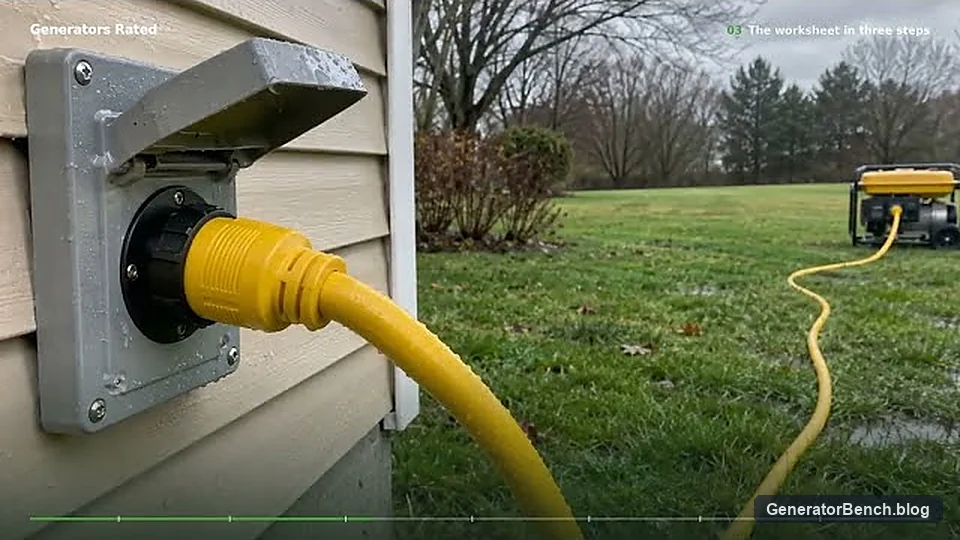
Always use heavy-gauge extension cords rated for outdoor electrical usage. Undersized cords experience severe voltage drops and generate dangerous resistive heat.
Never connect a portable generator directly to household wiring without transfer equipment. Backfeeding electricity into utility lines endangers lineman working on downed grids.
Install a manual transfer switch or interlock kit professionally. This ensures safe electrical isolation between your generator and the public utility grid.
- Monitor running loads to prevent circuit trips.
- Use heavy-duty outdoor-rated extension cords.
- Never backfeed power into utility lines.
- Install approved transfer switches for safety.
Installing Safe Manual Transfer Interlocks
Transfer switches route generator power safely to specific panel circuits. This eliminates dangerous tangled extension cords running through open doorways.
Professional installation guarantees compliance with local electrical safety codes. Always hire a licensed electrician for permanent home integration work.
- Route power through approved transfer panels.
- Hire licensed electricians for permanent installs.
Frequently Asked Questions
How do I calculate total wattage needs?
Sum the running watts of all appliances you want to run simultaneously. Add the highest single motor starting surge to that total to find your minimum required generator capacity.
Can I run sensitive electronics safely?
Yes, provided you use an inverter generator with low harmonic distortion. Standard conventional generators can produce unstable power that damages modern microprocessors.
What happens if I overload my generator?
Overloading typically trips the onboard circuit breaker or triggers the overload indicator. Continued excessive demand can permanently fry the alternator windings.
Do generators lose power at high altitudes?
Yes, engines lose roughly three percent power per thousand feet of elevation. You must factor this derating into your initial sizing calculations.
Why do motor-driven appliances need extra power?
Electric motors require an initial mechanical surge to overcome inertia. This starting draw can be three times higher than their normal continuous running wattage.