Generator Safety in Rain and Snow: Technical Field Manual
Operating portable generators during severe weather requires strict adherence to electrical codes and moisture control protocols. Proper planning prevents catastrophic equipment failure, electrical shock hazards, and deadly carbon monoxide poisoning.

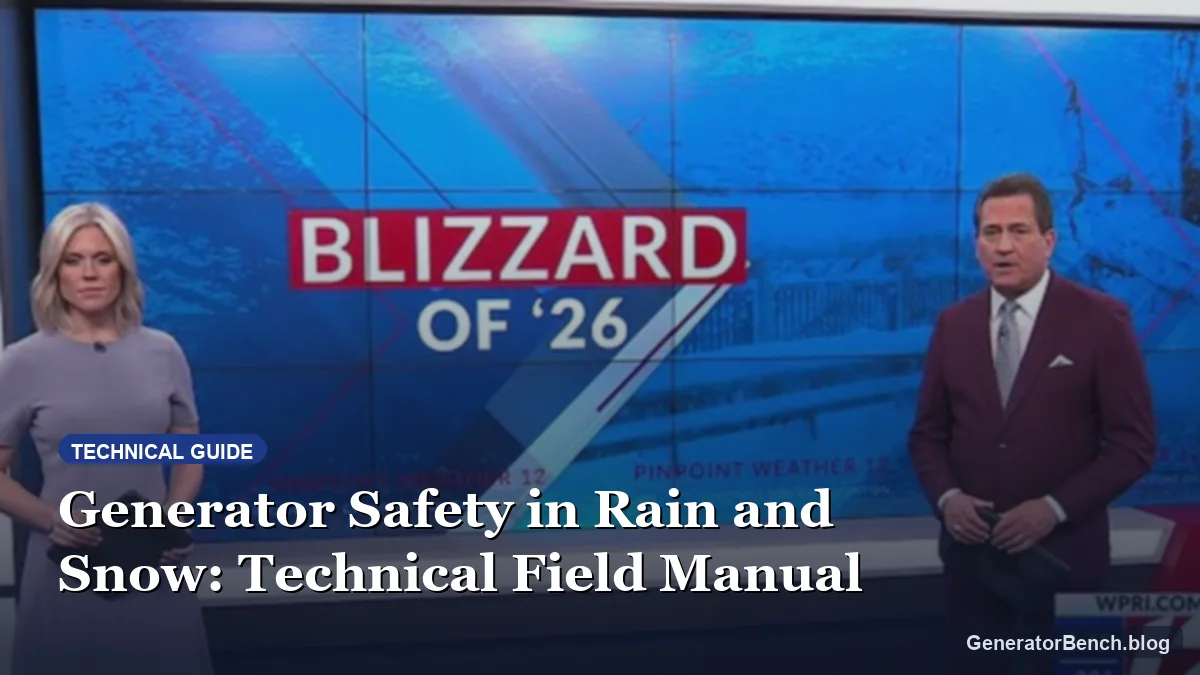
Always operate your generator on a dry, elevated surface inside a dedicated weatherproof canopy. Never run units indoors or expose unprotected control panels to direct precipitation.
Looking for matching picks? See our Best Electric Generator.
Practical Quick-Reference Table
| Scenario / Metric | Recommended Target | Why It Matters |
|---|---|---|
| Ambient Temperature | Above 32°F preferred | Prevents fuel line freezing and oil thickening. |
| Ground Clearance | Minimum 4 inches | Avoids pooling water and slush accumulation. |
| Shelter Distance | At least 15 feet | Protects structure from exhaust and fire risks. |
| Extension Cord Rating | SJTW or outdoor rated | Resists moisture penetration and insulation cracking. |
| Ground Rod Depth | 8 feet minimum | Ensures proper earth fault current dissipation. |
| Fuel Moisture Check | Zero water content | Stops carburetor jet clogging and engine stall. |
Weather Hazards and Electrical Equipment Risks
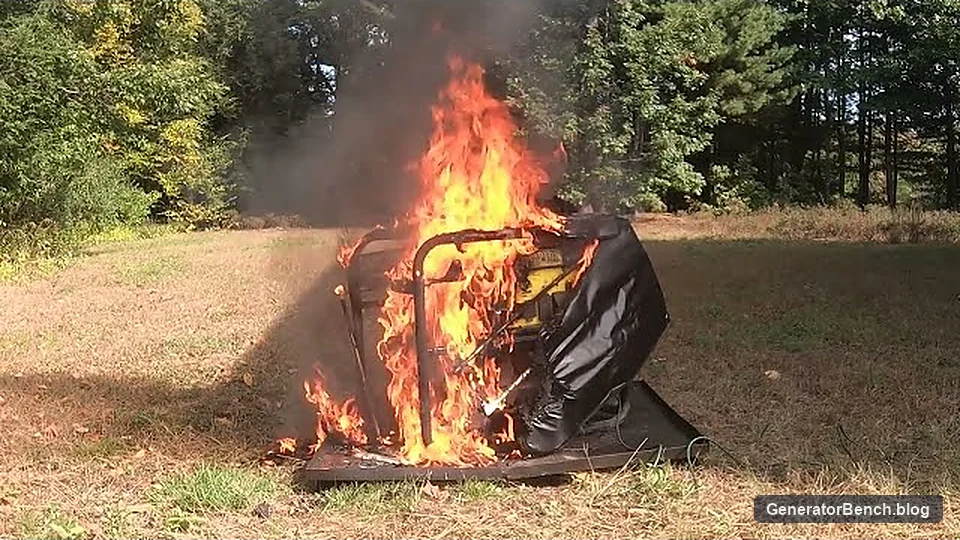
Operating combustion generators in wet weather introduces severe electrocution risks and permanent alternator damage. Moisture bridges electrical pathways, turning standard frames into lethal conductors without proper grounding systems.
Rainwater and melting snow quickly infiltrate unsealed control panels, short-circuiting sensitive inverters and circuit breakers. Protecting your power source from direct water contact is non-negotiable for safe operation.
- Never touch running generators with wet hands or bare feet.
- Inspect all outlet receptacles for corrosion before plugging in cords.
- Verify that GFCI breakers trip correctly under wet load conditions.
- Keep a Class ABC fire extinguisher within easy reach.
Assessing Precipitation Exposure and Wind
Light mist and heavy blizzards demand different mechanical defenses to maintain continuous power generation. Heavy wet snow can block cooling intake vents, causing rapid engine overheating.
Evaluate wind direction to prevent driving rain from entering alternator windings through louvered panels. Position the exhaust leeward while shielding electrical outlets from wind-driven moisture.
- Monitor intake vents for ice crystal buildup hourly.
- Check wind direction before final placement of the unit.
Enclosures, Tents, and Safe Shelter Design
Constructing a proper shelter protects your generator from heavy rain. When upgrading units, browse options like our best briggs and stratton generator guide to find reliable power.
Utilize specialized running tents or open-sided metal canopies designed explicitly for wet-weather power generation. These structures maintain adequate airflow while deflecting falling precipitation away from hot components.
- Maintain at least three feet of clearance around all sides.
- Ensure fabric tents are fire-retardant and securely anchored down.
- Never block the exhaust discharge area with shelter walls.
- Keep fuel storage cans outside the generator canopy entirely.
Managing Snow Drifts Around Canopies
Blizzards create deep snow drifts that can rapidly bury low-slung generator frames. Shovel a wide perimeter around your shelter to maintain clear airflow paths for cooling fans.
Inspect the roof of your temporary canopy frequently to prevent heavy snow loads from collapsing the structure. A compromised roof drops moisture directly onto live electrical outlets.
- Clear accumulated snow from the perimeter every two hours.
- Check canopy structural stability after heavy wind gusts.
Video Walkthrough: What to know about using portable generators during a snowstorm
Grounding Protocols in Wet Environments
Saturated soils alter ground conductivity significantly during heavy rainstorms and spring thaws. Driving a copper-clad ground rod into the earth establishes a safe pathway for stray fault currents.
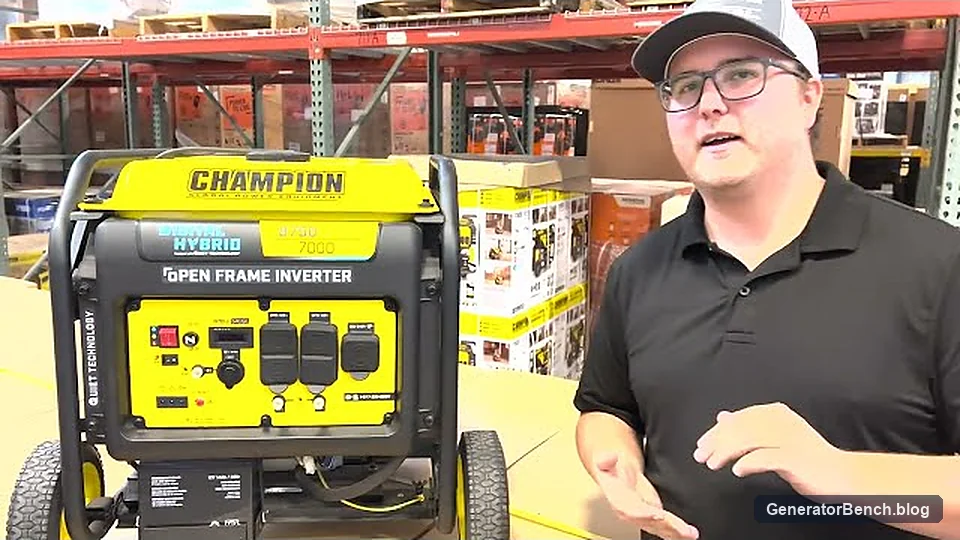
Connect heavy-gauge copper wire securely between the generator frame grounding lug and your driven rod. For recreational setups, consult the best generator for home and rv selections to ensure proper grounding safety.
- Drive the copper rod at least eight feet deep into soil.
- Use a dedicated external ground clamp for secure attachment.
- Test continuity with a multimeter before starting the engine.
- Avoid using domestic water pipes for electrical grounding paths.
Floating Versus Neutral-Bonded Alternators
Understanding your generator winding configuration is vital when connecting to transfer switches in wet weather. Bonded neutral units require specific wiring topologies to prevent dangerous loop currents.
Consult your owner manual to determine if your specific alternator features a floating neutral design. Misconfigured systems bypass internal safety breakers during major ground faults.
- Identify neutral bonding status via wiring schematics.
- Match transfer switch requirements to your generator type.
Cold Weather Starting and Carburetor Icing
Freezing temperatures and high humidity cause moisture inside carburetors to turn into ice crystals. This phenomenon, known as carburetor icing, starves the engine of fuel during storms.
Use winter-blend fuels and synthetic oils rated for sub-zero temperatures to ensure reliable cold starts. Pre-heating crankcases with approved block heaters prevents heavy oil from seizing pistons.
- Drain float bowls regularly to remove condensed water droplets.
- Store spare fuel cans in sheltered, temperature-stable locations.
- Use fresh gasoline treated with a reliable stabilizer additive.
- Adjust the choke position carefully during initial cold cranking.
Managing Choke and Throttle in Snow
Extreme cold requires precise choke adjustments to prevent engine flooding during winter power outages. Excessive cranking drains starting batteries and wears down starter pull cords.
Allow the engine to warm up for five minutes before applying electrical loads in freezing weather. This thermal stabilization prevents sudden stalls under heavy appliance draws.
- Gradually push the choke in as engine temperature rises.
- Listen for smooth idle speeds before plugging in cords.
Carbon Monoxide Mitigation During Storms
Heavy snowfall creates snowbanks that can trap heavy exhaust gases near ground level. Carbon monoxide is an odorless, colorless killer that accumulates rapidly inside enclosed spaces.
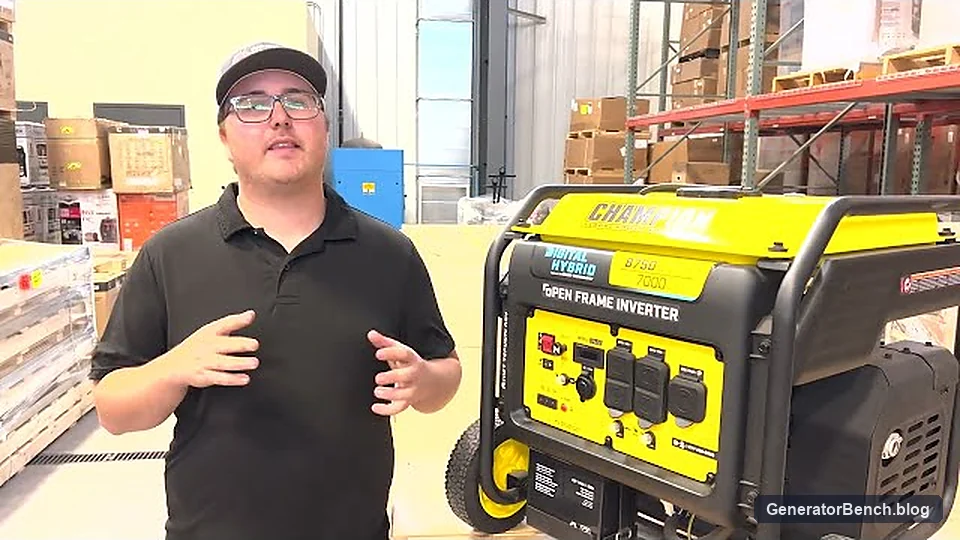
Position your generator downwind and at least twenty feet away from all operable windows. Read our briggs and stratton 6500 generator review to verify output capacities before winter storms.
- Never place running generators on enclosed porches or decks.
- Test carbon monoxide alarm batteries before every storm event.
- Watch for physical symptoms like dizziness or sudden headaches.
- Shut down the unit immediately if exhaust fumes drift indoors.
Exhaust Directional Venting Rules
Directing engine exhaust away from human habitation is a critical safety mandate during blizzards. Heavy wind shifts can blow toxic gases backward toward structural entry points unexpectedly.
Use approved metal exhaust extensions only if specified by the manufacturer for stationary installations. Makeshift PVC or flexible dryer hoses melt under high exhaust temperatures.
- Keep exhaust pipes clear of snow drifts and ice banks.
- Monitor wind direction shifts during prolonged winter storms.
Cord Management and Weatherproof Connections
Running extension cords through melting snow requires heavy-duty cords rated for outdoor wet conditions. Frayed insulation or exposed copper strands invite severe electrical shocks and equipment fires.
Elevate all connection points above potential standing water levels using plastic milk crates or blocks. Protect plug junctions with specialized weatherproof covers designed to lock out moisture.
- Always use SJTW or outdoor-rated extension cords exclusively.
- Never daisy-chain multiple short cords to reach distant loads.
- Inspect outer cord jackets for cracks caused by freezing.
- Unplug cords during heavy lightning storms to prevent surges.
Preventing Plug Freezing in Sleet
Freezing rain and sleet can weld plug connections together with solid layers of ice. Forcing frozen plugs apart damages internal prongs and shatters molded rubber housing components.
Apply a small amount of dielectric grease to plug prongs before connecting them outdoors. This barrier prevents moisture from penetrating the mating surfaces and freezing solid.
- Thaw frozen connections with safe heat sources gently.
- Wrap connection junctions in insulating protective sleeves.
Post-Storm Inspection and Moisture Remediation
Once severe weather clears, perform a thorough physical inspection before shutting down your power source. Check for water intrusion inside the control panel and alternator housing compartments.
Allow the generator to cool completely before storing it inside a garage or shed. Use our generator wattage sizing calculator to verify your running load requirements accurately.
- Drain unburned fuel if storing the unit for weeks.
- Check engine oil for milky contamination indicating water leaks.
- Dry electrical sockets completely with compressed air streams.
- Store the unit under a breathable cover indoors.
Drying Out Wet Alternator Windings
If water infiltrates alternator windings, insulation resistance drops dangerously low during restart attempts. Run the generator without any electrical load for ten minutes to generate internal heat.
This internal heating process evaporates residual moisture trapped within the copper stator windings safely. Measure insulation resistance with a megohmmeter if electrical output seems erratic.
- Idle the engine without load to drive out moisture.
- Check output voltage stability using a digital multimeter.
Frequently Asked Questions
Can I run my portable generator directly in the middle of a heavy rainstorm?
Running a portable generator in direct rain without a protective canopy is extremely dangerous because moisture bridges electrical circuits and risks fatal shocks.
You must always utilize a specialized running tent or open-sided shelter that completely blocks precipitation while maintaining proper engine cooling airflow around hot components.
How do I prevent my generator carburetor from freezing during a severe winter blizzard?
Freezing temperatures cause moisture trapped inside fuel systems to form ice crystals that quickly starve the engine of necessary gasoline during outages.
Prevent this failure by using fresh winter-blend fuels, adding approved fuel stabilizers, and keeping your unit inside a protected enclosure away from drifting snowbanks.
What is the proper procedure for grounding a generator during wet weather conditions?
Saturated soils alter electrical conductivity significantly during heavy storms, making a proper earth ground mandatory for operator safety.
You must drive an eight-foot copper-clad rod into the earth and connect it securely to the generator grounding lug using heavy-gauge insulated wire.
Why is carbon monoxide poisoning a major risk when operating generators in the snow?
Heavy snowfall creates high snowbanks around running equipment that easily trap dense exhaust gases near ground level during storms.
Position your generator at least twenty feet away from all structures, and ensure that toxic fumes never drift toward operable windows or doors.
Can I use standard indoor extension cords if they are covered by snow or ice?
Standard indoor extension cords completely lack the heavy-duty insulation required to handle standing moisture and freezing temperatures safely outdoors. Always utilize outdoor-rated cords featuring proper grounding jackets to prevent electrical shorts, ruined equipment, and dangerous household fires.