Generac Propane Consumption Chart: Essential Technical Data
Accurate fuel planning requires proper math and exact system measurements. This technical reference manual provides complete consumption metrics for standby setups.

Liquid propane consumption scales directly with electrical load demands and engine displacement. Always verify tank sizing requirements before installing standby generator systems.
Looking for matching picks? See our Best Propane Gas Generator.
Practical Quick-Reference Table
| Scenario / Metric | Recommended Target | Why It Matters |
|---|---|---|
| 50% Electrical Load | Standard Consumption Rate | Balances fuel efficiency with runtime. |
| 100% Full Load | Maximum BTU Output | Demands high tank vaporization capacity. |
| Tank Fill Level | Above 30% Capacity | Prevents pressure drops in cold weather. |
| Supply Pipe Size | Schedule 40 Iron Pipe | Eliminates pressure drops over distance. |
| Regulator Pressure | Manufacturer Specification | Ensures correct air-fuel mixture delivery. |
| Ambient Temperature | Above Freezing | Maintains optimal liquid propane vaporization. |
Fundamental Principles of Vapor Withdrawal and Fuel Flow
Standby generators operating on liquid propane rely on accurate consumption metrics. Understanding exact fuel flow dynamics prevents unexpected engine starvation during extended power grid outages.
Propane exists as a liquid under pressure inside external storage tanks. The system draws vapor from the top of the tank to feed the internal combustion engine.
Fuel consumption is typically measured in cubic feet per hour or gallons per hour. Technicians must convert these units carefully when evaluating local fuel delivery contracts.
Generac standby generators rely on vapor withdrawal systems to draw gaseous propane from the top of the storage cylinder, requiring precise pressure management to maintain steady engine performance during sudden load spikes.
Liquid propane inside the tank must naturally boil into a gas, absorbing ambient thermal energy. Reviewing our detailed propane generator vs gas generator guide helps clarify exact fuel delivery dynamics.
Undersized tanks restrict this vital vaporization process, causing catastrophic pressure drops within the supply line. Technicians must calculate maximum fuel flow rates based on British Thermal Units to prevent operational engine starvation.
- Always verify tank pressure before initiating heavy load testing.
- Measure ambient temperatures to prevent premature stage regulator freezing.
- Calculate total BTU demand per hour for all connected appliances.
- Inspect exterior supply lines for signs of mechanical vibration wear.
Vapor Versus Liquid Withdrawal Mechanics
Standard residential standby units utilize vapor withdrawal configurations exclusively. Attempting to pull liquid directly into the carburetor will destroy internal components instantly.
The vaporization process absorbs heat from the surrounding environment. Large draw rates can chill the tank wall, reducing internal tank pressure significantly.
- Keep withdrawal rates below maximum vaporization capacity limits.
- Monitor second-stage regulator output pressure during peak electrical surges.
Interpreting Generator Fuel Consumption Rates by Load Percentage
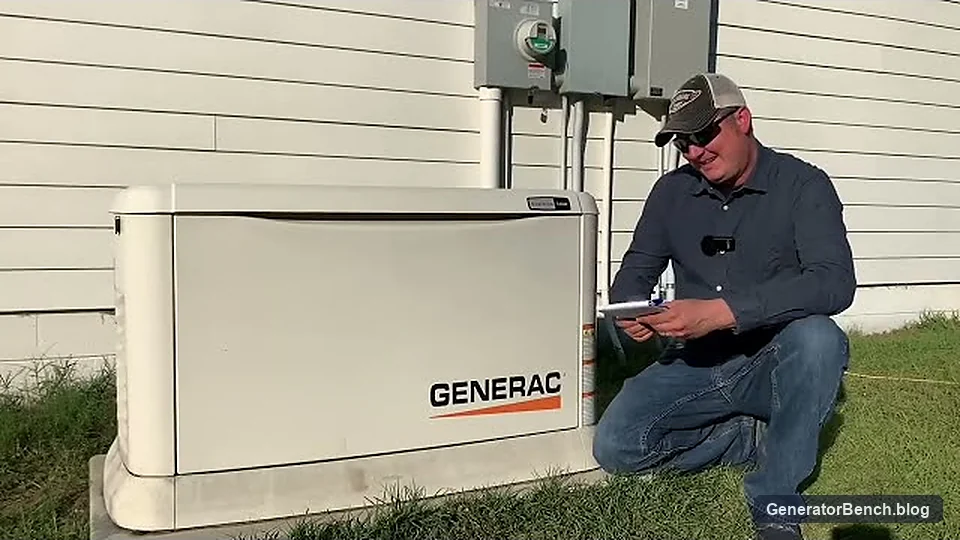
Fuel consumption fluctuates dynamically based on electrical demand. A standby generator operating at half load consumes significantly less propane than one running at maximum capacity.
Manufacturers publish standardized data tables detailing fuel use at twenty-five, fifty, seventy-five, and one hundred percent loads. Reviewing these figures ensures accurate operational planning.
Smaller air-cooled generators burn fewer gallons per hour than massive liquid-cooled industrial variants. Engine displacement dictates baseline fuel requirements during idle and load states.
Fuel consumption scales non-linearly with electrical demand, meaning a Generac unit operating at a fifty percent load consumes significantly less than twice the fuel required during a nominal twenty-five percent load phase.
Reviewing manufacturer data sheets requires cross-referencing fuel consumption figures in cubic feet per hour and gallons per hour by studying our propane vs gas generator fuel consumption guide for precise technical specs.
During maximum rated capacity tests, stationary generators demand peak fuel volumes that test the limits of residential supply piping. Operators must verify that local regulators maintain stable manifold pressure under severe electrical stress.
- Match generator output ratings against actual home energy consumption audits.
- Account for surge watts when starting large central air compressors.
- Track running hours diligently to forecast future fuel truck deliveries.
- Factor in auxiliary parasitic draws from internal battery charging circuits.
Video Walkthrough: How Much Propane Will Your Generac Use?
Sizing LP Storage Tanks for Continuous Standby Operation
Selecting the correct propane tank size prevents unexpected operational interruptions. Many homeowners evaluate options using our kohler vs generac whole house generators comparison to determine appropriate standby fuel capacity.
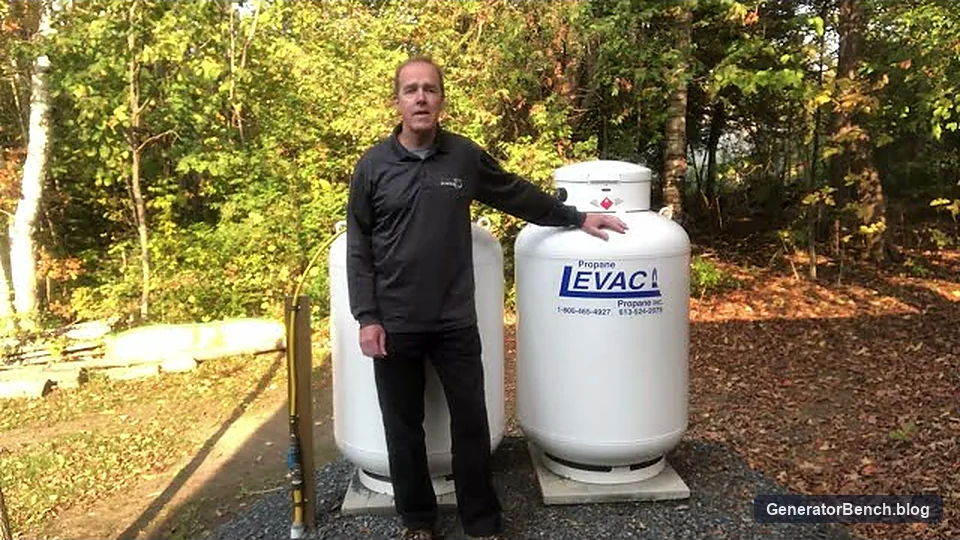
Running a large generator on a small tank during cold weather causes severe vaporization drop. Liquid propane cannot boil off fast enough to maintain required line pressure.
Multi-tank manifold systems provide an effective engineering solution for high-demand properties. Connecting two smaller tanks in parallel increases available surface area for vaporization.
Standard residential standby installations typically require a minimum five hundred gallon propane tank to ensure adequate multi-day runtime during extended utility outages without risking total fuel exhaustion.
Smaller hundred-pound cylinders freeze rapidly under heavy electrical loads due to insufficient surface area for heat transfer. Proper tank sizing must account for both generator consumption and existing home appliances like furnaces and water heaters.
When ambient temperatures plummet, tank capacity is further constrained because liquid propane fails to vaporize efficiently once levels drop below thirty percent volume, necessitating frequent refills during prolonged winter storms.
- Maintain a minimum thirty percent fuel reserve during storm seasons.
- Position storage containers according to local fire code clearance distances.
- Protect fill valves from physical damage and unauthorized tampering hazards.
- Use approved cathodic protection for underground propane storage vessel installations.
Pressure Regulators and Supply Line Piping Requirements
Proper fuel delivery relies on a multi-stage pressure reduction system. First-stage regulators mounted on the tank drop high storage pressures down to intermediate levels.
Second-stage regulators located near the unit reduce intermediate pressure to final operating levels. Installers should also reference our generator wattage sizing calculator to ensure the entire system handles peak loads safely.
Undersized gas piping restricts fuel volume during peak electrical demand periods. Installers must calculate total pipe length and fitting drops using standard schedule forty iron pipe.
A two-stage regulation system is mandatory for safe propane delivery, dropping high tank pressure down to intermediate levels before a secondary regulator sets the precise eleven inches of water column at the inlet.
Gas supply piping must be sized accurately using rigid polyethylene or black iron pipe to eliminate excessive friction losses. Undersized diameters restrict total fuel volume delivery, starving the engine during high-demand surges.
Install sediment traps, often called drip legs, immediately upstream of the generator fuel inlet to capture lingering moisture and heavy hydrocarbons, preventing internal valve corrosion and costly fuel system component failures.
- Size supply piping based on maximum potential cubic feet per hour.
- Install sediment traps ahead of the generator inlet connection point.
- Test complete piping assemblies with a calibrated manometer pressure gauge.
- Apply approved thread sealant rated specifically for liquid propane gas.
Ambient Temperature Effects on Liquid Propane Vaporization
Environmental temperature heavily influences how propane changes from liquid to gas. As ambient weather drops below freezing, vaporization rates decrease significantly within the storage tank.
Propane has a boiling point of negative forty-four degrees Fahrenheit. When temperatures approach this threshold, the liquid struggles to generate sufficient vapor pressure for the engine.
Property owners in cold climates must utilize larger tanks to compensate for reduced vaporization. Adding thermal blankets or ground heaters is generally prohibited by safety codes.
Propane has a boiling point of minus forty-four degrees Fahrenheit, but its ability to vaporize drops sharply as ambient air temperatures approach freezing thresholds, severely limiting the maximum fuel delivery rate.
As the generator consumes vapor, the liquid propane inside the storage vessel absorbs heat, causing the tank exterior to chill further. This internal cooling effect can trigger frost accumulation on the tank surface.
Operators running units in extreme cold climates must utilize larger tank capacities or exterior thermal blankets to maintain internal pressure and guarantee continuous reliable engine combustion during severe winter storms.
- Monitor local weather forecasts ahead of approaching winter storm warnings.
- Ensure snow accumulation does not block tank dome relief valves.
- Account for butane content variations in regional propane fuel blends.
- Keep tank fill levels above forty percent during freezing weather events.
Video Walkthrough: Propane Runtime and the 50% Load Metric
Routine Fuel System Maintenance and Leak Detection Protocols
Regular inspections keep propane delivery systems operating safely and efficiently. Technicians should check all mechanical fittings for micro-leaks using approved electronic detectors or bubble solutions.
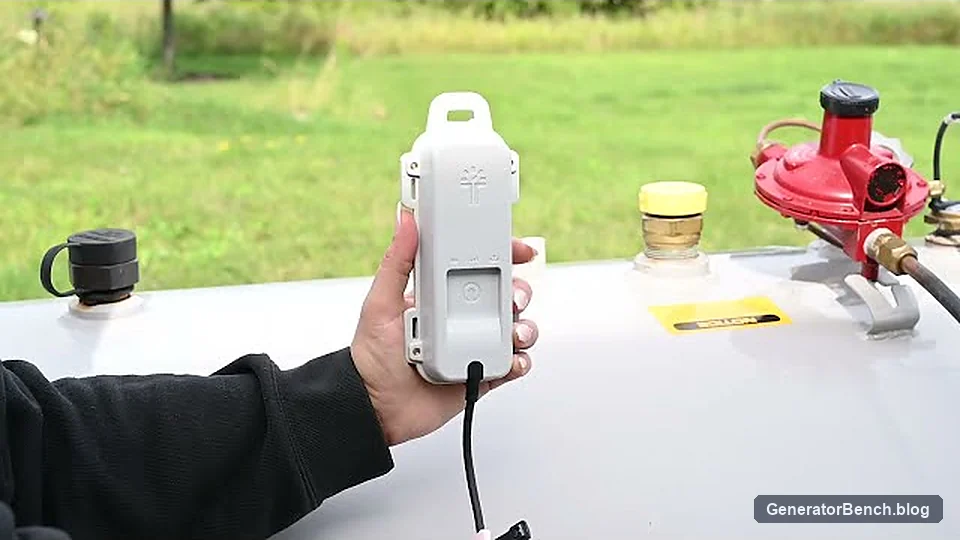
Flexible connector hoses degrade over time due to ultraviolet exposure and engine vibration. Replace these critical components every few years to prevent sudden catastrophic failures.
Sediment and moisture accumulation inside regulators can disrupt fuel flow during extended outages. Professional servicing ensures clean internal orifices and proper valve seat sealing performance.
Conduct monthly visual inspections of all external gas lines, flexible connectors, and regulator housings, searching vigilantly for signs of physical corrosion, mechanical damage, or weathering caused by harsh environmental exposure.
Apply a non-corrosive electronic leak detection solution or approved soapy water mixture to all threaded pipe joints and flare fittings, watching closely for bubbling indicators that reveal active gas leaks.
Schedule annual professional servicing to test lock-off solenoid valves, clean inline sediment traps, and verify that safety relief mechanisms function according to strict national fire protection standards.
- Test safety shutoff solenoids annually during scheduled preventive maintenance visits.
- Clear debris and vegetation away from exterior tank housing areas.
- Inspect electrical grounding bonds connected to gas piping networks.
- Document all maintenance procedures in a permanent facility equipment log.
Troubleshooting Fuel Delivery Issues Under Heavy Electrical Load
Engine surging or stalling under load often points to fuel starvation problems. Technicians should measure operating gas pressure at the generator test port using digital manometers.
A frozen regulator indicates excessive fuel draw or moisture contamination in the line. Safely thaw the component and check total system demand against tank vaporization limits.
Closed manual shutoff valves or malfunctioning tank check valves restrict fuel supply instantly. Verify all upstream and downstream valves are fully open before diagnosing internal engine faults.
If a standby generator stumbles or shuts down when heavy appliances engage, suspect a restricted fuel supply caused by a partially closed tank valve or an improperly adjusted secondary regulator.
Measure dynamic gas pressure at the generator test port while applying a simulated electrical load using digital manometers to verify whether supply pressure drops below the required operational threshold.
Clogged fuel filters or frozen regulator orifices frequently restrict propane flow during extended high-demand cycles, requiring immediate system depressurization, thorough cleaning, and component replacement by a certified technician.
- Check for trapped air pockets after opening new gas lines.
- Clean clogged sediment traps using standard safe shop procedures.
- Verify battery voltage is sufficient to open gas control solenoids.
- Consult factory technical manuals for precise operating pressure specifications.
Frequently Asked Questions
How many gallons does a twenty-kilowatt generator use per hour?
A twenty-kilowatt generator uses roughly three gallons per hour at half load. Under full electrical capacity, consumption rises to approximately six gallons per hour.
Why do smaller air-cooled units require less fuel?
Smaller air-cooled units require significantly less fuel than large liquid-cooled models. Review manufacturer specifications to match hourly consumption rates against local tank reserves.
How does cold weather affect propane vaporization rates?
Cold weather drops tank pressure because liquid propane requires ambient heat to vaporize. Always use appropriately sized containers to prevent fuel starvation issues during storms.
What is the function of second-stage regulators?
Multi-stage regulators drop high tank pressures down to safe engine operating levels. Regular inspections prevent pressure spikes and ensure smooth continuous generator operation.
What causes gas piping to restrict fuel volume?
Undersized gas piping restricts fuel volume during peak electrical surges. Installers must calculate correct pipe diameters using standard engineering formulas for propane systems.