Firman Generator Break In Procedure: Essential Technical Guide
Proper break-in protocols ensure piston rings seat correctly against cylinder walls. This technical process maximizes lifespan, optimizes fuel efficiency, and prevents premature mechanical failure.

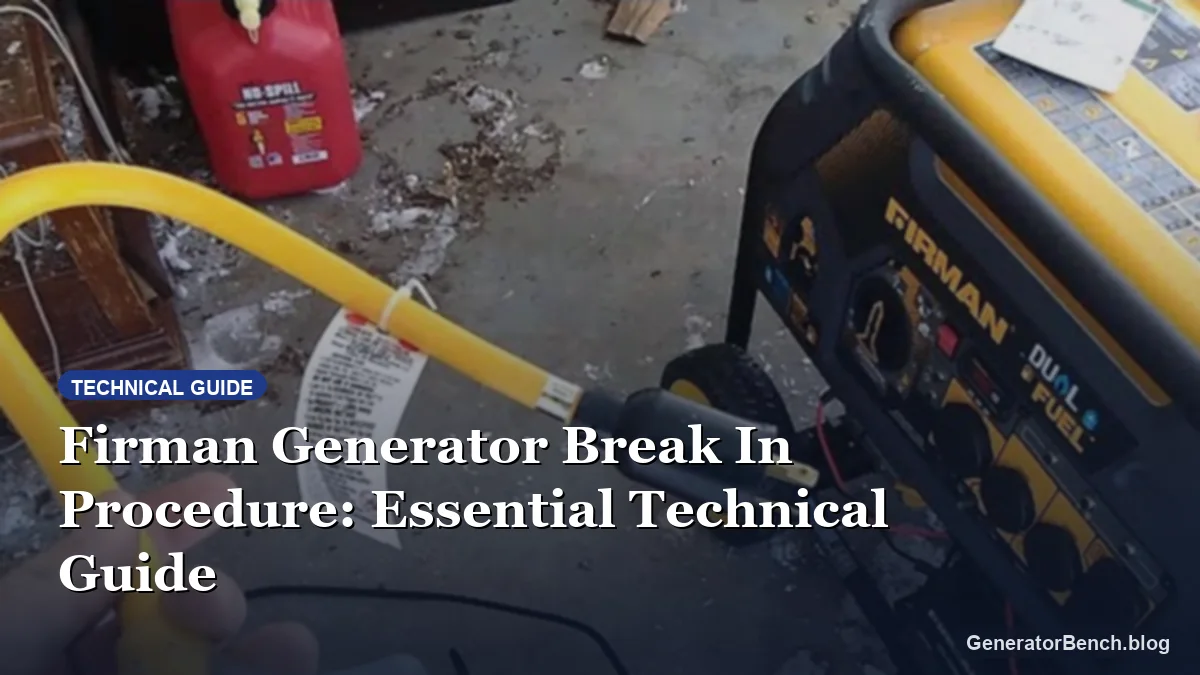
Always run your new portable unit under moderate progressive loads during the initial hours while strictly avoiding sustained high-rpm full-throttle operation.
Looking for matching picks? See our Best Firman Generator.
Practical Quick-Reference Table
| Scenario / Metric | Recommended Target | Why It Matters |
|---|---|---|
| Initial Oil Type | 10W-30 Mineral Oil | Allows proper friction for ring seating. |
| Break-In Duration | 20 to 25 Hours | Ensures complete metal surface mating. |
| First Load Limit | 25 to 50 Percent | Prevents excessive cylinder glazing. |
| First Oil Change | After 5 Hours | Flushes out microscopic manufacturing metal shavings. |
| Operating Temperature | Normal Ambient Range | Avoids thermal shock during initial run. |
| Fuel Quality | Fresh Non-Ethanol | Protects carburetor jets from varnish buildup. |
Core Engineering Principles and Break-In Fundamentals
Mechanical break-in represents a critical manufacturing phase where moving metal components wear together. Microscopic surface peaks on piston rings and cylinder walls must smooth out uniformly.
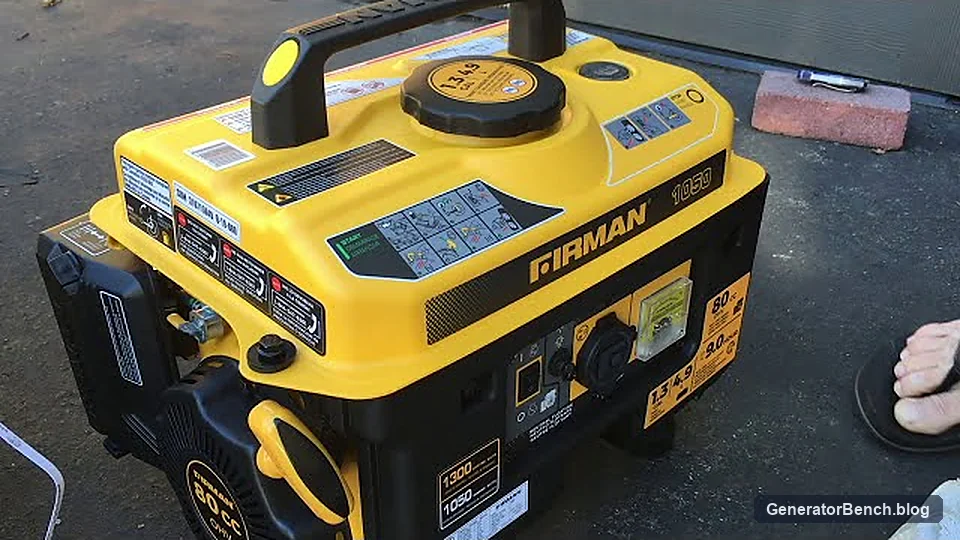
Executing this initial operational phase correctly guarantees optimal compression ratios over time. Skipping this protocol, as noted in our firman wo3081 generator reviews, often leads to excessive oil consumption.
Engine blocks manufactured for portable power equipment require controlled friction. Applying heat and load gradually allows metallurgy to stabilize without inducing thermal distortion or scoring.
- Never run a brand-new engine at maximum rated capacity immediately.
- Monitor exhaust color and engine vibration continuously during initial runs.
- Allow complete cool-down cycles between early operating test intervals.
- Use standard conventional motor oil rather than synthetics initially.
Metallurgical Properties and Friction Dynamics
Raw cast iron cylinder bores feature tiny crosshatch patterns designed to retain lubrication. Piston ring friction shears these peaks slightly to create a tight combustion seal.
Synthetic oils possess superior lubricating properties that can actually prevent this necessary wear. Using standard mineral oil ensures the proper friction needed for initial break-in.
- Cylinder crosshatch depth dictates oil retention efficiency.
- Initial friction generates controlled heat for metal stabilization.
Initial Mechanical Inspection and Fluid Calibration
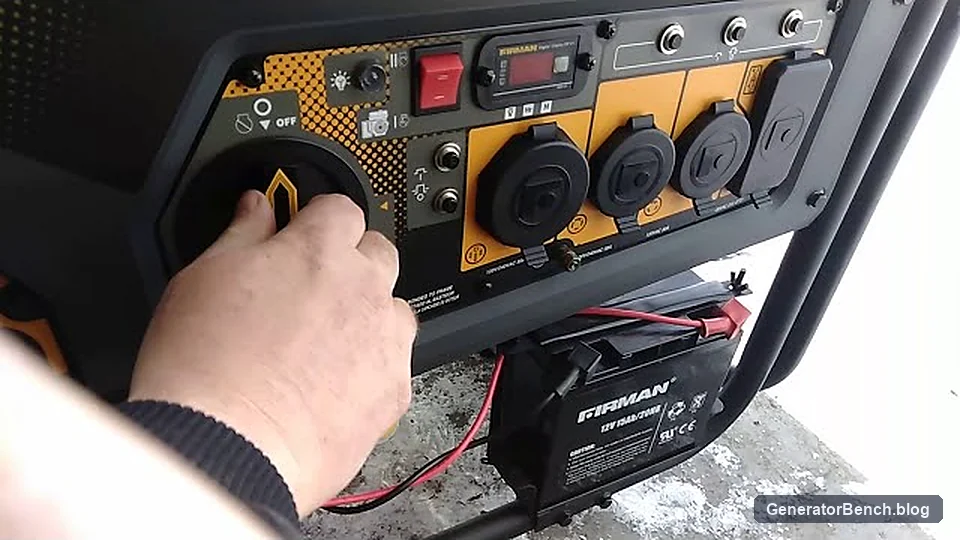
Before adding fuel, perform a thorough physical inspection of all external fasteners. Vibration during shipping can loosen bolts, a detail to remember before using a wattage sizing calculator.
Verify the oil reservoir capacity using the dipstick provided by the manufacturer. Overfilling causes excessive crankcase pressure, while underfilling leads to catastrophic bearing seizure.
Fill the fuel tank outdoors using clean, fresh gasoline stored in approved containers. Check the inline fuel filter and ensure fuel lines are free from pinching.
- Check air filter element seating before starting the engine.
- Verify all electrical control panel switches are in the off position.
- Inspect the spark plug gap to ensure factory calibration specifications.
- Confirm battery connections on electric-start models are secure.
Pre-Start Fluid Specifications and Checks
Accurate fluid levels prevent internal component damage during the very first startup sequence. Low oil sensors will shut the unit down if minimum thresholds are not met.
Always reference the owner manual for precise crankcase fluid volume measurements. Using a calibrated funnel prevents spills onto hot alternator windings.
- Measure oil precisely on flat, level ground surfaces.
- Wipe dipstick clean before taking final measurement readings.
Video Walkthrough: Firman H07552 Dual Fuel Generator First Start/Break In (Part 1)
Controlled Loading Phases During First Operational Hours
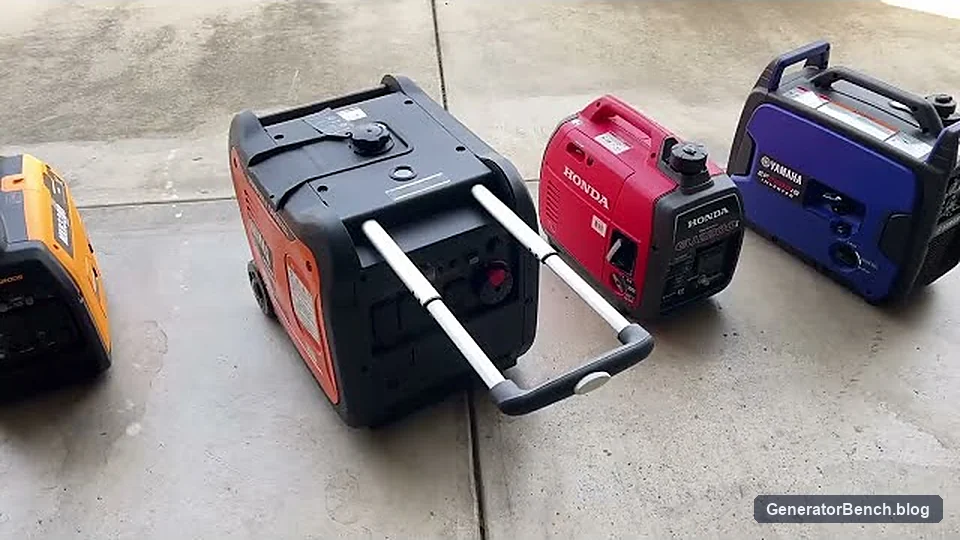
Start your new machine and let it idle for a few minutes to warm up. Internal oil circulation must stabilize, which you can verify when choosing the best firman generator for your site.
Apply approximately twenty-five percent of the rated electrical load for the first two hours. Resist the temptation to plug in heavy motorized appliances immediately.
Gradually increase the electrical load to fifty percent between hours two and ten. This stepped progression helps seat the piston rings securely against the cylinder walls.
Vary the applied load periodically by switching individual household circuits on and off. Constant RPM engines benefit greatly from dynamic load fluctuations during break-in.
- Avoid running resistive heaters continuously during the first five hours.
- Keep total power draw well below maximum running wattage limits.
- Listen closely for unusual mechanical ticking or metallic scraping noises.
- Check exhaust emissions for abnormal blue smoke indicating oil burning.
Managing Resistive Versus Inductive Loads
Resistive loads like incandescent lights provide steady, predictable power draw profiles. Inductive motor loads cause high startup surges that stress unseated alternators.
Limit heavy refrigerator compressors and well pumps until past the ten-hour mark. Prioritize simple resistive devices to maintain steady internal combustion temperatures.
- Calculate running watts versus starting surge requirements accurately.
- Disconnect heavy appliances before shutting down the generator engine.
Thermal Cycling and Temperature Management Protocols
Thermal cycling involves bringing the engine up to operating temperature and cooling completely. Controlled metal expansion relieves residual casting stresses accumulated during factory production.
Run the machine for one hour, then shut it down to cool completely. Repeat this thermal cycle multiple times during the first operating day of use.
Never block cooling airflow louvers around the alternator housing and muffler. Overheating warps aluminum cylinder heads and damages vital valve guide tolerances.
Monitor ambient air temperatures when conducting initial run-in procedures outdoors. High ambient heat combined with initial friction accelerates thermal stress on components.
- Ensure at least three feet of clearance around all ventilation grills.
- Allow minimum two-hour cooling intervals between heavy test runs.
- Check cylinder head temperature using an infrared thermometer gun.
- Avoid operating inside enclosed garages or tight shed spaces.
Recognizing Signs of Overheating During Operation
Excessive exhaust manifold glowing indicates dangerously lean fuel mixtures or overload. Immediate engine shutdown is required to prevent piston scoring and head warping.
Listen for pre-ignition pinging sounds caused by excessive combustion chamber temperatures. Adjust the choke and verify fuel quality immediately if knocking occurs.
- Watch for sudden drops in engine governing speed.
- Smell for burning paint or electrical insulation odors.
First Oil Change and Debris Filtration Analysis
The most critical maintenance milestone occurs after the first five hours of operation. Draining break-in oil removes suspended metal shavings generated during initial mating.
Run the engine for five minutes prior to draining to warm the oil. Warm fluid suspends metallic particulate matter far better than cold crankcase oil.
Inspect the drained oil under bright lighting for microscopic metallic glitter. A light shimmer is normal, but large metal flakes indicate internal mechanical distress.
Replace the drain plug crush washer and torque the bolt to specifications. Refill the crankcase with fresh mineral oil for the next phase of operation.
- Dispose of used petroleum oil at designated community recycling centers.
- Clean magnetic drain plugs thoroughly of all trapped metal debris.
- Never reuse old crush washers prone to oil leakage failures.
- Check oil level again after brief post-change test idling.
Interpreting Metallic Debris in Used Oil
Finding fine gray metallic sludge in the drain pan is completely normal. Normal component wear produces microscopic particles as the metal surfaces mate.
Large steel shavings or brass fragments point to severe bearing or gear issues. Contact technical support immediately if large debris appears during drainage.
- Use a magnetic pick-up tool to inspect drained fluid.
- Record oil condition in a maintenance logbook.
Video Walkthrough: Firman generator 1st start \u0026 heat/break-in cycle
Common Mechanical Mistakes and Diagnostic Troubleshooting
Many operators make the mistake of using full synthetic oil immediately. Synthetic lubricants prevent proper ring wear, leading to permanent oil consumption issues.
Another frequent error is running the machine at absolute idle without loads. Idling prevents proper combustion pressure from forcing rings against cylinder walls.
Ignoring minor fuel leaks or oil seepage during early hours invites disaster. Address all fastener torque checks and gasket alignments before continuing operation.
Failing to perform the five-hour oil change compromises long-term durability. Contaminated oil accelerates wear on crankshaft journals and valve train components.
- Avoid running unit on unlevel ground exceeding safe angles.
- Never store generator with untreated fuel in carburetor bowls.
- Check spark plug color regularly for rich or lean conditions.
- Inspect air filter elements for dust intrusion frequently.
Correcting Surge and Rough Idling Issues
Governor hunting or engine surging often plagues brand-new carburetors. Main jet varnish restricts fuel flow, causing erratic engine speed fluctuations.
Clean the carburetor bowl and run fuel system cleaners if surging persists. Ensure the choke plate opens fully once the engine reaches operating temperature.
- Inspect governor linkage springs for proper tension.
- Check fuel shut-off valve for complete opening.
Long-Term Maintenance and Post-Break-In Operation
Once the twenty-hour break-in threshold passes, transition to synthetic oil. High-quality synthetic lubricants provide superior protection during extreme temperature operations.
Establish a regular maintenance schedule covering air filters and spark plugs. Clean foam filter elements using mild detergent and re-oil them lightly.
Perform routine load bank tests every six months to verify alternator output. Keeping electrical windings dry prevents corrosion and sudden insulation breakdown.
Store the generator in a climate-controlled space alongside a fresh fuel stabilizer. Proper off-season storage prevents carburetor gumming, a benefit regularly praised in our detailed firman 3500 watt generator reviews.
- Inspect spark plug electrode gap every one hundred hours.
- Check carbon monoxide detector batteries annually without fail.
- Test ground bonding rods and frame safety ground continuity.
- Keep protective covers clean and free from rodent nesting.
Establishing a Permanent Maintenance Schedule
Tracking operational hours with an hour meter prevents missed service intervals. Regular preventative care ensures reliable backup power during unexpected grid failures.
Keep spare replacement spark plugs and air filters in your workshop. Quick access to common consumables minimizes equipment downtime during emergencies.
- Log every fueling and service interval meticulously.
- Inspect fuel lines for dry cracking annually.
Frequently Asked Questions
What kind of oil should I use for my Firman generator break-in procedure?
Always use standard 10W-30 mineral motor oil for the initial break-in period. Synthetic oils prevent proper piston ring seating due to their extreme lubricity.
When must I perform the very first oil change on a new generator?
Change the crankcase oil strictly after the first five hours of operation. This flushes out microscopic metal shavings generated while internal components mate.
Can I plug heavy appliances into my new generator immediately?
No, you must keep initial electrical loads between twenty-five and fifty percent capacity. Gradually increase loads as the engine accumulates operational hours.
Why is idling a brand-new generator engine discouraged during break-in?
Idling lacks the combustion pressure needed to force piston rings outward. Proper cylinder wall seating requires moderate progressive loads and varying engine speeds.
When is it safe to switch to full synthetic oil in my engine?
Transition to synthetic lubricants only after completing the full twenty-hour break-in milestone. By this time, piston rings and cylinder walls have mated successfully.