Diesel Generator Maintenance Schedule Protocols
Implementing a structured technical service plan guarantees emergency power reliability and minimizes mechanical failures during critical grid outages.

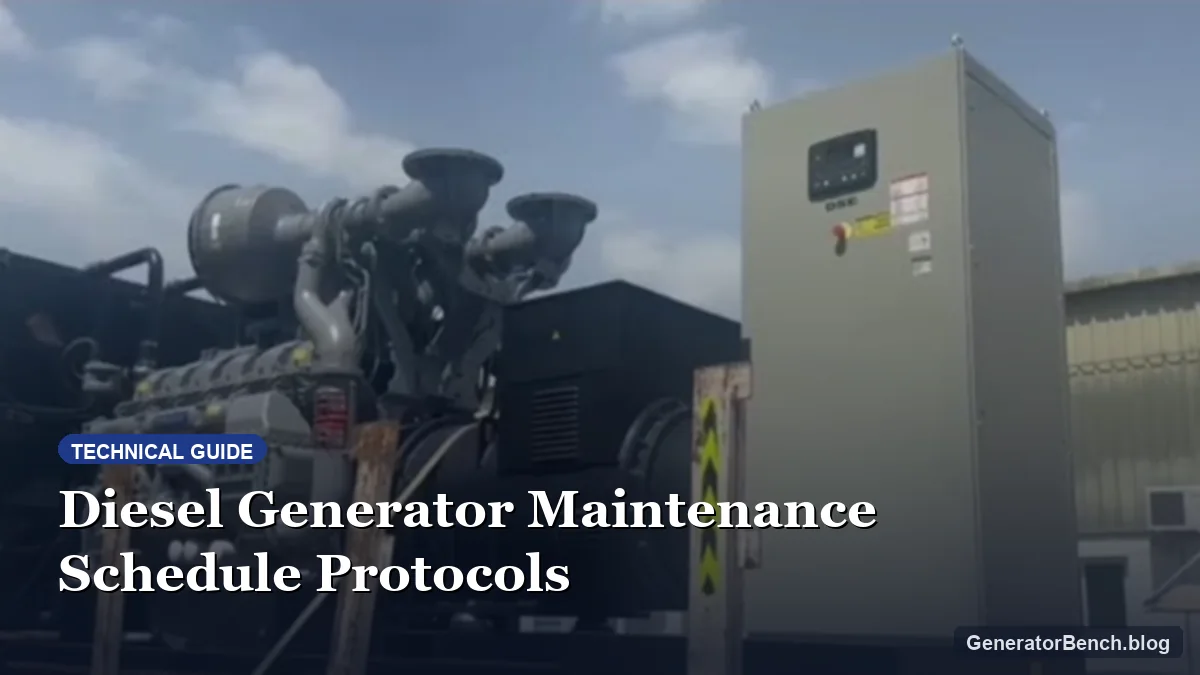
Follow strict operational hours and calendar intervals to protect your diesel generator maintenance schedule from premature engine wear.
Looking for matching picks? See our Best Diesel Generator.
Practical Quick-Reference Table
| Scenario / Metric | Recommended Target | Why It Matters |
|---|---|---|
| Daily Engine Inspection | Visual fluid and leak check | Detects minor issues before catastrophic failures occur. |
| Oil and Filter Change | Every 250 operating hours | Removes accumulated carbon soot and microscopic metal debris. |
| Coolant SCA Levels | Between 3.0 and 5.0 units | Prevents damaging cylinder liner cavitation and rust buildup. |
| Fuel Polishing Cycle | Every 12 to 24 months | Eliminates biological growth and water accumulation in tanks. |
| Load Bank Testing | Annually at 80% capacity | Cleans wet stacking and verifies true kW output. |
| Air Filter Restriction | Below 20 inches of water | Ensures optimal combustion efficiency and prevents smoke. |
Establishing Daily Operational Inspections and Fluid Checks
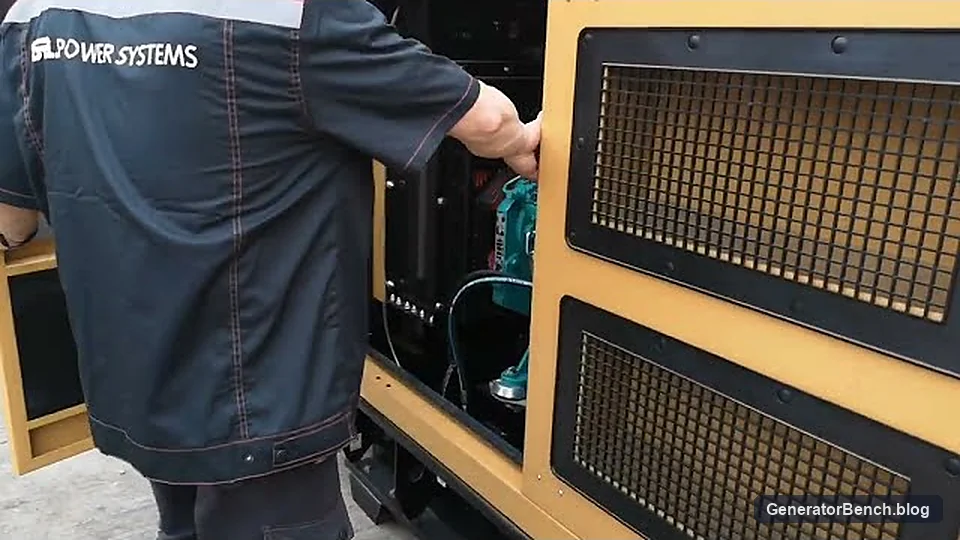
Routine visual assessments form the bedrock of any reliable facility power plan. Technicians must inspect oil levels before every cold startup to verify correct dipstick measurements.
Checking coolant surge tanks prevents unexpected overheating events during sudden prime power demands. Verify that all radiator fins remain unobstructed by debris or surrounding environmental clutter.
Inspect exterior fuel lines for micro-cracks, weeping fittings, or damp connection points. Immediate corrective action stops hazardous diesel pooling near hot exhaust manifolds or vibrating engine blocks.
Examine the starter battery bank for terminal corrosion, secure cable clamps, and proper float voltage. Maintaining optimal DC voltage ensures reliable cranking torque when automatic transfer switches trigger.
Inspect the diesel engine daily before startup, checking oil dipstick levels against the full mark and verifying coolant expansion tank visibility. Document any anomalies immediately to prevent catastrophic failure.
Drain water separator bowls daily to eliminate harmful moisture before injection pumps ingest it. Inspect belts for fraying, ensuring proper tension measured via standard deflection gauges across longest spans.
- Verify engine crankcase oil level using the dipstick high-low markers.
- Inspect daily fuel supply pressure gauges for unusual pumping fluctuations.
- Ensure the emergency stop button is fully disarmed and functional.
- Check exhaust piping insulation for signs of thermal degradation or tears.
Pre-Start Safety Verification Steps
Confirm that the main circuit breaker is open before initiating manual engine cranks. This prevents sudden electrical shock hazards to downstream equipment and maintenance personnel.
When planning facility installations, consult our diesel generator vs gas generator comparison to ensure proper ventilation louvers open automatically upon engine start to prevent dangerous exhaust accumulation inside enclosed generator rooms.
- Verify louver actuator linkage movement.
- Confirm fuel shutoff valve position is open.
Weekly and Monthly Load Bank Testing Protocols
Running standby engines unloaded for extended periods causes unburned fuel accumulation inside exhaust systems. This destructive condition is commonly known as wet stacking across industrial fleets.
Schedule monthly running sessions under at least thirty percent of rated capacity to reach operating temperatures. Elevated internal cylinder temperatures burn off accumulated carbon deposits effectively.
Annual resistive load bank testing validates the true kilowatt output of your alternator windings. Operators must ramp loads progressively to verify governor stability and voltage regulator response.
Monitor exhaust gas temperatures during high-load tests to ensure thermal equilibrium remains stable. Document all frequency and voltage drop parameters for your long-term facility compliance records.
Execute weekly exercising runs for at least thirty minutes without load, then escalate to monthly testing utilizing resistive load banks operating at 30 to 50 percent capacity.
Maintain exhaust temperatures above six hundred degrees Fahrenheit during load bank procedures to successfully burn off accumulated unburned hydrocarbons, preventing wet stacking and permanent cylinder glaze.
- Run unloaded tests for no longer than twenty consecutive minutes.
- Apply resistive load banks stepwise to measure alternator frequency drop.
- Record peak exhaust temperatures using calibrated infrared laser pyrometers.
- Inspect electrical breaker trip units for mechanical freedom of movement.
Managing Wet Stacking Remediation
Severe wet stacking requires prolonged high-temperature load bank sessions lasting several hours. This thermal soak vaporizes trapped hydrocarbons clinging to internal exhaust manifold surfaces.
Never bypass safety interlocks during high-load remediation runs to protect winding insulation.
- Monitor crankcase breather tubes for excessive blow-by gases.
- Inspect turbocharger wastegate actuation during peak loads.
Video Walkthrough: Generator Preventive Maintenance
Comprehensive Fuel System Filtration and Polishing Procedures
Modern ultra-low sulfur fuels degrade rapidly when exposed to ambient moisture. Reviewing our diesel generator vs propane generator guide helps operators understand how water contamination promotes microbial growth that clogs primary fuel filters.
Drain water separators manually every week to remove condensed moisture from tank bottoms. Collected fluid should be inspected in a clear container for unusual cloudiness or particulate matter.
Replace primary water-separating fuel filters and secondary fine filters every five hundred operating hours. Always prime the low-pressure fuel rail completely to eliminate air pockets before restarting.
Conduct professional fuel polishing when storage duration exceeds twelve months without complete turnover. Polishing systems circulate stored fuel through high-efficiency particulate and water-absorbing filter elements.
Replace primary fuel filters every two hundred fifty operating hours while inspecting seals for degradation. Utilize micron-rated elements designed specifically for high-pressure common rail or mechanical unit injectors.
Implement bi-annual fuel polishing if stored diesel exceeds six months of stagnation, running fuel through dual-stage filtration units to remove microbial growth, sludge, and microscopic particulates entirely.
- Drain primary water separators into approved metallic waste containers.
- Replace secondary fuel filters using clean, lint-free shop towels.
- Prime fuel systems thoroughly using manual hand primer pumps.
- Test stored fuel for microbial contamination using chemical dip kits.
Injector Maintenance and Pressure Checks
Electronic common rail injectors require immaculate fuel cleanliness to prevent nozzle tip erosion. Inspect injector return line flow rates to identify internal component wear early.
Clean exterior fuel rail fittings periodically to prevent airborne dust ingestion.
- Check high-pressure steel lines for vibration friction marks.
- Verify injector harness connector locks remain tightly snapped.
Lubrication Oil Analysis and Complete Crankcase Drain Intervals
Engine oil degrades through thermal breakdown, soot loading, and depletion of vital detergent additives. Scheduled oil sampling provides an advanced window into internal mechanical wear conditions.
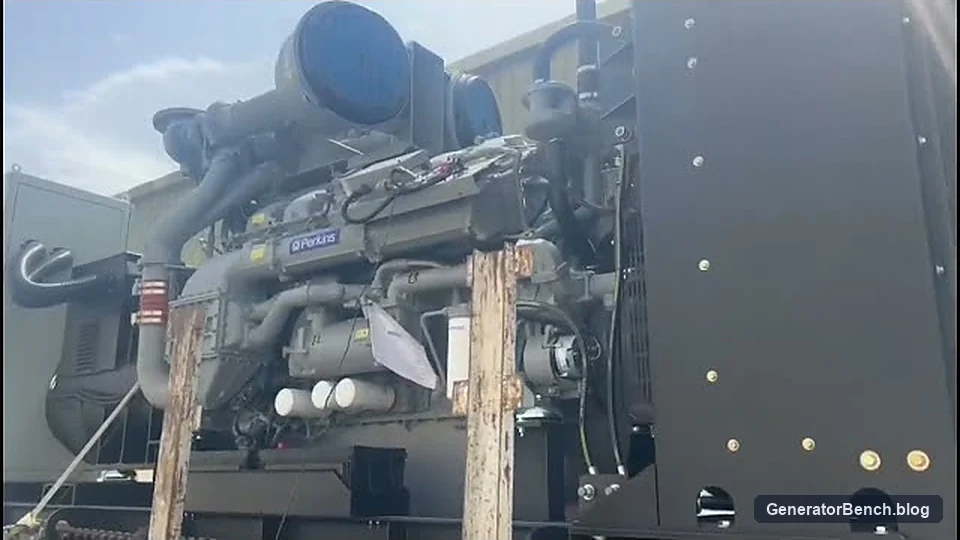
Extract oil samples from warm running engines using clean vacuum extraction pumps. Avoid drawing samples directly from oil pan drain plugs where settled sludge collects.
Send extracted samples to certified laboratories for spectroscopy and viscosity index testing. Elevated silicon levels indicate unfiltered air entry, while high iron points to ring wear.
When evaluating specifications for the best diesel generator models, technicians must perform complete crankcase oil and filter changes every two hundred fifty operating hours using specified heavy-duty engine oils.
Submit used engine oil samples to certified laboratories every two hundred operating hours to track wear metals and total base number depletion before catastrophic mechanical bearing failure occurs.
Perform complete crankcase oil and filter changes while the engine remains warm, torquing drain plugs to manufacturer specifications to prevent leaks and maintain optimal internal lubrication pressure.
- Extract oil samples while the engine is at normal operating temperature.
- Replace full-flow oil filters during every scheduled crankcase drainage.
- Torque oil pan drain plugs to exact factory specifications using gauges.
- Dispose of used motor oil according to local environmental protection laws.
Interpreting Laboratory Spectroscopy Reports
Review wear metal parts-per-million trends across successive oil sample laboratory reports. Sudden spikes in copper or lead suggest bearing material shedding inside the block.
Adjust oil change intervals downward if high sulfur fuel accelerates acid accumulation.
- Compare current total base number against fresh oil baselines.
- Monitor oxidation and nitration values for thermal stress.
Cooling System Flush, SCA Levels, and Heat Exchanger Maintenance
Cooling system neglect remains a primary cause of catastrophic internal engine block failures. Heavy-duty diesel engines require Supplemental Coolant Additives to prevent destructive liner cavitation pitting.
Test coolant chemistry monthly using specialized test strips to verify inhibitor concentrations. Low chemical levels permit aggressive rust formation within cylinder water jackets and pump housings.
Flush the entire cooling system with chemical cleaners every two thousand operating hours. Drain old coolant completely and inspect radiator cores for internal mineral scaling blockages.
Inspect belt-driven water pump weep holes for persistent coolant leakage or bearing noise. Replace worn water pump assemblies immediately before total seal failure induces overheating.
Test coolant supplemental coolant additive concentrations monthly using chemical test strips to protect wet cylinder liners from cavitation erosion and premature pinhole leaks in block walls.
Flush cooling systems every two thousand hours, inspecting heat exchanger tube bundles for scaling and cleaning internal passages with approved chemical descalers to ensure optimal thermal transfer efficiency.
- Test coolant freeze point and SCA concentration using test strips.
- Inspect radiator core exterior fins for compressed or bent sections.
- Check fan drive belt tension and pulley alignment for excessive play.
- Flush heat exchangers with mild acid solutions to dissolve scale.
Thermostat Replacement and Hose Inspection
Test engine thermostats in heated water baths to verify accurate opening temperatures. Replace sluggish thermostats immediately to prevent thermal shock during heavy operational loads.
Inspect rubber radiator hoses for internal softening, blistering, or hardening.
- Replace hose spring clamps if spring tension decreases over time.
- Verify thermostat bypass port clearance during cold startups.
Air Intake Restriction Monitoring and Exhaust System Inspection
Restricted air filters reduce volumetric efficiency and cause excessive exhaust smoke output. Install mechanical restriction gauges on intake piping to monitor pressure drops accurately.
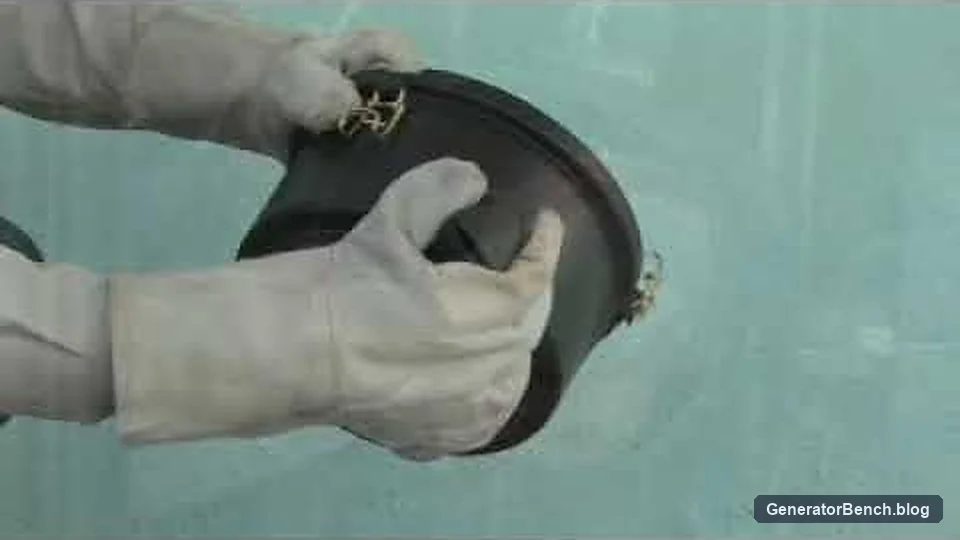
Service outer air filter elements when restriction indicators reach twenty inches of water. Never attempt to clean primary paper filter elements using compressed air blasts.
Inspect intake ducting joints and rubber boot connections for loose hose clamps. Unfiltered air ingestion introduces abrasive dust particles that rapidly score cylinder liners.
Examine exhaust manifolds, flexible bellows, and silencer assemblies for gas leaks. Carbon soot trails around flange joints indicate failing gaskets requiring immediate hardware replacement.
Monitor air filter restriction indicators daily, replacing paper elements when differential pressure reaches twenty-five inches of water column to maintain proper stoichiometric combustion ratios.
Inspect exhaust manifold bolts and flexible bellows connections regularly for carbon soot trails, ensuring thermal expansion joints remain structurally sound and properly insulated against radiant heat.
- Monitor air filter restriction gauges during high-output operation.
- Replace secondary safety filters only during major overhaul intervals.
- Check flexible exhaust bellows for cracking caused by thermal expansion.
- Verify rain cap operation on vertical exhaust outlet stacks outdoors.
Turbocharger Inspection and Bearing Checks
Remove compressor inlet ducting to inspect turbocharger turbine wheel condition. Check radial and axial shaft play manually to ensure bearing clearances remain within limits.
Ensure oil supply lines to the turbocharger center housing remain clear.
- Check compressor housing interior for oil mist accumulation.
- Verify wastegate actuator linkage moves freely without binding.
Electrical Alternator Insulation Testing and Control Panel Diagnostics
After determining correct loads via our generator wattage sizing calculator, ensure generator alternator windings undergo periodic insulation resistance testing. Low resistance values highlight excessive moisture absorption within stator housings.
Inspect automatic voltage regulator wiring harnesses for secure terminal connections. Loose sensing wires can cause dangerous voltage surges across connected facility electrical loads.
Clean control panel circuit boards using specialized non-conductive electrical contact sprays. Dust accumulation inside sensitive electronic enclosures can trigger false fault shutdowns.
Test safety shutdown sensors, including high water temperature and low oil pressure switches. Simulating fault conditions verifies that control modules cut fuel delivery reliably.
Conduct annual megohmmeter testing on generator windings, ensuring insulation resistance exceeds one megaohm to prevent dangerous short circuits during high-voltage operational surges and damp weather.
Test control panel emergency shutdown switches and safety cutoffs monthly, verifying accurate sensor calibration for high coolant temperature and low oil pressure alarms across monitoring relays.
- Perform megohm insulation testing on generator stator windings annually.
- Check control panel enclosure door seals for weatherproof integrity.
- Verify battery charger float output voltage matches manufacturer specs.
- Test emergency stop circuit continuity back to the main breaker.
Alternator Space Heater Management
Ensure alternator anti-condensation space heaters energize whenever the engine stops. This internal heating prevents moisture condensation on copper windings in humid environments.
Verify space heater circuit breaker functionality during monthly service walks.
- Measure space heater current draw using clamp multimeters.
- Inspect terminal box wiring insulation for heat brittleness.
Long-Term Standby Storage Protocols and Additive Management
Extended standby storage requires specific preservation steps to prevent internal corrosion damage. Treat stored fuel tanks with biocides and multi-functional stabilizers to prevent degradation.
Run the engine up to operating temperature bi-weekly if automated exercise programs fail. This maintains oil films on cylinder walls and keeps internal seals pliable.
Disconnect battery negative cables during multi-month storage periods to prevent parasitic drain. Store batteries in temperature-controlled rooms on automated maintenance float chargers.
Seal all engine intake and exhaust openings using moisture-barrier tape to prevent humidity ingress. Place warning tags on control panels stating that the machine is undergoing preservation.
Treat stored diesel fuel with stabilized enzymatic biocides and antioxidants, circulating treated fluid through the system to coat internal metallic surfaces against corrosive oxidation during extended inactivity.
Disconnect negative battery cables and apply dielectric grease to terminal posts, maintaining batteries with automatic trickle chargers to ensure immediate cranking capability when emergency deployment arises.
- Treat bulk fuel storage tanks with concentrated stabilizing additives.
- Disconnect battery negative terminals during extended facility shutdowns.
- Seal exhaust stack outlets with weather-resistant heavy covers.
- Apply anti-corrosion spray wax to unpainted exterior metal linkages.
Recommissioning Preserved Standby Engines
Remove all intake and exhaust protective sealing tapes before attempting engine cranks. Drain preservation oils from fuel systems and replace all filters prior to startup.
Crank the engine with the fuel shutoff engaged to build oil pressure.
- Perform a complete coolant analysis before initial recommissioning.
- Verify all alarm indicators illuminate during lamp test sequences.
Frequently Asked Questions
How often should I change the oil in my standby diesel generator?
Change engine oil and filters every two hundred fifty operating hours or annually. Regular replacement removes suspended soot particles and acidic contaminants that accelerate internal mechanical wear.
What is wet stacking and how can I prevent it during routine maintenance?
Wet stacking occurs when unburned fuel accumulates in exhaust systems from prolonged low-load running. Prevent this condition by scheduling monthly load bank testing at higher capacity levels.
Why are supplemental coolant additives critical for heavy-duty diesel engines?
Supplemental coolant additives prevent destructive cylinder liner cavitation pitting caused by high-frequency vibration. Testing coolant chemistry monthly ensures proper chemical inhibitor concentrations remain active.
How can I protect stored diesel fuel from microbial contamination and water damage?
Treat bulk fuel tanks with professional stabilizers and biocides while draining water separators weekly. Professional fuel polishing systems should be scheduled every twelve to twenty-four months.
What checks are required for generator alternator windings during annual service?
Perform megohm insulation resistance testing to detect moisture absorption within stator windings. Ensuring proper windings insulation resistance prevents electrical short circuits during emergency power demands.