Diesel Consumption For Generator Chart Metrics
Accurate fuel metrics help facility managers predict emergency runtime requirements effectively. Proper reference charts prevent unexpected power outages during extended utility grid failures.

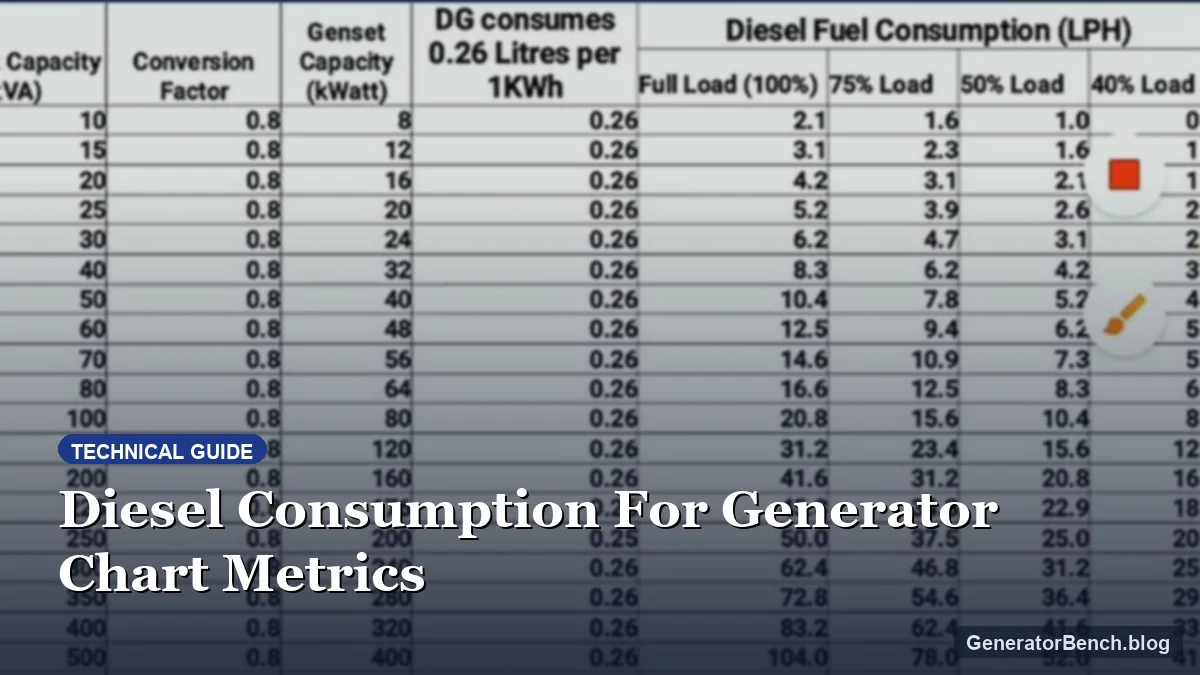
Generator fuel usage scales non-linearly with electrical load percentages. Always consult a diesel consumption for generator chart before planning extended industrial facility operations.
Looking for matching picks? See our Best Diesel Generator.
Practical Quick-Reference Table
| Scenario / Metric | Recommended Target | Why It Matters |
|---|---|---|
| Idle Load (20kW) | 0.8 Gallons/Hour | Minimal fuel draw |
| Quarter Load (50kW) | 1.5 Gallons/Hour | Standard baseline |
| Half Load (100kW) | 2.8 Gallons/Hour | Optimal efficiency zone |
| Three-Quarter Load | 4.2 Gallons/Hour | Heavy operational demand |
| Full Load (200kW) | 6.0 Gallons/Hour | Maximum thermal stress |
| Fuel Storage Limit | Diesel ISO 14389 | Prevents phase separation |
Diesel Fuel Fundamentals And Storage Protocols

Proper diesel fuel storage directly impacts standby generator reliability. Heavy distillate fuels degrade when exposed to moisture and elevated ambient temperatures over extended periods.
Storage tanks require routine water separation and biocide treatments to prevent microbial contamination. Microbial slime can quickly clog primary fuel filters during high-demand events.
Fuel degradation leads to injector fouling and reduced thermal efficiency. Maintaining clean fuel reserves ensures predictable performance matching strict manufacturer technical specifications.
Facilities must implement strict rotation schedules using the first-in, first-out method. Stale diesel causes incomplete combustion and elevated particulate emissions in exhaust streams.
Understanding diesel fuel specifications requires knowing the difference between ultra-low sulfur diesel and older formulations. Modern standby generators mandate ASTM D975 grade fuel to prevent rapid injector fouling and premature corrosion across high-pressure fuel rails.
Bulk storage tanks demand rigorous monitoring for microbial growth and water condensation. Storing diesel longer than twelve months without polishing causes organic acids to form, rapidly plugging primary fuel filters and degrading the injection pump's internal components.
Polyethylene and coated steel tanks represent the industry standard for safe fuel containment. Always install vent caps with pressure relief valves to accommodate thermal expansion while blocking airborne debris and moisture from contaminating your primary reserve capacity.
Cold weather introduces gelling risks as paraffin wax crystals precipitate out of suspension. Maintaining fuel temperatures above fifteen degrees Fahrenheit or utilizing dedicated tank heaters prevents catastrophic fuel starvation during severe winter power outage events.
- Keep bulk storage tanks shaded and properly vented.
- Test fuel quality annually for microbial growth.
- Install water traps on all primary supply lines.
- Use stabilization additives for long-term reserves.
Bulk Tank Maintenance Steps
Inspect tank interiors annually for sludge accumulation and corrosion. Remove accumulated sediment before it reaches the fuel pickup tube entirely.
Replace desiccant breathers regularly to block ambient humidity from entering. Dry air prevents condensation inside partially filled storage vessels.
- Drain water pockets weekly.
- Clean suction strainers monthly.
Calculating Load-Dependent Consumption Rates
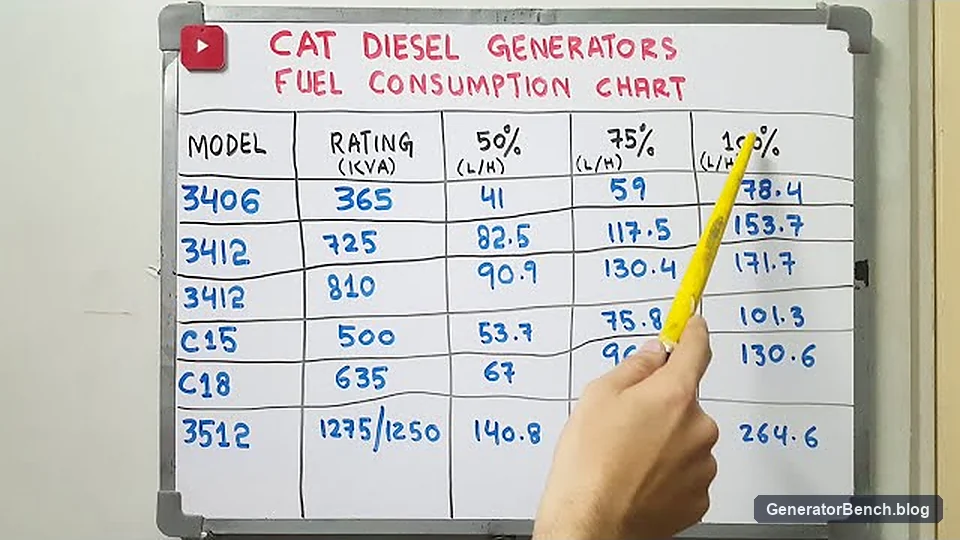
Selecting the best diesel generator for home backup requires evaluating continuous load profiles and fuel consumption rates. Calculating hourly fuel usage helps homeowners budget properly during extended emergency outages.
Operating a generator below thirty percent capacity invites wet stacking issues. Unburned fuel accumulates in the exhaust manifold, degrading overall system efficiency rapidly.
Peak efficiency usually occurs between seventy and eighty percent electrical load. Engineers must match generator capacity to real-world facility demands to optimize fuel burn.
Ambient temperature and altitude also influence actual fuel consumption metrics significantly. Capped air density requires electronic governors to adjust injection timing dynamically.
Generator fuel burn scales non-linearly with electrical demand. A typical twenty-kilowatt unit consumes roughly 0.8 gallons per hour at twenty-five percent load, scaling past 2.1 gallons per hour when operating at maximum rated output capacity safely.
Calculating precise runtime requires evaluating your specific engine displacement and alternator efficiency ratings. Most manufacturers publish detailed consumption curves based on ISO 8528 standards, providing reliable benchmarks for emergency backup planning and routine fuel logistics.
Inductive loads like central air compressors cause temporary surge draws that momentarily spike fuel consumption. Monitoring real-time telemetry through digital controller panels helps facility managers identify inefficient load profiles and optimize overall runtime efficiency.
Running diesel generators under light loads for extended periods induces wet stacking. This harmful condition leaves unburned fuel in the exhaust manifold, requiring periodic load bank testing at seventy percent capacity to restore proper combustion chambers.
- Reference manufacturer load curves for exact rates.
- Monitor real-time kilowatts versus fuel flow.
- Avoid prolonged operation under light loads.
- Account for auxiliary parasitic power draws.
Load Testing Procedures
Apply resistive load banks to verify fuel consumption accuracy carefully. Step loads incrementally from twenty-five to one hundred percent capacity limits.
Measure fuel return volumes alongside supply flow rates during testing. Net consumption calculations reveal true thermal conversion efficiency across operating bands.
- Log exhaust temperatures during tests.
- Verify governor response under sudden loads.
Video Walkthrough: Diesel Generator Fuel Consumption | Diesel Consumption of DG | Diesel Generator Consumption Chart
Fuel Additives And Chemical Stabilization Methods
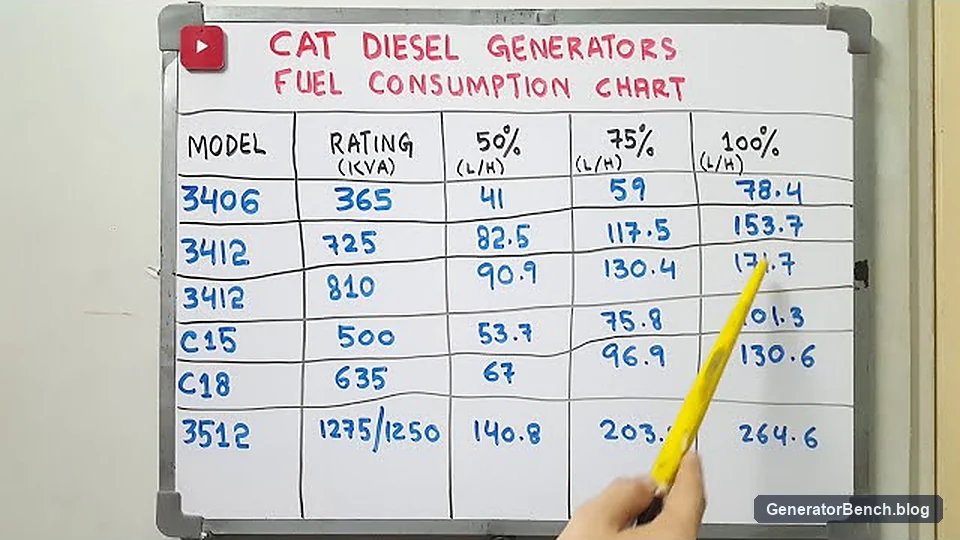
Modern ultra-low sulfur diesel lacks natural lubricity, requiring specialized chemical additives. Proper formulation protects high-pressure common rail fuel injection components from premature wear.
Cold weather operation demands anti-gel additives to prevent paraffin crystallization. Wax precipitation clogs fuel filters rapidly during sub-zero meteorological winter events.
Demulsifiers help separate suspended water molecules from stored diesel fuel. Removing free water halts microbial proliferation inside underground storage tanks permanently.
Always follow strict chemical mixing ratios specified by additive manufacturers carefully. Over-dosing can destabilize fuel chemistry and damage sensitive emission control catalysts.
Maintaining reliable fuel chemistry is essential when choosing the best diesel generator for off grid applications. High-quality stabilizer formulas prevent oxidation and gum formation, protecting sensitive fuel injectors during extended inactivity.
Biocides are necessary to eradicate microbial colonies that thrive at the fuel-water interface. Introducing a targeted antimicrobial treatment destroys bacteria colonies before they can generate corrosive acids and block primary fuel filters.
Anti-gel agents modify wax crystal structures during sub-zero ambient temperatures. Pouring a concentrated flow improver into the tank prior to freezing weather prevents clogged fuel lines and ensures dependable cold starting.
Lubricity improvers compensate for the low sulfur content in modern ultra-low sulfur diesel fuel. Restoring proper lubricity protects high-pressure common rail pumps from premature mechanical wear and expensive internal component failures.
- Store chemical additives in climate-controlled lockers.
- Mix fuel treatments prior to tank filling.
- Test additive compatibility with biodiesel blends.
- Monitor cloud points in winter months.
Chemical Testing Protocols
Perform Karl Fischer titration tests to measure water content accurately. High moisture levels require immediate chemical remediation or mechanical fuel filtration.
Check total acid numbers to evaluate fuel oxidation levels thoroughly. Degraded fuel demands complete industrial polishing or safe regulatory disposal.
- Use portable lab kits for rapid screening.
- Record batch numbers for all chemical treatments.
Combustion Chemistry And Carbon Dioxide Output
Diesel combustion is a complex chemical reaction involving hydrocarbon oxidation. Complete combustion produces carbon dioxide, water vapor, and harmless atmospheric nitrogen gas.
Incomplete combustion generates carbon monoxide, unburned hydrocarbons, and black soot. Monitoring exhaust gas composition ensures optimal air-fuel mixing ratios during operation.
Carbon dioxide formation correlates directly with total fuel consumption volumes. Every gallon of diesel burned releases a predictable mass of greenhouse gases.
Advanced engine management systems optimize injection pressures to minimize harmful byproduct formation. Proper maintenance keeps strict emission profiles within statutory compliance regulatory limits.
Diesel combustion is a complex chemical reaction involving hydrocarbon chains and atmospheric oxygen. Complete combustion yields water vapor, nitrogen, and measurable quantities of carbon dioxide proportional to total fuel volume consumed.
Calculating precise carbon emissions requires applying standard stoichiometric conversion factors to your hourly fuel consumption metrics. Burning one gallon of diesel typically releases approximately twenty-two pounds of carbon dioxide into the atmosphere.
Incomplete combustion produces hazardous carbon monoxide and visible particulate matter soot. Maintaining clean air filters and proper injection timing ensures optimal air-fuel ratios and reduces harmful exhaust gas constituents significantly.
Proper load management using our generator wattage sizing calculator helps prevent partial-load operation that degrades combustion efficiency. Balancing thermal efficiency with strict emissions standards remains a primary engineering challenge for modern manufacturers.
- Analyze exhaust gases with digital emission meters.
- Maintain correct compression pressures inside cylinders.
- Prevent restricted air intake filter blockages.
- Calibrate fuel injectors at recommended intervals.
Exhaust Gas Analysis
Sample stack emissions to evaluate combustion efficiency directly during testing. High oxygen levels indicate excessive excess air dilution in exhaust streams.
Track nitrogen oxide emissions against engine load variations closely. Proper tuning balances performance with strict environmental regulatory compliance mandates.
- Calibrate sensors before every test.
- Record ambient barometric pressure conditions.
Environmental Management And Emissions Compliance
Stationary diesel generators must comply with regional environmental air quality regulations. Permitting agencies mandate strict limits on particulate matter and nitrogen oxides.
Exhaust after-treatment systems utilize diesel particulate filters to trap soot. Regular active thermal regeneration cycles burn off accumulated particulate matter automatically.
Selective catalytic reduction systems inject urea to neutralize harmful emissions. Maintaining adequate diesel exhaust fluid supplies is legally required for continuous operation.
Spill prevention protocols protect local groundwater from fuel contamination risks. Double-walled containment tanks provide essential safeguards against catastrophic industrial fuel leaks.
Operating stationary emergency generators requires strict adherence to local air quality district regulations. Many jurisdictions limit non-emergency run hours to fifty hours annually to prevent excessive regional air pollution and maintain compliance.
Secondary containment basins are mandatory for bulk fuel storage installations. These heavy-duty steel or concrete structures must hold one hundred ten percent of the primary tank volume to prevent catastrophic environmental spills.
Spill prevention control and countermeasure plans outline mandatory containment protocols for commercial sites. Implementing rigorous inspection schedules catches minor tank weeping before environmental contamination occurs on your property.
Tier 4 Final emissions standards mandate advanced exhaust aftertreatment technologies including diesel particulate filters. Regular active regeneration cycles burn off trapped soot to ensure clean operation and compliant exhaust emissions.
- Inspect containment berms for structural integrity.
- Maintain accurate runtime and emissions logs.
- Store diesel exhaust fluid in opaque containers.
- Test spill containment alarms biannually.
Spill Prevention Measures
Install overfill alarms on all bulk storage tanks immediately. Automatic shutoff valves prevent accidental spills during standard fuel delivery operations.
Equip containment areas with proper oil-water separators routinely. Routine maintenance stops oily runoff from entering municipal stormwater drainage systems.
- Keep absorbent materials readily accessible.
- Train staff on emergency spill response.
Preventative Maintenance For Fuel System Efficiency
Preventative maintenance preserves fuel system integrity and optimizes consumption rates. Neglected fuel filters restrict flow, forcing transfer pumps to work much harder.
Technicians must inspect fuel lines for cracking, abrasion, and weeping fittings. High-pressure common rail systems demand flawless plumbing to prevent dangerous leaks.
Cleaning fuel injectors restores spray patterns and prevents localized overheating. Proper atomization ensures complete fuel combustion across all heavy operational load bands.
Regular calibration of electronic fuel control modules prevents fuel waste. Precision timing guarantees maximum mechanical energy extraction from every consumed liquid droplet.
Routine maintenance of the fuel system is critical when operating the best diesel generator for rv models. Replacing primary and secondary fuel filters every two hundred fifty operating hours prevents flow restrictions.
Water separator bowls require daily inspection and manual draining to eliminate condensation. Trapped moisture inside the injection system leads to rapid rust formation and catastrophic failure of expensive fuel injectors.
Bleeding the fuel system after maintenance removes trapped air pockets that cause rough idling. Always follow manufacturer procedures to purge air using the priming pump before attempting engine cranking.
Inspecting flexible rubber fuel lines for cracking and swelling prevents unexpected leaks. Upgrading to braided stainless steel lines provides superior durability and protects against high engine bay ambient temperatures.
- Replace primary fuel filters every 500 hours.
- Inspect fuel injection pump calibration annually.
- Test transfer pump delivery pressure monthly.
- Clean fuel cooler fins of debris buildup.
Filter Replacement Procedures
Depressurize the fuel system completely before servicing filter elements. Clean the surrounding housing exterior to prevent harmful contaminant ingress during maintenance.
Prime the fuel system thoroughly after installing new filter elements. Removing trapped air prevents difficult engine starting sequences in cold weather.
- Lubricate O-rings with clean diesel fuel.
- Dispose of used filters ecologically.
Operational Diagnostics And Troubleshooting Metrics
Fuel system diagnostics help identify underlying mechanical or electrical faults quickly. Unexpected increases in fuel consumption often signal internal engine component wear.
Monitor fuel pressure differentials across primary and secondary filters. Pressure drops exceeding manufacturer thresholds indicate impending filter restriction and flow loss.
Inspect fuel return temperatures to diagnose injector seat leakage accurately. Excessive return flow reduces effective injection pressure and degrades overall performance.
Utilize diagnostic software to review historical engine performance logs. Trend analysis highlights gradual efficiency losses before catastrophic mechanical failures occur unexpectedly.
Troubleshooting sudden generator shutdowns starts by verifying fuel delivery pressure. A failing lift pump or clogged filter will trigger low-pressure fault codes on your digital controller interface.
Excessive black smoke under load indicates an overly rich air-fuel mixture. Inspect your air intake tract for restrictions or verify proper operation of the turbocharger wastegate to restore combustion efficiency.
Engine surging and erratic RPM stability often point to air ingestion within the supply lines. Perform a comprehensive leak test along all fittings to ensure a completely sealed fuel circuit.
High exhaust gas temperatures signal potential overloading or cooling system restrictions. Monitoring thermocouple readings helps operators diagnose thermal stress before permanent engine damage occurs during an extended outage.
- Measure fuel transfer pressure under full load.
- Check exhaust color for combustion anomalies.
- Verify electronic sensor calibration parameters.
- Inspect turbocharger boost pressure consistency.
Diagnostic Troubleshooting Steps
Connect diagnostic scanners to read active engine fault codes. Cross-reference codes with manufacturer troubleshooting flowcharts to isolate specific sensor failures.
Perform cylinder cutout tests to isolate misfiring fuel injectors. Defective injectors cause uneven fuel consumption and rough idling during operation.
- Record sensor voltage outputs carefully.
- Verify battery voltage during cranking.
Frequently Asked Questions
How does a diesel consumption for generator chart work?
A diesel consumption for generator chart provides estimated hourly fuel usage based on percentage electrical load. It helps operators plan runtime reserves accurately during emergencies.
Why does light loading increase fuel consumption risks?
Operating below thirty percent capacity causes wet stacking and unburned fuel accumulation. This condition degrades thermal efficiency and fouls exhaust systems over time.
What causes diesel fuel degradation in storage tanks?
Moisture condensation, elevated temperatures, and microbial growth degrade stored distillate fuels. Using biocides and water separators prevents premature fuel spoiling.
How often should generator fuel filters be replaced?
Primary and secondary fuel filters require replacement every five hundred operating hours or annually. Regular replacement maintains proper fuel pressure and injection efficiency.
What is the ideal load range for diesel generators?
The optimal operating zone sits between seventy and eighty percent of rated capacity. This range maximizes fuel efficiency while preventing wet stacking issues.