Diesel Air Compressor Fuel Consumption Chart Standards
Master industrial pneumatic equipment metrics using precise operational data. Optimize heavy-duty machine efficiency with comprehensive engineering guidance.

Accurate calculation requires monitoring continuous load factors and CFM outputs. Always cross-reference manufacturer metrics against actual operating conditions to prevent unexpected fuel deficits.
Looking for matching picks? See our Best Diesel Generator.
Practical Quick-Reference Table
| Scenario / Metric | Recommended Target | Why It Matters |
|---|---|---|
| Idle Load Rate | 15% to 20% max capacity | Reduces unburned fuel accumulation. |
| Full Load CFM | 100% rated output | Determines peak hourly diesel consumption. |
| Storage Life | 3 to 6 months max | Prevents heavy phase separation and varnishing. |
| Additive Ratio | 1 pint per 250 gallons | Stabilizes cetane levels during storage. |
| Exhaust Temp | 600 to 900 Fahrenheit | Ensures proper particulate filter regeneration. |
| Maintenance Interval | 250 operating hours | Preserves optimal fuel injector spray patterns. |
Core Metrics of Pneumatic System Efficiency
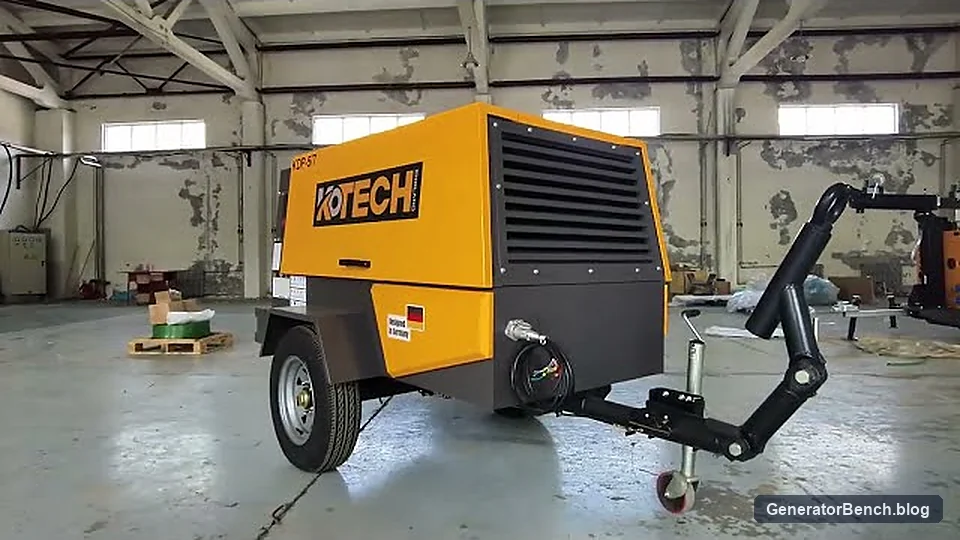
Evaluating heavy pneumatic machinery requires strict attention to volumetric output and engine load percentages. Operators must analyze manufacturer data carefully to establish reliable operational benchmarks.
Engine displacement directly dictates baseline fuel burn during standard pneumatic operations. Reviewing data from propane vs gas generator fuel consumption studies helps operators optimize overall fleet efficiency and hourly expenses.
Varying atmospheric pressure and ambient temperatures alter internal combustion efficiency significantly. Technicians should adjust baseline calculations whenever operating at high altitudes or extreme weather.
Monitoring real-time fuel flow meters prevents sudden shortages on remote industrial job sites. Integrating telemetry data ensures accurate tracking across extended continuous runtime intervals.
Evaluating pneumatic efficiency requires analyzing volumetric output against fuel input. Operators must track actual CFM delivery per gallon of diesel to determine true operating costs under standard job site load profiles.
Pressure drops across distribution manifolds severely degrade overall system performance. A mere two PSI drop at the service valve forces the engine governor to increase throttle, driving up hourly diesel consumption unnecessarily.
Ambient temperature and high altitude heavily influence compressor volumetric efficiency. Citing standard ISO 1217 reference conditions ensures technicians accurately normalize fuel consumption charts against varying barometric pressures and intake air temperatures.
Duty cycles dictate specific fuel burn variations across portable compressor fleets. Running units continuously at maximum working pressure accelerates wear on intake regulators, shifting the baseline fuel consumption higher than manufacturer nominal ratings.
- Track cubic feet per minute output constantly.
- Account for local ambient temperature shifts.
- Measure hourly diesel flow under variable load.
- Log altitude corrections for accurate combustion.
Calculating Cubic Feet Per Minute Output
Pneumatic tool demands fluctuate wildly during standard heavy civil construction tasks. Understanding peak volume requirements prevents unnecessary engine throttling and excessive fuel waste.
Cross-referencing pressure ratings against compressor displacement yields reliable consumption estimates. Operators should utilize standard charts to match tool requirements with optimal engine speeds.
- Match tool air demands to compressor capacity.
- Avoid running engines at maximum governor limits.
- Calibrate pressure regulators to reduce waste.
Chemical Analysis and Combustion Dynamics
Diesel fuel composition directly influences thermal efficiency within industrial pneumatic powerplants. Consulting our best dual fuel generators guide provides additional insight into how alternative fuel options perform under heavy continuous loads.
Incomplete fuel burn leaves carbon deposits inside combustion chambers and exhaust manifolds. Technicians must monitor exhaust gas temperatures to identify early signs of poor fuel atomization.
Chemical breakdown over time alters viscosity and degrades the overall energy density of stored diesel. Regular laboratory testing helps identify oxidation before it damages sensitive fuel injectors.
Molecular structures determine how completely diesel vaporizes under high compression pressures. Utilizing refined distillates minimizes harmful soot accumulation across extended operational duty cycles.
Modern compression-ignition engines rely on precise fuel atomization. Ultra-low sulfur diesel fuel provides the necessary lubricity while maintaining optimal cetane ratings required for clean, complete combustion inside heavy-duty industrial compressor powerplants.
Incomplete combustion directly increases hourly operating expenses. When carbon deposits foul fuel injectors, the spray pattern distorts, leading to unburned hydrocarbons and an immediate spike in specific fuel consumption metrics.
Air-fuel ratio management dictates thermal efficiency in turbocharged diesel units. Maintaining correct charge air density prevents exhaust gas temperatures from exceeding safe operational limits during sustained high-load operations.
Exhaust gas recirculation systems impact net thermal efficiency. While reducing nitrogen oxides, excessive exhaust gas routing can introduce soot into the cylinders, accelerating ring wear and increasing parasitic fuel losses over time.
- Monitor cetane ratings for clean combustion.
- Inspect fuel injectors for carbon buildup.
- Test stored distillate viscosity periodically.
- Verify complete vaporization under high pressure.
Mitigating Carbon Dioxide Formation
Efficient internal combustion minimizes undesirable carbon dioxide emissions during heavy industrial tasks. Maintaining optimal air-fuel ratios prevents excessive greenhouse gas generation in remote locations.
Engine tuning directly impacts the stoichiometric balance required for clean exhaust output. Operators should service air intake filters regularly to ensure adequate oxygen supply.
- Service air filters to maintain oxygen supply.
- Calibrate fuel injection timing for clean burn.
- Reduce unnecessary idling to lower emissions.
Video Walkthrough: AIR COMPRESSOR V 0.9 - 12.5 Diesel
Fuel Storage Protocols and Additive Management
Proper bulk fuel storage prevents microbial growth and particulate contamination in portable tanks. Reviewing specs inside our best tri fuel generator ranking helps facility managers select resilient backup systems for critical sites.
Water accumulation inside storage vessels accelerates rust formation and fuel degradation rapidly. Technicians should drain condensation traps weekly to maintain pristine fuel quality.
Stabilizing additives extend the usable shelf life of diesel stored in remote environments. Selecting appropriate chemical treatments prevents phase separation during extreme temperature fluctuations.
Clean transfer hoses and sealed fill ports eliminate environmental debris from entering systems. Maintaining rigorous cleanliness standards safeguards the entire pneumatic power generation assembly.
Proper fuel storage prevents microbial growth and particulate contamination. Utilizing clean, coated steel storage tanks equipped with water-separating filters protects sensitive high-pressure common rail injection systems from premature failure.
Condensation accumulation inside jobsite fuel tanks ruins diesel quality. Implementing a daily draining routine removes free water before it reaches the primary fuel filter, safeguarding the compressor against costly injector damage.
Cold weather operation demands strategic winterized fuel blends. Adding approved anti-gel compounds prevents paraffin crystal formation that clogs fuel lines and causes unexpected engine shutdowns during freezing environmental conditions.
Biocide additives control bacterial proliferation in stagnant storage reserves. Treating bulk fuel tanks regularly prevents acidic sludge from forming, ensuring the diesel fed to your compressor meets strict cleanliness standards.
- Drain condensation traps from storage tanks weekly.
- Apply stabilizing additives for extended storage.
- Inspect transfer hoses for internal degradation.
- Keep fill ports sealed against airborne dust.
Implementing Effective Additive Strategies
Biocides eliminate bacterial colonies that thrive in moist fuel storage environments. Treating bulk reserves correctly stops filter clogging before equipment deployment begins.
Cetane improvers enhance cold-starting reliability during freezing winter operating conditions. Always follow manufacturer mixing instructions precisely to avoid detrimental chemical reactions.
- Use biocides to prevent bacterial growth.
- Apply cetane boosters for cold weather starts.
- Adhere strictly to recommended mix ratios.
Operational Measurements and Efficiency Adjustments
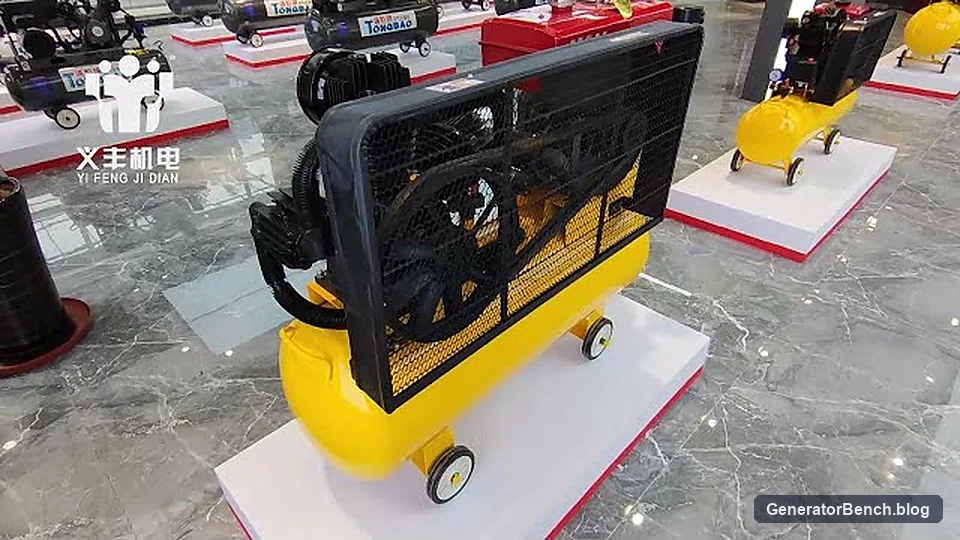
Quantifying diesel consumption requires precise tracking of runtime hours versus workload volume. Field operators must record fuel additions accurately to spot efficiency anomalies early.
Unloaded compressor operation wastes significant amounts of diesel fuel over time. Adjusting unloader valves correctly ensures the engine drops to a low idle during demand lulls.
Regularly calibrating pressure relief valves prevents over-pressurization and energy loss. Maintaining system integrity reduces unnecessary mechanical strain on the primary drive motor.
Using digital monitoring tools simplifies the process of tracking daily fuel expenditure rates. Utilizing our generator wattage sizing calculator ensures technicians properly match mechanical loads with actual engine output capacities.
Field technicians must regularly calibrate pressure transducers and gauges. Accurate instrumentation ensures the unloader valve engages at the correct threshold, preventing the engine from wasting fuel in unloaded idle states.
Monitoring compressor unload cycles reveals hidden efficiency losses. If a unit cycles too frequently without air demand, check for leaks in the blow-down valve or downstream piping to restore optimal fuel economy.
Adjusting engine throttle linkage improves part-load fuel performance. Modern electronic controllers allow operators to match engine RPM precisely to required pneumatic output, avoiding excess fuel burn during variable demand periods.
Tracking fuel burn per shift helps identify mechanical degradation early. A sudden deviation from established consumption charts signals internal compressor wear, slipping drive belts, or restricted intercooler air passages.
- Record runtime hours and fuel volumes daily.
- Adjust unloader valves for idle dropouts.
- Calibrate pressure relief valves routinely.
- Utilize digital monitoring for fleet tracking.
Optimizing Load Factor Performance
Balancing pneumatic tool demands with compressor capacity maximizes thermal efficiency. Operating machinery below optimal thresholds increases relative fuel consumption per unit of work.
Supervisors must schedule tool usage to avoid continuous partial-load conditions. Maintaining steady high-demand intervals promotes cleaner and more efficient diesel combustion.
- Avoid continuous partial-load operations.
- Schedule heavy pneumatic tasks efficiently.
- Match compressor size to tool requirements.
Environmental Impact and Exhaust Regulations
Industrial pneumatic machinery must comply with strict regional exhaust emission standards. Understanding local regulatory frameworks prevents costly fines and operational project delays.
Modern diesel particulate filters trap soot effectively during continuous load cycles. Technicians must allow active regeneration sequences to finish without abrupt engine shutdowns.
Reducing unnecessary engine idling lowers overall environmental footprints on sensitive job sites. Implementing automatic shutoff features conserves diesel and reduces local noise pollution.
Proper disposal of waste fluids protects surrounding soil and groundwater resources. Environmental compliance remains a core responsibility for all industrial equipment operators.
Tier 4 Final emissions standards require sophisticated exhaust aftertreatment technologies. Diesel oxidation catalysts and selective catalytic reduction systems add minor parasitic loads, marginally influencing overall fuel consumption rates.
Active diesel particulate filter regeneration burns additional fuel. Operators must understand that frequent regeneration cycles triggered by prolonged low-idle operation will significantly increase total daily fuel utilization.
Environmental compliance mandates proper disposal of compressor condensate. Oil-water separators prevent harmful hydrocarbons from entering local waterways, keeping job sites aligned with strict EPA regulatory frameworks.
Operating in restricted urban zones requires low-emission equipment configurations. Selecting modern variable-speed drive compressors minimizes noise pollution while lowering exhaust emissions through intelligent engine management.
- Comply with regional exhaust emission standards.
- Permit complete particulate filter regeneration.
- Install automatic shutdown timers for idling.
- Dispose of waste fluids according to local laws.
Managing Exhaust Aftertreatment Systems
Selective catalytic reduction systems require consistent diesel exhaust fluid replenishment. Neglecting fluid levels forces engines into derate modes, severely impacting pneumatic output.
Inspect exhaust sensors regularly for soot buildup and thermal damage. Maintaining clean electronic components ensures accurate emission control and reliable operation.
- Replenish exhaust fluid reservoirs consistently.
- Inspect sensors for soot accumulation daily.
- Prevent engine derates through timely service.
Video Walkthrough: Which portable air compressor delivers better fuel efficiency for drilling?
Maintenance Protocols for Lowering Burn Rates
Routine mechanical upkeep directly minimizes excessive diesel consumption across compressor fleets. Replacing clogged air filters restores proper airflow and improves internal combustion ratios.
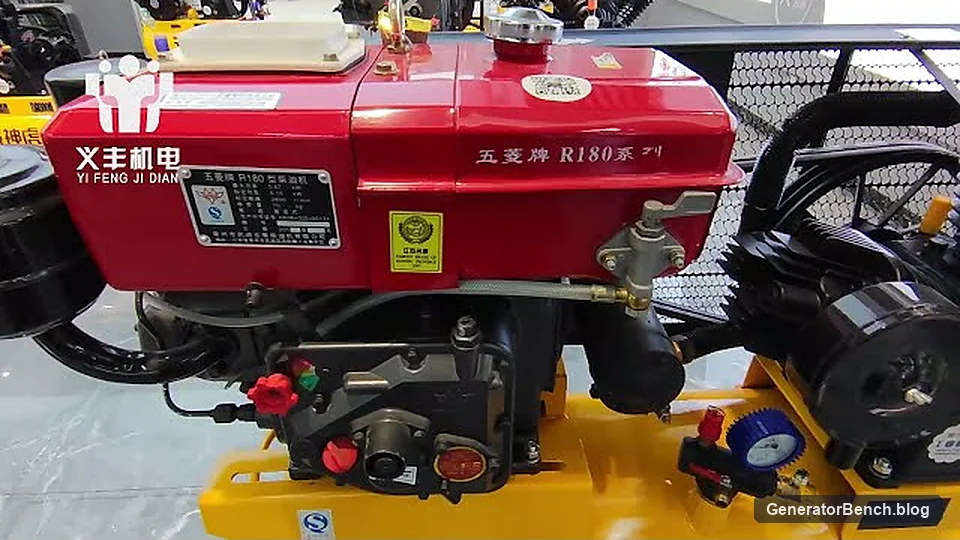
Worn fuel injector nozzles spray unevenly, wasting valuable diesel during high-pressure cycles. Scheduling ultrasonic cleaning or nozzle replacement maintains peak fuel atomization.
Checking drive belt tension prevents parasitic power losses on auxiliary cooling fans. Ensuring smooth mechanical rotation reduces unnecessary strain on the primary diesel engine.
Lubricating compressor screws and bearings lowers internal friction during continuous operation. Well-maintained machinery requires less mechanical torque to achieve target pneumatic pressures.
Routine air filter replacement directly preserves fuel efficiency. A choked intake filter starves the engine of oxygen, forcing the electronic control unit to dump extra fuel and ruin the air-fuel ratio.
Compressor oil viscosity directly impacts mechanical drag and friction. Using synthetic lubricants specified by the manufacturer reduces internal resistance, allowing the engine to rotate freely and save valuable diesel fuel.
Inspecting drive couplings and belts prevents power transfer losses. Slipping components force the engine to work harder to maintain target CFM output, driving up hourly fuel usage across extended operating shifts.
Cleaning cooler fins maintains proper thermal rejection capacity. When oil coolers are packed with jobsite debris, operating temperatures rise, decreasing air density and forcing higher fuel burn rates.
- Replace clogged air filters on schedule.
- Clean or replace worn fuel injectors.
- Verify proper drive belt tension daily.
- Lubricate bearings to reduce friction.
Cooling System Maintenance and Efficiency
Radiator core cleanliness dictates proper operating temperatures under heavy industrial loads. Clearing accumulated dust and debris prevents engine overheating and thermal efficiency losses.
Thermostat inspections ensure the engine reaches operating temperature quickly. Maintaining correct thermal ranges prevents the ECU from enriching fuel mixtures unnecessarily during extended runs.
- Clean radiator cores of dust and debris.
- Inspect thermostats for proper opening.
- Maintain correct engine operating temperatures.
Troubleshooting Excessive Consumption and Load Issues
Sudden spikes in diesel consumption indicate underlying mechanical or pneumatic system failures. Technicians should systematically inspect intake, exhaust, and compression circuits for anomalies.
Blocked intercoolers restrict airflow and force engines to work harder for output. Cleaning internal passages restores thermal transfer efficiency and lowers hourly fuel burn.
Internal compressor wear leads to volumetric efficiency drops and prolonged run times. Rebuilding air ends restores original performance parameters and corrects fuel deficits.
Diagnostic software helps isolate electronic control module calibration errors quickly. Addressing sensor discrepancies prevents persistent fuel delivery imbalances across the machinery.
Excessive fuel consumption often stems from unaddressed pneumatic leaks. Conducting a systematic pressure decay test helps locate faulty hoses, worn quick-disconnect fittings, and damaged seals wasting compressed air energy.
A sluggish compressor response indicates potential governor or actuator failure. Technicians must inspect linkage freedom and electrical control signals to ensure the machine responds correctly to fluctuating tool demands.
Smoky exhaust colors provide vital clues regarding fuel inefficiency. Black smoke points to restricted airflow, while blue smoke indicates oil consumption, both of which degrade engine performance and inflate operating costs.
Diagnostic software readings reveal hidden sensor faults affecting injection timing. Verifying rail pressure and boost sensor data ensures the engine control module delivers fuel precisely matching actual operating loads.
- Inspect systems upon sudden consumption spikes.
- Clean blocked intercoolers to restore airflow.
- Rebuild worn air ends to regain efficiency.
- Use diagnostic software for sensor errors.
Resolving Pneumatic Pressure Leaks
Undetected hose leaks force compressors to run continuously at maximum output. Conducting ultrasonic leak surveys across distribution lines saves substantial amounts of diesel fuel.
Replacing damaged quick-disconnect fittings eliminates chronic pressure drops immediately. Maintaining tight pneumatic seals ensures optimal system efficiency and reduced engine strain.
- Conduct ultrasonic surveys for air leaks.
- Replace damaged quick-disconnect fittings.
- Maintain tight seals across distribution lines.
Frequently Asked Questions
How does ambient temperature affect diesel compressor fuel consumption?
Cold weather increases air density and friction, requiring more energy to achieve target pressures. Operators must account for seasonal efficiency drops when calculating daily fuel burn.
What is the primary cause of sudden fuel consumption spikes?
Sudden spikes usually stem from downstream pneumatic leaks or restricted air filters. Inspecting the system for pressure losses quickly identifies the primary root cause.
How often should fuel storage tanks be checked for water?
Bulk fuel tanks require weekly condensation draining to prevent microbial contamination. Eliminating moisture protects fuel pumps and maintains optimal combustion quality.
Why does running a compressor unloaded waste diesel?
Unloaded running still consumes baseline fuel while producing zero pneumatic work. Adjusting unloader mechanisms to drop engine speed during lulls preserves valuable fuel reserves.
What maintenance task yields the greatest fuel savings?
Replacing restricted air filters and servicing dirty fuel injectors provide immediate savings. Maintaining clean airflow restores proper combustion ratios and lowers hourly burn rates.