Cummins Dg Diesel Consumption Chart Technical Manual
Technical operators need precise fuel metrics for backup power installations. This comprehensive guide details diesel generator load factors and consumption charts.

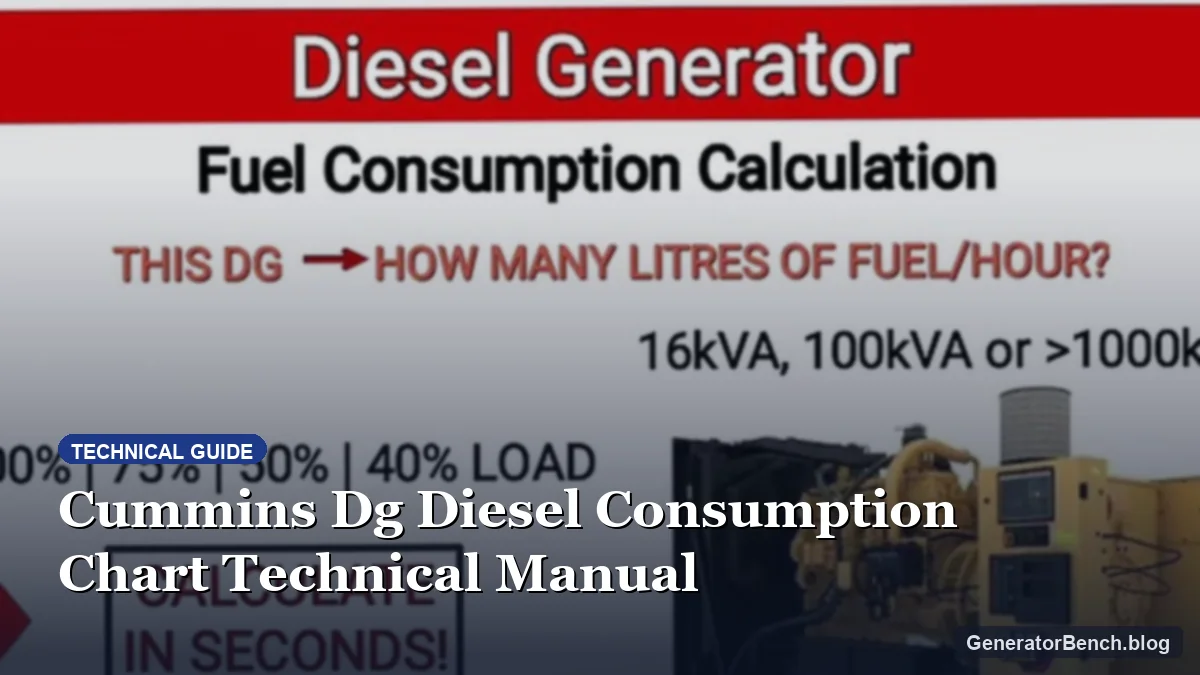
Accurately reading fuel consumption data prevents unexpected generator outages during critical operations. Fuel usage scales non-linearly with increasing electrical load percentages across industrial units.
Looking for matching picks? See our Best Diesel Generator.
Practical Quick-Reference Table
| Scenario / Metric | Recommended Target | Why It Matters |
|---|---|---|
| Base Electrical Load | 50 to 75 percent | Optimizes engine efficiency and prevents wet stacking. |
| Fuel Supply Tank | Minimum 24 hours | Ensures continuous runtime during extended grid failures. |
| Exhaust Backpressure | Under maximum limit | Maintains proper turbocharger performance and fuel burn. |
| Coolant Operating Temp | 85 to 95 degrees C | Prevents thermal stress and ensures optimal combustion. |
| Oil Pressure Level | 30 to 60 psi | Protects moving engine components from premature wear. |
| Filter Replacement | Every 250 hours | Prevents fuel starvation and particulate injector damage. |
Core Fundamentals of Diesel Generator Sizing
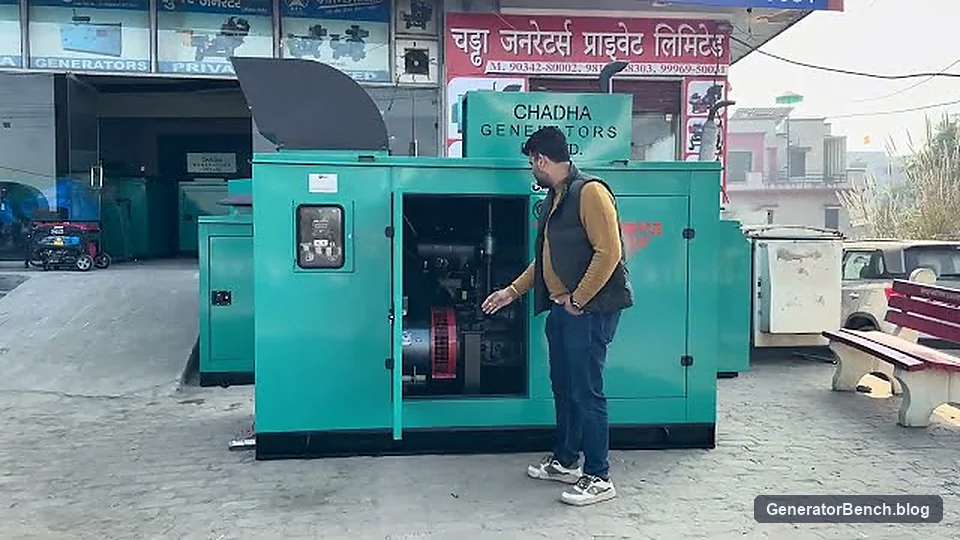
Understanding generator sizing requires analyzing total facility power demands under maximum operational stress. Accurate load calculations prevent under-fueling and engine stalling during unexpected utility power losses.
Engine displacement directly correlates with fuel consumption rates across various kilowatt output levels. Review our diesel generator vs gas generator comparison to evaluate fuel efficiencies before purchasing equipment.
Facility managers must evaluate starting surge currents for large inductive loads like electric motors. Inrush current spikes temporarily increase fuel delivery requirements within the combustion chambers.
Engine governors constantly adjust fuel rack positions to match instantaneous electrical demand fluctuations. Rapid load additions cause temporary spikes in hourly diesel consumption statistics.
- Calculate continuous and peak running wattage requirements carefully.
- Account for auxiliary equipment loads including battery chargers and pumps.
- Factor in site elevation and ambient temperature derating percentages.
- Verify fuel line sizing to prevent pressure drops during high draws.
Calculating Starting Amperage and Fuel Demands
Motors require significantly higher starting amperage than running amperage during initial startup phases. Transient load spikes force electronic control modules to inject extra diesel fuel instantly.
Operators must cross-reference manufacturer specification sheets to determine exact fuel consumption surges. Accurate metering data prevents unexpected fuel starvation during simultaneous motor startups.
- Identify all motor locked-rotor amperes on equipment nameplates.
- Stagger heavy equipment startups to minimize sudden fuel consumption spikes.
Interpreting Cummins Dg Diesel Consumption Chart Data
Reading technical consumption charts requires understanding specific fuel consumption values at distinct load intervals. Consult our best diesel generator selections to find units offering superior fuel efficiency ratings.
Standard consumption tables list fuel burn rates in gallons per hour for twenty-five percent intervals. Full load operations demand the highest volume of diesel per kilowatt-hour produced.
Partial load operations often reduce overall fuel efficiency and increase carbon buildup within exhaust manifolds. Running below fifty percent capacity invites severe engine maintenance complications over time.
Ambient air density and fuel heating values influence actual consumption figures on site. High altitude locations require compensation calculations against standard published chart metrics.
- Locate the specific generator model number before referencing data tables.
- Convert metric units to imperial measurements if operating within US facilities.
- Add safety margins to hourly consumption rates for emergency planning.
- Compare field logs against baseline chart metrics to detect anomalies.
Analyzing Percentage Load Increments
Consumption charts typically display performance data at twenty-five, fifty, seventy-five, and one hundred percent loads. Interpolating intermediate values allows technicians to estimate fuel burn for unique operational setups.
Fuel consumption does not scale in a linear fashion relative to electrical output percentages. Eighty percent loads often deliver the optimal balance of fuel efficiency and mechanical longevity.
- Examine seventy-five percent load columns for standard operating baselines.
- Note the sharp increase in fuel burn between seventy-five and full load.
Video Walkthrough: Diesel Generator fuel consumption | Diesel consumption of DG
Step-by-Step Setup and Calibration Procedures
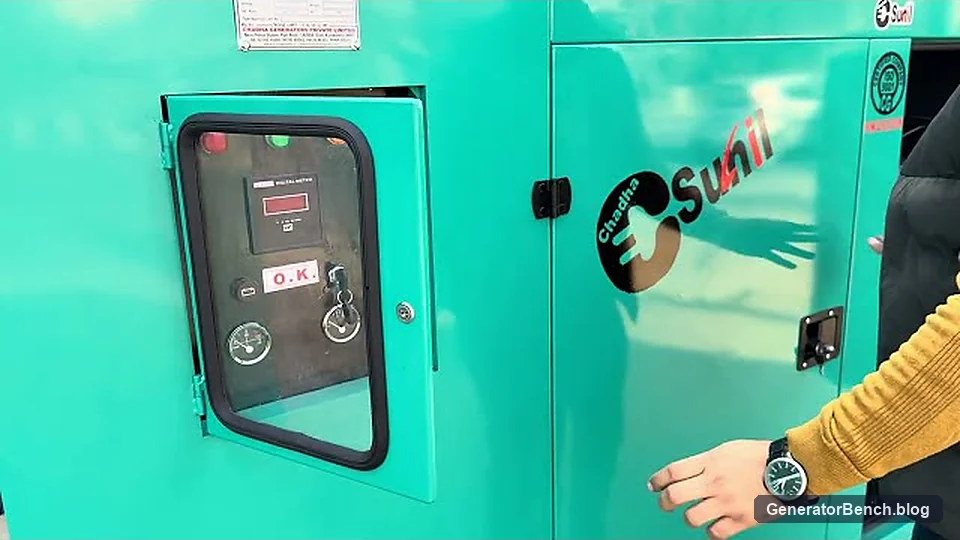
Proper generator setup begins with securing a stable, level foundation capable of supporting total weight. Use our generator wattage sizing calculator to determine exact power requirements before anchoring equipment.
Calibration of fuel flow meters ensures accurate real-time consumption monitoring during extended emergency runs. Digital flow sensors must interface correctly with the primary control panel.
Bleeding air from the fuel system is essential after conducting any routine maintenance tasks. Prime the fuel filters thoroughly to prevent injector pump damage during startup.
Verify all sensor wiring harnesses are securely fastened and free from potential abrasion hazards. Signal integrity checks prevent erroneous consumption reporting on digital displays.
- Inspect primary and secondary fuel filters for contamination prior to startup.
- Calibrate electronic fuel level senders to ensure accurate tank readings.
- Test emergency fuel shutoff valves for immediate mechanical response.
- Confirm fuel return line pressures remain within acceptable manufacturer limits.
Executing Fuel System Priming Protocols
Open the manual bleed valve located near the primary fuel water separator housing carefully. Operate the hand primer until a steady stream of diesel emerges without air bubbles.
Close the bleed valve securely and crank the engine while monitoring fuel rail pressure. Maintain cranking limits to prevent starter motor overheating during stubborn air purges.
- Use clean catchment containers to catch spilled diesel fuel safely.
- Check for leaks around all freshly tightened threaded fittings.
Load Profile Variations and Fuel Efficiency Impacts
Facility load profiles fluctuate continuously throughout daily operational cycles and seasonal changes. Variable load demands cause corresponding shifts in instantaneous diesel consumption rates.
Operating diesel generators under very light loads promotes incomplete combustion and unburned fuel accumulation. Wet stacking conditions degrade exhaust system components and reduce overall thermal efficiency.
Applying resistive load banks during routine testing restores combustion chamber temperatures effectively. High temperature operation burns off accumulated carbon deposits and restores fuel economy.
Power factor variations also influence the total amount of fuel required for generation. Low power factors increase apparent power demands and raise hourly fuel consumption.
- Monitor real-time power factor readings on the digital control interface.
- Schedule regular load bank tests to prevent chronic light load operation.
- Analyze daily load trend graphs to optimize facility energy consumption.
- Address reactive power issues by installing power factor correction capacitors.
Mitigating Wet Stacking Through Proper Loading
Lightly loaded diesel engines fail to reach ideal operating temperatures for complete fuel combustion. Unburnt fuel droplets travel into exhaust manifolds and mix with soot deposits.
Engineers must apply temporary load banks to force engines above seventy percent capacity regularly. Thermal purging cycles eliminate accumulated residue and protect internal cylinder walls.
- Run backup generators at high loads for at least one hour monthly.
- Observe exhaust stack clarity during heavy load testing phases.
Common Operational Mistakes and Troubleshooting Guides
Ignoring scheduled filter replacements leads to restricted fuel flow and sudden engine shutdowns. Clogged fuel filters force injection pumps to work harder, increasing wear.
Using contaminated or degraded diesel fuel damages precision fuel injectors and internal pumps. Water in fuel causes rapid corrosion and catastrophic high-pressure pump failure.
Failing to monitor bulk storage tank quality invites biological growth and microbial contamination issues. Microbial slime production clogs primary filtration systems during extended grid outages.
Misinterpreting fuel consumption chart data leads to severe underestimation of required reserve capacity. Inadequate fuel reserves cause facility blackouts during prolonged emergency weather events.
- Drain water separators daily to prevent moisture intrusion into injectors.
- Test stored diesel fuel quality quarterly for microbial contamination.
- Keep detailed maintenance logs documenting all filter change intervals.
- Investigate sudden increases in hourly fuel consumption immediately.
Diagnosing Sudden Fuel Consumption Spikes
A sudden increase in fuel consumption without added electrical load indicates mechanical issues. Internal fuel leaks or dragging bearings often cause these unexpected efficiency drops.
Inspect fuel return lines for restrictions that elevate rail pressures and boost burn rates. Faulty injector nozzles can also dump excess diesel directly into cylinders.
- Check engine exhaust temperature differentials across individual cylinders.
- Inspect high-pressure fuel lines for external weeping or leaks.
Preventive Maintenance and Safety Standards
Adhering to strict preventive maintenance schedules guarantees reliable performance over decades. Explore our diesel generator vs propane generator guide to evaluate different fuel storage safety requirements thoroughly.
Safety protocols require complete electrical isolation before servicing fuel delivery system components. Lockout tagout procedures protect technicians from accidental equipment startup and injury.
Storing emergency diesel fuel demands compliance with local environmental and fire safety regulations. Secondary containment basins prevent spilled fuel from contaminating local groundwater supplies.
Regularly testing safety shutdown mechanisms prevents catastrophic engine failures during critical emergencies. Low oil pressure trips protect internal components from total destruction.
- Wear appropriate personal protective equipment when handling diesel fuel.
- Ensure fire extinguishers rated for flammable liquids remain nearby.
- Inspect fuel storage tank venting systems for obstruction or blockages.
- Dispose of used filters and contaminated fluids according to regulations.
Maintaining Secondary Fuel Containment Systems
Environmental standards mandate robust secondary containment to catch accidental fuel storage breaches. Drain rainwater accumulation from containment basins regularly to maintain available capacity.
Inspect containment walls for structural cracks, corrosion, or seal degradation annually. Integrity testing ensures compliance with environmental protection agency guidelines.
- Check oil-water separators connected to containment drain valves.
- Keep spill kits fully stocked adjacent to bulk fuel storage tanks.
Advanced Diagnostics and System Optimization
Advanced diagnostic tools allow technicians to monitor combustion efficiency and fuel delivery accuracy. Electronic control modules log historical consumption data for predictive maintenance analysis.
Optimizing turbocharger performance ensures proper air-fuel ratios across fluctuating load profiles. Correct boost pressures maximize thermal efficiency and minimize unnecessary diesel waste.
Analyzing exhaust gas temperatures helps fine-tune fuel injection timing for peak performance. Precise timing adjustments reduce harmful emissions and lower overall fuel consumption.
Integrating generator telemetry with facility management systems streamlines remote fuel inventory tracking. Automated delivery alerts prevent unexpected fuel runouts during emergencies.
- Download electronic control module logs during every routine service.
- Monitor turbocharger boost pressures under varying electrical loads.
- Verify injector spray patterns during scheduled top-end overhauls.
- Calibrate exhaust gas temperature sensors for accurate diagnostic reads.
Leveraging Telemetry for Predictive Fuel Management
Modern monitoring systems transmit real-time fuel levels and burn rates to remote dashboards. Cellular telemetry gateways provide instant alerts when fuel reserves drop below thresholds.
Historical data analysis reveals consumption trends during specific seasonal weather events. Predictive burn modeling improves fuel replenishment logistics during prolonged grid outages.
- Test remote telemetry alarm transmissions during monthly inspections.
- Establish automated reorder triggers with local diesel fuel suppliers.
Frequently Asked Questions
How do I calculate fuel consumption from a chart?
Locate your generator kilowatt rating and match it against the specific load percentage column. Multiply the listed hourly rate by your expected runtime hours.
Why does low load operation increase diesel fuel issues?
Running below fifty capacity prevents complete fuel combustion inside the cylinders. Unburnt diesel accumulates as wet stack residue, degrading exhaust components.
How often should diesel generator fuel filters be replaced?
Primary and secondary filters require replacement every two hundred fifty operating hours. Preventative filter changes protect fuel injection pumps from particulate damage.
What causes unexpected spikes in diesel consumption rates?
Internal fuel leaks or dragging mechanical components force the engine to work harder. Faulty injector nozzles can also dump excess diesel directly.
How is secondary fuel containment maintained properly?
Inspect containment walls annually for structural cracks and clear out accumulated rainwater. Routine visual checks ensure compliance with environmental spill prevention regulations.