Briggs And Stratton Generator Not Starting Diagnostics
Diagnostic procedures for resolving no-start conditions on small engines. Follow proper safety protocols during all electrical and mechanical tests.

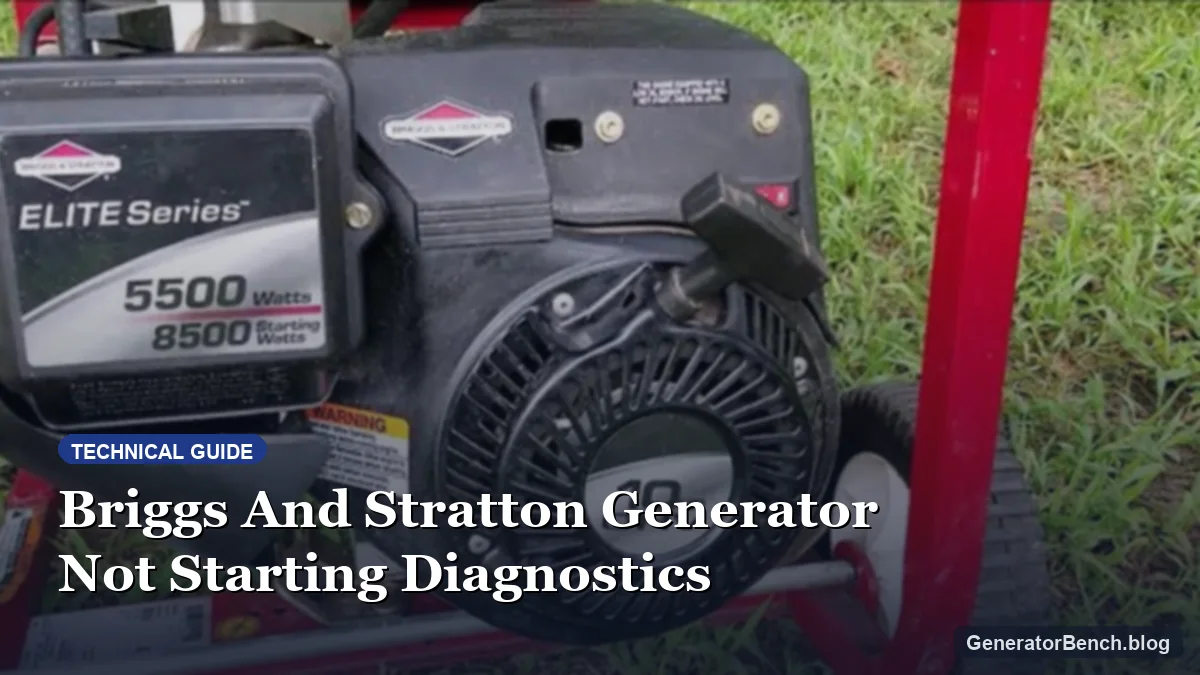
Check fuel quality and ignition spark first when a generator fails to start. Systematically isolate fuel, air, spark, and compression issues to restore reliable operation.
Looking for matching picks? See our Best Briggs And Stratton Generator.
Practical Quick-Reference Table
| Scenario / Metric | Recommended Target | Why It Matters |
|---|---|---|
| Fuel Age Limit | Under 30 Days | Prevents varnish and clogged jets. |
| Spark Plug Gap | 0.30 inches | Ensures a strong, consistent electrical spark. |
| Compression PSI | Minimum 90 PSI | Confirms internal engine sealing and ring health. |
| Battery Voltage | 12.6 Volts DC | Provides adequate cranking power for electric start. |
| Valve Clearance | 0.004 to 0.006 in | Allows proper combustion chamber sealing. |
| Choke Setting | Full Closed (Cold) | Enriches air-fuel mixture for initial startup. |
Fuel Delivery Evaluation and Carburetor Cleaning
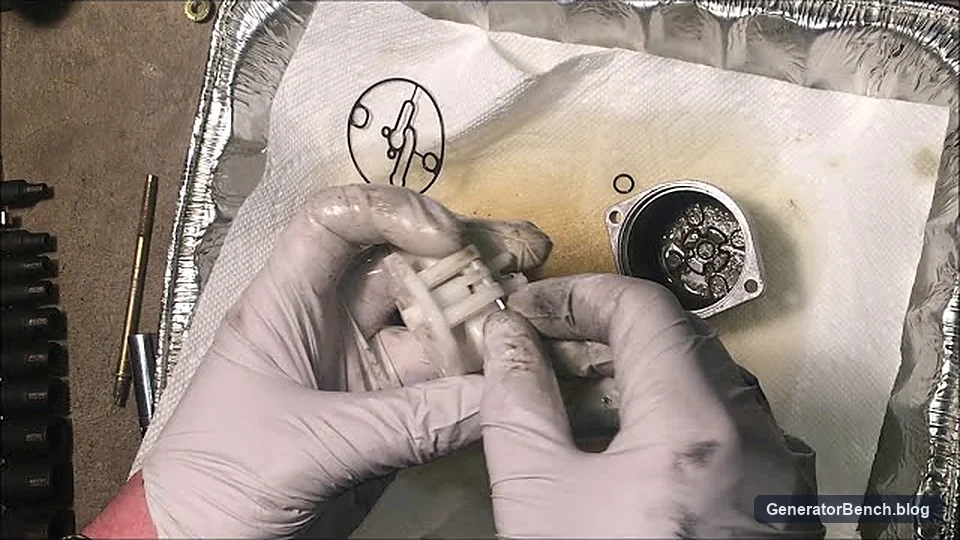
Stale gasoline is the leading cause when a briggs and stratton generator not starting condition occurs. Varnish deposits block tiny carburetor passages over time, making our best briggs and stratton generator guide useful for replacements.
Drain the float bowl completely using the designated drain screw. Inspect the recovered fuel for water contamination, dark coloration, or a distinct sour odor.
Remove the carburetor bowl and clean the main jet using a specialized wire cleaner. Ensure all microscopic orifices remain entirely open before reassembly.
Verify that the fuel shut-off valve opens fully and allows proper gravity flow. Blocked fuel lines restrict necessary delivery to the carburetor inlet needle valve.
- Use fresh unleaded fuel rated at 87 octane minimum.
- Add a stabilizing agent to prevent ethanol phase separation.
- Replace cracked or brittle rubber fuel lines immediately.
- Ensure the fuel tank vent is open during engine cranking.
Clearing Stubborn Carburetor Jets
Stubborn blockages require chemical solvent immersion and compressed air clearing. Wear safety glasses to protect your eyes from aerosolized cleaning agents.
Reinstall all components carefully, replacing worn gaskets to prevent vacuum leaks. A compromised gasket disrupts the proper air-fuel ratio needed for starting.
- Soak metal parts in approved carburetor cleaner.
- Blow out internal passages with filtered compressed air.
Ignition System Troubleshooting and Spark Testing
An absent electrical spark will immediately prevent combustion. Inspect the spark plug for heavy carbon fouling or a bridged gap, similar to issues noted in our briggs and stratton 6500 generator review.
Disconnect the spark plug wire and test for continuity using a multimeter. Replace damaged ignition leads to restore reliable high-voltage transfer.
Perform a spark test by grounding the threaded portion against the cylinder block. Crank the engine while observing the gap for a bright blue spark.
A weak yellowish spark indicates a failing ignition coil or improper air gap. Adjust the armature air gap according to manufacturer specifications.
- Inspect the spark plug boot for internal corrosion or cracks.
- Set the plug gap accurately using a wire feeler gauge.
- Keep fingers clear of the terminal during manual crank tests.
- Replace fouled plugs with the correct thermal rating.
Armature Air Gap Adjustment
Loosen the ignition coil mounting bolts slightly to allow movement. Insert a non-magnetic feeler gauge between the flywheel and coil laminations.
Tighten the mounting fasteners securely while holding the precise spacing. Rotate the flywheel manually to verify it clears the coil without binding.
- Standard air gap measures roughly 0.010 inches.
- Torque coil mounting bolts to factory specifications.
Video Walkthrough: Fix a Briggs and Stratton generator that won't start.
Compression Testing and Cylinder Health Checks
Low internal cylinder compression stops combustion despite having fuel and spark. This problem is rarely seen in units tested inside our briggs and stratton q6500 inverter generator review. Thread a mechanical compression gauge securely into the spark plug hole.
Pull the recoil starter vigorously several times with the throttle wide open. Record the maximum pressure reading displayed on the mechanical dial.
Readings dropping below the minimum threshold indicate stuck piston rings. Inspect the cylinder wall through the spark plug port for scoring.
A worn cylinder bore requires professional rebuilding or component replacement. Ensure proper lubrication reaches the piston skirts during seasonal storage.
- Ensure the decompression mechanism functions normally.
- Check cylinder head bolts for proper torque specifications.
- Inspect the head gasket for signs of combustion gas leaks.
- Lubricate internal cylinder walls with clean engine oil.
Evaluating Valve Seating and Clearance
Tight intake or exhaust valves prevent the combustion chamber from sealing. Remove the valve cover to inspect the rocker arm assemblies.
Measure valve clearance using a flat feeler gauge on a cold engine. Adjust the rocker arm adjusting nuts to achieve proper clearance.
- Set piston to top dead center on the compression stroke.
- Verify both valves remain fully closed during measurement.
Electrical Starting Circuit and Battery Diagnostics
Electric start models rely heavily on a healthy 12-volt battery source, which also ensures your unit can handle loads calculated via our generator wattage sizing calculator. Test the resting battery voltage using a digital multimeter set to DC.
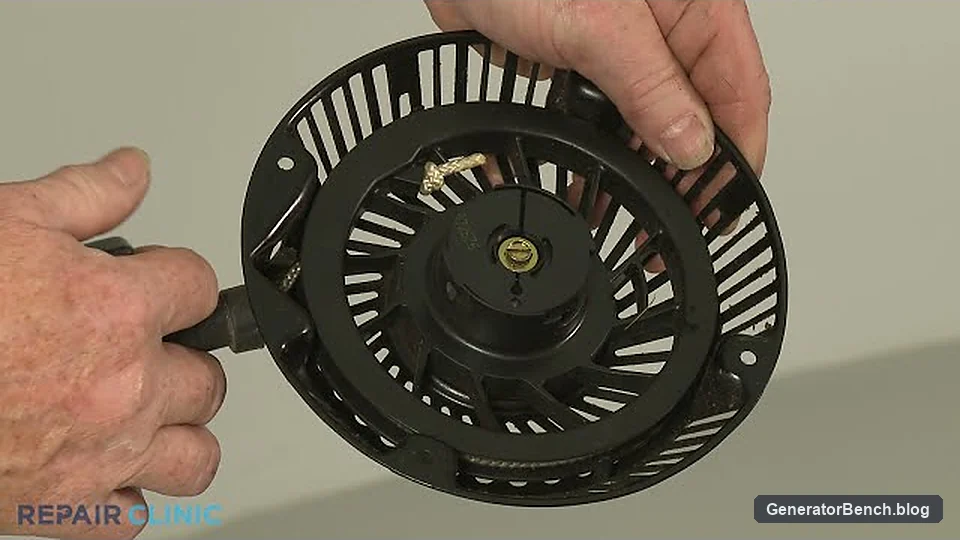
Corroded battery terminals create high resistance and prevent starter engagement. Clean all cable connection points thoroughly with a wire brush.
Listen for a distinct clicking sound from the starter solenoid. A clicking noise usually indicates low battery voltage or a stuck plunger.
Bypass the solenoid temporarily using a heavy jumper cable for testing. Replace faulty starter motors that fail to rotate the engine flywheel.
- Keep batteries fully charged during extended storage periods.
- Apply dielectric grease to battery terminals after cleaning.
- Inspect main system fuses for continuity and proper rating.
- Ensure starter gear engages the flywheel ring gear smoothly.
Testing the Starter Solenoid
Check for voltage drop across the heavy solenoid terminals during cranking. A large voltage drop signifies internal contact pitting and failure.
Replace the starter solenoid if voltage fails to pass through cleanly. Always disconnect the battery negative terminal before servicing electrical parts.
- Use insulated tools to prevent accidental short circuits.
- Verify control circuit voltage from the start switch.
Air Intake Obstructions and Choke Operation
Restricted airflow prevents the engine from drawing a proper fuel charge. Inspect the foam or paper air filter element for heavy dirt accumulation.
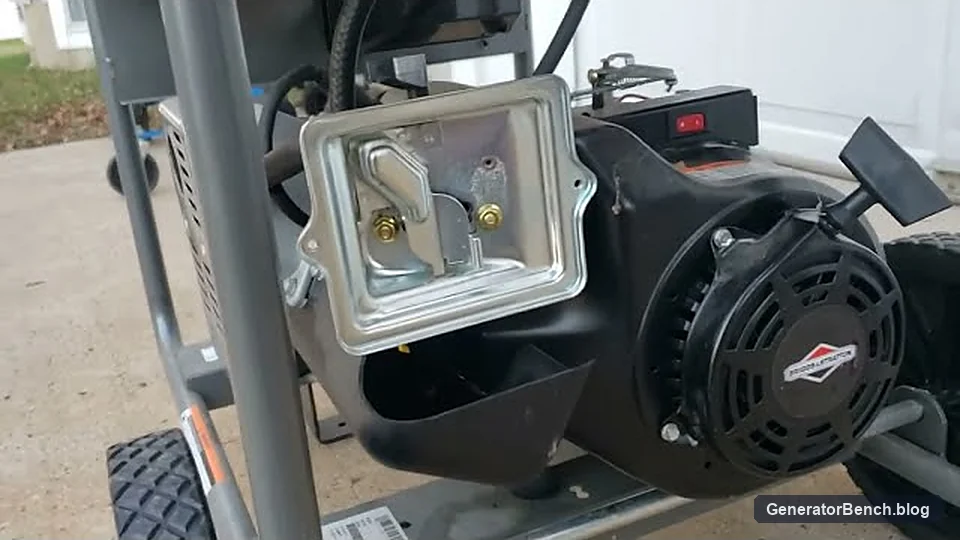
Wash foam filters in warm soapy water, dry them, and re-oil lightly. Replace heavily soiled paper air filters to restore unrestricted breathing.
Verify that the manual or automatic choke plate closes completely. A stuck choke linkage starves the combustion chamber of a rich starting mixture.
Inspect the intake manifold mounting bolts for looseness or air leaks. Unmetered air disrupts the delicate air-fuel ratio required for ignition.
- Clean foam air filters every 100 hours of operation.
- Check choke control cables for binding or stretching.
- Ensure the air filter housing seals tightly against dust.
- Remove rodent nests or debris from intake screening.
Inspecting Choke Linkage Mechanics
Move the choke lever manually to feel for smooth mechanical travel. Lubricate pivot points with a dry graphite spray to prevent sticking.
Ensure the thermostat spring on automatic chokes reacts to heat. Replace damaged bimetallic springs that fail to open the choke.
- Verify linkage rods attach securely to the carburetor lever.
- Clear any gummy residue interfering with blade movement.
Video Walkthrough: Storm Responder Generator Not Starting Briggs Stratton Engine Generator Worked Last Year 😑
Safety Protocols and Environmental Storage Factors
Prioritize personal safety by disconnecting spark plug leads before maintenance. Perform all diagnostic checks in well-ventilated outdoor environments away from flames.
Store portable generators in dry locations to prevent electrical moisture damage. Moisture corrosion inside the alternator windings causes low output voltage.
Drain all fuel systems before placing equipment into long-term seasonal storage. Treating remaining fuel prevents gum formation in sensitive carburetor passages.
Inspect exhaust mufflers and spark arresters for carbon buildup regularly. A blocked spark arrester increases backpressure and stops the engine.
- Never run combustion engines inside enclosed residential spaces.
- Keep a certified chemical fire extinguisher nearby during testing.
- Allow hot exhaust components to cool before touching them.
- Use heavy-duty lifting techniques when moving heavy generator frames.
Preparing for Long-Term Seasonal Storage
Add a quality fuel stabilizer to a full tank of fresh gas. Run the engine for ten minutes to circulate treated fuel thoroughly.
Shut off the fuel valve and let the engine run until dry. Fog the internal cylinder with storage oil to prevent metal corrosion.
- Disconnect the battery negative cable to prevent discharge.
- Cover the generator with a breathable protective canvas.
Frequently Asked Questions
Why does my engine crank but refuse to catch?
A cranking engine usually lacks proper fuel delivery or ignition spark. Check for stale gasoline in the float bowl and verify spark plug functionality.
How often should I replace the spark plug?
Replace small engine spark plugs annually or every one hundred operating hours. Inspect the electrode gap regularly to maintain strong electrical sparks.
What causes sudden engine stalling under load?
Sudden stalling typically results from restricted fuel flow or a dirty air filter. Clean the carburetor main jet and ensure unrestricted airflow through the intake.
Can old fuel ruin my carburetor?
Yes, degrading gasoline leaves sticky varnish deposits inside tiny jets. Always use fresh fuel and drain the bowl before long-term seasonal storage.
How do I test for proper cylinder compression?
Thread a mechanical pressure gauge into the spark plug hole firmly. Pull the recoil starter briskly and look for a minimum reading of ninety pounds.