Standby Generator vs. Backup Generator: Which Fits Your Setup Better?
Navigating emergency home power requires understanding heavy permanent systems versus flexible portable units. Choosing the correct platform ensures uninterrupted electricity during critical grid failures.

For whole-home automation, the standby generator wins decisively. If you need budget-friendly site flexibility, a backup generator provides superior value.
Compare all top models in our Best Home Emergency Generator.
Side-by-Side Breakdown
| Criteria | Standby Generator | Backup Generator | Edge |
|---|---|---|---|
| Peak Performance & Output | 10kW to 26kW+ continuous | 3kW to 12kW portable | Standby Generator |
| Duty Cycle & Consistency | Designed for multi-day runtime | Limited by portable fuel tanks | Standby Generator |
| Operating Noise & Vibration | Enclosed acoustic dampening | Exposed engine vibration | Standby Generator |
| Portability & Footprint | Permanent concrete pad mount | Wheeled frame mobility | Backup Generator |
| Maintenance & Service Life | Automatic weekly self-diagnostics | Manual upkeep and storage | Standby Generator |
| Power Requirements | Hardwired automatic transfer switch | Manual cord connection setup | Standby Generator |
| Best Ideal Use-Case | Unattended automatic outage response | Job sites and recreational use | Split Application |
Understanding Core Architectural Differences
Permanent standby units integrate directly into your electrical panel via an automatic transfer switch. They monitor utility voltage continuously and react instantly when blackouts occur.
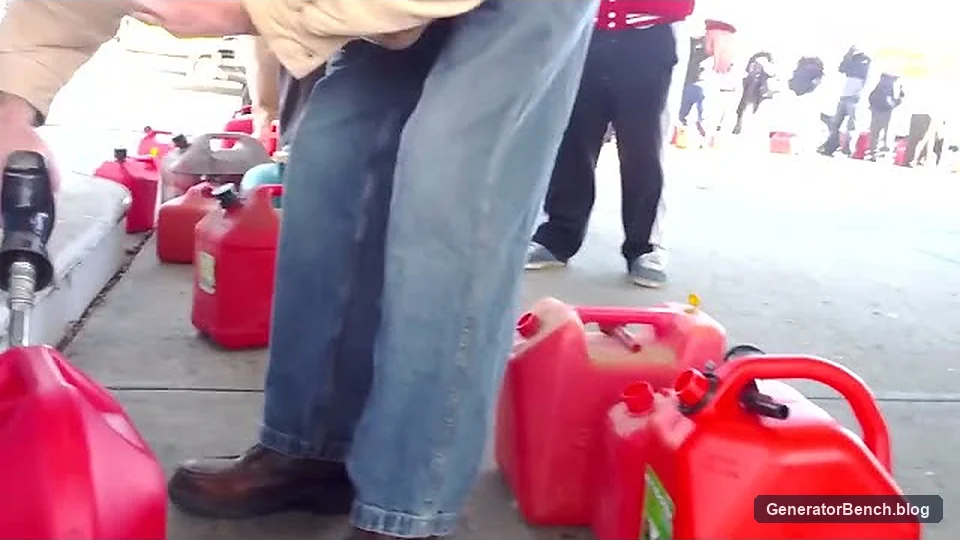
Conversely, backup units rely on manual deployment, requiring users to roll them outdoors, connect fuel hoses, and manually plug in heavy extension cords.
Choosing our best standby generator for home backup guide helps homeowners evaluate permanent units featuring heavy-duty industrial blocks and weatherproof aluminum enclosures designed for seamless residential integration.
Engineering differences extend to cooling mechanics, where permanent models employ large internal automotive-grade radiators, whereas portables depend entirely on forced-air cooling paths driven by the engine flywheel during extended operations.
- Standby units feature permanent hardwired integration.
- Backup generators demand manual user setup.
- Automatic transfer switches eliminate manual intervention.
Installation Engineering Realities
Installing a permanent system involves pouring concrete pads, trenching gas lines, and obtaining strict municipal electrical permits. Professional contractors must execute these complex integration steps safely.
Portable backup models bypass permanent installation burdens entirely, allowing immediate deployment straight from your garage without specialized engineering approvals or inspections.
- Permanent systems require dedicated concrete pads.
- Portables need zero permanent site modifications.
Power Capacity and Electrical Load Management
Modern standby generators produce massive electrical outputs ranging from fourteen to twenty-six kilowatts easily. This capacity supports simultaneous central air conditioning and kitchen appliances.
Browsing our best generator for home backup power list reveals how portable backup units typically cap out near ten kilowatts, forcing homeowners to prioritize essential circuits carefully to avoid overloads.
Standby generators routinely deliver 20kW to 150kW of continuous power, seamlessly managing heavy central HVAC systems via digital load-shedding modules that prevent overloads during simultaneous high-draw appliance startups.
Portable backup alternatives typically max out near 10kW, forcing homeowners to manually rotate circuit breakers or prioritize essential loads like refrigerators and sump pumps to avoid triggering sudden thermal shutdowns.
- Standby units easily power entire residential households.
- Portables require careful manual circuit load balancing.
Surge Wattage Handling Capabilities
Electric motor startup demands significant initial surge wattage from your generator. Standby alternators handle heavy compressor loads effortlessly due to robust internal copper winding designs.
Smaller backup units can struggle with heavy inductive loads, potentially tripping thermal breakers unless equipped with specialized low-harmonic inverter modules.
- Robust windings manage heavy compressor surges.
- Portables risk tripping breakers under heavy loads.
Fuel Delivery Systems and Runtime Endurance
Permanently installed systems connect directly to municipal natural gas or large liquid propane tanks. This unlimited fuel supply eliminates manual refueling during prolonged weather emergencies.
Portable alternatives rely on gasoline, diesel, or small propane cylinders. Users must store extra fuel safely and brave hazardous weather conditions for manual refueling tasks.
Permanent generators connect directly to municipal natural gas lines or large buried propane tanks, ensuring unlimited runtime without requiring manual refueling during multi-day grid disruptions caused by severe weather events.
Portable units rely on onboard gasoline tanks providing roughly 8 to 12 hours of runtime at half load, demanding hazardous fuel handling and safe storage procedures during prolonged emergencies.
- Natural gas lines provide continuous, unlimited runtime.
- Portables require manual, weather-exposed refueling cycles.
Fuel Stability and Storage Logistics
Gasoline degrades rapidly inside portable fuel tanks, gumming up carburetors if left untreated. Standby units avoid this by utilizing clean-burning gaseous fuels exclusively.
Maintaining portable fuel inventory demands strict adherence to chemical safety standards and regular stabilizer treatments to ensure reliable emergency starts.
- Gaseous fuels eliminate carburetor varnish issues.
- Gasoline storage requires chemical stabilization additives.
Automation and Unattended Outage Response
Automatic transfer switches detect power grid failures within seconds, commanding the standby engine to crank and assume the electrical load seamlessly without human presence.
When you travel frequently, an automated system protects your home from frozen pipes and spoiled food while you are miles away from the property.
Equipped with intelligent automatic transfer switches, standby systems detect grid failure within 10 seconds, initiating self-start sequences and restoring household power while residents are completely away from home.
Consulting our best backup generator for house guide shows that portable options lack automated control loops, requiring manual pull-starting, cable deployment, and physical breaker flipping before electronics receive power.
- Automatic transfer switches react within seconds.
- Remote homeowners benefit from completely unattended operation.
Self-Diagnostic Exercise Routines
Standby generators feature programmed weekly self-test cycles that exercise the engine, lubricate internal components, and verify battery health automatically.
Portable units require manual pull-starts or electric button tests every month to ensure the battery and carburetor remain functional during actual emergencies.
- Weekly self-tests ensure absolute emergency readiness.
- Portables depend on disciplined manual user testing.
Acoustic Profiles and Neighborhood Compliance
Weatherproof acoustic enclosures reduce standby operating noise to acceptable decibel levels, typically measuring around sixty decibels at normal residential property distances.
Open-frame portable generators generate significant mechanical noise and exhaust vibration, often exceeding seventy-five decibels and causing friction with close neighbors.
Enclosed standby generators feature advanced sound-attenuation baffling that limits operating noise to 60 to 66 decibels at a standard seven-meter distance, easily complying with strict municipal nighttime ordinances.
Open-frame portable units frequently generate 72 to 78 decibels under load, creating disruptive sonic environments that can violate local noise codes and strain relationships with close residential neighbors.
- Acoustic enclosures minimize neighborhood noise disruption.
- Open-frame portables create loud mechanical vibration.
Local Zoning and Placement Restrictions
Municipal building codes enforce strict property line setback rules for permanent standby generator placements to mitigate exhaust and noise pollution concerns.
Portable units offer flexible placement options during emergencies, allowing you to position the machine safely away from windows and fresh air intakes.
- Standby units must adhere to strict property setbacks.
- Portables allow tactical placement during active storms.
Long-Term Maintenance and Engine Longevity
Liquid-cooled standby engines spin at lower revolutions per minute, delivering extended operational lifespans exceeding three thousand hours with proper routine maintenance.
Air-cooled portable engines run at higher speeds and face harsher environmental exposure, resulting in shorter overall service lifespans under heavy emergency use.
Standby engines typically operate at a slower 1,800 RPM for liquid-cooled models, translating into exceptional service lifespans exceeding 3,000 hours when subjected to routine biannual maintenance schedules.
High-speed portables usually spin at 3,600 RPM using air-cooled mechanisms, resulting in accelerated thermal degradation and shorter overall operating lifespans that demand frequent oil changes every 100 hours.
- Lower RPM liquid-cooled engines last significantly longer.
- Air-cooled portables experience faster thermal wear.
Servicing Schedules and Component Wear
Professional technicians typically handle comprehensive annual servicing for standby systems, changing synthetic oil, spark plugs, and air filters on schedule.
Portable owners must perform their own oil changes and filter replacements frequently, especially after running continuously through multi-day weather outages.
- Professional technicians service permanent standby systems.
- Portable owners manage DIY maintenance intervals.
Upfront Investment Versus Long-Term Value
According to our best portable generator for home backup roundup, purchasing a permanent whole-home system requires a substantial financial commitment, but it adds measurable equity and security.
Portable units provide an accessible entry point for emergency power, keeping initial acquisition costs low while satisfying basic household safety requirements.
Purchasing a permanent standby system requires significant capital layout for concrete pads, gas plumbing, and electrical integration, but yields a substantial property value increase upon eventual home resale.
Portable backup solutions offer immediate financial relief and mobility, though their cumulative long-term value diminishes due to replacement cycles, fuel degradation, and ongoing manual intervention requirements.
- Permanent systems increase overall residential property equity.
- Portable generators offer budget-friendly emergency preparedness.
Return on Investment Analysis
When severe weather strikes unpredictably, avoiding spoiled groceries and frozen plumbing repairs quickly offsets the higher initial cost of automated standby protection.
Homeowners on strict budgets find that portable units deliver exceptional emergency utility without locking up capital in permanent infrastructure installations.
- Automated protection prevents costly household damage.
- Portables maximize utility relative to initial spending.
Frequently Asked Questions
Can a portable backup generator run my entire home like a standby unit?
Most portable units lack the wattage output required for whole-house loads. Manual power management is essential to avoid tripping breakers.
Do permanent standby generators require professional installation services?
Yes, complex electrical wiring and gas line connections demand certified technicians. Municipal building permits and inspections are legally required.
How often should I test my emergency generator during normal weather?
Standby units run automated weekly self-tests without user intervention. Manual backup units require monthly test starts to ensure reliability.
What fuel type offers the best long-term reliability for emergency power?
Natural gas connected to municipal utility lines provides unlimited runtime. Gaseous fuels eliminate the degradation issues associated with stored gasoline.
Are portable generators safe to operate inside an enclosed garage or shed?
Never run portable generators indoors due to fatal carbon monoxide buildup. Always operate these machines outdoors with exhausts pointing away.