Solar Power vs. Natural Gas Generator: Which Fits Your Setup Better?
Choosing between photovoltaic arrays and fossil-fuel generation demands a strict technical evaluation. This guide analyzes thermodynamic efficiency, duty cycles, and real-world infrastructure constraints.


For continuous heavy loads and grid independence, Natural Gas Generators win outright. For silent, emissions-free auxiliary power and renewable charging, Solar Power Systems dominate.
Compare all top models in our Best Home Emergency Generator.
Side-by-Side Breakdown
| Criteria | Solar Power | Natural Gas Generator | Edge |
|---|---|---|---|
| Peak Performance & Output | Limited by inverter surge limits and storage capacity | High continuous output tied to engine displacement | Natural Gas Generator |
| Duty Cycle & Consistency | Intermittent generation dependent on weather patterns | Continuous 24/7 runtime via utility gas lines | Natural Gas Generator |
| Operating Noise & Vibration | Completely silent operation with zero moving parts | Moderate mechanical noise around 60 to 75 decibels | Solar Power |
| Portability & Footprint | Scalable modular panels with heavy battery banks | Fixed permanent installation requiring concrete pads | Solar Power |
| Maintenance & Service Life | Minimal upkeep with solid-state inverter electronics | Regular mechanical servicing, oil changes, and spark plugs | Solar Power |
| Power Requirements | Dependent on sunlight hours and ambient temperature | Reliant on pressurized municipal gas utility feeds | Natural Gas Generator |
| Best Ideal Use-Case | Eco-friendly emergency backup and off-grid living | Whole-home standby power during extended outages | Natural Gas Generator |
Thermodynamic Fundamentals and Electricity Production
Photovoltaic systems convert photon energy directly into direct current electricity through semiconductor junctions. Modern monocrystalline panels achieve a silicon conversion efficiency approaching twenty-two percent under standard test conditions.
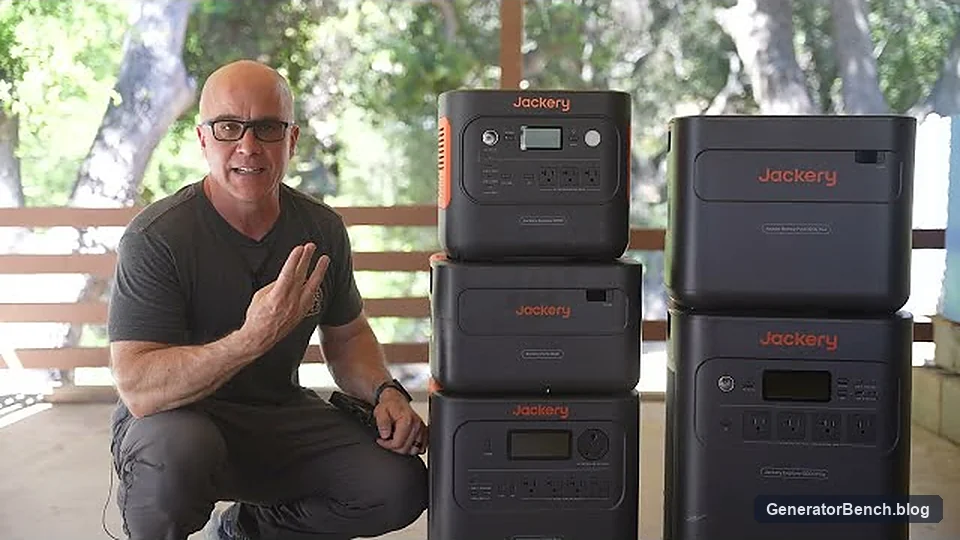
Natural gas internal combustion engines rely on chemical energy conversion. Units like the best natural gas generator for whole house convert fuel combustion into rotational kinetic energy, driving an alternator.
Comparing these two production methods highlights a fundamental engineering trade-off. Solar relies on environmental variables, whereas combustion engines rely on chemical fuel availability and mechanical reliability.
Solar photovoltaic systems convert ambient photon energy directly into direct current electricity using semiconductor materials, bypassing mechanical moving parts completely to achieve solid-state conversion without thermal losses associated with combustion.
Conversely, natural gas generators rely on internal combustion engines driven by thermal expansion, converting chemical bonds into mechanical rotation before an alternator generates alternating current electricity subject to Carnot cycle efficiency limits.
Understanding these fundamental operational physics dictates how each system handles transient electrical loads, peak surge demands, and baseline power delivery during prolonged grid outages or severe weather events across residential utility profiles.
- Direct photoelectric conversion bypasses mechanical friction losses entirely.
- Combustion engines generate immense thermal energy alongside electrical output.
- Inverter synchronization bridges the gap between DC solar and AC home grids.
Thermal Energy Management in Generation Systems
Solar panels experience voltage drops as operating temperatures rise above standard ratings. Effective thermal management and passive airflow behind panel arrays maintain optimal electrical conductivity during peak summer afternoons.
Combustion generators produce massive waste heat that requires forced-air or liquid cooling loops. Managing this thermal load prevents catastrophic engine warping and ensures extended mechanical life under heavy continuous electrical loads.
- High ambient temperatures degrade photovoltaic output efficiency rapidly.
- Exhaust gas temperatures demand robust manifold insulation and clearance.
Grid Integration, Architecture, and Urban Planning
Integrating photovoltaic arrays into residential architecture requires careful roof structural engineering and load calculations. Building-integrated photovoltaics seamlessly blend renewable energy harvesting directly into modern urban housing developments without aesthetic compromises.
Natural gas backup systems demand dedicated exterior spatial clearance and proper utility hookups. Selecting a reliable best natural gas standby generator ensures you can safely manage gas line pressure and structural placement.
Grid synchronization standards govern how both systems interact with local utility infrastructure. Advanced smart inverters regulate voltage fluctuations to ensure safe bidirectional power flow during grid failures.
Integrating rooftop solar arrays requires careful structural load calculations and utility interconnection agreements, ensuring that bidirectional meters properly credit excess generation while maintaining anti-islanding protections for lineman safety standards.
Natural gas standby generators demand precise municipal gas line sizing, dedicated exterior concrete pads, and strict adherence to NFPA clearance codes regarding combustible building openings and exhaust gas ventilation.
Urban planners must evaluate zoning restrictions, HOA bylaws, and acoustic emission thresholds when positioning either technology, balancing neighborhood noise ordinances against continuous energy resilience needs during extended utility failures.
- Rooftop solar arrays demand rigorous wind-load engineering and secure mounting.
- Gas generators require strict adherence to local fire codes and setback distances.
- Smart grid protocols dictate automated transfer switch activation speeds.
Microgrid Deployment and Energy Storage Methods
Advanced lithium iron phosphate battery banks store excess daytime solar generation for nighttime consumption. These modular storage systems utilize intelligent battery management to maximize cycle life and prevent thermal runaway events.
Natural gas generators eliminate the need for massive chemical battery storage by generating electricity on demand. They provide uninterrupted power indefinitely as long as the municipal gas supply remains pressurized and active.
- Lithium battery chemistry offers high energy density and fast discharge rates.
- Fuel-based generation removes the capacity limitations of static battery banks.
Environmental Effects and Sustainability Metrics
Solar power produces zero direct greenhouse gas emissions during daily operation. Evaluating options like our best solar power generator for home reveals that manufacturing silicon wafers creates the primary ecological footprint.
Natural gas combustion releases carbon dioxide, nitrogen oxides, and trace particulates into the atmosphere. Although cleaner than diesel or gasoline, gas generators still contribute to carbon emissions during extended emergency runtime periods.
Lifecycle carbon assessments reveal that solar offsets its manufacturing footprint within a few years of operation. Combustion generators carry an ongoing environmental cost tied directly to fuel consumption rates.
Photovoltaic energy systems eliminate operational greenhouse gas emissions completely, though their lifecycle carbon footprint encompasses silicon refining, panel manufacturing, and chemical recycling challenges inherent to renewable energy hardware.
Natural gas combustion produces significantly fewer particulate pollutants than diesel or gasoline, yet it still emits carbon dioxide and trace methane leaks throughout upstream extraction and pipeline distribution networks.
Evaluating overall environmental impact requires assessing energy payback times, battery storage degradation chemistry, and the local grid emission intensity offset by utilizing clean generation sources.
- Photovoltaic systems operate completely silently without disturbing local wildlife habitats.
- Fossil fuel generators produce exhaust fumes requiring careful outdoor placement.
- End-of-life recycling programs for solar panels and batteries continue to evolve rapidly.
Agricultural and Horticultural Applications
Agrivoltaics combine crop cultivation with elevated solar panel installations to optimize land use efficiency. This dual-use architecture provides shade for sensitive crops while generating valuable agricultural electricity for farm operations.
Gas generators provide vital backup power for remote agricultural irrigation pumps and livestock ventilation systems. Their ability to run continuously ensures crop survival during severe weather utility blackouts.
- Elevated solar arrays protect delicate plants from excessive heat stress.
- Gas engines deliver immediate heavy surge currents for large irrigation pumps.
Comparing Initial Investments, Setup Logistics, and Financial Returns
Initial capital investment for photovoltaic arrays involves significant upfront equipment expenses. Choosing a best portable solar power generator helps reduce these costs while yielding a predictable long-term financial return over decades.
Natural gas generators feature lower initial equipment costs but carry ongoing utility connection and fuel expenses. Their economic viability depends heavily on local gas tariffs and frequency of emergency use.
Maintenance economics also diverge sharply between the two technologies. Solar systems require occasional surface washing, whereas mechanical generators demand scheduled oil, filter, and spark plug replacements.
Solar installations demand high upfront capital expenditures for panels, inverters, and lithium storage, offset gradually through federal tax incentives, net metering credits, and reduced monthly utility bills.
Standby natural gas generators require lower initial equipment outlays but incur ongoing fuel consumption costs, routine mechanical maintenance, and periodic replacement of oil filters, spark plugs, and starter batteries.
Financial modeling must factor in equipment depreciation timelines, projected utility rate inflation, and the probability of prolonged outages to determine true long-term value for property owners.
- Solar arrays offer predictable energy generation costs locked in for decades.
- Gas generators incur recurring fuel bills whenever operational testing occurs.
- Solid-state electronics in solar setups minimize unexpected mechanical failure expenses.
Reliability Metrics Under Extreme Weather Scenarios
Extended winter storms with heavy snowfall can temporarily cripple photovoltaic generation capacity. Homeowners must rely on previously charged battery reserves or secondary backup sources during prolonged low-light blizzards.
Natural gas infrastructure can occasionally fail during major regional seismic events or widespread utility freezing. Nevertheless, buried gas lines generally offer superior resilience against severe surface winds compared to overhead power lines.
- Snow accumulation on solar glass severely restricts daily energy harvest.
- Buried gas utility lines resist high-wind storm damage effectively.
Frequently Asked Questions
Can a solar system run heavy central air conditioning?
Yes, provided the inverter features a high surge rating and sufficient battery capacity. Modern multi-kilowatt systems easily handle heavy motor startup loads without dropping voltage.
Do natural gas generators require a dedicated fuel line?
Yes, they require a high-flow plumbing connection sized correctly for maximum fuel demand. Undersized gas pipes cause fuel starvation and severe engine power loss under load.
How long do photovoltaic solar panels typically last?
Most quality panels maintain a production warranty of twenty-five to thirty years. Their power output degrades very slowly, retaining over eighty percent efficiency at retirement.
Are natural gas generators loud during operation?
Enclosed standby models produce moderate noise levels comparable to a normal conversation. Sound enclosures keep operational noise around sixty to sixty-five decibels at normal distances.
What happens to solar generation during a complete grid blackout?
Grid-tied solar systems automatically shut down for safety unless paired with a battery backup. This anti-islanding feature prevents accidental electrocution of utility line repair workers.