Solar Generator vs. Fuel Generator: Which Fits Your Setup Better?
Solar generators offer silent, emission-free electricity via photovoltaic panels and lithium batteries, while fuel combustion units deliver continuous, high-wattage power using gasoline, propane, or diesel fuels.

Choose solar generators for quiet, maintenance-free indoor or low-draw backup, but rely on fuel generators for heavy-duty, continuous job-site operations and multi-day grid outages.
Compare all top models in our Best Home Emergency Generator.
Side-by-Side Breakdown
| Criteria | Solar Generator | Fuel Generator | Edge |
|---|---|---|---|
| Peak Performance & Output | 1,000W to 3,000W continuous | 3,000W to 10,000W+ continuous | Fuel Generator |
| Duty Cycle & Consistency | Weather and storage limited | Continuous until fuel depletion | Fuel Generator |
| Operating Noise & Vibration | Silent operation (<30 dB) | Loud operation (60 to 75 dB) | Solar Generator |
| Portability & Footprint | Modular panels and heavy battery | Heavy engine block and fuel tank | Solar Generator |
| Maintenance & Service Life | Zero engine maintenance, long cycle life | Regular oil, filter, and plug service | Solar Generator |
| Power Requirements | Limited by inverter surge capacity | High surge capacity for motor loads | Fuel Generator |
| Best Ideal Use-Case | Indoor emergency, camping, RV living | Job sites, off-grid cabins, storms | Tie (Workload dependent) |
Core Photovoltaic Technologies vs. Combustion Engines
Modern solar generators convert sunlight into usable electricity using silicon photovoltaic cells, storing captured energy inside advanced lithium iron phosphate battery banks for reliable nighttime or emergency power usage.
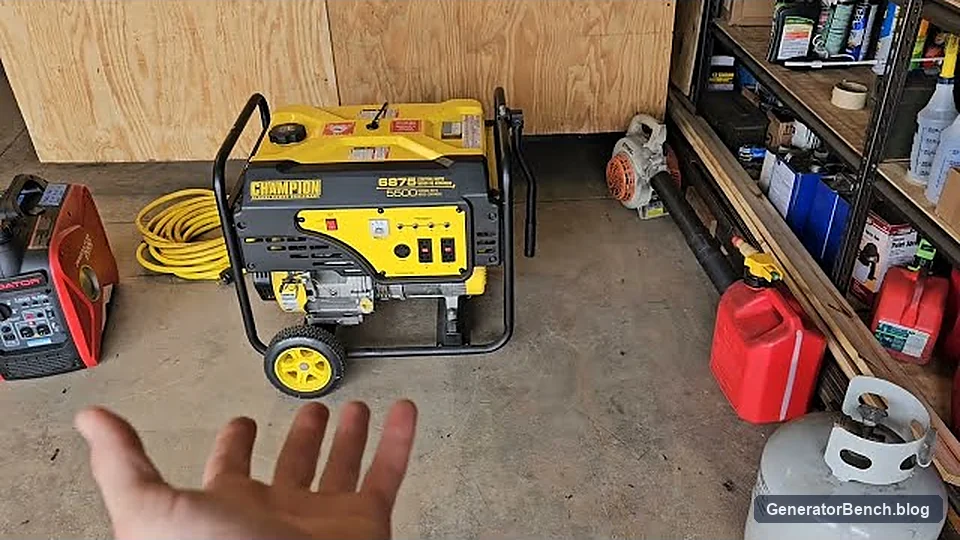
Conversely, traditional fuel generators rely on internal combustion engines running on gasoline, diesel, or propane to spin an alternator, instantly generating raw alternating current electricity for heavy electrical loads.
Understanding these foundational mechanical differences helps technicians evaluate which power source aligns best with specific environmental constraints, load profiles, and operational duration requirements in the field.
Photovoltaic panels convert photons directly into direct current via semiconductor silicon wafers, whereas internal combustion engines rely on explosive chemical reactions to drive pistons, converting thermal energy into rotational mechanical force.
Monocrystalline solar modules routinely achieve conversion efficiencies exceeding 21 percent under optimal irradiance, while portable gasoline inverter generators typically operate at mechanical-to-electrical conversion efficiencies hovering near twenty to thirty percent overall.
Engineers evaluate these systems using total harmonic distortion metrics for AC output alongside volumetric energy density, noting that fossil-fueled alternators deliver high continuous power surges while solar arrays require expansive surface areas.
- Photovoltaic panels capture renewable sunlight without moving parts.
- Combustion engines convert chemical fuel energy into rotational force.
- Inverter electronics condition battery power into stable household electricity.
Conversion Efficiency and Power Delivery
Standard monocrystalline solar panels achieve roughly twenty-two percent efficiency, converting a fraction of sunlight into electrical current while fuel generators boast much higher instantaneous energy density metrics.
Engine-driven alternators instantly respond to sudden inductive load surges from heavy motor-driven appliances, whereas solar inverter systems face strict output ceilings dictated by internal continuous wattage limits.
- Solar panels require unobstructed sunlight exposure angles.
- Generators deliver steady voltage regardless of external weather conditions.
Energy Storage and Grid Integration Mechanics
Selecting the best solar power generator for home use ensures integrated battery management systems regulate charging voltages safely while distributing stored power through high-efficiency inverters.
Grid integration capabilities allow advanced solar power stations to supplement home energy usage seamlessly, functioning as bidirectional backup hubs during unexpected utility failures or brownout conditions.
Fuel generators operate independently of grid infrastructure entirely, requiring no battery storage buffers since they generate electricity on demand directly from combustible liquid or gaseous fuel sources.
Solar generators rely heavily on lithium iron phosphate chemistry to store captured electrons, offering deep discharge cycles exceeding 3000 sessions before experiencing significant capacity degradation below eighty percent of original manufacturer ratings.
Transfer switches and smart inverter modules manage grid synchronization, ensuring that solar storage systems can seamlessly isolate household loads during blackouts without triggering dangerous backfeed into local utility distribution lines.
Conversely, traditional fuel generators lack native chemical storage, demanding uninterrupted liquid fuel supplies and manual pull-cord or electric starter engagement to match fluctuating electrical demands across inductive and resistive loads.
- Battery management systems protect lithium cells from overcharging.
- Inverters transform stored DC electricity into clean AC power.
- Fuel units bypass electrical storage entirely for immediate output.
Managing Storage Capacity Limits
Battery capacity determines total runtime for solar generators, meaning operators must carefully monitor wattage consumption to prevent unexpected power loss before the next daylight charging cycle begins.
Fuel generators eliminate storage anxiety by utilizing readily available liquid fuel reserves, allowing operators to refuel instantly within seconds and maintain uninterrupted power output indefinitely.
- Solar runtimes depend entirely on battery amp-hour ratings.
- Fuel supply is the only bottleneck for combustion generators.
Environmental Impact and Urban Architecture
Deploying solar generators eliminates carbon monoxide emissions, toxic exhaust fumes, and loud acoustic signatures, making them ideal for enclosed residential spaces, apartments, and quiet natural campsites.
Urban architecture increasingly integrates building-applied photovoltaics to feed portable storage units quietly, reducing reliance on fossil fuels during routine maintenance or localized utility distribution failures.
Traditional fuel generators produce significant noise pollution and exhaust emissions, restricting their usage to well-ventilated outdoor environments located far away from living quarters and sleeping areas.
Finding the best solar generator for camping or urban deployment ensures zero direct carbon emissions and near-silent acoustic footprints, making units ideal for apartment balconies and noise-restricted residential zones.
Combustion engines emit carbon monoxide, nitrogen oxides, and fine particulate matter, requiring strict outdoor placement guidelines and minimum clearance distances from windows to prevent fatal exhaust gas accumulation inside enclosed living spaces.
Architectural integration of photovoltaic panels involves calculating wind load resistance, roof dead weight capacities, and optimal tilt angles to maximize annual energy harvest without compromising building envelope integrity.
- Solar units produce zero direct emissions or exhaust gases.
- Combustion generators require strict outdoor placement for safety.
- Acoustic shielding helps reduce loud engine decibel levels.
Noise Regulations and Residential Suitability
Operating silent solar equipment complies with all municipal noise ordinances, allowing nighttime operation without disturbing neighbors or violating local residential decibel thresholds during emergencies.
Loud combustion engines often exceed seventy decibels under heavy loads, creating friction in dense suburban neighborhoods and rendering them illegal for overnight use in many campgrounds.
- Solar generators operate silently under thirty decibels.
- Fuel generators require muffler maintenance to control noise.
Thermal Management and Electricity Production
Solar generation systems require passive cooling fins and intelligent fans to dissipate heat from high-wattage inverters, ensuring peak operational performance during intense summer heatwaves and direct sunlight.
Thermal energy dissipation is equally critical for fuel generators, where internal combustion temperatures demand robust forced-air or liquid cooling jackets to prevent catastrophic engine seizure under load.
Both systems rely on effective heat management to maximize equipment service life, though solar generators feature fewer moving parts susceptible to thermal fatigue and mechanical wear over time.
High ambient temperatures severely degrade photovoltaic panel efficiency, introducing a negative temperature coefficient that reduces power output as silicon wafer temperatures rise above standard test conditions of twenty-five degrees Celsius.
Conversely, internal combustion generators rely on forced-air cooling fans or liquid coolant loops to dissipate massive thermal loads generated by continuous fuel combustion inside the heavy cast-iron engine cylinder blocks.
Thermal management failures in inverter electronics lead to automatic thermal throttling or catastrophic shutdown, necessitating robust aluminum heat sinks and active cooling channels to maintain safe semiconductor junction thresholds.
- Inverters use internal fans to prevent thermal throttling.
- Combustion engines rely on oil lubrication and airflow cooling.
- Excess heat reduces overall electrical conversion efficiency.
Extreme Weather Operational Constraints
Freezing winter temperatures can significantly degrade lithium battery charging efficiency in solar setups, requiring integrated heating pads to maintain safe electrolyte temperatures during sub-zero weather events.
Fuel generators struggle with cold weather starting thick oil weights, though propane-fueled variants handle sub-zero environments much better than conventional gasoline engines during severe winter storms.
- Lithium batteries require internal heating during freezing weather.
- Gasoline engines need fresh fuel and clean spark plugs.
Agricultural Applications and Remote Deployment
Agricultural operators utilize portable solar setups to power remote electric fencing, water pumps, and livestock monitoring equipment in distant pastures far away from existing electrical grid lines.
Remote deployment of fuel generators on farms provides heavy-duty power for large irrigation pivots, welding repairs, and commercial-grade machinery that exceeds standard solar inverter capacity limits.
Evaluating farm energy demands helps agronomists balance renewable daytime solar collection against the robust, round-the-clock reliability of fuel-powered industrial generator systems.
Remote agricultural installations frequently deploy our best solar electric generator models on tracking trailers to power electric fences, irrigation telemetry, and automated well pumps without requiring costly utility line extensions.
Fuel generators remain indispensable during extended wet seasons or heavy overcast conditions where solar irradiance drops below critical thresholds, ensuring continuous operation of heavy-duty grain dryers and automated feeding equipment.
Field technicians operating in remote terrain must weigh the logistical burden of transporting heavy liquid fuels against the weight limits of portable battery storage units and rigid solar panel arrays.
- Solar pumps provide autonomous livestock watering solutions.
- Diesel generators handle heavy agricultural motor loads easily.
- Remote job sites benefit from multi-day fuel availability.
Off-Grid Remote Infrastructure Support
Off-grid cabins often combine solar arrays with backup fuel generators to create hybrid power systems that guarantee electricity through extended periods of heavy cloud cover.
Hybrid setups leverage silent solar power during daily routines while automatically initiating backup combustion engines only when battery reserves drop below critical safety thresholds.
- Hybrid systems combine the best traits of both technologies.
- Automatic transfer switches manage backup generator ignition.
Maintenance Protocols and Service Life Expectancy
Solar generators demand minimal maintenance, requiring only occasional panel surface cleaning and firmware updates for the internal battery management system to ensure optimal charging performance.
Fuel generators require rigorous, scheduled maintenance including oil changes, air filter replacements, spark plug inspections, and fuel stabilizer treatments to prevent carburetor gumming during storage.
Long-term service life heavily favors solar battery stations, which deliver thousands of discharge cycles before capacity degrades, whereas combustion engines eventually require costly mechanical rebuilds.
Maintaining any best portable solar power generator unit is largely passive, requiring periodic glass cleaning to remove dust along with firmware updates to optimize maximum power point tracking.
Internal combustion generators demand rigorous, scheduled servicing every fifty to one hundred operational hours, including carburetor cleaning, spark plug replacements, and strict oil viscosity changes to prevent premature mechanical wear.
Service life expectancies differ radically; quality lithium battery banks easily last ten years of regular cycling, whereas standard small-displacement utility engines typically require major overhauls after two thousand running hours.
- Solar units need simple panel washing and firmware checks.
- Combustion engines require regular oil and filter changes.
- Lithium batteries offer thousands of long-term charge cycles.
Long-Term Cost of Ownership Realities
Initial investments in solar generators are offset by zero recurring fuel costs and minimal maintenance requirements over their multi-year operational lifespans in residential settings.
Fuel generators involve ongoing operational expenditures for gasoline, oil, and replacement parts, making fuel availability and ongoing supply chain costs critical factors for long-term planning.
- Solar systems eliminate ongoing fuel purchase expenses.
- Fuel units demand continuous spending on consumables.
Frequently Asked Questions
Can a solar generator run a household refrigerator during an extended power outage?
Yes, mid-to-large solar generators easily power standard refrigerators for several hours or days when paired with adequate photovoltaic charging panels to replenish daily battery consumption.
How long do lithium batteries inside modern solar generators typically last before replacement?
Most quality lithium iron phosphate solar generators deliver two to four thousand cycles before retaining roughly eighty percent of their original factory storage capacity.
Why do fuel generators remain superior for heavy-duty construction job sites?
Fuel generators deliver massive surge wattages and continuous power output, easily handling high-amperage motor loads from heavy power tools without tripping internal overload protection limits.
What maintenance does a gasoline generator require during long storage periods?
Operators must drain the carburetor, add fuel stabilizer to the tank, and change the engine oil to prevent varnish buildup and internal corrosion.
Is it safe to operate a solar generator inside an enclosed residential living room?
Yes, because they produce zero toxic exhaust emissions and operate silently, solar generators are completely safe for indoor emergency use during severe weather events.