Regular vs. Inverter Generator: Which Fits Your Setup Better?
Choosing a regular generator versus an inverter unit requires balancing raw output capacity against clean electrical stability. Understanding core alternator mechanics helps optimize your backup power setup.

Choose regular generators for heavy job sites requiring maximum surge capacity, but select inverter generators for sensitive electronics, recreational camping, and quiet residential backup applications.
Compare all top models in our Best Home Emergency Generator.
Side-by-Side Breakdown
| Criteria | Regular | Inverter Generator | Edge |
|---|---|---|---|
| Peak Performance & Output | High surge wattage | Moderate surge capacity | Regular |
| Duty Cycle & Consistency | Fixed RPM operation | Variable throttle control | Inverter Generator |
| Operating Noise & Vibration | Loud mechanical hum | Acoustically insulated | Inverter Generator |
| Portability & Footprint | Heavy steel frames | Compact enclosed cases | Inverter Generator |
| Maintenance & Service Life | Simple rugged architecture | Complex microchip boards | Regular |
| Power Requirements | Standard tool demands | Clean pure sine wave | Inverter Generator |
| Best Ideal Use-Case | Remote construction sites | Home backup and camping | Inverter Generator |
Core Architectural and Alternator Engineering Differences
Conventional generators spin an alternator directly at a fixed three thousand six hundred RPM to maintain standard alternating current frequency. This mechanical rigidity guarantees heavy surge capacity but introduces severe mechanical strain during fluctuating electrical loads.
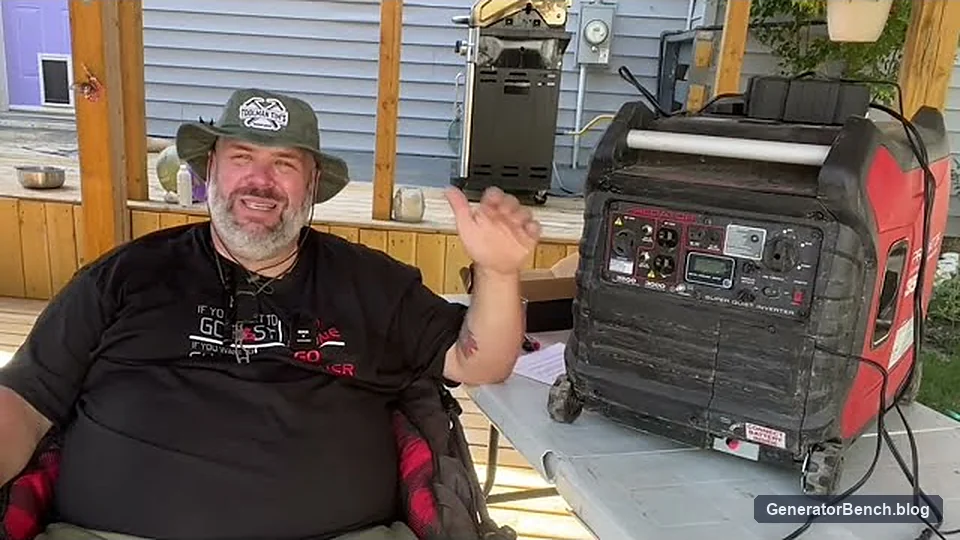
Inverter units generate high-frequency alternating current rectified into direct current before an onboard microchip creates pure sine wave output. Exploring top models inside our best power inverter generator review clarifies these complex electrical conversions.
Engineers design standard alternators for raw inductive load handling while modern inverters prioritize digital frequency synthesis. Understanding these fundamental mechanical divergences prevents costly equipment damage across various deployment environments and workload types.
- Fixed-speed alternator design maximizes heavy surge output capabilities.
- Variable-speed inverter core optimizes fuel burn efficiency under partial loads.
- Multi-stage rectification ensures stable frequency regulation for delicate electronics.
Direct-Drive Mechanics and Windings
Conventional systems rely on simple brushes and copper windings coupled straight to the crankshaft. This direct connection delivers reliable startup watts for heavy motor loads without complex electronic interference risks.
Mechanical simplicity reduces upfront manufacturing costs but limits operational flexibility across mixed-load environments. Technicians appreciate the straightforward troubleshooting pathways inherent in standard brushless or brushed alternator designs.
- Straightforward copper winding configuration minimizes internal heat buildup.
- Brushless designs reduce long-term wear points in dusty environments.
Microchip-Driven Power Synthesis
Inverter architecture routes raw electrical generation through sophisticated pulse-width modulation modules. These microprocessors clean up electrical waves to deliver exceptionally low total harmonic distortion profiles.
Advanced digital control boards continuously monitor output parameters to adjust throttle responses instantly. Such precision safeguards microprocessors, medical devices, and modern home appliances against erratic voltage spikes.
- Pulse-width modulation guarantees stable voltage regulation under stress.
- Digital processing protects sensitive microchip loads from harm.
Power Quality, Harmonic Distortion, and Safety Standards
Power quality dictates whether sensitive appliances can run safely without suffering internal component degradation. High total harmonic distortion levels in conventional generators can overheat laptop power supplies and refrigerator compressor motors.
Inverter technology consistently maintains total harmonic distortion below three percent, matching pristine utility standards. Choosing options from our best portable inverter generator catalog guarantees safe power delivery for sensitive electronics and medical devices.
Rigorous testing protocols evaluate voltage sag recovery times and frequency stability under sudden load application. Traditional units recover frequency through sheer mechanical momentum, whereas inverters adjust throttle and digital pulses simultaneously.
- Low harmonic distortion prevents premature motor and transformer overheating.
- Pure sine wave output mirrors standard household wall electrical sockets.
- Strict safety margins protect modern digital appliances from erratic surges.
Total Harmonic Distortion Metrics
Electrical engineers measure distortion to quantify wave purity deviations from an ideal sine wave. Regular generators often exhibit higher distortion percentages, especially when operating under erratic or unbalanced electrical loads.
Keeping distortion minimal ensures that connected inductive loads operate smoothly without humming or vibrating excessively. This protects sensitive internal control boards found in modern furnaces and washing machines.
- Harmonic distortion percentages dictate overall appliance compatibility.
- Clean waves reduce thermal stress on delicate electronic circuits.
Protecting Sensitive Modern Electronics
Connecting unprotected digital gear to a dirty power source risks frying internal power supplies instantly. Inverter generators eliminate this hazard by filtering electricity through sophisticated solid-state semiconductor bridges.
Field technicians always recommend dedicated inverter units for powering communications gear during emergency responses. Clean power prevents unexpected reboots and data corruption on critical computer systems.
- Solid-state filtering prevents catastrophic power supply failures.
- Reliable backup performance ensures uninterrupted digital communications.
Fuel Efficiency, Engine Speeds, and Load-Sensing Technology
Conventional generators run constantly at maximum RPM regardless of whether you plug in a single lamp. This constant high-speed operation burns substantial fuel and accelerates mechanical wear across piston rings and valve trains.
Inverter generators feature smart throttle systems that scale engine speed up or down based on current demand. When electrical load drops, the engine drops to an idle, dramatically lowering hourly fuel consumption.
Efficiency gains become particularly noticeable during extended multi-day power outages where fuel conservation is critical. Smart load-sensing modules optimize combustion efficiency without sacrificing momentary surge headroom when starting heavy appliances.
- Smart throttle control reduces fuel consumption during light-load operations.
- Variable engine speeds minimize unnecessary mechanical wear over time.
- Extended run times per gallon ease logistics during prolonged grid failures.
Smart Throttle and Eco-Mode Operations
Eco-mode settings instruct the onboard computer to throttle down the engine whenever heavy loads disconnect. This acoustic and thermal relief extends overall engine lifespan significantly during intermittent usage patterns.
Engaging heavy appliances causes the system to ramp up engine speed smoothly within milliseconds. This seamless transition prevents brownouts and maintains stable voltage parameters across all active outlet circuits.
- Eco-mode settings lower acoustic output during partial load phases.
- Rapid throttle response prevents voltage drops during load spikes.
Fuel Burn Rates Across Mixed Workloads
Calculating fuel burn per kilowatt-hour highlights the distinct economic advantages of variable-speed generators. Regular generators burn fuel predictably fast because their crankshafts maintain a rigid, unyielding rotational speed.
Inverter models adapt their volumetric efficiency curve to match actual power requirements. Selecting equipment featured in our best home backup inverter generator list translates into lower operating costs during seasonal emergencies.
- Predictable fuel consumption characterizes fixed-speed traditional units.
- Adaptive burn curves lower long-term operational expenditures.
Noise Outputs, Acoustic Enclosures, and Site Ergonomics
Operating noise remains a primary differentiator when deploying backup power in residential neighborhoods or campsites. Regular generators produce loud mechanical rattle and exhaust pulses, often exceeding seventy-five decibels at twenty feet.
Inverter generators utilize fully enclosed, sound-dampened housings lined with high-density acoustic insulation foam. These specialized enclosures baffle exhaust notes and mechanical vibrations, reducing operational noise to comfortable conversational levels.
Site ergonomics improve dramatically when you can converse normally next to a running power source. Proper baffling also directs exhaust heat away from operators, enhancing overall safety and operational comfort.
- Sound-dampened enclosures lower decibel outputs for residential neighborhoods.
- Acoustic insulation foam absorbs high-frequency mechanical vibration rattles.
- Lower noise profiles comply with strict municipal campground sound ordinances.
Decibel Ratings and Neighborhood Compliance
Measuring sound pressure levels helps operators select equipment that complies with local noise ordinances. Traditional open-frame generators frequently violate neighborhood quiet hours during extended overnight emergency outages.
Enclosed inverter units typically operate between fifty and sixty decibels under normal load conditions. This whisper-quiet performance prevents friction with neighbors during stressful community-wide emergency scenarios.
- Open-frame units often exceed acceptable residential noise thresholds.
- Enclosed designs maintain peace during overnight emergency deployments.
Vibration Damping and Chassis Isolation
Internal combustion engines generate significant vibrational energy that transfers directly into mounting frames. Regular generators often rely on basic rubber feet that degrade quickly under continuous heavy stress.
Inverter models incorporate multi-stage internal rubber motor mounts and rigid outer shells. This comprehensive isolation strategy prevents the entire assembly from walking across concrete pads during operation.
- Multi-stage rubber mounts isolate engine vibration from the chassis.
- Rigid outer shells prevent creeping during extended running cycles.
Portability Profiles, Frame Designs, and Weight Distribution
Portability depends heavily on total weight, center of gravity, and available lifting handles. Regular generators feature heavy tubular steel roll cages that provide exceptional impact protection on rugged construction job sites.
Inverter generators often utilize suitcase-style or wheeled polymer housing designs that optimize compact space utilization. Their internal components pack tightly together, resulting in significantly lower overall weights and easier single-person loading.
Balancing weight distribution ensures users can transport backup units without straining their backs. Ergonomic handle placements on modern inverters transform cumbersome heavy lifting tasks into manageable rolling operations.
- Tubular steel roll cages protect traditional units on harsh job sites.
- Suitcase polymer housings enable easy lifting for single operators.
- Optimized weight distribution simplifies loading into vehicle trunks.
Suitcase and Wheeled Polymer Enclosures
Molded polymer outer shells protect delicate internal electronics while keeping overall dry weight minimal. These suitcase designs allow homeowners to carry backup power sources with one hand comfortably.
Larger inverter models incorporate integrated telescoping handles and rugged all-terrain wheels. This mobility hardware makes moving heavy wattage units across gravel driveways effortless for any user.
- Molded polymer shells protect internal parts while reducing weight.
- Telescoping handles facilitate effortless movement across rough ground.
Jobsite Roll Cages and Impact Durability
Construction environments demand robust exterior protection against falling debris and rough handling. Regular generators feature heavy-gauge steel frames designed to withstand severe impacts without compromising structural integrity.
Exposed components on traditional units allow quick visual inspections during maintenance routines. Contractors value this utilitarian ruggedness when operating in harsh, unpredictable weather and terrain conditions.
- Heavy-gauge steel frames endure harsh construction site hazards.
- Exposed configurations simplify quick visual maintenance checks.
Maintenance Protocols, Service Intervals, and Component Longevity
Proper maintenance ensures reliable starting performance when emergency backup power is needed most. Regular generators feature simple carbureted engines, accessible spark plugs, and straightforward oil change procedures.
Inverter generators require similar routine engine care but introduce sensitive solid-state control electronics. Troubleshooting an electrical fault on an inverter often requires specialized diagnostic tools rather than basic hand wrenches.
Component longevity favors traditional units due to their lack of complex microchip assemblies. However, clean power delivery from inverters prevents connected appliances from suffering premature electrical burnout.
- Simple carbureted engines simplify DIY servicing and spark plug changes.
- Solid-state electronics require specialized diagnostic tools for repairs.
- Traditional mechanical simplicity often translates into extended service lifespans.
Routine Engine Servicing and Consumables
Scheduled oil changes, air filter cleanings, and fuel stabilization preserve generator reliability over years of storage. Regular generators offer wide-open access to drain plugs and filter compartments for easy maintenance.
Inverter models require panel removal to access internal filter and carburetor components. Taking extra time to service enclosed units ensures proper airflow and prevents overheating during heavy summer usage.
- Accessible drain plugs simplify seasonal oil change procedures.
- Panel removal requirements demand careful handling during servicing.
Electrical Troubleshooting and Board Repair
Diagnosing electrical faults on traditional units involves checking brushes, diodes, and windings. These repairs can typically be performed by handy owners using basic digital multimeters and hand tools.
Inverter electrical failures usually necessitate replacing sealed inverter modules entirely. Understanding this replacement model helps owners weigh long-term repair costs against upfront equipment savings.
- Multimeters easily diagnose traditional brush and winding faults.
- Sealed inverter modules require complete board replacement when damaged.
Cost-to-Performance Ratios and Deployment Scenarios
Budget considerations often dictate the final choice between conventional and inverter models. Evaluating options in our quietest generator inverter roundup helps buyers balance upfront purchase costs against long-term fuel savings.
Inverter generators command a higher purchase price due to their advanced microchip engineering and acoustic baffling. This investment pays off through fuel savings, quieter operation, and guaranteed clean power for electronics.
Matching your specific deployment scenario prevents overspending on unnecessary features or underbuying capacity. Assess your actual electrical appliance demands carefully before selecting an ideal backup power solution.
- Traditional generators offer high baseline wattage per dollar spent.
- Inverter units justify higher costs through fuel savings and clean power.
- Matching deployment scenarios prevents costly capacity mismatches.
Budget Allocation for Emergency Backup
Homeowners preparing for severe weather events must balance upfront equipment costs against long-term operational convenience. Conventional units provide affordable whole-house surge capability for essential sump pumps and refrigerators.
Investing in an inverter model ensures seamless protection for sensitive home automation systems and computers. Evaluating your household appliance inventory clarifies which power profile best matches your financial strategy.
- Affordable traditional units secure essential heavy motor appliances.
- Inverter investments safeguard expensive home automation equipment.
Recreational and Jobsite Applications
Campers and tailgaters prioritize quiet operation and lightweight portability above all other generator metrics. Enclosed inverter generators dominate recreational markets by blending seamlessly into ambient outdoor soundscapes.
Contractors working on remote construction sites rely on rugged regular generators for heavy power tools. High surge capacities enable simultaneous operation of multiple circular saws and air compressors.
- Recreational users demand whisper-quiet inverter performance outdoors.
- Contractors rely on rugged traditional units for heavy power tools.
Frequently Asked Questions
Can I run sensitive computers on a regular generator?
Running computers on a regular generator risks hardware damage due to high harmonic distortion. You should always use an inverter or add an inline line conditioner.
Why do inverter generators cost significantly more money?
Inverter generators cost more because they feature complex microchip modules and acoustic enclosures. These components deliver pure sine wave power and whisper-quiet operational decibel levels.
Are regular generators louder than inverter models?
Yes, regular generators are substantially louder because their engines run at a fixed high speed. Inverter units use sound-dampened housings and smart throttles to minimize noise.
Can I parallel two inverter generators together?
Many inverter models allow parallel kit connections to double your total electrical output. This setup preserves portability advantages while meeting higher wattage demands easily.
Which generator type lasts longer under heavy use?
Traditional generators often outlast inverters because they lack sensitive electronic control boards. Their simple mechanical architecture simplifies long-term field servicing and repairs.