Propane vs. Gasoline Generator Efficiency: Which Fits Your Setup Better?
Navigating fuel selection requires understanding combustion energy densities and storage profiles. We evaluate propane against gasoline to determine true operating efficiency.

Gasoline delivers superior peak output for heavy motor loads, while propane wins for long-term storage stability and clean maintenance profiles.
Compare all top models in our Best Home Emergency Generator.
Side-by-Side Breakdown
| Criteria | Propane | Gasoline Generator Efficiency | Edge |
|---|---|---|---|
| Peak Performance & Output | Roughly 10% lower rated starting watts | Maximum rated starting and running watts | Gasoline |
| Duty Cycle & Consistency | Highly stable delivery under changing loads | Vulnerable to vapor lock in high heat | Propane |
| Operating Noise & Vibration | Slightly quieter combustion profile overall | Standard mechanical decibel output range | Propane |
| Portability & Footprint | Requires heavy pressurized steel tanks | Lightweight portable plastic containers | Gasoline |
| Maintenance & Service Life | Extremely clean burning without varnish | Leaves gum deposits requiring frequent cleaning | Propane |
| Power Requirements | Lower BTUs per gallon requiring more volume | Higher energy density per liquid gallon | Gasoline |
| Best Ideal Use-Case | Emergency standby and periodic backup | Jobsite power and high-draw motor startups | Gasoline |
Fundamental Thermodynamic and Energy Density Metrics
When analyzing internal combustion generators, evaluating fuel energy density remains vital. Gasoline typically provides roughly 116,000 BTUs per gallon, giving it a distinct volumetric advantage over standard propane configurations.
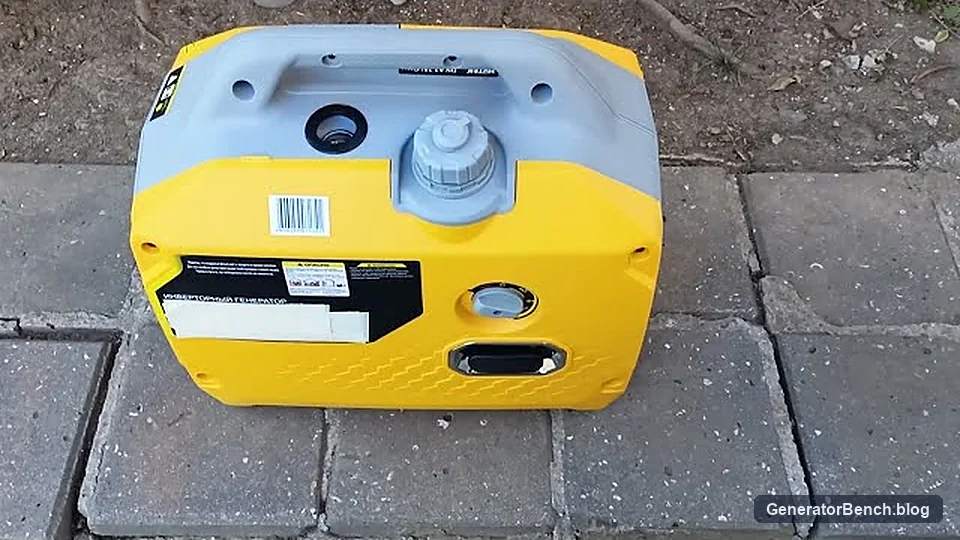
Operating any best propane gas generator means managing a lower energy density. Standard liquid propane delivers approximately 91,500 BTUs per gallon, requiring increased fuel consumption for identical electrical output.
Engineers factor this stoichiometric ratio into carburetor jetting and regulator design. Understanding these basic thermal values helps clarify why fuel consumption rates differ so dramatically between these options.
Gasoline delivers roughly 114,000 BTU per gallon, packing higher energy density than propane at approximately 91,500 BTU per gallon. This stoichiometric difference dictates lower runtime volume for liquid fuel.
Operating a dual-fuel engine on propane typically causes a 10% to 15% power drop due to lower volumetric energy density. Carburetors or electronic control units must adjust air-fuel ratios accordingly.
Stoichiometric air-fuel ratios differ significantly between these fuels. Gasoline requires roughly 14.7:1 ratio, whereas propane demands approximately 15.5:1 ratio for complete combustion inside standard small engine combustion chambers.
- Gasoline energy density sits near 116,000 BTUs per gallon.
- Propane provides roughly 91,500 BTUs per liquid gallon.
- Lower thermal values require adjusted air-fuel mixing ratios.
Volumetric Consumption Realities
Because of lower energy density, running a portable unit on propane demands higher fuel flow rates. You will notice noticeably shorter run times when comparing identical tank sizes under full loads.
Operators must account for these volumetric differences when calculating fuel reserves for extended grid outages or remote jobsite applications.
- Higher flow rates compensate for lower energy density.
- Run times decrease significantly under heavy electrical loads.
Volumetric Fuel Consumption and Mechanical Efficiency
Mechanical efficiency relies heavily on how completely the air-fuel mixture burns inside the combustion chamber. Propane enters the engine as a clean vapor, ensuring more homogeneous mixing.
While a best portable gasoline generator relies on liquid atomization, vapor fuel allows for much cleaner combustion cycles. This minimizes unburned hydrocarbons compared to traditional carburetor setups.
Engine wear decreases when running on clean vapor fuels because wash-down of cylinder wall oil is virtually eliminated. This mechanical advantage extends overall engine service intervals considerably.
Liquid gasoline requires mechanical fuel pumps or gravity feed systems to supply carburetors. Conversely, propane enters as pressurized vapor or liquid requiring two-stage regulators to safely reduce cylinder pressure.
Thermal efficiency varies because propane has a higher octane rating, often exceeding 104 octane, allowing advanced ignition timing without destructive engine knock under heavy electrical loads.
Specific fuel consumption calculations show that portable generators burn more volume of propane by weight to produce equivalent kilowatt-hours, offsetting some economic advantages during extended grid outages.
- Vaporized propane creates highly homogeneous air-fuel mixtures.
- Complete combustion cycles reduce harmful unburned hydrocarbon emissions.
- Cylinder wall oil wash-down is prevented during startup phases.
Carburetion and Fuel Delivery Systems
Dual-fuel inverter generators utilize sophisticated mechanical pressure regulators to step down high tank pressures. This multi-stage regulation ensures stable fuel delivery across fluctuating ambient temperatures.
Maintaining proper pressure is critical for preventing engine stalling during sudden electrical surge demands.
- Multi-stage regulators step down high tank pressures safely.
- Stable delivery prevents stalling during sudden surge events.
Storage Stability, Degradation, and Shelf Life Physics
Gasoline degrades rapidly due to oxidation and the evaporation of volatile compounds within weeks. This chemical breakdown forms sticky varnishes that clog carburetor jets and ruin fuel lines.
Propane stored inside sealed steel cylinders maintains chemical stability indefinitely without degradation. You can store a propane tank for years and expect immediate, reliable ignition during emergencies.
This fundamental difference makes propane the superior choice for emergency home backup systems that sit unused for months.
Unstabilized gasoline begins oxidizing within 30 days, forming gummy varnishes that clog small carburetor jets and restrict fuel filter permeability during long-term emergency storage readiness checks.
Propane stored inside sealed steel cylinders maintains chemical stability indefinitely. It does not degrade, absorb ambient moisture, or precipitate solid compounds that compromise mechanical fuel delivery components.
Environmental exposure affects fuel containers differently. Gasoline tanks are prone to atmospheric breathing and water condensation, whereas sealed propane tanks prevent hydrocarbon vapor loss and internal rust formation.
- Gasoline degrades rapidly via oxidation and volatile evaporation.
- Sealed propane tanks maintain chemical integrity indefinitely.
- Emergency backup systems benefit immensely from stable propane storage.
Mitigating Fuel Contamination Risks
Stabilizers can extend gasoline life, but they do not eliminate long-term varnish buildup entirely. Draining float bowls after every use remains a mandatory maintenance chore for gasoline units.
Propane eliminates this headache completely since the fuel remains pressurized and isolated from atmospheric oxygen.
- Chemical stabilizers only delay inevitable gasoline degradation processes.
- Pressurized propane completely isolates fuel from atmospheric oxygen.
Emissions Profiles, Carbon Buildup, and Internal Wear
Selecting a quietest propane generator helps minimize combustion byproducts during long outages. Propane burns exceptionally clean, leaving virtually zero carbon deposits on your piston crowns.
Gasoline combustion produces heavier soot and carbon buildup that fouls spark plugs and exhausts over time. This particulate accumulation requires regular decarbonization maintenance to sustain peak operating efficiency.
Lower emissions also make propane significantly safer for semi-enclosed operational environments where air quality matters.
Combustion of propane produces significantly lower carbon monoxide and particulate emissions because it enters the engine as a clean gas, eliminating liquid fuel wash on cylinder walls.
Running on gasoline introduces heavier hydrocarbons that leave carbon deposits on piston crowns and valve seats, accelerating ring wear and requiring frequent spark plug cleaning procedures.
Oil degradation rates drop substantially when operating exclusively on propane. Gaseous fuel does not dilute crankcase oil, extending standard oil change intervals past 100 operational hours safely.
- Propane combustion leaves almost zero carbon deposits behind.
- Gasoline produces soot that fouls spark plugs and valves.
- Reduced particulate accumulation lowers long-term maintenance labor costs.
Spark Plug and Oil Longevity
Because propane lacks heavy additives and lead, spark plug lifespan extends by hundreds of operating hours. Engine oil also remains cleaner for longer periods between scheduled changes.
Operators save considerable time and consumable costs over the lifetime of the machine.
- Spark plug lifespans increase dramatically under propane operation.
- Engine oil stays clean without absorbing heavy combustion soot.
Cold-Weather Performance and Ambient Temperature Limits
Ambient temperature heavily influences fuel delivery mechanics, particularly for pressurized gas systems during winter storms. Propane relies on internal vapor pressure to force gas out of the tank.
When temperatures drop below negative forty degrees Fahrenheit, propane loses sufficient vapor pressure to feed the engine. Gasoline maintains liquid delivery via mechanical fuel pumps regardless of severe cold.
Operators facing extreme winter climates must utilize larger propane tanks to maintain adequate surface area vaporization.
Vapor withdrawal propane systems struggle in extreme sub-freezing weather because tank pressure drops as liquid propane absorbs latent heat of vaporization, causing internal freezing inside cylinders.
Gasoline maintains reliable liquid delivery in sub-zero environments, provided fuel lines remain free of condensed water ice crystals that block small inline filters.
Ambient temperature thresholds dictate fuel selection strategies. Operating propane below minus 40 degrees Fahrenheit requires specialized liquid withdrawal tanks and external vaporizers to sustain continuous rated electrical output.
- Extreme cold reduces internal propane tank vapor pressure.
- Mechanical fuel pumps help gasoline operate in severe winter weather.
- Larger propane tanks provide necessary surface area for vaporization.
Addressing Sub-Zero Vapor Lock
Heavy electrical draws in freezing weather can cause rapid cooling of propane tanks. This self-refrigeration effect can freeze regulators if tank sizing is inadequate for the load.
Proper sizing guidelines prevent unexpected brownouts during critical winter power outages.
- High electrical loads cause rapid tank self-refrigeration.
- Adequate tank sizing prevents unexpected regulator freeze-ups.
Real-World Workload Integration and Infrastructure Constraints
Choosing between these fuel sources ultimately depends on your specific logistical infrastructure and power demands. Job sites heavily favor gasoline due to easy transportability in standard red cans.
Homeowners lean toward propane for seamless integration with existing large residential heating tanks. Evaluating local fuel availability helps prevent operational bottlenecks during prolonged regional emergencies.
Balancing raw power output against maintenance overhead ensures optimal equipment lifespan and reliability.
When selecting a reliable best gasoline generator, logistics depend heavily on local supply chain accessibility. Traditional liquid fuel requires approved storage containers, unlike exchangeable propane cylinders.
Emergency infrastructure failure scenarios favor propane due to extended shelf life, but natural disasters can disrupt commercial filling stations, complicating fuel replenishment efforts during prolonged outages.
Integrating dual-fuel generators into home backup systems requires careful plumbing calculations to maintain adequate line pressure and prevent pressure drops across long rigid pipe runs.
- Job sites utilize gasoline for convenient transportability in cans.
- Residential properties integrate propane with home heating supplies.
- Local fuel accessibility dictates long-term emergency preparedness strategies.
Logistical Planning for Extended Outages
Stockpiling gasoline requires careful rotation and chemical stabilization to prevent engine damage. Propane allows safe, long-term stacking of multiple cylinders without degradation worries.
Smart operators maintain dual-fuel capability to maximize flexibility during unexpected crises.
- Stockpiled gasoline demands rotation and chemical stabilization additives.
- Dual-fuel systems maximize operational flexibility during emergencies.
Frequently Asked Questions
Can I convert a gasoline-only generator to run safely on propane?
Converting a gasoline generator requires specialized aftermarket carburetor kits and pressure regulators. However, unauthorized modifications often void manufacturer warranties and can cause dangerous gas leaks.
Why does my generator lose electrical output power when running on propane?
Propane has a lower energy density than gasoline, which reduces total thermal output during combustion. This energy deficit typically translates to a ten percent drop in rated starting wattage.
How long can I safely store a connected propane tank outdoors?
Sealed steel propane tanks maintain fuel stability for many years without chemical degradation. Always inspect the rubber hoses and fittings regularly for UV cracking and weather wear.
Does running a generator on propane eliminate all routine maintenance?
While propane burns cleaner and prevents varnish, routine engine care remains strictly mandatory. You must still perform regular oil changes and check valve clearances according to manuals.
What causes propane regulators to freeze up during cold winter operations?
High fuel draw causes rapid vaporization, which absorbs ambient heat and cools the tank surface. Using larger capacity cylinders provides adequate surface area to prevent freeze-ups.