Propane Generator vs. Solar Panels: Which Fits Your Setup Better?
Evaluating backup power requires weighing fuel dependability against renewable independence. We analyze continuous load capacity, installation constraints, and long-term operating costs to determine optimal performance.

Propane generators dominate heavy continuous loads and severe weather emergencies. Conversely, solar panels excel for quiet, fuel-free daily living and maintenance-free auxiliary power systems.
Compare all top models in our Best Home Emergency Generator.
Side-by-Side Breakdown
| Criteria | Propane Generator | Solar Panels | Edge |
|---|---|---|---|
| Peak Performance & Output | Instantaneous surge up to 15kW+ | Limited by inverter and array size | Propane Generator |
| Duty Cycle & Consistency | 24/7 runtime regardless of weather | Dependent on direct sunlight hours | Propane Generator |
| Operating Noise & Vibration | Emits 60-72 dB at 23 feet | Completely silent solid-state operation | Solar Panels |
| Portability & Footprint | Compact portable or heavy standby units | Fixed rooftop arrays or bulky mounts | Propane Generator |
| Maintenance & Service Life | Requires oil changes and filter replacements | Minimal cleaning and inverter replacement | Solar Panels |
| Power Requirements | High inductive motor starting capacity | Sufficient for low to moderate loads | Propane Generator |
| Best Ideal Use-Case | Emergency backup and heavy grid outages | Off-grid daily living and green energy | Solar Panels |
Core Combustion Mechanics Versus Photovoltaic Capture
Internal combustion engines convert chemical energy stored in pressurized liquefied petroleum gas into mechanical rotation. This mechanical energy spins an alternator rotor to generate steady alternating current electricity for heavy residential applications.
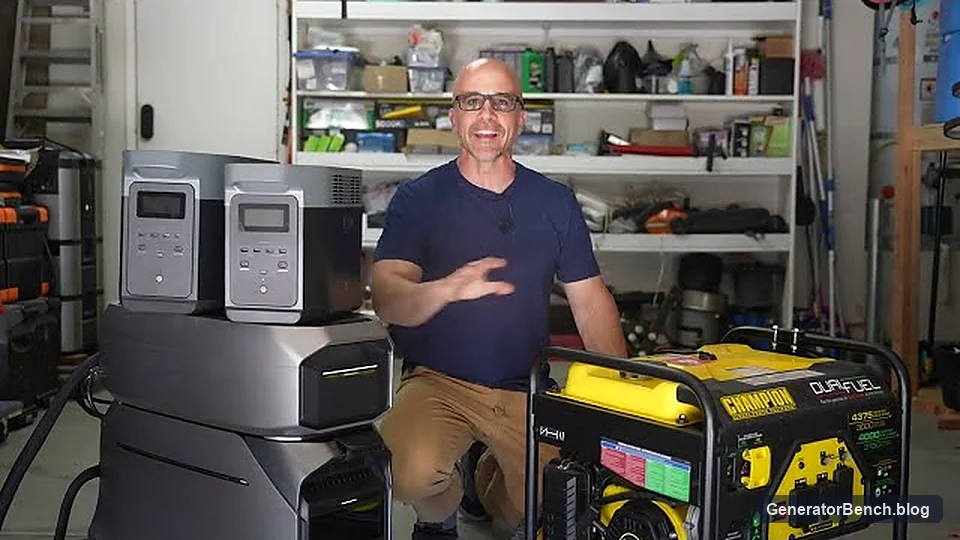
Photovoltaic systems utilize semiconductor wafers to absorb photons from sunlight. This direct conversion process yields direct current electricity, requiring sophisticated inverters to transform the output into usable household power safely.
Understanding these foundational physical differences clarifies why each technology responds differently to sudden inductive surges. Combustion engines deliver raw torque quickly, while photovoltaic arrays rely entirely on ambient environmental conditions.
- Propane systems convert chemical fuel directly into mechanical and electrical output.
- Photovoltaic arrays harvest ambient photons through semiconductor surface layers silently.
- Inverter conversion stages dictate usable household output quality for sensitive electronics.
Thermodynamic Efficiency and Energy Conversion Limits
Combustion engines face strict thermodynamic efficiency ceilings governed by heat loss through exhaust manifolds. Most portable and standby units convert roughly twenty to thirty percent of fuel energy into electricity.
When evaluating units, choosing the best solar generator with panels ensures optimal photovoltaic efficiency. Modern monocrystalline modules capture roughly twenty-two percent of available irradiance under ideal testing conditions.
- Thermal heat loss limits internal combustion generator electrical conversion rates.
- Semiconductor bandgap physics restrict standard photovoltaic panel efficiency gains.
Continuous Load Handling and Peak Surge Capacity
Heavy inductive appliances like well pumps and central air conditioners demand massive starting wattage. Propane generators excel by delivering instantaneous surge power through heavy-duty copper alternator windings.
Upgrading to the best solar electric generator provides robust battery storage and high inverter capacity to manage surge loads. If limits are exceeded during compressor startup, automatic shutdowns occur.
Continuous running loads also expose distinct operational limits across both power generation equipment categories. Internal combustion units run indefinitely as long as pressurized fuel supply lines remain uninterrupted.
- Inductive motor startup requires substantial temporary surge wattage capacity.
- Inverter overload protection safeguards solar electronics during high-draw spikes.
- Continuous runtime depends entirely on fuel availability or battery capacity.
Managing Heavy Inductive Motor Loads Effectively
Starting large electric motors requires up to three times their normal running wattage. Propane generators handle these brutal transient spikes effortlessly thanks to robust engine displacement and governing systems.
Solar battery banks must feature high surge current ratings to prevent voltage sag. Undersized lithium iron phosphate batteries will trip internal management systems when high inductive loads engage.
- Electric motor startup demands high transient surge wattage allowances.
- Battery management systems protect lithium banks from over-current trip events.
Fuel Logistics, Storage Safety, and Supply Chains
Propane offers an indefinite shelf life without degrading, making it an exceptional emergency backup fuel. Unlike gasoline, propane does not gum up carburetor jets or attract moisture during long storage periods.
Storing large volumes of propane requires adherence to strict local fire codes and setback distances. Homeowners must maintain bulk tanks or manage multiple heavy steel cylinders during extended grid outages.
Choosing the best portable solar power generator bypasses physical fuel logistics completely by harvesting free energy from daylight. However, prolonged overcast weather severely restricts generation capacity, creating potential energy deficits.
- Propane features an indefinite chemical shelf life without fuel stabilizer additives.
- Strict fire safety codes dictate proper bulk propane tank placement outdoors.
- Daylight harvesting eliminates fuel storage burdens but introduces weather dependency.
Supply Chain Vulnerabilities and Resource Replenishment
During regional disasters, local propane delivery trucks may experience severe logistical delays. Maintaining adequate reserves requires proactive planning and scheduled tank refills before severe weather strikes.
Solar arrays eliminate external supply chain dependencies during normal sunny operation. System owners remain entirely self-sufficient unless physical hail damage or heavy snow loads compromise panel integrity.
- Regional disasters can delay scheduled propane delivery truck routes.
- Solar arrays provide complete resource independence during clear weather patterns.
Environmental Exposure, Weather Resistance, and Durability
Outdoor generator enclosures utilize powder-coated galvanized steel to resist corrosion and rain. Routine operation in sub-freezing temperatures requires specialized crankcase heaters and proper propane vaporization management.
Solar panels feature tempered glass surfaces designed to withstand high winds and large hail impacts. Their static solid-state construction contains zero moving parts, minimizing mechanical wear over decades.
Extreme heat degrades photovoltaic efficiency significantly, reducing total daily energy yield during summer heatwaves. Conversely, internal combustion engines require adequate ambient airflow to prevent overheating under heavy loads.
- Galvanized steel enclosures protect combustion generators from harsh weather.
- Tempered glass surfaces shield solar modules against wind and hail debris.
- Ambient high temperatures reduce photovoltaic efficiency and electrical output.
Extreme Climate Resilience and Temperature Coefficient Factors
Cold weather affects propane vaporization rates inside standard ASME storage tanks. Drawing vapor too quickly in sub-zero environments can cause tank freezing and fuel starvation issues.
Solar panels experience negative temperature coefficients where voltage drops as modules heat up. Summer midday performance often falls below laboratory nameplate ratings despite intense sunlight.
- Low temperatures reduce propane tank vaporization rates and pressure.
- Negative temperature coefficients decrease solar efficiency during hot weather.
Installation Ergonomics, Footprint, and Portability
Portable propane generators offer high mobility for remote job sites and temporary setups. Larger standby units require professional concrete pad placement, heavy electrical wiring, and permanent gas plumbing.
Rooftop solar installations demand structural engineering assessments to ensure rafters support dead loads. Once mounted securely, panels remain permanently fixed in location without any relocation flexibility.
Weighing these spatial requirements helps determine whether permanent infrastructure or mobile hardware suits your property layout best. Space-constrained urban lots often favor compact vertical fuel storage options.
- Portable units provide versatile mobility for remote or temporary applications.
- Permanent standby systems require dedicated concrete pads and gas plumbing.
- Rooftop solar arrays require structural engineering approval before mounting.
Physical Footprint and Site Preparation Requirements
Standby generator placement requires strict compliance with building codes regarding window clearances. Units must sit outdoors away from living spaces to prevent carbon monoxide poisoning hazards.
Solar arrays require unshaded roof faces oriented toward the equator for maximum yield. Obstructions from nearby trees or tall structures necessitate costly micro-inverter optimization configurations.
- Building codes mandate safe outdoor clearances for combustion generators.
- Unshaded equator-facing roof space is critical for optimal solar yield.
Maintenance Schedules and Component Lifespan Realities
Combustion generators demand rigorous mechanical maintenance, including oil changes and spark plug inspections. Neglecting routine service intervals drastically shortens engine lifespan and increases unexpected failure rates.
Solar systems operate with remarkably low maintenance overhead throughout their multi-decade design life. Routine upkeep generally involves occasional surface washing to remove dust and debris accumulation.
Premium options evaluated in the best solar power generator for home review category feature durable inverters requiring replacement only after ten to fifteen years of continuous operational use.
- Regular oil changes and spark plug replacements ensure engine longevity.
- Solar arrays require minimal upkeep beyond occasional surface cleaning.
- Solid-state inverters are the primary wear components in solar setups.
Long-Term Wear Indicators and Component Replacement Costs
Internal engine components experience continuous friction during extended runtime hours. Overhaul requirements surface after thousands of operational hours under heavy electrical loads.
Solar panel degradation rates average approximately half a percent per year. Premium modules retain over eighty percent of their original nameplate output after twenty-five years.
- High runtime hours cause inevitable friction wear inside combustion engines.
- Minimal annual degradation allows solar panels to last for decades.
Total Cost of Ownership and Economic Amortization
Initial acquisition costs for standby propane generators remain relatively low compared to full solar arrays. However, recurring fuel consumption expenses add ongoing operating costs during prolonged grid outages.
Solar installations require substantial upfront capital investment for panels, racking, and battery storage. These expenses amortize over time through eliminated monthly utility bills and clean energy savings.
Evaluating your local utility rate structure helps clarify the financial payback timeline. Regions with expensive electricity accelerate solar savings, while infrequent outages favor standby generators.
- Standby generators offer lower initial purchase costs than full solar setups.
- Recurring fuel purchases add ongoing operational expenses during extended outages.
- High initial solar investments amortize through monthly utility bill savings.
Financial Payback Analysis and Utility Rate Integration
Calculating return on investment requires analyzing historical local power outage frequency. Frequent grid failures make reliable standby generators economically justifiable for critical household protection.
Net metering policies significantly impact solar financial payback calculations across different regions. Favorable utility credit programs shorten the timeline required to recover initial hardware investments.
- Local power outage frequency justifies standby generator investments.
- Net metering policies influence the financial payback speed of solar.
Frequently Asked Questions
Can a propane generator power an entire modern home?
Yes, large standby propane generators easily power entire homes. Whole-home units deliver robust wattage for heavy central air conditioners and appliances simultaneously.
Do solar panels work during heavy storms or blackouts?
Standard grid-tied solar panels shut down automatically during blackouts for safety. Battery backup systems are required to maintain power when the local grid fails.
How long can a standard propane tank run a generator?
Runtime depends heavily on electrical load size and tank capacity. A standard hundred-pound cylinder typically provides several days of modest emergency electrical backup.
What is the typical lifespan of a solar power system?
Modern photovoltaic panels last twenty-five to thirty years with minimal degradation. Solid-state electronic inverters usually require replacement once every decade or fifteen years.
Which power source requires less routine maintenance attention?
Solar arrays demand far less upkeep than internal combustion engines. Static photovoltaic modules need only occasional washing, avoiding oil changes and spark plugs.