Petrol Generator vs. Diesel Generator: Which Fits Your Setup Better?
Petrol units offer exceptional initial portability and quick cold-weather starts, whereas diesel systems deliver unmatched heavy-duty fuel efficiency. Choosing the right generator requires evaluating your specific power demands and operational environment.

For casual backup and easy transport, choose a petrol generator. For continuous industrial workloads and heavy runtime, select a diesel generator.
Compare all top models in our Best Home Emergency Generator.
Side-by-Side Breakdown
| Criteria | Petrol Generator | Diesel Generator | Edge |
|---|---|---|---|
| Peak Performance & Output | High initial surge capacity with spark-ignited combustion. | Higher continuous torque via compression ignition. | Diesel Generator |
| Duty Cycle & Consistency | Optimized for intermittent and part-time backup use. | Built for continuous prime power and heavy industrial duty. | Diesel Generator |
| Operating Noise & Vibration | Generally quieter with milder high-frequency hums. | Louder combustion rattle requiring heavy acoustic baffling. | Petrol Generator |
| Portability & Footprint | Lighter frame construction and compact physical dimensions. | Heavier cast-iron block assemblies with dense footprints. | Petrol Generator |
| Maintenance & Service Life | Frequent spark plug changes and carburetor upkeep needs. | Longer operational intervals with robust fuel injectors. | Diesel Generator |
| Power Requirements | Best for residential, light commercial, and mobile recreational loads. | Ideal for heavy-duty commercial sites and continuous facility loads. | Diesel Generator |
| Best Ideal Use-Case | Emergency home backup, tailgating, and jobsite power tools. | Remote work camps, agricultural sites, and extended grid outages. | Diesel Generator |
Combustion Engineering and Ignition Mechanics
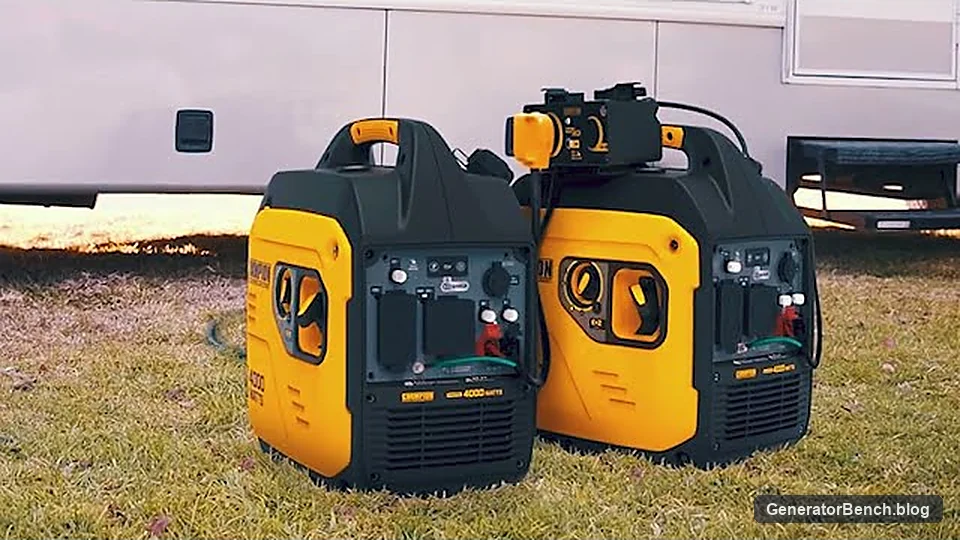
Petrol generators rely on spark plugs to ignite a volatile air-fuel mixture inside aluminum cylinders. This traditional Otto-cycle design creates rapid flame propagation and high immediate output.
Diesel engines utilize high compression ratios to heat air until injected fuel self-ignites. Selecting the best small diesel generator completely eliminates vulnerable spark ignition systems while boosting efficiency.
Petrol units rely on spark ignition systems utilizing a stoichiometric air-fuel ratio near 14.7 to 1, igniting via an electronic spark plug to initiate rapid flame front propagation across the combustion chamber.
Conversely, diesel engines utilize compression ignition where air is compressed past a high ratio, often exceeding 18 to 1, generating extreme cylinder temperatures that instantly ignite atomized fuel injected at high pressure.
- Spark ignition allows faster cold-weather starting in freezing environments.
- Compression ignition generates superior low-end torque for heavy electrical loads.
- Aluminum blocks in petrol models reduce total machine weight significantly.
Spark versus Compression Dynamics
Understanding internal combustion differences dictates how well each machine handles sudden load spikes. Spark systems react quickly while compression systems endure sustained mechanical stress.
- Otto-cycle engines respond faster to immediate electrical transients.
- Diesel engines maintain stable RPM under heavy continuous loads.
Fuel Chemistry and Energy Density Realities
Diesel fuel contains higher volumetric energy density than standard petrol, yielding superior runtime per gallon. This chemical advantage translates directly to lower operating costs during extended outages.
Petrol degrades rapidly over time, forming sticky varnishes that clog carburetors if left untreated. Diesel fuel resists rapid oxidation, making it far superior for long-term emergency fuel storage.
Gasoline delivers an energy density hovering around 34.2 megajoules per liter, prioritizing volatile hydrocarbons that vaporize easily at ambient temperatures to ensure dependable manual recoil or electronic start sequences during standard operations.
Diesel fuel surpasses this with roughly 38.6 megajoules per liter, offering superior volumetric efficiency that translates directly into extended runtimes and reduced fuel consumption rates under heavy, continuous industrial electrical loads.
- Diesel delivers approximately ten to fifteen percent more energy per gallon.
- Petrol requires chemical stabilizer additives for seasonal storage periods.
- Diesel storage requires careful moisture management to prevent fungal growth.
Storage Stability and Shelf Life
Facility managers must account for fuel degradation rates when designing emergency backup reserves. Untreated petrol goes bad within months, whereas diesel remains viable for years.
- Petrol requires frequent rotation in storage containers.
- Diesel fuel tanks need biocide treatments for long-term integrity.
Thermal Efficiency and Runtime Longevity
Diesel generators convert a significantly higher percentage of fuel energy into usable electricity. Their superior thermal efficiency reduces overall fuel consumption during multi-day operational cycles.
Petrol engines run hotter and experience greater thermal fatigue across internal components. This heat stress limits continuous runtime hours compared to heavily built diesel alternatives.
Portable petrol generators typically operate at lower thermal efficiencies, converting roughly 20 to 25 percent of the chemical energy into usable electricity, which accelerates component thermal fatigue over extended continuous runtime intervals.
Heavy-duty diesel equivalents achieve thermal efficiencies approaching 35 to 40 percent, utilizing robust cast-iron engine blocks designed to endure sustained multi-day workloads without suffering catastrophic thermal distortion or premature valve recession.
- Higher thermal efficiency lowers long-term operational fuel expenditures.
- Reduced thermal stress extends overall engine overhaul intervals.
- Continuous duty cycles demand robust liquid-cooling systems.
Continuous Duty Thermal Management
Managing extreme combustion temperatures dictates runtime reliability during extended power outages. Investing in the best diesel generator models ensures exceptional thermal dissipation across heavy cast-iron cylinder walls.
- Cast-iron liners resist warping under extreme thermal loads.
- Air-cooled petrol units require mandatory rest periods.
Acoustic Profiles and Mechanical Vibration Control
Petrol generators generally produce lower operational decibel levels due to lighter internal moving parts. Their smoother high-frequency exhaust notes are easier to muffle with basic enclosures.
Diesel units generate heavy structural vibrations from high-compression combustion pulses. Effective noise reduction requires massive sound-attenuating enclosures and heavy-duty anti-vibration mounts.
Petrol inverter generators manage noise effectively through lightweight aluminum enclosures, maintaining sound pressure levels near 52 to 62 decibels at seven meters when running at economical partial electrical throttle settings.
Diesel units generate harsh low-frequency acoustic vibrations requiring heavy sound-attenuated steel canopies, pushing baseline noise outputs toward 68 to 78 decibels while demanding advanced elastomeric mounts to isolate mechanical resonance.
- Petrol models are preferred for noise-sensitive residential neighborhoods.
- Diesel units require robust acoustic dampening to meet local codes.
- Engine balancing shafts reduce harsh diesel mechanical vibrations.
Sound Attenuation Engineering
Mitigating high decibel output involves sophisticated exhaust baffling and structural dampening. Diesel units demand heavier acoustic blankets due to their high compression pressures.
- Residential mufflers reduce petrol exhaust noise effectively.
- Enclosed diesel generators weigh substantially more overall.
Cold Weather Behavior and Starting Reliability
Petrol vaporizes easily in freezing temperatures, ensuring reliable cold-weather starting with minimal preparation. This makes petrol units ideal for sudden winter storm power outages.
Diesel fuel thickens significantly in sub-zero conditions, causing fuel filter waxing and starting failures. Cold weather operation requires engine block heaters and specialized winter-grade diesel fuel.
Gasoline degrades rapidly via oxidation, forming gummy deposits in carburetor jets when stored below zero degrees Fahrenheit without stabilizer additives, complicating seasonal cold-weather startup routines for emergency backup units.
Diesel fuel suffers from paraffin wax precipitation at sub-freezing temperatures, requiring integrated block heaters and anti-gel fuel additives to prevent fuel line blockages during critical winter emergency deployment scenarios.
- Petrol engines start reliably during severe winter weather events.
- Diesel systems require glow plugs and block heaters in frost.
- Winter-grade fuel blends prevent diesel waxing in cold climates.
Sub-Zero Fuel Preparation
Operators facing freezing climates must implement preventive maintenance to ensure emergency starts. Diesel units need electrical grid power or auxiliary battery banks for block heaters.
- Glow plugs pre-warm combustion chambers before cranking.
- Anti-gel fuel additives maintain winter flow rates.
Maintenance Protocols and Engine Service Life
Petrol generators demand frequent maintenance, including spark plug replacements and carburetor cleanings. Their service lifespans are shorter due to higher operating speeds and lighter component metallurgy.
Diesel units feature robust components engineered for thousands of operational hours. Following a structured diesel generator maintenance schedule ensures reliable oil filtration and long-term mechanical longevity.
Routine petrol generator maintenance mandates frequent spark plug replacements and oil changes every 100 operating hours to mitigate carbon buildup within the combustion chamber and safeguard sensitive ignition coils.
Diesel engines extend service intervals up to 500 operating hours when utilizing synthetic lubricants, though operators must rigorously manage fuel filtration systems to prevent microscopic particulate damage to high-pressure injectors.
- Petrol units require regular spark plug and air filter swaps.
- Diesel engines offer extended operational hours before major overhauls.
- Fuel injector cleanliness is critical for diesel longevity.
Long-Term Component Durability
Heavy-duty metallurgy gives diesel generators a distinct advantage in commercial settings. Their robust crankshafts and bearings endure decades of rigorous industrial usage.
- Forged steel components withstand extreme internal pressures.
- Frequent minor servicing keeps petrol units running smoothly.
Ergonomics, Sizing, and Environmental Footprint
Petrol generators offer superior ergonomic benefits through lightweight frames and easy transport wheels. Their compact dimensions fit effortlessly into service truck beds or residential garages.
Diesel generators carry a larger physical footprint and substantial dry weight penalties. Their environmental footprint features lower carbon emissions per kilowatt-hour due to high fuel efficiency.
Petrol generators offer exceptional portability, often weighing under 50 pounds for standard 2000-watt inverter models, making them ideal for recreational users prioritizing easy transport and effortless single-person loading.
Conversely, heavy industrial diesel units often exceed 400 pounds, requiring specialized lifting equipment, permanent concrete pad installations, and careful consideration of localized environmental emissions compliance standards.
- Petrol models excel in portable, grab-and-go emergency scenarios.
- Diesel units provide permanent, stationary facility backup power.
- High efficiency helps diesel engines lower lifetime emissions.
Mobility Versus Stationary Placement
Choosing between absolute mobility and stationary backup power dictates your selection process. Evaluating the best portable diesel generator options provides job sites with maneuverable, high-torque industrial performance.
- Wheeled petrol frames allow single-person jobsite positioning.
- Skid-mounted diesel units require heavy lifting equipment.
Frequently Asked Questions
Why do diesel generators last longer than petrol models?
Diesel engines feature heavy-duty cast-iron blocks and operate at lower RPMs, which significantly reduces mechanical wear. This robust engineering allows diesel units to deliver thousands of operational hours before requiring any major overhaul.
Can I run a petrol generator on old stored fuel?
Stored petrol degrades rapidly within a few months, forming gummy deposits that clog carburetors and fuel lines. You must always use fresh fuel treated with stabilizers to prevent starting failures during emergency outages.
Why are diesel generators more expensive to purchase initially?
Diesel units require high-compression blocks, heavy-duty fuel injection systems, and robust structural frames to handle internal pressures. These durable industrial materials make the initial manufacturing costs much higher than lightweight petrol alternatives.
Do diesel generators start easily in freezing winter weather?
Diesel fuel thickens and waxes in sub-zero temperatures, making cold starts difficult without specialized assistance. Operators must utilize block heaters and glow plugs to ensure reliable ignition during severe winter storms.
Which generator type is better for residential emergency backup?
For occasional short-term home outages, a portable petrol inverter provides convenient power and easy storage. However, large homes needing continuous multi-day runtime benefit most from a permanently installed diesel standby system.