Natural Gas vs. Diesel Backup Generator: Which Fits Your Setup Better?
Evaluating natural gas and diesel backup generators reveals distinct engineering trade-offs. Selecting the right unit depends on fuel availability, runtime expectations, and operational demands.


Diesel backup generators dominate heavy industrial duty cycles with superior thermal efficiency. Natural gas systems provide uninterrupted pipeline fuel for residential and light commercial standby applications.
Compare all top models in our Best Home Emergency Generator.
Side-by-Side Breakdown
| Criteria | Natural Gas | Diesel Backup Generator | Edge |
|---|---|---|---|
| Peak Performance & Output | Lower power density due to fuel heating values | High torque and superior transient load response | Diesel Backup Generator |
| Duty Cycle & Consistency | Ideal for intermittent emergency standby uses | Built for continuous prime-power operations | Diesel Backup Generator |
| Operating Noise & Vibration | Quieter combustion profile and smooth operation | Louder acoustic output requiring heavy baffling | Natural Gas |
| Portability & Footprint | Fixed installation tied to utility lines | Requires heavy on-site fuel storage tanks | Natural Gas |
| Maintenance & Service Life | Cleaner burning fuel reduces engine wear | Requires frequent fuel polishing and filtration | Natural Gas |
| Power Requirements | Relies on steady municipal gas pressure | Independent fuel storage ensures autonomy | Diesel Backup Generator |
| Best Ideal Use-Case | Suburban residential and light commercial standby | Heavy industrial and remote mission-critical sites | Split |
Core Engineering Architecture and Fuel Delivery Mechanisms
Natural gas systems connect directly to municipal utility lines, eliminating manual refueling logistics entirely. This continuous supply pipeline ensures seamless operation during extended multi-day grid outages without user intervention.
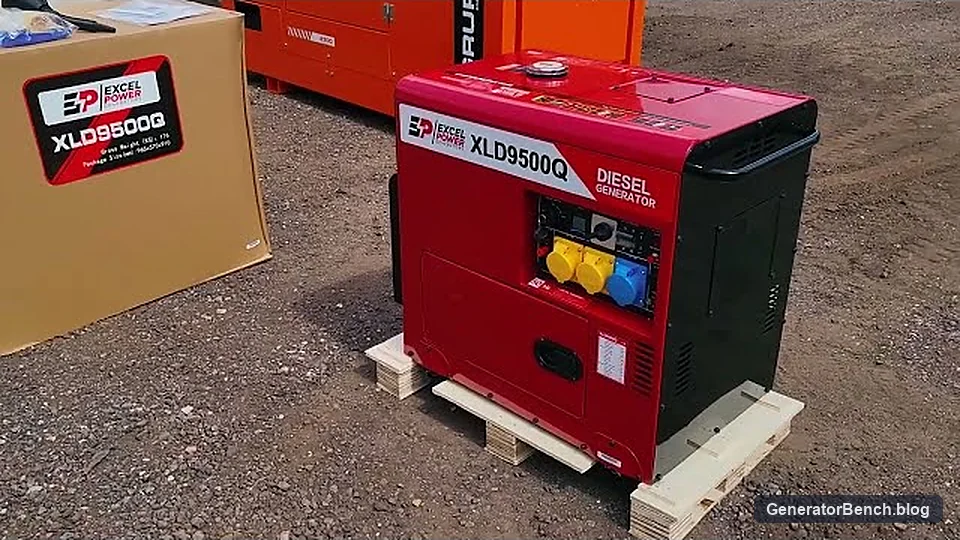
Diesel units rely on dedicated on-site storage tanks requiring active fuel management and stabilization. Users must monitor fuel degradation, microbial growth, and sediment accumulation to prevent catastrophic injector valve blockages.
Natural gas units feature demand regulators and venturi mixers, which you can evaluate inside our top natural gas backup systems roundup for reliable residential emergency power during prolonged utility blackouts.
Conversely, diesel generators utilize high-pressure common rail injection systems to atomize liquid fuel directly into compressed air cylinders, demanding precise fuel filtration down to two microns to prevent abrasive wear on precision injectors.
- Municipal natural gas lines prevent fuel starvation risks.
- Diesel storage requires chemical fuel stabilizers over time.
- On-site tanks demand strict containment and regulatory compliance.
Fuel Infrastructure Realities
Installing a high-pressure natural gas regulator demands professional pipe sizing to prevent pressure drops. Undersized gas lines cause severe engine starving under heavy startup load conditions.
Diesel setup requires double-walled containment vessels equipped with spill prevention basins and leak detection alarms. These physical safety barriers protect surrounding soil ecosystems from toxic hydrocarbon contamination.
- Gas pipe sizing prevents cold-start fuel starvation.
- Double-walled tanks protect against ground contamination.
Thermal Efficiency and Power Density Metrics
Diesel engines achieve higher compression ratios, yielding superior thermal efficiency compared to spark-ignited alternatives. Selecting options from our whole house natural gas generator reviews ensures you balance fuel consumption against total electrical load.
Natural gas units typically experience a ten to twenty percent de-rating when operating on standard vapor systems. Technicians must factor this power loss into peak load calculations for facilities.
Heavy-duty diesel engines routinely achieve thermal efficiencies approaching forty-five percent due to high compression ratios and stoichiometric lean burning, yielding superior power density per displacement liter compared to spark-ignited gaseous engines.
Natural gas configurations suffer a power derate of roughly ten to twenty percent when operating on standard municipal supplies because gaseous fuel displaces incoming combustion air, reducing volumetric efficiency across high-load operational bands.
- Compression ignition yields greater fuel economy.
- Natural gas systems experience slight power de-ratings.
Transient Load Response
Diesel generators excel at accepting block loads instantaneously due to high air-fuel ratios. This rapid response prevents dangerous voltage sag during heavy motor startups.
Natural gas engines react slower to sudden electrical spikes, requiring careful oversizing to match industrial transient demands safely.
- Diesel handles instant block loads effectively.
- Gas requires engineering margins for motor surges.
Duty Cycle Limits and Continuous Runtime Profiles
Industrial diesel generators excel at continuous heavy-load operations running thousands of hours without major overhauls. Their robust block architecture withstands high cylinder pressures characteristic of compression-ignition combustion processes.
Standby natural gas engines perform well during intermittent outages but face thermal stress limits. Evaluating options from our preferred natural gas standby units helps prevent premature valve seat recession during continuous deployments.
Standby diesel generators excel in rapid load acceptance scenarios, accepting one-hundred percent block loads within seconds while maintaining frequency stability, though prolonged light-load operation causes unburned fuel accumulation known as wet stacking.
Gaseous systems operate indefinitely without refueling risks if connected to municipal piping networks, but extreme ambient temperature drops can reduce line pressure and trigger low-pressure faults during peak grid demand periods.
- Diesel blocks handle thousands of prime-power hours.
- Gas units thrive during periodic emergency outages.
Longevity Under Stress
Operating a spark-ignited generator past its recommended duty cycle rapidly degrades internal valves. Proper load management preserves the cylinder head integrity over decades.
Diesel components endure continuous thermal punishment with proper lubrication and routine filter replacements.
- Valve degradation threatens continuous gas engines.
- Proper lubrication safeguards diesel longevity.
Acoustic Signatures and Structural Vibration Isolation
Acoustic output remains a critical installation factor for densely populated residential or commercial zones. Enclosed diesel generators generate deep, low-frequency sound waves that require heavy sound-attenuating baffles to meet local codes.
Natural gas units generally operate with quieter acoustic signatures due to smoother combustion profiles. Choosing models featured in our portable natural gas generator lineup ensures effective exhaust muffling for strict neighborhood compliance standards.
Diesel generator sets generate higher combustion pressures that translate into aggressive low-frequency noise signatures, requiring heavy-duty spring isolators and acoustic enclosures to meet municipal sound limits below seventy decibels at seven meters.
Natural gas engines run quieter due to smoother flame propagation characteristics, yet their high-RPM operating speeds create distinct mechanical whines that necessitate multi-stage exhaust silencing and tuned composite baffling systems.
- Diesel engines emit low-frequency structural noise.
- Natural gas models offer inherently quieter combustion.
Vibration Mitigation Strategies
Heavy diesel blocks require massive concrete inertia pads to absorb high-amplitude mechanical vibrations. Spring isolators prevent these oscillations from transferring into surrounding building foundations.
Natural gas generators produce lighter vibrational frequencies, simplifying pad construction requirements for rooftop or courtyard installations.
- Massive inertia pads stabilize heavy diesel units.
- Lighter gas models ease rooftop placement limits.
Maintenance Schedules and Component Longevity Standards
Regular maintenance keeps backup systems reliable during critical grid failure events. Diesel units require frequent filter replacements, oil changes, and fuel polishing to maintain pristine internal combustion chamber conditions.
Natural gas systems feature cleaner-burning fuel that significantly reduces carbon buildup on spark plugs and internal valves. This chemical cleanliness extends oil change intervals and lowers overall routine servicing costs.
Diesel powerplants demand rigorous fluid maintenance, requiring oil and filter changes every 250 operating hours alongside routine testing of coolant chemistry to prevent cavitation erosion within heavy cylinder block liners.
Natural gas generators extend maintenance intervals up to 500 hours because clean-burning gaseous fuel eliminates soot contamination, though operators must regularly inspect spark plugs and ignition coils for thermal degradation.
- Diesel requires meticulous fuel system upkeep.
- Natural gas reduces internal carbon accumulation.
Consumables Management
Tracking fuel additives, water separators, and particulate filters demands dedicated facility management software for diesel fleets.
Gas engines simplify parts inventory by eliminating complex fuel injection pump maintenance entirely.
- Diesel fleets require strict filter tracking.
- Gas systems eliminate high-pressure fuel pumps.
Environmental Emissions and Regulatory Compliance
Emissions regulations vary significantly across municipal jurisdictions depending on local air quality management boards. Diesel generators require advanced particulate filters and exhaust fluid injection to meet strict environmental standards.
Natural gas burns much cleaner, producing minimal particulate matter and lower nitrogen oxide levels without complex exhaust scrubbers. This inherent cleanliness simplifies local permitting and environmental compliance processes considerably.
Stationary diesel units face stringent EPA Tier 4 mandates, forcing operators to install selective catalytic reduction systems and diesel particulate filters that require periodic injections of diesel exhaust fluid to neutralize nitrogen oxides.
Natural gas engines naturally produce lower particulate matter and sulfur dioxide, allowing compliance with local air quality boards without complex after-treatment hardware, though carbon monoxide output necessitates precise air-fuel ratio controllers.
- Diesel needs advanced aftertreatment scrubbers.
- Gas lowers local nitrogen oxide emissions.
Permitting Challenges
Securing air quality permits for emergency diesel engines often involves strict annual operating hour caps.
Natural gas permits clear environmental hurdles much faster due to lower baseline pollutant outputs.
- Diesel operating hours face strict local caps.
- Gas permits secure approval much faster.
Installation Complexity and Site Infrastructure Requirements
Site preparation for backup generators involves precise engineering calculations for concrete pad thickness and load distribution. Diesel installations require secondary containment foundations capable of supporting heavy fuel weight safely.
Natural gas setup focuses primarily on safe gas meter tie-ins and adequate ventilation louvers within the enclosure. Professional contractors must verify gas line pressure parameters before final electrical interconnection takes place.
Diesel installations require double-walled sub-base fuel tanks engineered to store adequate capacity for extended outages, complying with local fire codes regarding secondary containment and fuel spill prevention infrastructure.
Gaseous backup systems require high-volume gas line sizing and seismic gas shut-off valves, demanding professional coordination with utility providers to ensure adequate meter delivery rates and pounds per square inch line pressures.
- Containment foundations support heavy fuel tanks.
- Gas setups require precise utility pressure checks.
Interconnection Protocols
Electrical engineers must coordinate automatic transfer switch placements with local utility interconnect guidelines carefully.
Both fuel types demand rigorous testing under full load to guarantee seamless emergency power handoffs.
- Transfer switches require precise wiring integration.
- Full-load testing verifies emergency handoff reliability.
Frequently Asked Questions
Which backup generator type offers better reliability during long winter storms where utility lines break down for weeks at a time?
Natural gas systems provide endless fuel supply directly from municipal underground pipelines, ensuring your facility never runs dry. However, extreme freezing temperatures can occasionally reduce pipeline pressure, making diesel units safer if local infrastructure fails entirely.
Is it more expensive to install a commercial-grade natural gas generator compared to a traditional diesel-powered backup unit?
Initial equipment expenses are often comparable, but installing natural gas often requires expensive utility line upgrades and larger pipe diameters.
Diesel setups require heavy on-site storage tanks and environmental containment basins, shifting installation labor costs toward civil engineering and structural pad construction.
How does fuel storage degradation affect the operational readiness of emergency standby generators in remote locations?
Diesel fuel naturally degrades within twelve to twenty-four months, requiring chemical additives, regular fuel polishing, and routine tank circulation to prevent catastrophic engine failure.
Conversely, natural gas requires no on-site fuel aging management, since pressurized municipal pipelines deliver fresh combustible gas instantly upon demand.
Can a standard natural gas standby generator handle heavy industrial motor startup surges as effectively as diesel units?
Diesel engines possess higher torque characteristics and compression ratios, allowing them to absorb massive inductive motor startup surges with minimal frequency drop.
Natural gas models require careful electrical load sizing and often demand larger displacement engines to match heavy industrial surge capacities.
What are the primary environmental permitting differences facility managers face when installing these backup power systems?
Diesel generators face stringent local air quality regulations regarding particulate emissions, requiring diesel particulate filters and exhaust aftertreatment fluid systems.
Natural gas units burn much cleaner, allowing facilities to bypass complex exhaust scrubber requirements and secure rapid environmental permit approvals from local regulators.