Natural Gas Generator vs. Solar Battery: Which Fits Your Setup Better?
Natural gas generators provide endless fuel via municipal lines, while solar batteries deliver silent backup. Choosing the right architecture depends on your continuous load demands and climate reliability.

For whole-home coverage during multi-week grid failures, the Natural Gas Generator wins. For silent, daily self-consumption and minimal maintenance, the Solar Battery takes the lead.
Compare all top models in our Best Home Emergency Generator.
Side-by-Side Breakdown
| Criteria | Natural Gas Generator | Solar Battery | Edge |
|---|---|---|---|
| Peak Performance & Output | High continuous kW via combustion engine | Inverter-limited surge capacity | Natural Gas Generator |
| Duty Cycle & Consistency | Endless runtime on utility gas supply | Dependent on solar irradiance recharge | Natural Gas Generator |
| Operating Noise & Vibration | Mechanical exhaust and engine vibration | Completely silent solid-state operation | Solar Battery |
| Portability & Footprint | Permanent concrete pad and gas line | Modular wall-mounted or floor units | Solar Battery |
| Maintenance & Service Life | Regular oil, filter, and plug changes | Zero mechanical maintenance required | Solar Battery |
| Power Requirements | Requires stable natural gas pressure | Requires adequate photovoltaic array size | Natural Gas Generator |
| Best Ideal Use-Case | Extended grid outages and heavy loads | Daily energy arbitrage and eco backup | Tie (Application Dependent) |
Architectural Fundamentals and Energy Delivery Mechanisms
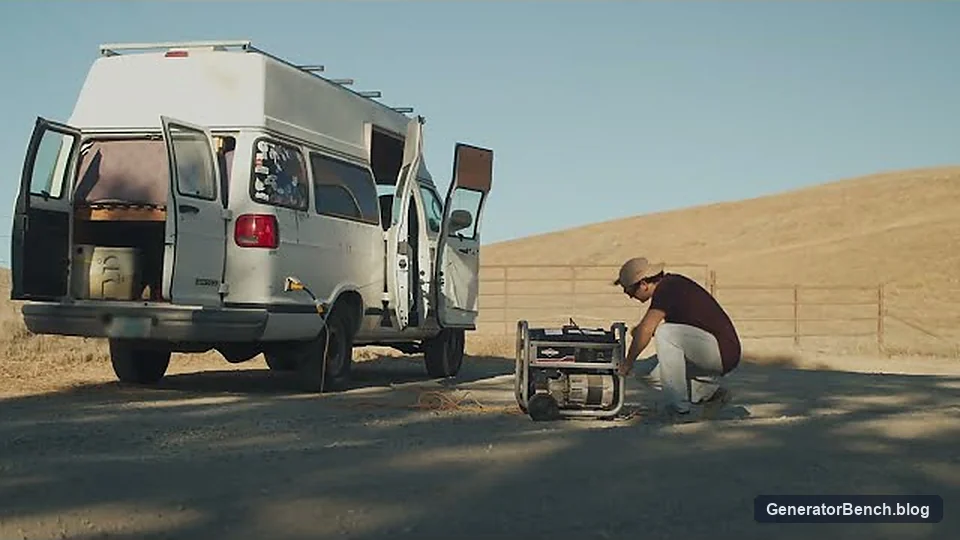
Comparing backup power sources requires understanding distinct energy conversion pathways. Combustion generation transforms chemical fuel directly into mechanical rotation, driving an alternator to produce alternating current electricity reliably.
Conversely, photovoltaic storage captures solar radiation, converting photons into direct current electricity stored within dense lithium-ion cell modules for later inverter conversion.
Both systems serve backup roles but approach resilience through completely different engineering philosophies, dictating how they handle peak electrical demands and long-term emergency scenarios.
- Natural gas relies on established municipal pipeline infrastructure.
- Solar batteries depend on local weather and sunlight availability.
- Combustion units offer direct fuel-to-electricity conversion ratios.
Combustion Architecture Dynamics
Internal combustion engines operate under high thermal and mechanical stress. Heavy-duty blocks incorporate cast-iron sleeves designed to withstand thousands of operational hours under heavy electrical loads.
Fuel delivery relies on precision carburetors or electronic fuel injection systems calibrated for gaseous fuels. Evaluating the best natural gas standby generator guarantees reliable backup performance.
- Requires steady fuel delivery pressure at the regulator.
- Employs liquid cooling or forced-air cooling jackets.
Solid-State Storage Engineering
Energy storage systems utilize advanced battery management electronics to protect cell chemistry. Lithium iron phosphate chemistries dominate modern residential setups due to superior thermal stability and cycle life.
Bidirectional inverters manage power flow seamlessly between the grid, the photovoltaic panels, and the household breaker panel during an unexpected outage event.
- Advanced BMS monitors cell voltages continuously.
- Inverters convert DC battery power to standard AC power.
Continuous Output and Peak Surge Capacity Metrics
Electrical loads demand careful evaluation of starting wattage versus running wattage. Inductive motor loads like HVAC compressors require massive initial surges that challenge smaller inverter systems.
Combustion generators excel at delivering massive surge power because their rotating alternators possess inherent physical inertia capable of handling sudden electrical shock loads.
Battery systems must rely entirely on their inverter's electronic peak rating, which is frequently constrained by thermal limits and sophisticated internal overcurrent protection circuits.
- Generators handle large central air conditioner startup effortlessly.
- Batteries require soft-start kits for heavy inductive loads.
- Surge capacity dictates total appliance compatibility during outages.
Handling Heavy Inductive Surges
Well pumps and refrigerators draw high locked-rotor amperage upon startup. Engine alternators absorb these heavy electrical transients without dropping voltage below critical operational thresholds.
System designers must oversize battery inverter capacity significantly to prevent automated shutdown when multiple motor-driven appliances cycle on simultaneously.
- Locked-rotor amps test inverter overload capabilities.
- Engine frequency stability maintains sensitive electronics safety.
Sustained Electrical Load Profiles
Running a household for days requires evaluating continuous wattage output ratings. Investing in the best natural gas generator for whole house ensures indefinite operation when utility lines remain stable.
Battery autonomy depends strictly on battery capacity and solar recharge rates during daylight hours, making multi-day storms challenging for standalone storage.
- Continuous output ratings govern total concurrent appliance use.
- Daily energy budgets prevent premature battery depletion.
Installation Logistics and Engineering Footprints
Physical placement impacts zoning compliance, property aesthetics, and overall system installation costs. Permanent combustion units require engineered concrete pads and professional gas line plumbing.
Solar battery systems offer greater placement flexibility through modular wall-mounted enclosures that integrate neatly inside garages or utility rooms away from weather.
Permitting requirements vary drastically, with generators facing strict municipal placement codes regarding property lines, windows, and carbon monoxide exhaust dispersion zones.
- Generators demand strict clearance from building openings.
- Batteries require temperature-controlled indoor or semi-outdoor spaces.
- Gas plumbing demands certified technician installation and pressure tests.
Site Preparation for Combustion Units
Installing a stationary standby generator requires pouring a level concrete pad. Seismic restraints and local building codes dictate exact anchor bolt specifications and wind rating requirements.
Gas line sizing must accommodate maximum fuel consumption rates at full load without causing pressure drops that starve the engine's combustion chambers.
- Concrete pads prevent settling and mechanical misalignment.
- Gas pipe diameter scales with total appliance BTU demand.
Modular Placement of Energy Storage
Energy storage enclosures scale easily by stacking additional battery modules. Compact footprints allow homeowners to utilize existing wall space in utility rooms or basements efficiently.
Environmental controls inside the battery cabinet protect chemistry performance during extreme winter freezes or sweltering summer heatwaves.
- Modular design simplifies future capacity expansions.
- Internal heaters maintain optimal operating temperatures.
Operational Noise Profiles and Mechanical Vibration
Acoustic impact significantly influences neighborhood harmony and homeowner comfort during extended outages. Enclosed standby generators typically produce between sixty and seventy decibels at typical distances.
Solar battery systems generate zero acoustic signature during normal discharge operations, relying solely on silent solid-state electronics and occasional quiet cooling fans.
Mechanical vibration from internal combustion engines requires robust anti-vibration mounts to isolate the chassis from the concrete pad and prevent structural resonance.
- Generator sound shields reduce heavy engine combustion noise.
- Batteries operate in near-total silence day and night.
- Vibration isolation protects internal electrical wiring harnesses.
Acoustic Mitigation in Generators
Manufacturers utilize heavy acoustic baffling and sound-attenuating foam inside metal enclosures. Sound pressure levels are carefully measured to comply with strict municipal noise ordinances during nighttime hours.
Exhaust muffler design plays a vital role in suppressing low-frequency thumping sounds generated by multi-cylinder internal combustion engines.
- Acoustic enclosures lower decibel output significantly.
- Proper exhaust routing minimizes structural noise transmission.
Solid-State Acoustic Silence
The absence of moving parts eliminates mechanical humming and vibration. Thermal management fans only activate during heavy charging or high-output inverter stress events.
Homeowners can place storage units directly inside living spaces without experiencing disruptive background noise during sleep cycles.
- No internal combustion or reciprocating parts exist.
- Quiet operation enhances indoor placement viability.
Maintenance Schedules and Long-Term Durability
Mechanical complexity demands diligent upkeep to ensure equipment readiness when emergencies strike. Selecting the best natural gas portable generator requires budgeting for regular oil changes, filter replacements, and inspections.
Solar battery systems feature virtually zero mechanical maintenance requirements, needing only occasional firmware updates and exterior dust clearing for attached solar arrays.
Component degradation follows distinct curves, with mechanical engines facing wear and tear while lithium batteries experience gradual capacity fade over thousands of cycles.
- Combustion units demand scheduled preventative maintenance routines.
- Battery chemistry degrades slowly over years of cycling.
- Automated self-test cycles verify generator standby readiness.
Combustion Engine Upkeep Protocols
Routine servicing prevents catastrophic engine failure during prolonged run times. Oil and filter changes must occur after specific operating hour milestones as recommended by manufacturers.
Valve clearances, air filters, and battery starters require annual inspections by certified technicians to maintain warranty compliance and reliable starting performance.
- Regular fluid checks ensure proper lubrication under load.
- Weekly exercise cycles keep fuel systems from gumming up.
Solid-State Longevity Management
Battery longevity is governed by depth of discharge and ambient temperature. Smart management software limits deep discharges to preserve cell health over decades of operation.
Minimal intervention means lower lifetime ownership friction, though eventual battery module recycling or replacement remains a consideration after fifteen to twenty years.
- Software protections maximize overall cycle life spans.
- No oil changes or mechanical tune-ups are necessary.
Weather Resilience and Fuel Autonomy Limits
Extreme weather events test the absolute boundaries of emergency power infrastructure. Choosing the best natural gas inverter generator ensures clean power while municipal supply lines remain functional underground.
Solar batteries offer complete off-grid independence but remain vulnerable during prolonged overcast periods or blizzards that obscure photovoltaic panels completely.
Understanding regional climate risks helps homeowners select the technology less likely to experience resource starvation during multi-week emergency weather events.
- Underground gas pipelines resist surface wind damage.
- Solar generation plummets during heavy storm cloud cover.
- Fuel autonomy dictates survival during catastrophic grid failures.
Municipal Fuel Vulnerabilities
While underground gas lines avoid wind and ice damage, extreme earthquakes or regional utility failures can compromise pressure. Automatic shutoff valves protect against gas leaks during seismic events.
Homeowners in natural disaster zones must weigh the security of pipeline infrastructure against potential supply network interruptions.
- Seismic shutoff valves enhance gas safety during quakes.
- Regional pipeline failures can occasionally interrupt gas delivery.
Climatic Constraints on Solar Storage
Winter storms present a double challenge of low sunlight and snow-covered panels. Manual snow removal becomes necessary to restore photovoltaic charging capabilities after heavy blizzards.
System sizing must account for worst-case winter generation drops to prevent unexpected power loss during extended cold snaps.
- Snow accumulation blocks photovoltaic energy absorption.
- Shorter winter days limit daily battery recharge windows.
Total Economic Lifecycle and Investment Value
Financial evaluation requires examining upfront capital expenses alongside long-term operational savings. Standby generators typically offer lower initial equipment costs for high-wattage whole-home coverage.
Solar battery systems involve higher initial capital expenditures but provide daily financial returns through energy arbitrage and reduced utility bills.
Calculating lifetime value involves balancing fuel costs, maintenance overhead, potential equipment replacements, and utility rate structures over a fifteen-year horizon.
- Generators provide high power output at a lower initial cost.
- Batteries offset daily electricity costs through smart grid integration.
- Lifecycle economic analysis must factor in fuel and maintenance.
Capital Expenditure and Upfront Costs
Purchasing backup power involves equipment, transfer switches, and professional installation labor. Standby generator packages deliver massive kilowatt capacity relatively affordably compared to equivalent battery banks.
Battery storage systems require significant investment in high-capacity inverters and lithium cell modules to achieve whole-home backup capability.
- Generator systems scale to high wattages cost-effectively.
- Battery storage requires higher capital for large capacities.
Operational Cost Recovery
Energy storage systems actively save money during normal daily operations. Time-of-use optimization allows batteries to store cheap grid power and discharge during expensive peak hours.
Generators sit idle during normal grid conditions, incurring no daily savings while accumulating regular maintenance expenses regardless of usage.
- Daily cycling reduces overall household electricity expenses.
- Standby generators incur maintenance costs without daily savings.
Frequently Asked Questions
Which system provides longer runtime during an extended grid outage?
A natural gas generator runs indefinitely as long as municipal utility lines remain pressurized. Solar batteries are limited by daily photovoltaic recharge cycles and total storage capacity.
Can a solar battery power central air conditioning during summer outages?
Yes, provided the inverter capacity is large enough to handle high startup surge loads. Oversized multi-inverter battery arrays successfully manage heavy central HVAC systems.
What maintenance do natural gas standby generators require?
They require routine oil changes, filter replacements, and spark plug inspections every one to two years. Automated weekly exercise cycles keep the mechanical engine ready.
Are solar battery systems completely silent during operation?
They operate in near-total acoustic silence because they lack internal combustion engines. Cooling fans may activate occasionally during heavy charging or high-output inverter stress.
Which backup power option offers better long-term financial return?
Solar batteries provide daily savings through energy arbitrage and reduced utility bills. Standby generators incur ongoing maintenance costs without generating daily financial offsets.