Marine Generator vs. Portable Generator: Which Fits Your Setup Better?
Navigating off-grid electrical needs requires balancing permanent vessel integration with flexible land utility. Choosing the correct power source protects sensitive electronics and ensures reliable operation.

For permanent hull installation and continuous saltwater endurance, the Marine Generator dominates. For versatile shore-side camping and emergency backup, the Portable Generator provides unmatched utility.
Compare all top models in our Best Home Emergency Generator.
Side-by-Side Breakdown
| Criteria | Marine Generator | Portable Generator | Edge |
|---|---|---|---|
| Peak Performance & Output | High continuous AC and massive DC charging | Moderate AC output with standard inverter power | Marine Generator |
| Duty Cycle & Consistency | Designed for continuous multi-day offshore runs | Limited to moderate intermittent running intervals | Marine Generator |
| Operating Noise & Vibration | Heavily muffled via custom sound shields and wet exhaust | Enclosed polymer cases with moderate operational decibels | Marine Generator |
| Portability & Footprint | Permanent hull installation occupying bilge space | Lightweight wheeled chassis for easy relocation | Portable Generator |
| Maintenance & Service Life | Demands professional winterization and zinc checks | Simple user-friendly DIY oil and filter changes | Portable Generator |
| Power Requirements | Heavy-duty vessel loads and air conditioning | Standard shore tools, camping gear, and appliances | Marine Generator |
| Best Ideal Use-Case | Offshore cruising and permanent boat habitation | Tailgating, job sites, and emergency home backup | Split Choice |
Hull Integration and Mechanical Mounting
Marine generators utilize permanent hull mounting engineered to withstand relentless wave action and corrosive saltwater environments. Their robust sound shields isolate vibration from the delicate fiberglass structure.
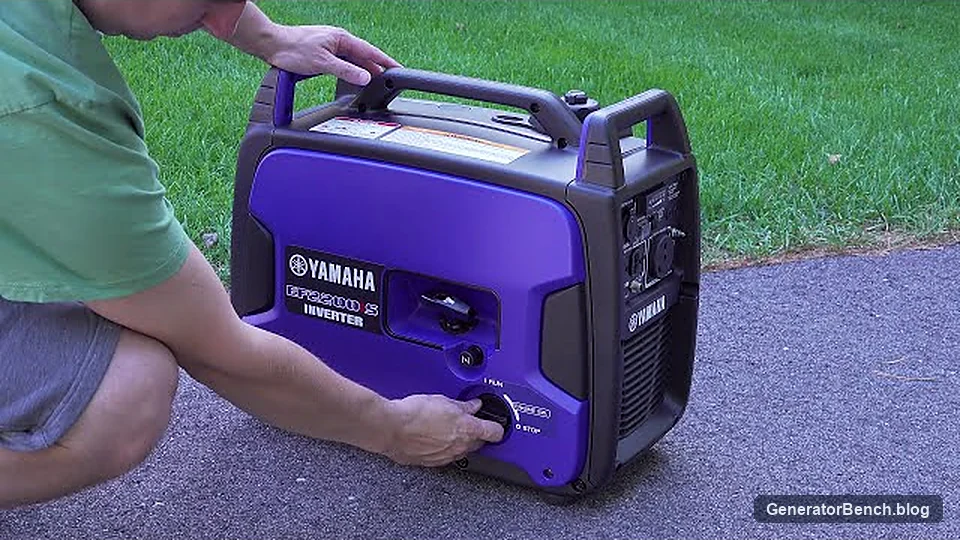
Portable units feature freestanding polymer chassis built for rapid deployment on docks or campsites without permanent modifications. This lack of integration demands manual placement and careful tethering.
Marine generators require permanent bulkhead reinforcement, heavy-gauge stringer mounts, and vibration isolation mounts to handle relentless hull pounding. Conversely, portable units sit freely on non-skid decks using temporary rubber feet.
Installing a dedicated marine chassis demands precise alignment with the driveshaft or acoustic enclosure, whereas portable generators need zero structural modification, relying strictly on stowage lockers during heavy sea states.
- Marine systems bolt securely to heavy structural stringers, absorbing complex dynamic vessel rolls and pitch movements across rough open ocean waters safely.
- Portable generators rest on rubber dampening feet, requiring flat surfaces and manual stabilization to prevent unwanted walking during high electrical loads.
Structural Installation Demands
Permanent marine integration requires professional fiberglass work, custom exhaust routing, and dedicated through-hull fittings for ensuring proper long-term operation.
Reviewing options within our best portable solar power generator roundup shows how portable alternatives completely bypass complex shipyard modifications, delivering instant electrical power straight from the box with zero structural alterations required.
- Shipyard fitting guarantees structural integrity against rough seas.
- Out-of-box usability requires zero permanent hardware mounting.
Cooling Systems and Thermal Management
Marine generators rely on raw water cooling utilizing hull scoops and heat exchangers to dissipate engine heat directly into surrounding bodies of water.
Portable units depend on forced-air cooling via integrated flywheel fans drawing ambient air through external louvered vents on the plastic housing.
Marine models utilize raw-water heat exchangers with zinc anodes to prevent galvanic corrosion, drawing surrounding ocean water through a thru-hull fitting. Portable generators depend entirely on ambient air forced across cooling fins.
When choosing backup options, browsing our best portable electric generator guide helps you avoid using air-cooled units in confined vessel compartments where carbon monoxide accumulates rapidly.
- Raw water loops require sacrificial zinc anodes to prevent galvanic corrosion from destroying internal heat exchanger tubes over extended operational periods.
- Air-cooled portable models struggle in high ambient temperatures, risking thermal throttling when operated inside poorly ventilated enclosures or small lockers.
Environmental Heat Dissipation
Water-cooled marine engines maintain optimal operating temperatures regardless of ambient air conditions inside a cramped, poorly ventilated engine compartment.
Portable air-cooled generators need substantial clearance around intake and exhaust louvers to prevent dangerous overheating during peak load conditions.
- Raw water offers superior thermal capacity than ambient air.
- Enclosed spaces suffocate standard air-cooled portable engines.
Electrical Output and Inverter Stability
Marine models supply clean sinusoidal power designed specifically to protect sensitive onboard navigation arrays and complex marine-grade multi-stage battery chargers.
Selecting units from our best portable generator for home backup analysis reveals advanced inverter modules delivering stable voltage regulation suitable for running standard household appliances and delicate consumer electronics.
Marine AC generators deliver ultra-stable power synchronized for sensitive marine electronics, utilizing robust copper windings and advanced digital AVRs. Portable inverter generators offer clean sine waves suitable for household appliances but lack rugged marinized coatings.
Voltage regulation in marine setups prevents destructive surges during inductive motor starts, whereas portables can experience voltage sags when powering heavy refrigeration compressors under harsh saltwater conditions that degrade exposed terminal connections.
- High-end marine alternators provide massive continuous amperage to replenish large 12-volt or 24-volt DC battery banks quickly while anchored offshore.
- Portable generators offer standard alternating current receptacles alongside USB ports, catering directly to mobile devices rather than heavy DC banks.
Voltage Regulation Performance
Dedicated marine power centers prevent voltage sags during heavy inductive loads like large air conditioning compressors or water makers.
Modern portable inverters maintain ultra-low harmonic distortion, ensuring safe charging for laptops and smartphones far away from the grid.
- Inductive load handling requires robust marine alternator capacity.
- Inverter cleanliness protects sensitive digital tech on land.
Portability, Weight, and Footprint Constraints
Marine generators feature heavy cast-iron blocks and integrated sound enclosures, often weighing several hundred pounds and demanding crane assistance for installation.
Portable generators utilize lightweight aluminum alloys and high-impact polymers, prioritizing ergonomic carry handles and optional wheel kits for easy mobility.
Portable generators offer unmatched deployment flexibility, allowing users to move the unit to the swim platform or store it ashore. Marine generators impose a permanent weight penalty and consume valuable bilge volume below deck.
While a portable unit weighs roughly seventy pounds and can be deployed in minutes, fixed marine systems often exceed three hundred pounds, requiring crane assistance for major overhauls or complete engine bay replacements.
- Fixed marine setups consume valuable bilge space permanently, trading precious cubic footage for uninterrupted, high-capacity electrical generation capabilities.
- Portable models can be stowed in a locker or truck bed, offering supreme flexibility when power is needed in multiple locations.
Mobility and Storage Trade-offs
You cannot easily remove a marine generator once installed, locking your dedicated power infrastructure permanently to the host vessel's hull.
Portable alternatives provide ultimate deployment versatility, moving effortlessly from dockside maintenance tasks straight to weekend land-based camping adventures.
- Permanent installation eliminates theft risks during transit.
- Wheeled portability offers multi-environment job site readiness.
Maintenance Protocols and Service Longevity
Marine units demand rigorous seasonal servicing, including raw water impeller replacements, heat exchanger descaling, and meticulous zinc anode inspections routinely.
Portable generators require straightforward engine maintenance, focusing primarily on air filter cleaning, spark plug changes, and routine oil replacements.
Selecting options from our best portable generator for home collection avoids tight bilge workspaces, featuring easy-access side panels for quick oil and filter changes instead of complex marinized maintenance.
Marine units achieve exceptional longevity by utilizing cast iron blocks and closed cooling systems, whereas portable units face accelerated degradation from salt spray ingestion and high-humidity environments that rust internal components.
- Professional marine mechanics are often required for complex repairs due to tight engine room clearances and specialized raw water plumbing systems.
- Portable equipment allows DIY enthusiasts to perform complete tune-ups easily with basic hand tools in a matter of minutes.
Long-Term Durability Factors
Built with marinized components and corrosion-resistant coatings, marine generators easily outlast standard portable units in harsh saline environments.
Portable units experience faster degradation when exposed to constant ocean spray, requiring protective covers and careful freshwater rinses frequently.
- Marinization prevents catastrophic salt-induced rust degradation.
- Polymer portable shells need shelter from marine elements.
Safety Compliance and Exhaust Venting
Marine generators must adhere to strict Coast Guard regulations, featuring water-injected exhaust elbows and rigorous carbon monoxide alarm integrations.
Portable generators rely on outdoors-only positioning rules, requiring strict placement downwind to prevent lethal carbon monoxide accumulation inside enclosed spaces.
Marine installations must comply with strict ABYC standards, requiring water-injected exhaust elbows, muffled water-separators, and automatic bilge blower interlocks to eliminate lethal gas buildup in enclosed hull spaces.
Portable generators lack these integrated safety systems and must always be operated outdoors on deck, positioned downwind with exhaust directed away from companionways to prevent fatal carbon monoxide poisoning aboard the vessel.
- Unvented marine exhaust can fill a cabin with deadly fumes within minutes, making high-integrity water-cooled exhaust systems absolutely mandatory.
- Portable units feature built-in carbon monoxide shutdown sensors, automatically halting engine operation if toxic gas concentrations exceed safe threshold limits.
Ventilation and Emission Safety
Marine installations utilize dedicated blower fans to evacuate residual fuel vapors from the bilge before starting the internal combustion engine.
Portable generators eliminate enclosed bilge vapor risks by operating entirely in open-air environments away from cramped hull compartments.
- Bilge blowers prevent explosive fuel vapor accumulation safely.
- Open-air placement naturally mitigates toxic exhaust pocketing.
Frequently Asked Questions
Can I use a portable generator safely on a boat deck?
Operating portable generators on a boat deck introduces severe carbon monoxide hazards and electrical shock risks from moisture. Marine-certified generators remain the only safe permanent solution for vessels.
Why are marine generators significantly more expensive than portable models?
Marine units require specialized raw water pumps, heavy sound shields, and corrosion-resistant alloys built to withstand harsh saltwater. Marinized engineering ensures long-term reliability in extreme marine conditions.
Do portable generators require raw water cooling loops?
No, portable generators rely exclusively on forced-air cooling using flywheel fans and ambient air vents. This makes them simpler but unsuitable for enclosed below-deck marine compartments.
How often should marine generator zinc anodes be checked?
You should inspect raw water zinc anodes every few months to prevent galvanic corrosion from destroying internal heat exchanger components. Routine anode replacement protects your investment.
Can a portable generator recharge large marine battery banks?
While portable units can power standard battery chargers through AC outlets, they lack the massive DC alternator output needed. Dedicated marine generators supply superior charging amperage.