Lpg Generator vs. Diesel Generator: Which Fits Your Setup Better?
Choosing between gaseous propane and compression-ignition fuel dictates your entire backup power reliability. Understanding their combustion properties ensures optimal equipment longevity.


For continuous commercial prime power, diesel generators dominate rugged job sites. When seeking clean residential backup with infinite fuel shelf life, LPG generators win outright.
Compare all top models in our Best Home Emergency Generator.
Side-by-Side Breakdown
| Criteria | Lpg Generator | Diesel Generator | Edge |
|---|---|---|---|
| Peak Performance & Output | Lower energy density per gallon | High energy density and torque | Diesel Generator |
| Duty Cycle & Consistency | Moderate continuous rating | Exceptional heavy prime power | Diesel Generator |
| Operating Noise & Vibration | Quieter gaseous combustion | Loud compression knock | Lpg Generator |
| Portability & Footprint | Lighter portable tanks | Heavy blocks and bulk tanks | Lpg Generator |
| Maintenance & Service Life | Clean burning, low carbon | Robust blocks, high service | Diesel Generator |
| Power Requirements | Standard electrical loads | Heavy commercial surges | Diesel Generator |
| Best Ideal Use-Case | Residential standby and camping | Industrial job sites and farms | Split |
Evaluating Combustion Physics and Power Delivery
Comparing generator performance requires analyzing fuel energy density. Liquid propane gas provides roughly 91,500 BTUs per gallon, delivering smooth combustion with minimal carbon deposits inside the combustion chamber.
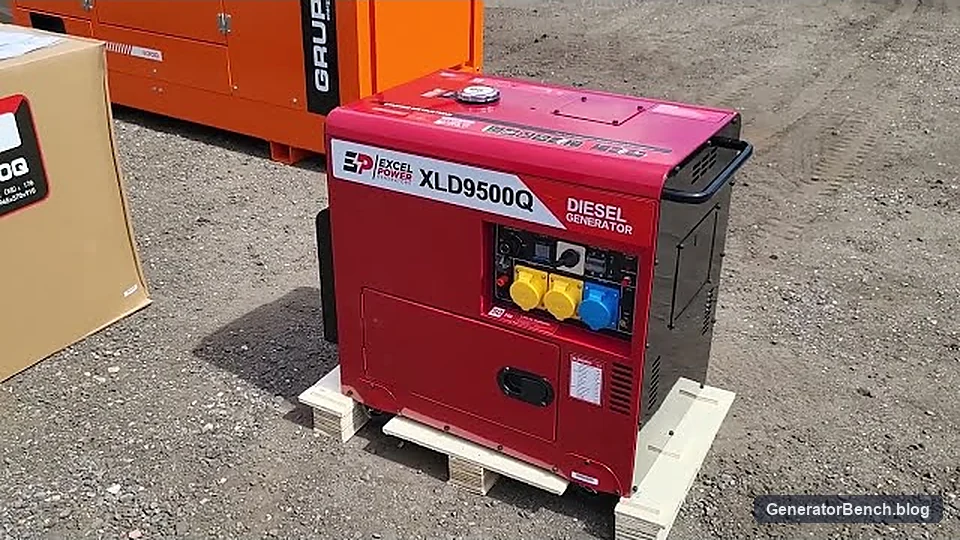
Every reliable best small diesel generator relies on fuel packing about 138,500 BTUs per gallon. This high energy density allows compression-ignition engines to handle massive electrical surges without experiencing sudden voltage sags.
Both systems convert mechanical rotation into alternating current effectively, but their underlying thermodynamic cycles behave differently under sudden load applications during high-demand grid failure events.
Propane features a high octane rating around 104, allowing higher compression ratios without destructive engine knock. This stoichiometric property maximizes thermal efficiency in spark-ignited generator blocks under heavy, fluctuating loads.
Diesel engines rely on compression ignition, utilizing ratios exceeding 16:1 to spontaneously combust fuel droplets. This design delivers superior torque density and consistent governor response during sudden block-load acceptance steps.
When converting spark-ignited units to vapor-withdrawal propane, expect a 10% power loss compared to gasoline due to lower energy density. Liquid-withdrawal setups mitigate this deficit by injecting pressurized fuel directly into the intake tract.
- Propane features cleaner chemical composition producing less internal engine wear
- Diesel delivers superior torque crucial for starting heavy motor loads safely
- Gaseous fuel requires specialized carburetion to maintain correct air-fuel ratios
Transient Response Under Sudden Electrical Loads
When heavy inductive loads like central air conditioners kick on, engine governors must react instantly. Diesel units utilize high compression ratios to recover frequency faster than typical spark-ignited engines.
Propane engines often experience a minor momentary voltage drop during heavy step-loading events. Proper electronic fuel injection significantly mitigates this behavior on modern high-end portable inverter units.
- Diesel engines recover rated frequency within two to three load cycles
- Propane units benefit greatly from advanced electronic throttle actuation systems
Fuel Storage Stability and Infrastructure Realities
Fuel longevity heavily dictates your emergency preparedness posture. Propane never degrades over time, allowing sealed cylinders to sit safely outdoors for years without losing chemical integrity or combustibility.
Traditional diesel fuel undergoes oxidation and microbial growth within months. Storing diesel safely requires regular fuel polishing, chemical stabilizer additives, and careful water separation protocols to prevent injector failure.
Liquid petroleum gas offers indefinite shelf life stability because it does not degrade, varnish, or attract ambient moisture like diesel fuel. This eliminates tank polishing requirements during extended standby storage periods in remote facilities.
Diesel mandates strict microbial control protocols, requiring biocide additives and fuel filters to prevent clogs from hydrocarbon-consuming bacteria. Underground tanks also demand cathodic protection to prevent costly environmental leaks over decades.
- LPG tanks maintain internal pressure and purity indefinitely in storage
- Diesel mandates strict tank management to prevent microbial contamination
- Propane infrastructure relies on pressurized tanks or fixed neighborhood lines
Logistics of Refueling During Extended Grid Outages
During catastrophic regional blackouts, local gasoline and diesel pumps often fail due to electrical grid loss. Propane distribution networks frequently maintain backup power generators for continuous operations.
Sourcing bulk fuel when choosing a best portable diesel generator model during prolonged emergencies proves challenging if delivery trucks cannot navigate compromised roadways. Portable propane units remain easier to transport locally.
- Standard propane swap tanks offer exceptional suburban retail availability
- Bulk diesel delivery requires specialized tanker access and large storage tanks
Thermal Dynamics and Long-Term Durability
Engine block longevity depends directly on operating temperatures and lubrication quality. Diesel powerplants utilize heavy-duty cast-iron blocks designed to endure high operating pressures and continuous heavy loads for decades.
LPG engines operate at slightly higher exhaust gas temperatures, which can accelerate valve seat wear if hardened components are absent. However, cleaner oil intervals help offset thermal fatigue significantly.
Propane combustion burns exceptionally dry and clean, significantly reducing carbon buildup on exhaust valves and spark plugs. However, it generates higher exhaust temperatures, requiring upgraded manifold metallurgy and precise ignition timing.
Diesel units operate with heavy-duty cast iron blocks engineered to withstand massive cylinder pressures and continuous thermal cycling. Their inherent internal lubrication from fuel oil minimizes upper cylinder wear during prolonged operations.
- Diesel blocks feature thick cylinder walls built for thousands of service hours
- Propane combustion eliminates liquid washdown, reducing piston ring wear
- Proper cooling system maintenance remains vital for both engine platforms
Component Wear Patterns Across Extended Run Hours
When evaluating options inside any best diesel generator lineup, running engines under light loads often causes cylinder glazing. This phenomenon decreases compression efficiency and increases oil consumption if operators fail to load equipment properly.
Propane units rarely suffer from cylinder glazing due to the gaseous state of the fuel. Spark plugs and ignition coils require periodic replacement, whereas diesel systems focus on fuel injectors.
- Diesel units require periodic high-load exercising to prevent wet stacking
- Propane systems demand routine ignition component inspection every season
Acoustic Signatures and Site Environmental Footprint
Job site and residential noise regulations dictate strict decibel limits for portable generators. Spark-ignited propane generators generally produce a softer exhaust note that integrates more easily into residential neighborhoods.
Compression-ignition engines emit a characteristic mechanical knock during combustion. Sound abatement enclosures are mandatory on diesel units to keep noise levels compliant with suburban municipal ordinances.
Spark-ignited generators running on LPG produce a softer acoustic profile, often measuring lower decibel outputs at equivalent loads than their diesel equivalents. Their smoother combustion curve minimizes mechanical hammering inside the crankcase.
Diesel generators emit distinct low-frequency hums and require heavy acoustic enclosures to satisfy EPA Tier 4 noise ordinances. Their particulate emissions also necessitate diesel particulate filters and continuous emissions monitoring on site.
- Propane generators typically measure lower in high-frequency harshness
- Diesel models produce low-frequency vibration requiring sturdy isolation mounts
- Emissions profiles favor propane for cleaner local air quality indices
Emissions Compliance and Carbon Footprint Metrics
Environmental agencies enforce strict tier standards on stationary and portable combustion engines. Propane burns significantly cleaner, emitting lower particulate matter and reduced nitrogen oxide levels into the atmosphere.
Modern diesel generators utilize complex exhaust aftertreatment systems, including diesel particulate filters and urea injection. These systems demand careful operational management to avoid clogging during light-load cycles.
- Propane achieves compliance easily without expensive exhaust scrubbers
- Diesel requires active regeneration cycles to clear particulate traps
Maintenance Protocols and Component Service Intervals
Routine maintenance schedules dictate the long-term cost of ownership for any backup power asset. Propane units enjoy cleaner oil due to the absence of soot, extending oil change intervals safely.
Following our diesel generator maintenance schedule guide, units demand rigorous filter replacement regimes. Operators must service fuel filters, water separators, and oil filters meticulously to protect expensive high-pressure injection components.
LPG systems bypass fuel filter replacements and injector cleanings, extending routine maintenance intervals primarily to oil and spark plug changes. Vaporizers require periodic inspection for oil residue accumulation and diaphragm fatigue.
Diesel maintenance is labor-intensive, demanding regular replacement of primary and secondary fuel water separators alongside complex high-pressure common rail diagnostics. Neglecting these items causes catastrophic pump and injector wear.
- Propane engines keep lubricating oil remarkably clean between service intervals
- Diesel fuel systems require vigilant water separator monitoring and draining
- Both generator types necessitate regular air filter cleaning in dusty environments
Troubleshooting Common Fuel System Malfunctions
Gaseous fuel delivery relies on precise pressure regulators and solenoid lock-off valves. Freezing regulator bodies can occur during extreme draw rates if ambient temperatures drop below freezing thresholds.
Diesel fuel systems can suffer from air binding or fuel gelling in sub-zero weather. Maintaining correct winterized fuel blends prevents paraffin wax precipitation inside fuel lines and filter elements.
- Propane regulators require proper sizing to prevent vaporization freezing
- Diesel fuel needs anti-gel additives during severe winter conditions
Cold Weather Behavior and Starting Reliability
Starting internal combustion engines in freezing temperatures tests fuel delivery limits. Diesel engines rely on high heat of compression, making glow plugs or block heaters essential for reliable winter starts.
LPG tanks can experience reduced vapor pressure when ambient temperatures plummet. This physical property requires large enough propane tank sizing to maintain adequate gas vaporization during extreme cold.
Liquid petroleum gas tanks drop in internal pressure when ambient temperatures plummet, potentially causing vaporization failure if withdrawal rates exceed ambient thermal transfer. Proper sizing and winter-blend propane mitigate this risk.
Diesel fuels experience paraffin crystallization at sub-zero temperatures, plugging fuel filters unless treated with anti-gel additives. Grid heaters and block heaters are mandatory to achieve reliable cold starts in freezing environments.
- Diesel engines struggle in bitter cold without functioning block heaters
- Propane vapor pressure drops significantly as mercury dips below freezing
- Proper winter preparation ensures dependable emergency power delivery
Mitigating Environmental Obstacles in Sub-Zero Climates
Operators in northern climates must utilize insulated tank blankets for propane cylinders to maintain internal vapor pressure. This simple hardware addition guarantees steady fuel delivery during deep winter storms.
Diesel operators must install high-capacity battery maintainers and heated fuel filters. Ensuring adequate cranking amperage prevents starting failures during unexpected grid outages in freezing weather.
- Insulated thermal blankets stabilize propane tank pressure effectively
- Heated diesel filter bowls prevent paraffin crystallization in sub-zero weather
Selecting the Optimal Fuel Platform for Specific Workloads
Matching your generator to your specific power demands prevents premature equipment failure. Homeowners prioritizing clean emergency backup and easy fuel storage find propane systems ideal for residential properties.
Contractors running heavy industrial tools on remote job sites benefit immensely from the rugged durability and torque of diesel powerplants. Evaluate your specific operational environment carefully before purchasing.
Choose LPG for standby applications where clean emissions, zero fuel degradation, and earthquake resilience outweigh maximum continuous power density. It excels in commercial buildings and residential backup power scenarios.
Deploy diesel for heavy prime power and industrial sites requiring relentless durability, high load factors, and immediate access to bulk refueling infrastructure. It remains the undisputed king for heavy-duty commercial operations.
- Assess your typical load profile and maximum continuous wattage requirements
- Consider local fuel availability and refueling logistics during emergencies
- Balance initial equipment investment against long-term maintenance overhead
Final Decision Framework for Facility Managers
Facility managers should calculate expected run hours and fuel logistics before standardizing backup generators. Sites requiring round-the-clock prime power benefit from industrial diesel units with bulk storage.
Locations needing intermittent standby power with minimal maintenance overhead should lean toward clean-burning propane generators. Both systems deliver reliable electricity when properly sized and maintained.
- Prime power applications strongly favor heavy-duty diesel engineering
- Standby residential setups maximize convenience with propane fuel platforms
Frequently Asked Questions
Can a standard gasoline generator be converted to run on LPG safely?
Many portable generators accept aftermarket tri-fuel conversion kits easily. However, professional installation is vital to guarantee proper gas regulation and prevent dangerous fuel leaks.
Why do diesel generators last longer than standard gas or propane units?
Diesel engines feature heavy-duty cast-iron blocks and high compression designs built for industrial longevity. This robust construction ensures exceptional mechanical durability across thousands of operating hours.
Does propane fuel expire or go bad in storage tanks over time?
Propane maintains its chemical stability indefinitely inside sealed pressurized containers. This characteristic provides infinite fuel shelf life, making it superior for long-term emergency disaster preparation.
What causes wet stacking in diesel generators during light-load operation?
Running diesel engines below optimal thermal capacity causes unburned fuel accumulation in exhaust systems. Proper load management and periodic high-load exercising prevent this common maintenance issue.
Which fuel type operates more quietly in residential neighborhoods?
Propane generators typically produce a smoother, less intrusive exhaust sound profile. Selecting a unit with an acoustic enclosure ensures optimal neighborhood compliance during extended outages.