Inverter Generator vs. Traditional Generator: Which Fits Your Setup Better?
Choosing portable power requires balancing precise electronic safety against raw mechanical output. Understanding internal power conversion mechanics determines whether your sensitive gear or heavy jobsite tools remain fully protected during sudden outages.

Inverter generators win for clean electronic safety and quiet residential camping, while traditional generators dominate heavy industrial jobsite demands. Select based strictly on your load sensitivity and continuous power volume requirements.
Compare all top models in our Best Home Emergency Generator.
Side-by-Side Breakdown
| Criteria | Inverter Generator | Traditional Generator | Edge |
|---|---|---|---|
| Peak Performance & Output | Variable RPM matching current load | Fixed 3600 RPM constant output | Traditional Generator |
| Duty Cycle & Consistency | High stability via microprocessors | Reliable heavy surge capacity | Inverter Generator |
| Operating Noise & Vibration | Sound-attenuated enclosure (<60 dB) | Loud open-frame exhaust (>70 dB) | Inverter Generator |
| Portability & Footprint | Lightweight suitcase style with handle | Heavy steel roll cage and wheels | Inverter Generator |
| Maintenance & Service Life | Complex circuit boards require care | Simple mechanical engines easy to fix | Traditional Generator |
| Power Requirements | Pure sine wave under 3% THD | Higher harmonic distortion standard | Inverter Generator |
| Best Ideal Use-Case | Sensitive electronics and camping | Jobsite tools and whole-home backup | Split by Workload |
Fundamental Power Generation Architecture
Traditional generators rely on a direct mechanical link between the engine and alternator. Operating at a fixed three thousand six hundred revolutions per minute ensures stable sixty hertz frequency output under shifting loads.
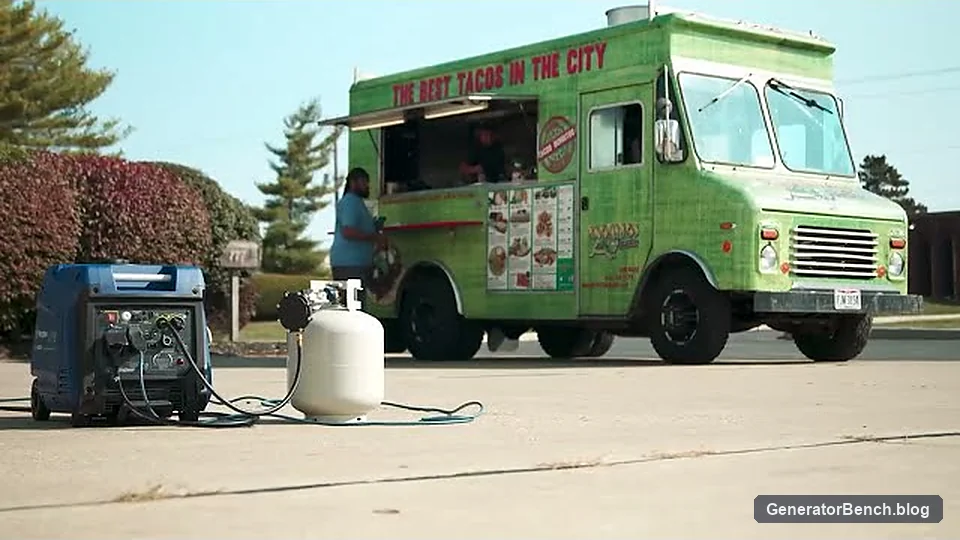
Inverter models decouple engine speed from alternator output completely to reduce noise. Selecting the right quietest generator inverter model ensures peaceful operation while safely converting raw AC into clean household electricity.
Traditional units rely on a revolving field alternator directly coupled to the engine crankshaft, spinning at a fixed 3,600 RPM to maintain standard frequency. This mechanical coupling forces raw AC production.
Conversely, inverters utilize multi-pole permanent magnet alternators generating high-frequency alternating current. A solid-state inverter module then rectifies this wild AC into DC before cleanly inverting it back into stable AC power.
- Direct mechanical coupling maintains rigid engine speeds.
- Multi-stage electronic inversion creates stable synthetic power.
- Alternator design dictates overall weight and operating thermal loads.
Alternator Physics and Winding Design
Synchronous alternators in standard units use heavy copper windings and rotating fields. This robust architecture handles massive surge currents easily but increases overall unit mass significantly.
Permanent magnet alternators in modern inverters utilize rare earth magnets. They pack high magnetic flux density into compact spaces, dropping weight while maintaining reliable magnetic induction.
- Copper winding mass dictates thermal capacity.
- Permanent magnets reduce physical footprint.
Voltage Regulation and Harmonic Distortion
Total harmonic distortion measures the purity of an alternating current waveform. Conventional units often exhibit distortion levels exceeding six percent, which can overheat sensitive microprocessors inside modern appliances.
Inverter units maintain exceptionally clean sine waves with minimal distortion. Upgrading to our recommended best power inverter generator guarantees safe, reliable pure sine wave output for sensitive laptops and medical devices.
Conventional alternators often suffer from voltage fluctuations and a Total Harmonic Distortion exceeding twenty percent. This rough current can overheat sensitive microprocessors found in modern household appliances and computing gear.
Inverter units implement sophisticated microprocessors to synthesize a pure sine wave, holding THD below three percent. This pristine electrical output mirrors utility grid power, safeguarding medical devices and precision instrumentation.
- High harmonic distortion risks electronic component failure.
- Microprocessor stabilization ensures pristine wave shapes.
- Clean power prevents thermal degradation in motors.
Sensitive Electronics Safeguards
Modern homes contain expensive appliances with integrated circuit boards. Feeding these devices erratic voltage risks frying internal power supplies instantly during prolonged emergency outages.
- Integrated circuits demand clean electrical current.
- Voltage spikes destroy unprotected control boards.
Fuel Efficiency and Variable Throttle Mechanics
Traditional units run continuously at maximum revolutions per minute regardless of actual electrical demand. This constant high speed burns significant amounts of fuel and accelerates mechanical wear over extended run times.
Inverters feature smart throttles that adjust engine speed dynamically to match current wattage draws. Slowing down under light loads reduces fuel consumption dramatically and extends overall runtime per gallon.
Standard generators run continuously at maximum RPM regardless of the actual electrical draw, wasting fuel during low-load intervals. This rigid operation increases mechanical wear and thermal stress across the exhaust valve assemblies.
Inverter systems feature smart throttle technology that automatically modulates engine speed to match demand. Upgrading to the best portable inverter generator significantly improves fuel economy and extends your overall runtime capacity during emergencies.
- Fixed engine speeds waste fuel during low-wattage operation.
- Variable throttles match mechanical output to active electrical load.
- Eco-modes lower ambient noise signatures effectively.
Extended Runtime Analysis
Efficiency gains become most apparent during overnight camping or partial home backup scenarios. Using less gasoline per kilowatt-hour lowers operational costs substantially over long weather emergencies.
- Lower fuel usage minimizes refueling frequency.
- Partial loads yield massive efficiency multipliers.
Acoustic Output and Enclosure Engineering
Open-frame traditional generators produce loud, abrasive exhausts often exceeding seventy decibels at twenty feet. Their exposed engines lack sound-dampening materials, making backyard use disruptive to neighbors.
Inverters utilize fully enclosed, sound-attenuated housings lined with acoustic foam. These clever designs muffle mechanical clatter, keeping noise levels comparable to a normal conversation during typical operation.
Open-frame traditional units expose the engine and exhaust components, routinely producing noise levels between 72 and 76 decibels at twenty-two feet. This acoustic output requires hearing protection during prolonged operational intervals.
Enclosed inverters deploy sound-dampening foam, baffled exhaust systems, and targeted airflow channels to suppress operational noise down to 50 to 58 decibels. This engineering allows conversational usability in dense residential areas.
- Open frames amplify mechanical engine noise.
- Enclosed housings trap sound waves effectively.
- Muffler tuning reduces high-frequency exhaust notes.
Decibel Benchmarking
Measuring sound pressure at standard operating distances reveals stark operational differences. Inverters typically hover around fifty to sixty decibels, whereas traditional units roar much louder.
- Lower decibels improve campsite comfort.
- High noise levels restrict residential deployment.
Physical Footprint and Weight Distribution
Traditional generators are bulky, heavy machines requiring steel roll cages and pneumatic wheel kits for transport. Their heavy copper alternators make lifting them into truck beds a strenuous two-person task.
Inverter generators prioritize compact, suitcase-style integration with molded polymer handles. Their lightweight construction allows single-user transport, making them exceptionally popular for tailgating and mobile work sites.
Conventional generator frames utilize heavy tubular steel skeletons to support bulky copper-wound stators, pushing dry weights well past one hundred pounds. Maneuvering these heavy machines requires dedicated wheel kits and leverage.
Compact inverter architecture replaces heavy iron cores with lightweight neodymium magnets, reducing total system weight by nearly forty percent. Ergonomic suitcase handles facilitate single-person lifting and secure trunk storage.
- Steel frames add substantial dead weight.
- Polymer shells protect internal components gracefully.
- Ergonomic handles simplify single-person loading.
Ergonomic Mobility Solutions
Maneuvering heavy equipment across rough terrain demands robust wheel assemblies. Lighter inverter units bypass heavy wheel kits entirely, relying on balanced center-of-gravity carry designs instead.
- Center-of-gravity balance improves carrying comfort.
- Compact dimensions fit crowded vehicle trunks.
Maintenance Protocols and Long-Term Durability
Conventional power units feature simple, robust small engines with easy access to spark plugs and carburetors. Their mechanical simplicity allows local mechanics to service them without specialized diagnostic tools.
Inverters pack complex electronic inverter modules alongside microprocessors. While their mechanical engines remain reliable, internal computer boards introduce another potential failure point requiring professional electronic repairs.
Maintaining traditional engines demands frequent brush inspections within the alternator head, alongside standard oil changes every one hundred operational hours. Carbon buildup on the spark arrestor requires regular manual cleaning.
Inverter units eliminate brush wear entirely through brushless alternator designs, shifting maintenance focus to clean inverter module cooling fins. Sealed electronics protect core circuitry from moisture intrusion and particulate damage.
- Simple carburetors simplify DIY servicing tasks.
- Electronic control boards add diagnostic complexity.
- Routine oil changes protect critical internal clearances.
Component Lifespan Factors
Operating environment and routine maintenance schedules dictate long-term durability across both equipment classes. Clean air filters and regular oil changes prevent premature cylinder scoring effectively.
- Scheduled maintenance prevents catastrophic failure.
- Dust intrusion ruins internal alternator windings.
Application-Specific Load Suitability
Heavy jobsite demands involving large air compressors and circular saws require massive starting wattage. Traditional units deliver high surge power reliably without triggering protective electronic overloads.
Recreational camping, sensitive electronics powering, and emergency home lighting favor clean inverter power. Their parallel capability also lets users link two smaller units for doubled output.
Jobsite applications involving heavy-duty power tools, air compressors, and circular saws benefit from the high surge wattage provided by conventional frame generators. These units withstand severe voltage sags during motor startup phases.
RV camping and emergency home backup require clean, quiet power to run sensitive electronics. Choosing the best inverter generator for home backup ensures reliable operation, while parallel kits combine units for higher limits.
- Jobsite tools demand high surge capacity.
- Parallel kits double available inverter wattage.
- Clean power safeguards sensitive medical equipment.
Parallel Operation Capabilities
Linking two identical inverters via parallel cables delivers double the electrical output without buying a massive single unit. This modular approach preserves portability while expanding capacity.
- Modular linking increases maximum wattage.
- Dual setup maintains individual portability benefits.
Frequently Asked Questions
Can I run sensitive medical devices safely on a traditional generator?
Traditional units produce high harmonic distortion that can damage sensitive microprocessors. Always use an inverter generator or a robust online UPS to protect medical hardware.
Why are inverter generators noticeably more expensive than traditional models?
Inverters require advanced microprocessors and dual-stage power conversion electronics. This complex engineering increases manufacturing costs compared to basic direct-drive alternators.
Can I connect two inverter generators together for more power?
Most modern inverter generators feature parallel ports and cables. Linking two identical units doubles your available wattage while retaining lightweight portability.
Do traditional generators last longer than inverter generators?
Both classes last thousands of hours with proper maintenance. Traditional units feature simpler electrical components, whereas inverters contain sensitive circuit boards that can fail.
Are traditional generators too loud for residential neighborhoods?
Conventional open-frame units typically exceed seventy decibels during operation. This loud exhaust noise often violates local noise ordinances, making them unpopular in dense neighborhoods.