Goal Zero vs. Gas Generator: Which Fits Your Setup Better?
Weighing silent electrochemical storage against combustion muscle requires careful mapping. Modern users must balance energy density against zero-emission convenience for reliable off-grid uptime.

For quiet indoor backup and light camping, Goal Zero excels. For heavy construction or multi-day grid failures, a Gas Generator remains the undisputed power champion.
Compare all top models in our Best Home Emergency Generator.
Side-by-Side Breakdown
| Criteria | Goal Zero | Gas Generator | Edge |
|---|---|---|---|
| Peak Performance & Output | Moderate continuous wattage | High continuous surge capacity | Gas Generator |
| Duty Cycle & Consistency | Limited by battery capacity | Extended via constant fuel supply | Gas Generator |
| Operating Noise & Vibration | Nearly silent operation | High decibel mechanical roar | Goal Zero |
| Portability & Footprint | Lightweight integrated carry design | Heavy frame with steel tubing | Goal Zero |
| Maintenance & Service Life | Zero mechanical maintenance needed | Routine oil and filter changes | Goal Zero |
| Power Requirements | Solar panels or wall grid | Gasoline or propane fuel | Gas Generator |
| Best Ideal Use-Case | Indoor emergency and camping | Jobsite power and long outages | Split |
Core Architecture and Power Delivery Mechanics
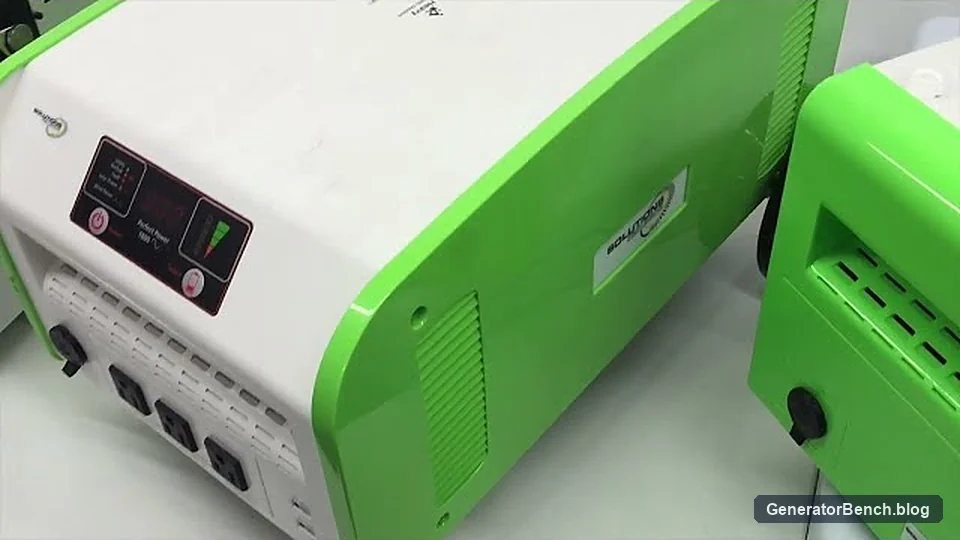
Goal Zero units rely on lithium-ion chemistry and sophisticated inverters to convert DC stored energy into clean AC output. This architecture produces zero toxic emissions, allowing safe operation inside confined residential spaces.
Gas generators utilize internal combustion engines coupled to alternators to generate raw electrical current. Evaluating choices from a best propane gas generator list reveals how fuel flexibility affects mechanical vibration and voltage stability.
Goal Zero power stations rely on lithium-ion chemistry and sophisticated inverter architecture to convert DC battery storage into stable AC current, yielding clean pure sine wave output safely.
Conversely, conventional gasoline generators utilize internal combustion engines coupled to alternators, producing raw electrical power that requires electronic harmonic suppression and voltage regulation before powering sensitive electronics.
- Pure sine wave output protects sensitive electronics.
- Internal combustion provides immediate mechanical torque.
- Solid-state inverters eliminate moving engine parts.
Inverter Technology vs Conventional Alternator Output
Advanced inverter modules inside portable power stations deliver pure sine wave electricity suitable for sensitive medical devices. Traditional frame generators often output rougher electrical waves unless paired with costly external voltage regulation hardware.
- Inverter tech provides stable frequency control.
- Traditional alternators suffer under fluctuating loads.
Fuel Dynamics, Runtime, and Refueling Logistics
Battery systems depend entirely on initial grid charging or solar panel arrays to replenish depleted internal reserves. Extended cloudy weather can severely limit your daily recharge capacity during prolonged emergency grid outages.
Liquid fuel units offer virtually unlimited runtime as long as you maintain an adequate supply of fresh gasoline. You can refuel a running combustion engine in seconds without waiting for hours of solar recharging.
Gasoline generators depend on continuous liquid fuel supply chains, requiring safe storage containers, chemical stabilizers, and manual carburetor maintenance to prevent varnish accumulation during prolonged storage intervals.
Solar generators store chemical energy harvested from photovoltaic panels or wall outlets, eliminating volatile fuel handling while introducing recharge time constraints dependent on peak solar irradiance.
- Gasoline provides continuous runtime flexibility.
- Solar arrays offer silent, fuel-free recharging.
- Fuel storage requires chemical stabilizers over time.
Energy Density and Storage Limitations
Gasoline stores immense chemical energy per pound compared to modern battery packs, yielding higher total runtime potential. However, fuel degradation requires chemical stabilizers to prevent gumming up sensitive carburetor jets during storage.
- High energy density favors liquid fuels.
- Battery packs avoid stale fuel complications.
Acoustic Profiles and Thermal Management
Operating a battery generator creates almost zero ambient noise, making these units ideal for quiet campsites. Silent operation prevents disturbing neighbors during unexpected nighttime neighborhood power outages or emergency deployment scenarios.
Traditional combustion engines generate substantial noise pollution, often exceeding seventy decibels under heavy operational loads. Selecting options from our quietest gas generator roundup helps mitigate this roar during emergency deployments.
Combustion engines generate significant acoustic signatures, often exceeding sixty decibels at operational loads, necessitating exhaust mufflers and active forced-air cooling via integrated flywheel fans.
Battery power stations operate silently without mechanical propulsion, utilizing passive aluminum heatsinks and intelligent thermal management systems to prevent battery degradation during high wattage discharge.
- Battery units operate below conversational noise levels.
- Combustion engines require heavy muffling.
- Forced-air cooling prevents overheating.
Heat Dissipation and Forced Air Cooling
High-capacity power stations rely on internal cooling fans to manage thermal loads during rapid charging cycles. Gas engines utilize aggressive forced-air systems driven by flywheel fins to prevent catastrophic overheating under heavy loads.
- Fans manage internal battery temperatures.
- Flywheel fins cool combustion cylinders.
Portability, Ergonomics, and Field Deployment
Compact battery stations feature integrated carry handles and lightweight polymer housings designed for effortless single-person transport. Their balanced weight distribution allows you to carry them smoothly down rugged hiking trails or stairwells.
Traditional combustion generators feature heavy tubular steel frames that frequently require two people to lift safely. Their hefty cast-iron engine blocks and fuel tanks create cumbersome transport dynamics across rough jobsite terrain.
Gasoline units feature heavy steel frames, internal combustion blocks, and fluid reservoirs, creating substantial dry weight penalties that complicate transport and demand stable operating foundations.
Goal Zero systems optimize space through dense lithium cell packaging and ergonomic carrying handles, though high-capacity models still require wheeled carts for comfortable field deployment.
- Polymer housings reduce overall carrying weight.
- Steel frames protect vulnerable engine components.
- Balanced handles improve ergonomic transport.
Wheel Kits and Mobility Accessories
Larger chemical generators typically incorporate rugged wheel kits and fold-down handles to ease transit over gravel surfaces. Smaller lithium units eliminate wheels entirely because their manageable mass makes manual carrying completely practical.
- Wheel kits assist heavy gas generators.
- Compact lithium models lift easily by hand.
Maintenance Protocols and Long-Term Service Life
Electrochemical power units require virtually zero routine mechanical maintenance beyond occasional firmware updates and storage checks. You never need to worry about changing spark plugs, air filters, or draining old carburetor fuel.
Internal combustion equipment demands rigorous, scheduled maintenance routines to ensure dependable operation over many years. Regular oil changes, valve clearances, and fuel filter replacements are mandatory to prevent premature engine failure.
Internal combustion generators demand rigorous routine servicing, including regular oil changes, spark plug replacements, and air filter inspections to ensure mechanical reliability across extended runtime hours.
Electrical power stations bypass mechanical wear points, yet their internal lithium cells experience gradual capacity fade governed by cycle life ratings and optimal storage voltage.
- Lithium units eliminate oil and spark plug changes.
- Gas engines demand rigorous preventative care.
- Firmware updates keep power stations optimized.
Battery Degradation Cycles Over Time
Lithium battery chemistry gradually loses maximum capacity after hundreds of deep charge and discharge cycles. Conversely, researching the best natural gas standby generator options shows how permanent systems bypass cycle-life limitations entirely.
- Battery capacity diminishes over multiple cycles.
- Combustion engines last thousands of hours.
Environmental Tolerance and Weather Resistance
Sealed electrical enclosures protect internal battery components from dust and minor moisture during outdoor recreational activities. However, heavy rainstorms can still compromise exposed charging ports if proper waterproof covers are left open.
Combustion generators feature rugged metal construction capable of enduring harsher outdoor weather conditions during emergency operations. Selecting the best natural gas generator for whole house use provides weatherproof housing built to prevent electrical shorts.
Operating combustion engines in confined spaces risks lethal carbon monoxide poisoning, while wet weather demands careful enclosure protection to safeguard sensitive ignition components.
Battery systems eliminate exhaust hazards entirely, allowing safe indoor placement, though sensitive electronics remain vulnerable to high humidity, dust intrusion, and extreme operating temperatures.
- Sealed enclosures shield sensitive electronics.
- Metal frames withstand rugged outdoor weather.
- Carbon monoxide requires cautious outdoor placement.
High-Altitude Operational Constraints
Traditional carburetors struggle with proper air-fuel mixtures at high elevations, requiring specialized jet swaps to prevent stalling. Battery-powered generators experience no performance drop related to atmospheric pressure changes or thin mountain air.
- Carburetors require high-altitude jet adjustments.
- Battery output remains immune to elevation.
Economic Realities and Total Cost of Ownership
Initial purchase costs for high-capacity lithium generators often exceed comparable combustion units due to expensive battery cells. Over time, eliminating ongoing fuel purchases and frequent tune-ups helps offset this steeper upfront financial investment.
Gas generators offer an affordable entry point for high-wattage power output during seasonal storms or jobsite projects. Ongoing expenses for fuel, synthetic oil, stabilizers, and replacement spark plugs accumulate steadily throughout operational lifespans.
Gasoline models typically demand lower initial capital investment, but continuous fuel consumption and intensive maintenance schedules increase operational expenses over extended operational lifespans.
Solar generator architectures involve higher upfront equipment costs offset by free renewable refueling, minimal servicing requirements, and long-term battery endurance under regular utilization cycles.
- Lithium units carry higher initial purchase prices.
- Gas generators incur ongoing fuel and oil costs.
- Long-term savings favor electrochemical storage.
Fuel Storage Safety and Spillage Risks
Storing volatile gasoline inside residential garages introduces distinct fire hazards and lingering chemical odors. Clean electrochemical storage units eliminate chemical storage risks entirely, making them safer for indoor garage or basement environments.
- Gasoline storage creates garage fire hazards.
- Battery storage avoids explosive liquid fuels.
Frequently Asked Questions
Can I run a lithium power station inside my house during a power outage?
Yes, battery generators produce no carbon monoxide or toxic exhaust fumes, making them completely safe for indoor placement. You can comfortably keep them running right in your living room without ventilation worries.
How long will a typical gas generator run compared to a power station?
Gas generators can run continuously for days as long as you keep pouring fresh fuel into the tank. In contrast, battery stations stop providing electricity once their internal capacity depletes unless recharged via solar panels.
Do solar generators require expensive maintenance like gas engines do?
Solar generators demand almost zero mechanical maintenance because they lack spark plugs, oil filters, and moving pistons. You only need to wipe down your solar panels occasionally and store the battery at proper temperatures.
What happens to a battery generator when it reaches its maximum cycle limit?
Lithium battery capacity gradually diminishes over years of heavy use until it holds significantly less total charge. The unit will still function normally, but its overall runtime per charge will decrease noticeably over time.
Why do contractors still prefer gas generators over battery systems on remote jobsites?
Contractors rely on gas engines because they deliver continuous high-wattage power for heavy-duty tools without requiring lengthy recharges. Furthermore, liquid fuel provides an easily replenishable energy source for grueling all-day construction workflows.