Generator Run Time Gas vs. Propane: Which Fits Your Setup Better?
Gasoline offers higher initial volumetric energy density, whereas propane provides indefinite storage stability without chemical breakdown. Choosing the right fuel depends strictly on your runtime priorities.

Gasoline wins for raw energy output and extended run times per gallon, while propane dominates for zero-maintenance long-term storage reliability.
Compare all top models in our Best Home Emergency Generator.
Side-by-Side Breakdown
| Criteria | Generator Run Time Gas | Propane | Edge |
|---|---|---|---|
| Peak Performance & Output | Higher BTU density per gallon | Slightly lower energy output | Generator Run Time Gas |
| Duty Cycle & Consistency | Consistent liquid fuel delivery | Stable vapor pressure delivery | Propane |
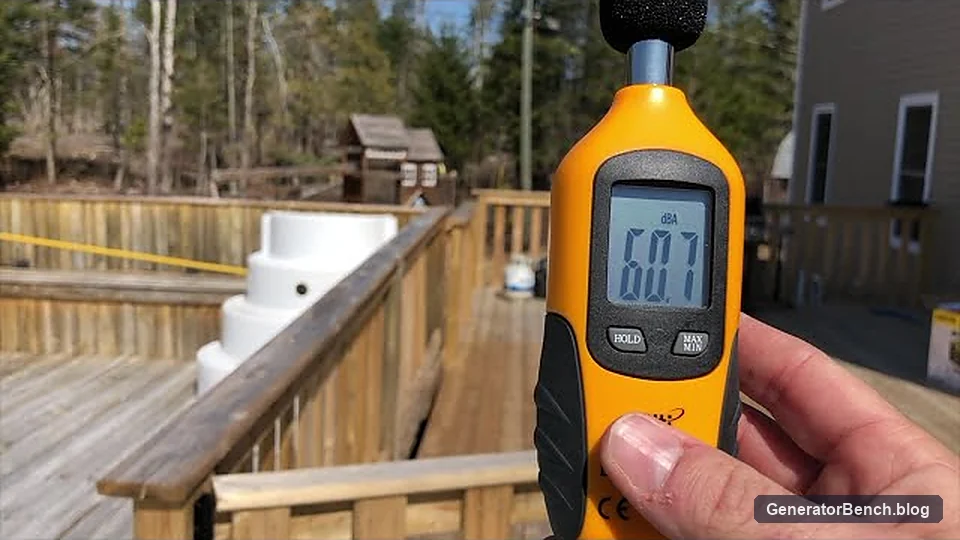
| Operating Noise & Vibration | Standard combustion acoustics | Slightly quieter dry burn | Propane |
| Portability & Footprint | Requires heavy red fuel cans | Sealed steel cylinder tanks | Propane |
| Maintenance & Service Life | Frequent carburetor cleaning needed | Zero fuel varnish buildup | Propane |
| Power Requirements | Demands mechanical fuel pumps | Requires dual-stage pressure regulators | Generator Run Time Gas |
| Best Ideal Use-Case | Immediate high-wattage job sites | Long-term emergency home standby | Propane |
Thermodynamic Energy Density and Fuel Efficiency Mechanics
Gasoline contains approximately 114,000 BTUs per gallon, giving it a distinct volumetric energy advantage over propane. Engines running on liquid fuel generally produce slightly higher peak wattage output during heavy electrical surges.
Propane delivers roughly 91,500 BTUs per gallon, which inherently reduces total runtime per equal volume compared to gasoline. Operators must account for this lower energy density when calculating fuel storage requirements for extended outages.
Gasoline delivers approximately 114,000 BTU per gallon, giving it a volumetric energy advantage over propane. You can easily calculate generator run time to plan adequate fuel reserves for extended outages.
Propane yields roughly 91,500 BTU per gallon, forcing dual-fuel engines to consume approximately twenty to thirty percent more volume to generate identical electrical output. Consequently, identical tank sizes deplete faster when operating on vapor propane fuel.
- Gasoline provides superior volumetric energy density
- Propane requires larger tanks for equivalent runtime
- Liquid fuel maximizes peak electrical surge output
Volumetric Heat Content Variations
The stoichiometric air-fuel ratio differs significantly between these two hydrocarbon sources, impacting overall thermal efficiency. Gasoline requires precise carburetor jetting, whereas propane mixes readily as a gaseous vapor inside the combustion chamber.
- Different stoichiometric ratios alter thermal efficiency
- Vapor mixing simplifies internal cylinder combustion dynamics
Storage Stability and Chemical Degradation Profiles
Modern gasoline begins degrading within thirty days as volatile compounds evaporate and leave behind sticky varnish. This chemical breakdown clogs tiny carburetor jets, causing erratic idling and eventual engine failure during emergency deployments.
Propane is stored in sealed steel cylinders under moderate pressure, preventing oxidation and fuel degradation indefinitely. You can store a propane tank for years without worrying about stale fuel or complex chemical stabilization treatments.
Refined gasoline begins oxidizing within thirty days, forming sticky varnishes that clog carburetor jets and fuel injectors. Storing standard pump gas requires chemical stabilizers to prevent permanent mechanical damage during extended seasonal storage intervals.
Liquefied petroleum gas remains chemically stable indefinitely inside sealed steel cylinders. Choosing a reliable best propane gas generator ensures your backup system starts instantly after years of storage without requiring fuel system draining.
- Gasoline degrades rapidly within thirty storage days
- Sealed propane tanks maintain chemical integrity infinitely
- Stale fuel ruins precision carburetor components
Varnish Formation and Carburetor Gumming
Eliminating liquid fuel residue drastically reduces carburetor maintenance frequency during long-term storage periods between emergency grid failures. Clean-burning gaseous fuel leaves zero carbon varnish inside precision fuel delivery systems over extended operational lifespans.
- Gaseous fuel eliminates sticky varnish buildup
- Maintenance frequency drops during long storage intervals
Combustion Chemistry and Engine Wear Factors
Gasoline combustion produces carbon particulate matter that eventually fouls spark plugs and coats piston crowns over time. Regular oil changes become mandatory every one hundred hours to remove suspended soot and combustion byproducts.
Propane burns much cleaner because it enters the engine as a true vapor rather than liquid droplets. This dry combustion process significantly extends spark plug life and reduces harmful oil dilution inside the crankcase.
Gasoline combustion produces carbon deposits on piston crowns over extended operational hours. Operating even the quietest gas generator requires routine spark plug inspections and carbon scraping to maintain optimal compression ratios.
Propane burns significantly cleaner, producing virtually zero soot and substantially reducing oil contamination rates. This clean combustion chemistry extends oil change intervals and reduces overall internal wear across critical valve train components.
- Liquid fuel produces heavy soot and carbon
- Dry propane vapor extends spark plug longevity
- Crankcase oil dilution drops significantly
Carbon Buildup and Oil Contamination Rates
Lower particulate contamination means engine oil retains its lubricating viscosity much longer under heavy electrical loads. Operators can safely extend maintenance intervals when running exclusively on clean gaseous fuel options during disasters.
- Oil retains lubricating viscosity much longer
- Particulate contamination drops across extended run cycles
Pressure Regulation and Delivery System Engineering
Gasoline systems rely on gravity feed or mechanical fuel pumps to push liquid into the carburetor float bowl. This traditional setup is straightforward but requires meticulous leak inspection of fuel lines and rubber gaskets.
Propane requires a two-stage regulator to safely reduce high tank pressure down to usable low-pressure vapor. Improper regulator adjustment can cause engine starvation or dangerous fuel leaks during high-demand operational surges.
Running a generator on propane requires a specialized dual-stage regulator to maintain safe pressure. Correctly sizing your generator to run a fridge prevents erratic engine surging and catastrophic voltage fluctuations.
Gasoline delivery relies on gravity feed or a low-pressure mechanical fuel pump connected directly to the carburetor float bowl. This simpler fluid dynamic design eliminates the complex freeze-up risks associated with high-demand vapor withdrawal systems.
- Gasoline utilizes gravity feed or mechanical pumps
- Propane demands precise two-stage pressure regulators
- Improper regulation triggers sudden fuel starvation
Liquid vs. Vapor Draw Setup Realities
Most portable generators utilize vapor withdrawal tanks, which have strict temperature-dependent limits on continuous fuel draw rates. Overdrawing a standard propane cylinder causes tank freezing and immediate engine shutdown from fuel starvation.
- Vapor withdrawal limits continuous fuel draw rates
- Overdrawing cylinders causes rapid exterior freezing
Environmental Adaptability and Cold Weather Performance
Gasoline performs reliably across sub-zero winter temperatures because liquid fuel vaporization relies less on ambient warmth. Cold weather starting only requires proper choke manipulation and fresh fuel treatment to prevent ice crystal formation.
Propane struggles in extreme sub-freezing environments because the liquid inside the tank requires ambient heat to vaporize. As ambient temperatures drop below freezing, tank pressure plummets, starving the generator of necessary fuel volume.
Extreme sub-freezing temperatures drop propane vapor pressure inside standard tanks, starving the generator of required fuel flow. Operating cylinders below negative twenty degrees Fahrenheit requires external warming blankets or large liquid withdrawal setups.
Gasoline maintains liquid state properties much lower on the Fahrenheit scale, though winterized blends are required to prevent fuel line condensation. Starting gasoline engines in deep winter still requires manual choke enrichment and fresh fuel.
- Gasoline handles sub-zero temperatures reliably
- Propane vaporization struggles in extreme cold
- Cold weather drops internal tank vapor pressure
Ambient Temperature Limits for Vaporization
Propane vaporization drops sharply when ambient temperatures fall below minus forty degrees Fahrenheit or tanks run low. Users in arctic climates must utilize specialized tank blankets or larger cylinders to maintain adequate vapor pressure.
- Extreme cold halts proper tank vaporization
- Arctic users require specialized warming blankets
Logistical Footprint and Infrastructure Availability
Gasoline is universally available at local service stations, making refueling during widespread power outages relatively convenient. However, filling portable red cans during emergencies often exposes users to long fuel lines and rationing.
Propane tanks can be pre-purchased and safely stacked in your garage without degrading or creating hazardous chemical fumes. Exchanging empty cylinders at local hardware stores provides a clean, spill-free refueling process during prolonged grid emergencies.
Gasoline requires approved plastic or metal safety containers, which must be transported carefully in open truck beds to prevent hazardous cabin fumes. Storing large reserve quantities demands strict adherence to local fire codes and ventilation mandates.
Propane tanks utilize heavy steel or composite cylinders that connect securely via quick-connect hoses, minimizing accidental spills. Refilling or exchanging tanks at local retailers provides a cleaner, safer logistical experience during widespread grid outages.
- Gasoline offers universal service station availability
- Propane allows safe pre-staging in home garages
- Cylinder exchanges eliminate messy fuel spills
Emergency Supply Chain Resilience Realities
Grid failures frequently knock out retail gas station pumps by cutting off local electrical grid power entirely. Having pre-filled propane tanks on your property guarantees an independent fuel supply independent of commercial infrastructure outages.
- Grid outages disable electric gas station pumps
- On-site tanks guarantee independent emergency fuel
Economic Operating Costs and Long-Term Value Metrics
Gasoline typically costs less per gallon than propane, lowering immediate hourly operating expenses for high-load applications. Yet, the hidden costs of ruined carburetors and stale fuel disposal often offset these initial fuel savings.
Propane carries a slight price premium per equivalent BTU, but it eliminates costly carburetor rebuilds entirely. Factoring in zero maintenance downtime and infinite shelf life makes propane an exceptionally cost-effective backup power choice.
Calculating true operating costs requires balancing local fuel market fluctuations against expected engine lifespan and routine maintenance expenses. Gasoline generally offers a lower cost per kilowatt-hour, but increased carbon buildup shortens overall component longevity.
While propane carries a higher per-gallon expense in many regions, extended engine life and reduced oil changes offset the initial fuel premium. Equipment owners prioritizing long-term reliability often favor propane for emergency backup power applications.
- Gasoline lowers immediate hourly operating expenses
- Propane eliminates expensive carburetor rebuild costs
- Infinite shelf life increases overall equipment value
Evaluating Total Ownership Expenses
Evaluating total ownership costs requires factoring in both fuel consumption rates and carburetor cleaning expenses. Choosing the right energy source depends on balancing immediate hourly fuel expenses against long-term equipment reliability.
- Ownership costs include maintenance and fuel consumption
- Reliability offsets higher per-gallon fuel costs
Frequently Asked Questions
Can I convert my standard gasoline generator to run safely on propane?
Yes, aftermarket conversion kits allow you to adapt most portable generators for dual-fuel operation. Professional installation is strongly recommended to ensure proper pressure regulation and prevent dangerous gas leaks.
Why does my propane tank ice over during heavy generator loads?
Rapid vaporization inside the cylinder absorbs ambient heat, causing the tank exterior to freeze solid. Using a larger tank or reducing the electrical load prevents this dangerous pressure drop and fuel starvation.
How long can I safely store gasoline compared to sealed propane tanks?
Untreated gasoline degrades into sticky varnish within thirty days and ruins carburetor components. In contrast, sealed propane cylinders maintain their chemical stability and pressure indefinitely without any stabilization additives required.
Which fuel type produces fewer carbon emissions and engine wear?
Propane burns significantly cleaner because it enters the engine combustion chamber as a dry vapor. This clean combustion eliminates heavy carbon deposits and extends both spark plug and oil lifespans considerably.
Is it safe to store gasoline and propane tanks inside a residential garage?
Gasoline emits flammable fumes and should always be stored in certified containers away from ignition sources. Propane tanks are significantly safer for indoor or attached garage storage due to their sealed steel construction.