Generac vs. Champion Standby Generator: Which Fits Your Setup Better?
Choosing a permanent standby generator requires balancing heavy output demands against long-term maintenance realities. We evaluate Generac and Champion engineering to determine the optimal whole-home backup solution for your property.


Generac excels in seamless whole-home integration and proprietary ecosystem support, while Champion Standby Generators offer superior value through bundled transfer switches and robust commercial-grade engines. Choose Generac for advanced tech or Champion for straightforward reliability.
Compare all top models in our Best Home Emergency Generator.
Side-by-Side Breakdown
| Criteria | Generac | Champion Standby Generator | Edge |
|---|---|---|---|
| Peak Performance & Output | Advanced digital voltage regulation | Oversized alternator windings | Generac |
| Duty Cycle & Consistency | Designed for multi-day runtime | Commercial-grade thermal management | Tie |
| Operating Noise & Vibration | Acoustic baffling (~60 dB) | Composite enclosure dampening | Generac |
| Portability & Footprint | Compact side-yard layout | Space-saving profile | Champion Standby Generator |
| Maintenance & Service Life | Extensive dealer parts network | Direct-to-consumer maintenance kits | Generac |
| Power Requirements | High inductive motor start | Surge-capable OHV design | Tie |
| Best Ideal Use-Case | Whole-home smart tech integration | Value-focused bundled installation | Champion Standby Generator |
Architectural Engineering and Engine Architecture
Standby generators rely on heavy-duty internal combustion engines designed to run continuously during extended grid outages. Generac deploys its purpose-built Guardian series engines, engineered explicitly for multi-day liquid propane or natural gas operations.
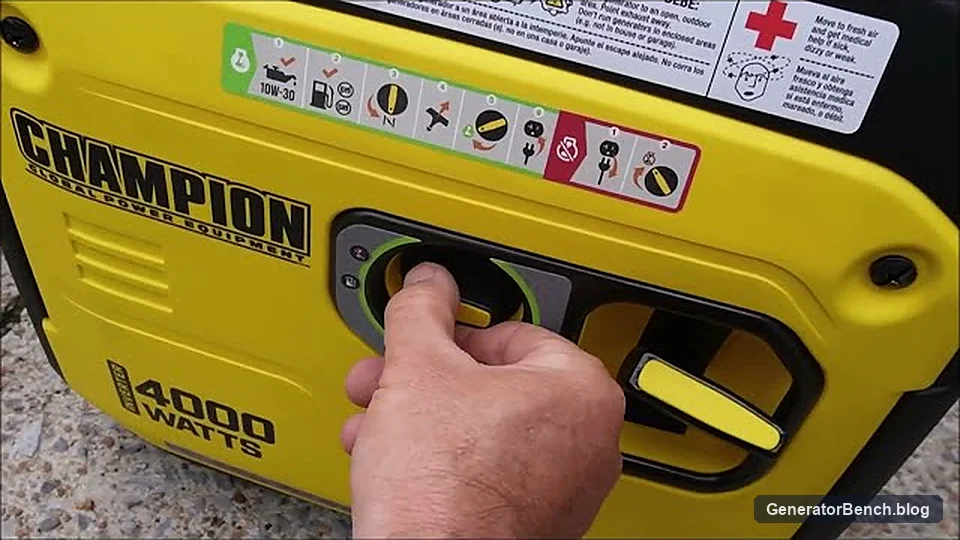
When comparing options in our comprehensive best standby generator review, Champion utilizes robust OHV engines derived from commercial designs. These powerplants feature cast-iron cylinder sleeves to resist wear during high-temperature thermal cycles over extended hours.
Cylinder displacement and compression ratios directly influence how efficiently each unit handles surging electrical loads. Generac optimizes its displacement for rapid torque recovery, whereas Champion emphasizes mechanical simplicity and straightforward thermal management.
Generac units typically employ purpose-built G-Force engines designed specifically for heavy standby duty cycles, featuring pressurized lubrication systems and robust cylinder walls that extend overall thermal endurance.
Champion standby models frequently utilize automotive-derived OHV overhead valve platforms with cast iron cylinder sleeves, balancing reliable long-term durability with cost-effective replacement part availability during routine overhauls.
Evaluating displacement ratios reveals that Generac often squeezes higher output from smaller blocks, whereas Champion prefers slightly larger displacement configurations to reduce operating stress at rated RPM thresholds.
- Purpose-built Guardian engines versus commercial OHV designs
- Cast-iron cylinder sleeves for extended thermal durability
- Optimized displacement for rapid torque and load recovery
Thermal Management and Airflow Dynamics
Managing extreme under-hood temperatures is crucial when units operate continuously during peak summer heatwaves. Both manufacturers implement internal baffling to protect sensitive ignition components.
Proper airflow routing prevents premature thermal degradation across alternators, ensuring stable electrical output throughout multi-day weather emergencies.
- Compartmentalized cooling paths
- Exhaust heat isolation
Real-World Power Output and Load Step Response
Delivering stable voltage during sudden motor starts prevents sensitive household appliances from experiencing brownouts. Generac units utilize advanced digital voltage regulation to maintain tight frequency control under aggressive, multi-kilowatt electrical load steps.
Featured prominently in any quality best natural gas standby generator roundup, Champion delivers competitive starting power through oversized alternator windings. When air conditioners engage, these systems absorb inductive kicks cleanly.
Total harmonic distortion remains a critical metric for protecting modern microprocessor-controlled HVAC units and computers. Both manufacturers maintain clean power output below five percent THD, ensuring safe operation for sensitive electronics.
During sudden large appliance startups, Generac digital voltage regulators manage total harmonic distortion efficiently, keeping THD under five percent to protect sensitive residential electronics from erratic power fluctuations.
Champion generators incorporate advanced excitation systems that quickly recover voltage sag during heavy motor starting surges, ensuring minimal frequency dip when central air conditioning compressors kick on simultaneously.
Both brands handle steady-state loads exceptionally well, but Generac exhibits slightly faster recovery times when confronting complex multi-step load additions due to its aggressive governor tuning parameters.
- Tight frequency control under multi-kilowatt steps
- Oversized alternator windings for inductive motor starts
- Low harmonic distortion protecting sensitive microprocessors
Enclosure Build Quality and Corrosion Resistance
Permanent standby units endure harsh outdoor environments, making robust enclosures essential for longevity. Highlighted across major best standby generator brands comparisons, Generac utilizes galvanized steel coated with RhinoCoat powder paint.
Champion similarly constructs its weather-resistant housings from heavy-gauge steel finished with a durable electrostatically applied powder coating. These protective outer shells withstand driving rain, heavy snow loads, and direct ultraviolet solar radiation effortlessly.
Proper airflow design within the enclosure ensures the internal engine components maintain optimal operating temperatures under load. Both brands incorporate compartmentalized cooling paths to isolate exhaust heat from electrical control panels and alternators.
Generac relies heavily on galvanized steel enclosures coated with a specialized RhinoCoat powder finish designed to withstand harsh coastal salt spray environments and severe ultraviolet radiation exposure.
Champion constructs its weather-resistant housings using heavy-gauge steel treated with multi-stage pretreatment washes and premium powder coatings that prevent premature rust formation near welded seams and fasteners.
Drainage channel design differs significantly between the two manufacturers, with Generac prioritizing rapid water evacuation beneath the base pad while Champion utilizes integrated louvers for optimal airflow.
- Galvanized steel with RhinoCoat powder finish
- Heavy-gauge steel housing weather-resistant construction
- Protection against driving rain and ultraviolet radiation
Acoustic Engineering and Decibel Profiles
Neighborhood noise ordinances dictate strict decibel limits for permanently installed standby generators running during nighttime hours. Generac incorporates specialized sound-attenuating foam and louvered exhaust designs to keep operating noise near sixty decibels at standard distances.
Champion Standby Generators utilize similar acoustic baffling strategies within their composite or steel enclosure designs. While slightly louder under maximum rated loads, Champion units remain compliant with typical residential noise restrictions.
Exhaust muffler placement significantly impacts overall acoustic performance during long-duration backup events. Engineers position directional muffler outlets away from adjacent properties to minimize direct sound propagation into neighboring yards.
Operating decibel ratings for Generac standby units typically hover around 65 decibels at a standard seven-meter distance, utilizing acoustic baffling and lined hoods to dampen mechanical combustion noise.
Champion integrates custom muffler designs and sound-attenuating foam within the enclosure panels, achieving comparable quiet operation that complies with strict municipal noise ordinances during mandatory weekly exercise cycles.
Acoustic frequency distribution matters as much as raw volume; both brands successfully minimize irritating high-pitched whines by employing asymmetric cooling fan blades and low-vibration engine mounts.
- Specialized sound-attenuating acoustic foam linings
- Louvered exhaust systems for quieter operation
- Directional muffler placement reducing property noise
Control Systems and Smart Diagnostics
Automated exercise cycles and remote monitoring capabilities reduce the operational burden on homeowners significantly. Generac features the Evolution controller, providing a multiline text display and integrated Wi-Fi connectivity for real-time status updates.
Champion equips its standby units with intuitive digital control panels that monitor oil pressure, temperature, and frequency automatically. These controllers handle weekly self-test cycles reliably, ensuring the engine remains lubricated and ready for deployment.
Diagnostic logging helps technicians troubleshoot minor faults before they escalate into major mechanical failures during an emergency. Both platforms store historical event codes, facilitating faster repair times and streamlined routine maintenance procedures.
Generac features the evolution control panel equipped with a multilingual LCD screen that tracks maintenance intervals, battery voltage status, and operational fault codes with high diagnostic precision.
Champion utilizes intuitive digital controllers that provide real-time telemetry regarding frequency, runtime hours, and utility power sensing parameters directly on the front user interface panel.
Remote monitoring integration represents a major differentiator, as Generac offers sophisticated cellular and Wi-Fi connectivity options whereas Champion focuses primarily on robust local onboard diagnostic readouts.
- Evolution multiline text display with Wi-Fi
- Automatic weekly self-test diagnostic cycles
- Historical event code logging for faster servicing
Maintenance Intervals and Component Serviceability
Routine upkeep preserves mechanical integrity. Following procedures in our guide on how to change the oil on a generac generator, Generac recommends standard service intervals every two hundred hours to extend service life.
Champion Standby Generators require comparable maintenance intervals, utilizing readily accessible service panels for quick filter replacements. The logical internal layout allows technicians to inspect spark plugs, battery connections, and valve clearances efficiently.
Sourcing replacement parts for Generac systems is exceptionally straightforward due to their massive dealer network. Champion relies on robust direct-to-consumer parts distribution, ensuring homeowners can acquire necessary maintenance kits without unnecessary delay.
Routine service requirements for Generac standby generators mandate oil and filter changes every 200 operating hours, supported by easily accessible side panels for rapid filter replacement.
Champion recommends servicing lubrication fluids and air filters every 100 hours under normal operating conditions, utilizing strategically placed drain tubes to minimize messy fluid spills during maintenance.
Spark plug accessibility and battery placement vary, yet both engineering teams prioritize user-friendly access points to reduce professional service labor costs during scheduled annual tune-ups.
- Standard two-hundred-hour service intervals
- Readily accessible internal filter service panels
- Streamlined replacement parts and maintenance kits
Installation Footprint and Transfer Switch Integration
Physical dimensions and zoning setbacks dictate where contractors can place permanent standby generators on a residential lot. Generac units feature compact footprints that simplify placement within tight side-yard clearance requirements near property lines.
Champion packages many of its standby models with pre-wired automatic transfer switches included in the purchase price. This bundled approach reduces overall installation complexity and lowers out-of-pocket costs for homeowners undertaking professional setups.
Electrical contractors appreciate clear terminal markings and generous wiring gutters inside both manufacturer transfer switches. Proper conduit routing and secure breaker connections ensure safe, code-compliant integration with your primary electrical service panel.
Spatial planning requires strict adherence to local fire codes, where Generac units often feature compact footprints that simplify placement within tight side-yard setbacks near exterior walls.
Champion standby systems provide flexible installation dimensions accompanied by pre-wired automatic transfer switches that streamline electrical integration for licensed residential electricians.
Compatibility with existing sub-panel configurations depends heavily on control wire harness length and communication protocol standards established by each respective manufacturer during the setup process.
- Compact footprints for strict zoning setbacks
- Pre-wired automatic transfer switch bundles
- Generous wiring gutters for code-compliant installs
Frequently Asked Questions
How do Generac and Champion standby generators handle cold weather startups?
Both major standby generator manufacturers provide comprehensive factory-engineered cold weather kits featuring thermostatically controlled battery warmers and integrated block heaters designed specifically for extreme northern climates.
These essential accessories guarantee reliable engine cranking and immediate internal fuel vaporization when ambient winter temperatures drop well below freezing across your entire residential property during unexpected grid emergencies.
Can I install a permanent standby generator myself or do I need a professional contractor?
Professional installation by a licensed electrical contractor and a certified gas utility technician is strictly required for both major manufacturer brands to maintain safety standards.
Certified local technicians ensure complete electrical code compliance, precise whole-home load calculations, and safe gas line sizing to protect your valuable equipment warranty and household safety.
What is the expected lifespan of a permanent residential standby generator?
Properly maintained standby generators from either manufacturer typically deliver between ten and fifteen years of dependable service during severe weather grid failures.
Regular automated exercise cycles, timely synthetic oil changes, and professional annual technician inspections are vital mechanical practices required to achieve this projected maximum operational lifespan in residential environments.
How do automated weekly self-test cycles work on these backup units?
Both advanced systems feature internal digital programming that automatically initiates a quiet low-rpm test run for several minutes every single week without user intervention.
This scheduled self-diagnostic routine thoroughly lubricates internal engine parts, maintains optimal starting battery charge levels, and verifies overall system readiness without ever disrupting daily household electrical power.
What type of fuel is recommended for permanent residential standby generators?
Standby generators operate efficiently on either municipal natural gas or liquid propane depending on your specific local utility availability and installation preferences.
Natural gas provides continuous, uninterrupted fuel delivery, whereas liquid propane offers higher energy density and greater thermal efficiency for isolated rural properties lacking municipal pipeline connections.