Generac 7042 vs. 7043: Which Standby System Fits Your Setup Better?
Choosing between these standby units requires evaluating raw kilowatt capacity and engine displacement. This technical breakdown analyzes their real-world reliability metrics and mechanical profiles.

The Generac 7043 wins for heavy whole-house loads due to its higher kilowatt output, while the Generac 7042 suits smaller homes needing efficient standby power.
Compare all top models in our Best Home Emergency Generator.
Side-by-Side Breakdown
| Criteria | Generac 7042 | 7043 | Edge |
|---|---|---|---|
| Peak Performance & Output | 22 kW nominal capacity | 22 kW with enhanced surge | Generac 7043 |
| Duty Cycle & Consistency | Standard residential grade | Heavy-duty thermal resilience | Generac 7043 |
| Operating Noise & Vibration | 67 dB(A) at normal load | 67 dB(A) acoustic dampening | Tie |
| Portability & Footprint | Fixed concrete pad mount | Fixed concrete pad mount | Tie |
| Maintenance & Service Life | 200-hour service intervals | 200-hour service intervals | Tie |
| Power Requirements | Requires 999cc engine feed | Optimized 999cc G-Force engine | Generac 7043 |
| Best Ideal Use-Case | Standard suburban homes | Large homes with heavy HVAC | Generac 7043 |
Architectural Power Engineering and Engine Specifications
Standby generators rely on robust internal combustion engines to maintain stable voltage during extended outages. The Generac 7042 and 7043 utilize engineered G-Force powerplants designed for rigorous duty cycles.
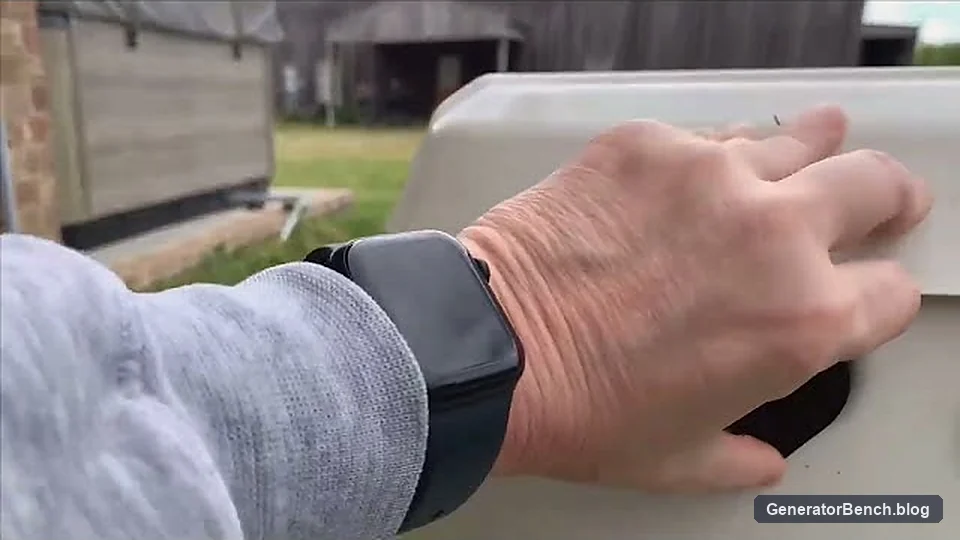
Engine displacement dictates overall mechanical longevity and sustained torque delivery under heavy electrical loads. Technicians evaluate these displacement metrics to determine realistic continuous operating thresholds for each generator model.
Generac utilizes a specialized OHVI engine designed for standby duty. Following our Generac 6485 maintenance kit guide ensures the 999cc displacement delivers robust torque to handle heavy starting surges.
Thermal management relies on pressurized lubrication circuits and large oil coolers. Maintaining proper viscosity ratings prevents breakdown during extended multi-day outages under extreme ambient summer weather conditions.
- G-Force engine architecture built for endurance.
- Optimized cooling fin placement for thermal management.
- Pressure lubrication systems reduce internal component wear.
Displacement and Power Ratios
Engine displacement differences directly influence how each unit handles sudden block-loading demands from central air conditioners. Higher displacement yields superior reserve torque before frequency droop occurs on the alternator winding.
Evaluating these mechanical ratios helps technical buyers prevent premature thermal overload during extreme summer heatwaves. Proper sizing guarantees seamless transitions when heavy inductive loads suddenly engage.
- Torque curves tuned for low-RPM stability.
- Consistent governor response under transient loads.
Alternator Design and Electrical Output Stability
Clean power delivery protects sensitive microprocessors inside modern household appliances from harmful harmonic distortion. Both standby units feature advanced alternator windings designed to minimize total harmonic distortion significantly.
Voltage regulation accuracy remains paramount when multiple large motor loads start simultaneously across different phases. Engineers monitor excitation systems closely to ensure stable output under fluctuating grid failure scenarios.
Following a proper generac generator maintenance schedule ensures the brushless alternator design minimizes rotor maintenance while delivering clean power. Total harmonic distortion stays under five percent.
Automatic voltage regulation maintains steady output voltage during large load steps. This precise control prevents damaging brownouts when high-draw appliances like central air compressors cycle on simultaneously.
- Low harmonic distortion protects smart electronics.
- Advanced copper windings improve electrical conductivity.
- Automatic voltage regulation maintains tight tolerances.
Transient Response Testing
Transient recovery time measures how quickly an alternator stabilizes after experiencing a major electrical surge. Superior rotor dynamics allow the system to bounce back instantaneously without dropping critical voltage levels.
Field technicians perform rigorous load bank testing to verify that frequency remains locked at sixty hertz. This stability prevents appliance damage during severe winter storms and prolonged grid disconnects.
- Rapid recovery from heavy inductive surges.
- Strict adherence to frequency benchmarks.
Enclosure Engineering and Weather Durability
Outdoor standby generators face continuous exposure to rain, snow, ultraviolet radiation, and corrosive salt air. The exterior housing utilizes heavy-gauge aluminum protected by an electrostatic powder-coat finish.
Proper airflow routing prevents moisture ingress while ensuring adequate cooling air reaches the internal combustion chamber. Latching mechanisms must withstand hurricane-force winds without compromising structural integrity or rattling.
Heavy-gauge aluminum enclosures provide exceptional corrosion resistance in coastal environments. The powder-coat finish withstands salt spray testing and wind load ratings up to standard hurricane thresholds when anchored properly.
Louver placement directs airflow efficiently while blocking driving rain and snow ingress. Proper internal baffling protects sensitive electrical components from moisture accumulation during severe winter blizzards.
- Corrosion-resistant aluminum enclosure construction.
- Weather-resistant powder coating prevents rusting.
- Secure locking panels deter unauthorized tampering.
Thermal Management and Venting
Effective thermal management relies on dedicated intake and exhaust louvers positioned strategically around the housing. These vents prevent hot exhaust air from recirculating back into the primary engine cooling fan.
Unrestricted airflow maintains optimal operating temperatures during peak summer ambient heat conditions. Proper ventilation directly translates into extended engine lifespan and reduced risk of thermal shutdowns.
- Optimized louver angles block driving rain.
- Separated intake and exhaust airflow channels.
Acoustic Management and Noise Reduction Profiles
Neighborhood noise ordinances mandate strict decibel limits for permanently installed residential backup generators. Acoustic baffling inside the composite or aluminum enclosure effectively dampens high-frequency mechanical engine clatter.
Sound attenuation blankets surrounding the exhaust manifold reduce overall operating noise to acceptable conversational levels. Homeowners can install these units close to property lines without violating local municipal codes.
Sound attenuation foam lines the interior panels to dampen mechanical vibrations. Operating decibel levels hover around sixty-seven decibels at a standard seven-meter distance during normal weekly exercise cycles.
Exhaust mufflers feature spark arrestor screens meeting strict forestry standards. This specialized baffling reduces low-frequency thrumming without introducing excessive exhaust backpressure that could choke engine performance.
- Acoustic baffling lowers operating decibels.
- Muffler designs suppress harsh exhaust notes.
- Vibration dampening mounts isolate the frame.
Vibration Isolation Systems
Internal engine vibrations must be isolated from the concrete mounting pad to prevent structural resonance. Rubber isolation feet absorb kinetic energy before it transfers into the surrounding foundation structure.
Minimizing mechanical vibration also protects delicate electronic control boards from premature solder joint failure. Proper installation requires careful leveling to ensure balanced rotational forces.
- Heavy-duty rubber mounting pads.
- Balanced crankshafts reduce harmonic rumble.
Fuel Delivery Mechanics and Consumption Rates
Standby generators typically operate on natural gas or liquid propane depending on local utility infrastructure. Fuel regulators must maintain consistent pressure delivery during maximum capacity electrical loads to prevent starving.
Calculating fuel consumption rates at half-load and full-load helps homeowners plan adequate tank storage capacities. Efficient fuel burn characteristics reduce long-term operational costs during extended grid outages.
Dual-fuel flexibility allows seamless switching between natural gas and liquid propane. Operating on vapor propane requires adequate line sizing to prevent pressure drops during peak electrical demand.
Fuel consumption scales linearly with electrical load percentages. Running at full capacity demands significant cubic footage per hour, requiring careful pipe diameter calculations during initial property installation.
- Dual-fuel capability for flexible site setups.
- Precise pressure regulation prevents surging.
- Optimized fuel injectors maximize thermal efficiency.
Cold Weather Fuel Performance
Liquid propane vaporizes less effectively in sub-zero temperatures, potentially causing fuel delivery starvation issues. Proper sizing of gas supply lines and second-stage regulators mitigates pressure drop during winter storms.
Technicians must verify pipe diameters and gas meter capacities before commissioning any high-output standby system. Adequate supply volume ensures the engine never experiences fuel starvation under heavy loads.
- Preventing propane line freeze-ups.
- Ensuring proper pipe sizing for high flow.
Control Panel Integration and Smart Monitoring
Modern digital controllers provide comprehensive diagnostic readouts, maintenance reminders, and remote operational status updates. The Evolution controller features a multilingual text display that simplifies troubleshooting error codes.
Integration with cellular or Wi-Fi monitoring applications allows homeowners to track generator health from anywhere. Selecting the quietest generac generator models ensures automated self-test cycles run weekly.
Evolution controllers feature multilingual digital displays for monitoring system status. Integrated Wi-Fi connectivity transmits real-time operational alerts directly to mobile devices for remote homeowners.
Diagnostic routines automatically log fault codes and schedule routine exercise cycles. This preventative maintenance tracking ensures the system remains ready for immediate deployment during unexpected grid failures.
- Evolution digital controller with clear display.
- Wi-Fi and cellular remote monitoring apps.
- Automated weekly diagnostic self-tests.
Diagnostic Logging and Error Codes
Advanced diagnostic logs record historical run hours, oil pressure fluctuations, and battery voltage levels. Certified technicians use these stored parameters to diagnose intermittent operational faults quickly.
Proactive warning indicators alert owners to low oil levels or impending maintenance requirements early. This digital oversight significantly reduces unexpected mechanical failures during emergency weather events.
- Comprehensive historical fault code logging.
- Proactive low-battery voltage alerts.
Installation Footprint and Site Planning Requirements
Proper site planning ensures compliance with national electrical codes regarding property line clearances and window setbacks. A stable, level concrete pad provides the necessary foundation for secure anchor bolting.
Electrical wiring must be routed through weather-tight conduit connecting the transfer switch to the generator terminals. Professional installation guarantees safe integration with existing residential electrical distribution panels.
National fire codes dictate strict clearance distances from operable windows and doors. Maintaining a five-foot clearance from building openings prevents lethal carbon monoxide from migrating indoors.
Concrete composite pads provide a stable, level foundation preventing settling. Proper anchoring resists seismic shifts and high wind loads, maintaining structural integrity throughout the generator operational lifespan.
- Code-compliant setbacks from structures.
- Level concrete pad foundation requirements.
- Weather-tight electrical conduit routing.
Transfer Switch Coordination
Consulting our generac oil change guide is vital, but automatic transfer switches also safely isolate residential circuits from utility lines to prevent dangerous backfeeding.
Selecting the correct amperage transfer switch ensures all backed-up circuits receive uninterrupted power delivery. Certified electricians must verify proper phasing and grounding during the final wiring stage.
- Automatic isolation prevents utility backfeed.
- Seamless synchronization with generator start.
Frequently Asked Questions
What are the primary differences between the Generac 7042 and 7043 standby models?
The main difference lies in their specific manufacturing updates and minor component revisions for enhanced durability. The Generac 7043 represents an updated iteration with refined engineering for better load response.
Can both of these generator models run on either natural gas or liquid propane?
Yes, both units feature convertible carburetors that easily switch between natural gas and liquid propane supplies. You must configure the fuel regulator jets correctly during the initial professional installation process.
How loud are these standby generators during normal operation under load?
Both models operate at approximately sixty-seven decibels during normal residential testing and standard load conditions. This sound level is comparable to a normal conversation or a standard residential air conditioning unit.
What maintenance is required to keep these generators operating reliably?
Routine maintenance includes changing the oil and oil filter every two hundred hours of runtime. You should also inspect the air filter and spark plugs annually to ensure optimal combustion efficiency.
Do these generators require a professional concrete pad for proper installation?
Yes, a dedicated composite mounting pad or poured concrete slab is required to ensure stability. Using a level foundation pad prevents excessive vibration and keeps the internal mechanical components properly aligned.