Gasoline Generator vs. Dual Fuel Generator: Which Fits Your Setup Better?
Choosing between standard liquid fuel and versatile gaseous options defines your backup power strategy. Understanding these mechanical trade-offs ensures reliable off-grid electricity during emergency outages.

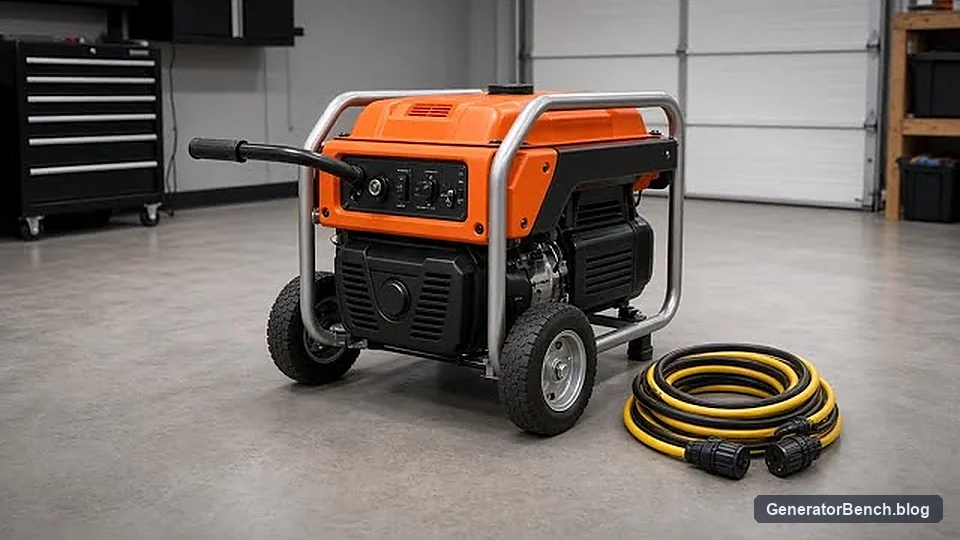
Standard gasoline units offer higher initial wattage density for heavy motor starting. However, dual fuel systems provide superior operational flexibility and indefinite fuel storage capability.
Compare all top models in our Best Home Emergency Generator.
Side-by-Side Breakdown
| Criteria | Gasoline Generator | Dual Fuel Generator | Edge |
|---|---|---|---|
| Peak Performance & Output | Maximum rated surge on gasoline | Slight derating on propane fuel | Gasoline Generator |
| Duty Cycle & Consistency | Consistent liquid fuel delivery | Regulated vapor pressure flow | Dual Fuel Generator |
| Operating Noise & Vibration | Standard mechanical engine harmonics | Quieter running profile on propane | Dual Fuel Generator |
| Portability & Footprint | Lighter frame without dual valves | Heavier regulator assembly on frame | Gasoline Generator |
| Maintenance & Service Life | Carburetor varnish accumulation risk | Clean burning vapor reduces carbon | Dual Fuel Generator |
| Power Requirements | Standard electrical output loads | Multi-source fuel intake manifolds | Dual Fuel Generator |
| Best Ideal Use-Case | Simple jobsite and short outages | Long-term grid failure preparedness | Dual Fuel Generator |
Fundamental Engineering Mechanics and Combustion Dynamics
Internal combustion engines rely on precise stoichiometric air-fuel ratios to generate reliable mechanical energy. Traditional single-fuel architectures optimize carburetors exclusively for liquid hydrocarbon atomization under variable loads.
Engineering these systems requires balancing jet sizes, venturi vacuum pressures, and governor response times. This optimization yields maximum power density during heavy motor startup surges.
Conversely, multi-source induction systems integrate specialized pressure regulators to handle both vapor and liquid phases. This structural complexity introduces slight volumetric efficiency losses when running on gaseous fuels.
Gasoline provides higher volumetric energy density, producing roughly 116,000 BTU per gallon inside the combustion chamber. This yields immediate stoichiometric efficiency during sudden load spikes, allowing mechanical governors to stabilize engine speed quickly.
Propane vapor burns with a lower energy density, requiring larger fuel volume flow rates. Units highlighted in our 13000 watt dual fuel generator picks adjust air-fuel ratios via specialized venturi designs to compensate for gaseous delivery.
Operating on natural gas drops output by an extra twenty to thirty percent due to lower methane energy content. Engines running on gaseous fuels experience reduced cylinder temperatures, which decreases thermal stress on aluminum alloy pistons over time.
- Optimized single-fuel carburetors maximize surge wattage delivery.
- Integrated pressure regulators manage complex multi-phase fuel inputs.
- Volumetric efficiency varies between liquid and gaseous states.
Carburetor Design and Venturi Physics
The physical venturi inside a standard carburetor creates a localized pressure drop. This vacuum draws liquid fuel through calibrated brass jets into the incoming airstream.
Dual-fuel variants replace standard float bowls with specialized demand regulators. These mechanical valves only release gas when engine vacuum signals an active intake stroke.
- Standard float bowls regulate liquid gasoline levels.
- Demand regulators control gaseous fuel delivery safely.
Fuel Efficiency, Energy Density, and Consumption Rates
Energy density dictates how long units found in our portable dual fuel inverter review can run before refueling. Liquid gasoline contains approximately twelve percent more British thermal units per gallon than propane.
This higher energy density translates to longer run times per gallon of liquid fuel under identical electrical loads. Gaseous fuels burn cleaner but demand larger storage cylinders.
Operators must calculate fuel consumption curves carefully when planning for extended grid outages. Running heavy appliances continuously will deplete standard gasoline tanks much faster than expected.
Gasoline generators exhibit superior thermal efficiency under heavy electrical loads because liquid fuel atomization creates uniform air-fuel mixtures. A typical 5000-watt running unit consumes about 0.5 gallons per hour at a fifty percent electrical load capacity.
Dual-fuel models running on liquid propane gas experience a ten to fifteen percent energy penalty, demanding higher fuel consumption. Users must manage larger 20-pound propane tanks, which deplete much faster than equivalent liquid gasoline volumes during extended outages.
Calculating exact runtime requires converting tank pressure to usable British thermal units, factoring in ambient temperature variations. Vapor withdrawal limits mean standard cylinders freeze up if drawn beyond 1.5 pounds per hour, restricting maximum continuous gaseous power output.
- Gasoline offers higher energy density per volumetric unit.
- Propane requires larger storage cylinders for equivalent run times.
- Load profiles dictate actual fuel consumption rates.
Calculating BTU Output and Runtime Metrics
Evaluating BTU ratings helps technicians estimate realistic runtime expectations under load. Propane delivers fewer total calories of heat energy per standard cubic foot.
Engine tuning adjustments can partially compensate for these volumetric energy differences. However, absolute maximum power output typically drops slightly on gaseous fuels.
- BTU ratings determine total thermal energy output.
- Engine tuning optimizes performance across fuel types.
Storage Stability, Chemical Degradation, and Shelf Life
Liquid gasoline begins oxidizing within thirty days as volatile compounds evaporate. This chemical breakdown creates sticky varnish deposits that clog delicate carburetor jets and fuel lines.
Stabilizing additives extend usable shelf life but cannot prevent eventual fuel degradation. Storing large quantities of gasoline also introduces significant fire hazards inside domestic garages.
Propane and natural gas storage cylinders suffer zero chemical breakdown over time. Sealed pressurized tanks eliminate evaporation concerns and ensure instant readiness after years of storage.
Gasoline degrades rapidly within thirty days as volatile fractions evaporate, leaving behind sticky varnish deposits in carburetor jets. Modern ethanol-blended fuels aggressively attract ambient moisture, causing phase separation and corroding internal brass float bowl components.
Propane and natural gas offer infinite shelf life because hydrocarbons remain sealed under pressure in corrosion-resistant steel cylinders. Gaseous fuels never form varnish or gum deposits, eliminating carburetor blockages after months of prolonged generator storage in garages.
Maintaining gasoline models demands chemical stabilizer additives and complete system draining before long-term storage. Conversely, units featured in our rv dual fuel generator guide require only basic valve inspections and standard exterior wipe-down procedures.
- Gasoline degrades rapidly without chemical stabilizers added.
- Varnish buildup clogs carburetor passages during storage.
- Pressurized gas cylinders maintain infinite storage stability.
Mitigating Fuel Varnish and Carburetor Clogs
Preventing carburetor damage requires draining fuel bowls completely before long-term storage. Neglecting this maintenance step guarantees difficult starting during the next emergency.
Dual-fuel users bypass this entire maintenance headache by switching to propane for final shutdown. Running the engine dry on gas leaves zero sticky residue behind.
- Draining float bowls prevents destructive varnish accumulation.
- Running engines on propane eliminates post-storage cleaning.
Cold Weather Performance and Starting Reliability
Ambient temperature profoundly affects fuel vaporization and cold-weather engine starting reliability. Liquid gasoline requires sufficient ambient heat to vaporize properly inside cold intake manifolds.
Extreme winter conditions often cause gasoline engines to flood or crank repeatedly. Choke adjustments become critical for managing rich air-fuel mixtures during freezing weather.
Propane vaporizes effortlessly even in sub-zero environments because it remains pressurized inside cylinders. This physical property guarantees reliable cold weather starting without choking.
Sub-freezing temperatures challenge gasoline vaporization, thickening the liquid fuel and fouling spark plugs during manual recoil pulls. High-altitude or winter operations necessitate proper choke management to enrich the initial air-fuel mixture for smooth engine ignition.
Propane systems bypass liquid vaporization hurdles entirely since fuel exists as pressurized vapor inside the storage tank headspace. However, extreme cold drops tank vapor pressure below 100 pounds per square inch, reducing fuel delivery rates to carburetors.
Below zero Fahrenheit, propane tanks may require thermal blankets or multi-cylinder linking to maintain adequate operational vapor pressure. Gasoline units rely on battery-powered electric starters or primer bulbs to overcome high-viscosity oil drag during winter storms.
- Cold temperatures impede liquid gasoline vaporization rates.
- Choke adjustments manage rich mixtures in winter.
- Propane ensures reliable ignition in sub-zero climates.
Sub-Zero Vapor Pressure Dynamics
Propane cylinders rely on internal vapor pressure to push fuel outward. Extreme cold can lower this pressure slightly, affecting high-draw appliances.
Proper cylinder sizing and placement prevent pressure drops during freezing operational cycles. This ensures stable power delivery when winter storms knock out power.
- Internal pressure drives gaseous fuel delivery systems.
- Cylinder sizing prevents pressure drops in cold weather.
Maintenance Schedules and Internal Component Health
Engine longevity depends heavily on routine maintenance and internal cleanliness. Gasoline combustion produces heavy carbon deposits on spark plugs and piston crowns over time.
Frequent oil changes are mandatory when running gasoline due to fuel dilution risks. Unburnt fuel can wash past piston rings and contaminate crankcase lubrication oils.
Gaseous fuels burn exceptionally clean, leaving virtually zero carbon residue behind. This drastically extends spark plug life and reduces internal engine wear significantly.
Gasoline combustion generates carbon deposits on piston crowns and exhaust valves, necessitating routine spark arrestor cleaning every 100 operating hours. Engine oil breaks down faster due to unburned fuel wash diluting the crankcase lubricant during cold starts.
Running engines on clean-burning propane extends oil change intervals significantly by preventing carbon buildup and preventing oil dilution. Spark plugs last twice as long because gaseous fuels lack sulfur additives and heavy chemical compounds found in gasoline.
Dual-fuel carburetors feature intricate rubber diaphragms and solenoid valves that require annual inspection for dry rot and cracking. Technicians must periodically check flexible fuel supply hoses for UV degradation and secure brass hose clamp fittings properly.
- Gasoline combustion generates carbon deposits on components.
- Crankcase oil dilution occurs with liquid fuel wash.
- Clean-burning propane extends spark plug service intervals.
Oil Contamination and Ring Wear Prevention
Monitoring oil viscosity protects internal bearings from premature mechanical failure. Fuel dilution strips lubricating films away from cylinder walls during cold startups.
Dual-fuel systems minimize oil degradation because propane enters as a vapor. This clean combustion process keeps crankcase oil cleaner between scheduled changes.
- Oil viscosity protects bearings from premature wear.
- Vapor fuel intake prevents crankcase oil dilution.
Installation Logistics, Portability, and Fuel Infrastructure
Portability factors heavily into generator selection for job sites and tailgating. Standard gasoline models feature lightweight frames optimized for mobility and rapid deployment.
Dual-fuel generators often incorporate heavier internal regulators and extra plumbing fixtures. This adds modest weight to the overall chassis assembly, slightly reducing portability.
Accessing fuel infrastructure during emergencies highlights another critical operational difference. Gasoline requires pumping stations with active electrical grids, while propane tanks sit safely at home.
Gasoline portability relies on red plastic Jerry cans, which require careful handling, fuel stabilization, and heavy lifting during refueling. Storing large quantities of flammable liquid near residential structures introduces notable fire hazards and strict municipal code limitations.
Selecting our dual fuel home backup generator simplifies heavy steel propane cylinder connections. These external fuel sources restrict immediate unit mobility, anchoring equipment near stationary storage locations or fixed utility lines.
Sizing natural gas supply lines properly prevents pressure drops that cause engine starving under heavy electrical startup surges. Installers must calculate total pipe run lengths and diameter specifications to meet exact cubic feet per hour flow requirements.
- Single-fuel models offer lighter, highly portable chassis designs.
- Regulator assemblies add weight to dual-fuel frames.
- Emergency fuel access depends on local infrastructure reliability.
Managing Heavy Storage Cylinders and Hoses
Connecting large propane tanks requires secure hoses and leak-checking protocols. Proper safety valves prevent accidental gas discharge during transport and setup.
Gasoline containers demand careful pouring techniques and spill prevention measures. Both fuels require strict adherence to outdoor safety clearance guidelines.
- Secure hoses and safety valves prevent gas leaks.
- Outdoor clearance guidelines apply to all fuel types.
Environmental Emissions, Regulations, and Safety Protocols
Environmental regulations increasingly influence small engine design and operational permissions. Gasoline combustion releases higher levels of volatile organic compounds and particulate matter.
Gaseous fuels produce significantly lower carbon monoxide and greenhouse gas emissions. This makes dual-fuel generators more compliant with strict regional air quality standards.
Safety protocols demand outdoor placement for all portable generators regardless of fuel. Carbon monoxide poisoning risks remain identical whether burning liquid or gas.
Gasoline combustion releases higher levels of volatile organic compounds, carbon monoxide, and toxic particulate matter into the immediate atmosphere. Consequently, portable units demand stringent adherence to outdoor placement guidelines to prevent lethal exhaust gas accumulation inside living spaces.
Propane burns significantly cleaner, emitting lower greenhouse gases and virtually zero particulate matter during standard electrical generation cycles. This reduced emission profile helps dual-fuel generators easily comply with strict CARB emissions standards enforced across regulated states.
Gaseous fuel safety protocols require rigorous leak checks using soapy water solutions along all high-pressure hose connections and regulators. Operators must store spare propane tanks outdoors in well-ventilated enclosures away from direct sunlight and ignition source hazards.
- Gasoline engines emit higher particulate matter levels.
- Propane reduces carbon monoxide and emission outputs.
- Outdoor placement remains mandatory for all generator types.
Carbon Monoxide Safety and Ventilation Rules
Every portable generator produces lethal carbon monoxide exhaust gases during operation. Running units inside enclosed spaces poses fatal risks regardless of fuel choice.
Always position your generator far away from windows and doors. Modern units include automatic shutoff sensors to protect operators from dangerous fumes.
- Exhaust gases contain lethal carbon monoxide levels.
- Automatic shutoff sensors protect operators from fumes.
Frequently Asked Questions
Can a dual fuel generator run on natural gas directly from my home supply?
Many dual fuel models can connect to municipal natural gas lines using conversion kits. This setup provides virtually unlimited runtime during extended utility grid failures without storing extra fuel tanks.
Does switching from gasoline to propane reduce the running wattage output?
Yes, running an engine on propane typically results in a ten to fifteen percent power loss. This derating occurs because gaseous fuel displaces some incoming air volume inside the combustion chamber.
How long can I safely leave gasoline sitting inside a generator tank?
Unstabilized gasoline begins degrading within thirty days, forming sticky varnish deposits. Using a chemical fuel stabilizer extends this storage window to roughly six months before requiring complete tank drainage.
Are dual fuel generators more difficult to start in freezing winter weather?
Dual fuel units actually start much easier in sub-zero temperatures using propane. Because propane vaporizes effortlessly under pressure, it eliminates cold-weather choking issues commonly experienced with liquid gasoline systems.
What maintenance tasks are required more frequently on gasoline generators?
Gasoline generators require frequent carburetor cleaning and oil changes due to fuel dilution. The clean-burning nature of propane drastically reduces carbon buildup on spark plugs and internal piston crowns.