Dual Fuel Inverter vs. Single Fuel Inverter: Which Setup Fits Your Power Needs?
Choosing between multi-fuel versatility and dedicated gasoline efficiency changes your emergency preparedness strategy. We evaluate the mechanical trade-offs to help you decide.

Choose a Dual Fuel Inverter for ultimate emergency flexibility, or pick a Single Fuel Inverter for maximum raw gasoline efficiency.
Compare all top models in our Best Home Emergency Generator.
Side-by-Side Breakdown
| Criteria | Dual Fuel Inverter | Single Fuel Inverter | Edge |
|---|---|---|---|
| Peak Performance & Output | Slightly lower on propane | Maximum rated gasoline output | Single Fuel Inverter |
| Duty Cycle & Consistency | Unlimited with large tanks | Limited by fuel can capacity | Dual Fuel Inverter |
| Operating Noise & Vibration | Balanced enclosure tuning | Optimized single-carb damping | Tie |
| Portability & Footprint | Heavier dual-valve hardware | Lighter, streamlined chassis | Single Fuel Inverter |
| Maintenance & Service Life | Complex secondary regulator | Simpler fuel line routing | Single Fuel Inverter |
| Power Requirements | Gasoline or Propane options | Gasoline only operation | Dual Fuel Inverter |
| Best Ideal Use-Case | Extended grid outages | Mobile recreation & tailgating | Dual Fuel Inverter |
Fundamental Engineering Architectures and Fuel Delivery Systems
Modern portable power stations rely heavily on precision inverter modules. Selecting the best dual fuel inverter generator for home backup requires evaluating internal hardware changes designed to accommodate dual supply lines.
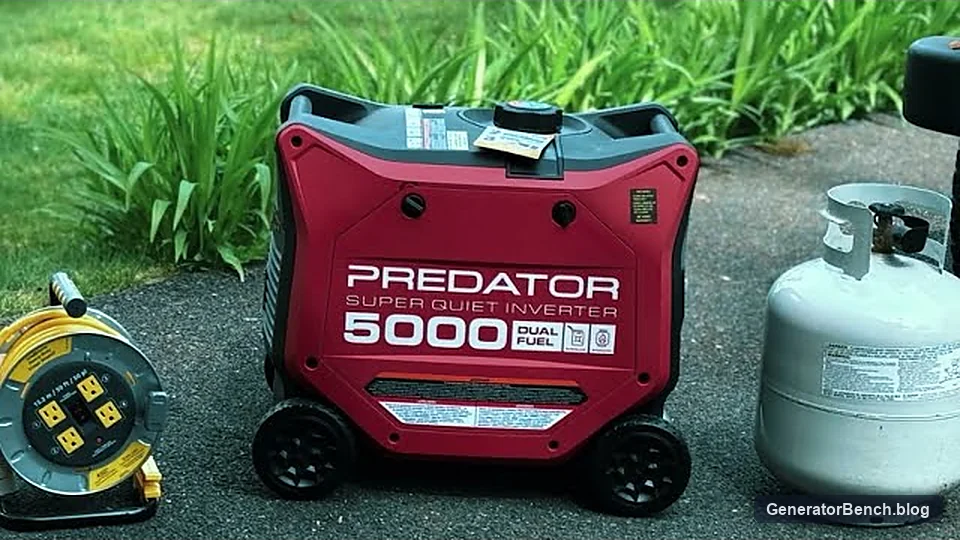
Engineering teams must design custom carburetors featuring secondary inlets. Quote smarter. Bind faster by understanding how these dual pathways introduce minor pressure drops during high-demand electrical surges.
Single fuel inverter generators utilize a dedicated gravity-fed carburetor calibrated exclusively for gasoline stoichiometry. This limits intake manifold design flexibility but optimizes volumetric efficiency for liquid hydrocarbon combustion phases.
Conversely, dual fuel models integrate a complex pressure regulator and demand valve assembly. This secondary pathway allows seamless switching between liquid gasoline and gaseous propane without compromising internal combustion chamber integrity.
- Dual fuel units incorporate integrated pressure regulators.
- Single fuel carburetors maintain simpler internal fluid dynamics.
- Solenoid-controlled valves manage automatic fuel switching seamlessly.
Internal Valve Mechanics
The physical mixing chamber handles both liquid atomization and gaseous expansion. Tolerances must remain exceptionally tight to prevent fuel leaks under high vibrational frequencies.
Precision stepper motors adjust air-fuel ratios dynamically depending on the selected input source during startup sequences.
- Stepper motors calibrate optimal air intake.
- Gaseous lock-off valves prevent accidental propane leaks.
Thermodynamic Efficiency and Output Degradation
Propane gas inherently possesses lower energy density compared to refined gasoline. Helping you do more requires acknowledging a ten to fifteen percent power loss when running on LPG.
Thermal output drops accordingly, altering exhaust gas temperatures. Operators must calculate running loads carefully when transitioning from liquid fuel to gaseous alternatives during storms.
Reviewing our 4500 watt dual fuel inverter generator analysis reveals that running units on liquid propane introduces a 10% to 15% power drop due to lower energy density.
Single fuel gasoline units maintain consistent thermal output ratings across standard ambient ranges. However, users must manage fuel degradation risks, whereas gaseous fuels eliminate varnish accumulation in the precision micro-jets.
- Gasoline delivers maximum nominal running watts.
- Propane offers cleaner combustion with lower BTU content.
- Inverter electronics compensate for minor frequency fluctuations.
BTU Content Variations
Chemical energy storage varies drastically between petroleum distillates and pressurized propane tanks. This directly impacts total runtime calculations under heavy inductive loads.
Engineers measure thermal efficiency constants to map out optimal operating bands for residential backup applications.
- Petroleum yields higher energy per volumetric unit.
- Propane burns cleanly without carbon gumming.
Mechanical Tolerances and Carburetion Demands
Carburetor varnish represents the single largest failure point for emergency generators left sitting idle. Single fuel models suffer heavily from stale gasoline clogging tiny brass jets.
Dual fuel designs mitigate varnish risks by utilizing clean-burning propane for long-term storage. Choosing our recommended dual fuel inverter generator for home backup prevents costly carburetor rebuilds.
Dual fuel carburetors require tighter mechanical tolerances to handle dry propane vapor alongside lubricated gasoline. Engineers incorporate hardened valve seats to prevent accelerated wear caused by the lack of fuel lubrication.
Single fuel carburetors simplify maintenance procedures by avoiding multi-stage pressure reduction components. Technicians can easily clean standard float bowls, jets, and passages without disturbing integrated solenoid-controlled shutoff valves.
- Gasoline leaves sticky resin deposits as it evaporates.
- Propane leaves zero residue inside intake chambers.
- Jet maintenance intervals stretch further on dual fuel setups.
Varnish Prevention Protocols
Running a dual fuel machine dry on propane before shutdown eliminates fuel bowl residue entirely. This simple operational habit extends carburetor lifespan significantly across seasons.
Single fuel users must rely heavily on chemical fuel stabilizers and routine monthly run cycles to prevent jet blockages.
- Drain bowls completely after every heavy usage period.
- Add stabilized fuel to prevent moisture accumulation.
Logistics, Ergonomics, and Structural Footprint
Adding secondary plumbing and heavy-duty brass fittings inevitably increases total dry weight. From a clockwork to a turntable, every internal component must be meticulously balanced.
Single fuel generators remain noticeably lighter and easier to maneuver into tight truck beds. Ergonomic handles and wheel kits are optimized for lower overall system mass.
Adding a dual fuel conversion kit increases total structural weight by roughly five to ten pounds. This added heft directly impacts portability and stresses the external tubular steel roll cage frames.
Single fuel gasoline models maintain an optimized center of gravity and lighter footprints. Their streamlined body panels reduce spatial volume during transit, improving overall ergonomics for single-person loading tasks.
- Dual fuel frames require reinforced mounting brackets.
- Single fuel units prioritize ultra-portable lightweight designs.
- Chassis geometry impacts vibration dampening effectiveness.
Weight Distribution Analysis
Heavy-duty regulators mounted near the engine block shift the center of gravity slightly upward. Manufacturers compensate by widening the tubular steel frame base.
Lighter single fuel models maintain a compact footprint ideal for tailgating and mobile job sites where space is severely restricted.
- Wider frames improve stability on uneven ground.
- Compact footprints ease trunk storage constraints.
Maintenance Schedules and Component Longevity
Routine servicing keeps internal combustion engines running past standard rated operating hours. Oil change intervals remain identical, but spark plug wear patterns differ between fuels.
Propane combustion produces fewer abrasive carbon particulates, keeping engine oil cleaner for longer durations. Mechanics note reduced cylinder wall scoring on dedicated gas units.
Running generators on propane significantly extends oil change intervals because gaseous fuels produce zero carbon soot. However, operators must inspect rubberized propane supply hoses annually for UV degradation and micro-cracks.
Gasoline-only systems demand frequent carburetor draining if stored for more than thirty days. Ethanol-blended fuel aggressively attracts atmospheric moisture, leading to severe corrosion inside delicate aluminum float chambers.
- Oil stays cleaner longer when running exclusively on propane.
- Valve lash adjustments should be checked every hundred hours.
- Air filters require frequent inspection in dusty environments.
Filter and Plug Longevity
Clean gaseous fuel reduces soot buildup on spark plug electrodes significantly. This ensures reliable electronic ignition strikes during sudden emergency weather events.
Gasoline usage demands more frequent spark plug cleaning due to additive ash and incomplete combustion byproducts coating the firing tip.
- Electrodes last longer under vapor combustion.
- Inspect ignition coils for moisture damage.
Cold-Weather Performance and Altitude Compensation
Low ambient temperatures drastically affect liquid vaporization rates inside standard propane cylinders. Inverter owners must understand tank pressure physics during winter storms.
Gasoline relies on mechanical lift pumps or gravity feed, performing predictably down to freezing thresholds. High altitudes also demand proper jet re-calibration for both types.
Propane struggles in sub-freezing temperatures due to insufficient vapor pressure inside standard tanks. Dual fuel units require specialized tank blankets or vapor-withdrawal strategies when ambient conditions drop below zero degrees Fahrenheit.
Gasoline units handle cold starts more reliably with proper choke engagement, but high-altitude operation demands precise jet re-calibrations. Both designs suffer power losses of roughly three percent per thousand feet above sea level.
- Propane pressure drops sharply in sub-zero weather conditions.
- Gasoline requires winter-grade additives to prevent fuel line icing.
- Altitude kits adjust air intake for thinner mountain air.
Vaporization Physics in Winter
Drawing heavy vapor from small propane tanks causes rapid cooling and frost buildup. This limits maximum continuous wattage delivery during severe winter grid collapses.
Connecting larger twenty-pound or hundred-pound cylinders resolves cold-weather starvation issues by providing greater surface area for natural ambient heat transfer.
- Use larger tanks to maintain adequate vapor pressure.
- Protect regulators from direct driving snow and ice.
Economic Resilience and Fuel Storage Contingencies
Emergency preparedness strategies rely on secure, long-term fuel storage capabilities. Gasoline degrades rapidly within thirty days, requiring rotation or chemical stabilization to remain usable.
Propane cylinders boast an indefinite shelf life, making dual fuel inverters superior for multi-year storage planning. Store fuel safely in ventilated outdoor sheds away from living spaces.
Storing gasoline safely requires chemical stabilizers and strict adherence to NFPA fire codes. Choosing the best portable dual fuel inverter generator ensures reliable disaster preparedness thanks to propane's indefinite shelf life.
Single fuel generators offer a lower initial purchase cost, appealing to budget-conscious buyers who only require seasonal recreational power. However, ongoing operational expenses shift depending on local retail fuel fluctuations.
- Propane tanks never degrade or spoil over time.
- Gasoline requires rotation every month to prevent gumming.
- Fuel availability during regional disasters favors propane.
Disaster Preparedness Planning
Gas stations often lose electrical grid power during major hurricanes, rendering electric pumps useless. Stockpiling propane tanks guarantees reliable backup energy without dependency.
Smart homeowners maintain a hybrid approach, keeping fresh gasoline for immediate mobility and multiple propane cylinders for extended multi-week outages.
- Maintain separate fuel caches for different scenarios.
- Secure propane tanks against tipping during tremors.
Frequently Asked Questions
Can a dual fuel inverter run on natural gas?
Standard models require specialized conversion kits to handle low-pressure natural gas safely. Always consult certified technicians before modifying any factory fuel delivery systems.
Does propane reduce the overall lifespan of the generator?
Propane actually extends engine life by burning cleaner and eliminating internal carbon deposits. Lower operating residue prevents premature valve wear and keeps oil cleaner.
Why is there a wattage drop when using propane?
Propane possesses a lower energy density and BTU rating compared to refined gasoline. Expect a ten percent reduction in peak running wattage output.
How should I store my generator during the off-season?
Run the carburetor completely dry on fuel before placing it in storage. Drain all residual gasoline to prevent sticky varnish blockages from forming inside tiny jets.
Are single fuel generators easier to start in cold weather?
Gasoline primes more reliably in sub-zero temperatures compared to propane vaporization. Proper priming techniques ensure reliable ignition during winter emergency blackouts.